
Why Midongy du Sud National Park stands out
Midongy du Sud is renowned for harboring Madagascar's second-largest rainforest and supporting exceptional concentrations of endemic species. The park is particularly significant as a stronghold for the critically endangered Greater bamboo lemur, one of the world's most endangered primates. Its flora includes 348 recorded plant species, with 250 found nowhere else on Earth, including numerous medicinal plants. The park also serves as critical habitat for 348 bird species, 56 amphibians, 53 reptiles, and diverse carnivore and bat populations. The Befotaka and Soarano forest sections contain ancient trees and orchid species protected under international conservation treaties.
Midongy du Sud National Park history and protected-area timeline
Midongy du Sud first received formal protection in 1953, establishing an early recognition of the region's ecological significance within Madagascar's developing conservation framework. The area underwent gradual status elevation over the following decades, ultimately achieving national park designation in 1997 as part of Madagascar's commitment to preserving its unique biodiversity heritage. This transition reflected growing international awareness of Madagascar's exceptional endemism and the need to protect remaining intact forest ecosystems. The park's establishment also aligned with broader governmental efforts to develop sustainable land management strategies and community-based conservation approaches. Throughout its history, the park has maintained connectivity with surrounding landscape through traditional land use patterns practiced by local Antaisaka and Bara populations.
Midongy du Sud National Park landscape and geographic character
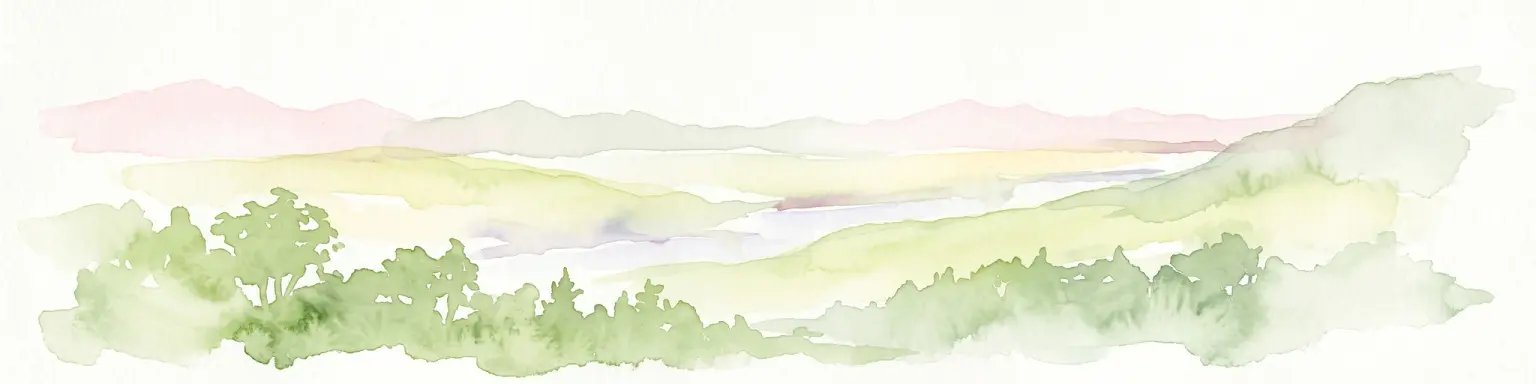
The terrain of Midongy du Sud National Park features dramatic topographical variation typical of southeastern Madagascar's interior highlands. Steep mountain ridges and deep valleys dominate the park's central regions, creating diverse microclimates and habitat gradients. The forest canopy rises over humid valleys where numerous streams descend from higher elevations, feeding extensive marsh systems in the lower terrain. Mont Papango marks the park's high point at 1,679 meters, while lower elevations around 689 meters give way to marshland vegetation. The park contains two principal forest blocks, the larger Befotaka Forest covering approximately 43,423 hectares and the Soarano Forest at roughly 24,145 hectares. These forest areas are interspersed with more open wetland zones characterized by screw-pine and sedge communities. The combination of high rainfall, ranging from 1,600 to 3,600 millimeters annually, and the region's rugged topography has enabled the persistence of one of Madagascar's last major contiguous rainforest blocks.
Midongy du Sud National Park ecosystems, habitats, and plant life
Midongy du Sud supports extraordinary ecological diversity reflecting Madagascar's status as a global biodiversity hotspot. The park's humid rainforest ecosystems contain over 348 documented plant species, with approximately 250 endemic to Madagascar alone. This exceptional plant diversity includes numerous species with documented medicinal properties, reflecting the traditional knowledge of local communities and ongoing scientific interest in bioprospecting. The main canopy trees include species from families such as Brachylaena, Calophyllum, Cryptocarya, Dalbergia, Diospyros, Elaeocarpus, Eugenia, Ocotea, Ravensara, Symphonia, Tambourissa, and Uapaca. Fourteen plant species found within the park are listed as endangered on the IUCN Red List, indicating significant conservation concern. Two orchid species, Aeranthes caudata and Bulbophyllum vestitum, appear on CITES Appendix II, reflecting their vulnerability to international trade. Marsh areas support distinct vegetation communities dominated by Pandanus (screw-pine) and Carex (sedge) species, creating wetland habitats critical for amphibian and bird populations.
Midongy du Sud National Park wildlife and species highlights
The vertebrate fauna of Midongy du Sud includes remarkable species diversity across multiple taxonomic groups. Four lemur species inhabit the park, most notably the Greater bamboo lemur (Prolemur sinus), classified as the most endangered lemur species and among the world's most threatened primates. This critically dependent relationship between the Greater bamboo lemur and the park's bamboo-dominated habitats makes the area globally significant for primate conservation. Bird diversity is equally impressive, with 348 species recorded within park boundaries, qualifying the area as an Important Bird Area. The amphibian fauna includes 56 species, while 53 reptile species have been documented. Small carnivores are represented by six species, and four bat species complete the mammalian inventory. This assemblage of species reflects the park's role as a refuge for Madagascar's endemic fauna, much of which occurs nowhere else on Earth.
Midongy du Sud National Park conservation status and protection priorities
Midongy du Sud National Park plays a critical role in Madagascar's conservation framework by protecting one of the island's last major intact rainforest ecosystems. The park's designation as an Important Bird Area acknowledges its global significance for avian biodiversity, while its population of Greater bamboo lemurs places it among the highest-priority sites for primate conservation worldwide. The presence of fourteen IUCN Red Listed endangered plant species demonstrates ongoing threats to biodiversity from habitat fragmentation and exploitation. International protection through CITES for two orchid species reflects the park's contribution to global species preservation commitments. The park's management through the Madagascar National Parks Association integrates conservation objectives with sustainable use considerations, acknowledging the traditional land rights of Antaisaka and Bara communities whose presence predates formal protection. Continued conservation efforts focus on maintaining forest connectivity, protecting endemic species populations, and managing the interface between human communities and natural ecosystems.
Midongy du Sud National Park cultural meaning and human context
The landscape surrounding Midongy du Sud has been inhabited for generations by Antaisaka and Bara ethnic groups whose traditional practices shape both the cultural landscape and contemporary conservation dynamics. The Antaisaka people historically practiced slash-and-burn agriculture and cattle husbandry, while the Bara traditionally engaged in pastoralism and agriculture. These communities maintain cultural connections to the land that predate modern protected area frameworks. Traditional ecological knowledge held by these communities includes detailed understanding of plant medicinal properties, many of which correspond to the park's documented medicinal flora. Contemporary conservation efforts recognize the importance of engaging local communities in park management and benefit-sharing arrangements. The relationship between traditional land use and forest conservation remains a complex dynamic, as subsistence agriculture historically contributed to forest clearing while also maintaining cultural landscapes distinct from purely natural ecosystems.
Top sights and standout views in Midongy du Sud National Park
Midongy du Sud offers visitors access to Madagascar's second-largest rainforest with exceptional opportunities to observe endemic wildlife in relatively pristine conditions. The Greater bamboo lemur provides a flagship species for conservation tourism, while the park's 348 bird species create exceptional birdwatching potential. The Befotaka and Soarano forest areas contain ancient trees and specialized habitats found in few other locations. The park's altitudinal range creates diverse ecological zones within a single protected area, from valley wetlands to mountain summits. Traditional communities add cultural dimension to visits, though access requires planning around seasonal road conditions.
Best time to visit Midongy du Sud National Park
The optimal period for visiting Midongy du Sud falls during the dry season from July through November, when road conditions are most reliable and wildlife viewing opportunities improve as vegetation thins. The wet season from December to June brings heavy rainfall that can render access roads impassable, particularly in valley areas. Dry season visits coincide with cooler temperatures at higher elevations and more comfortable conditions for trekking. However, the wet season supports lush forest scenery and may offer different wildlife viewing opportunities as animals concentrate near remaining water sources. Visitors should plan well in advance and confirm current access conditions, as the park's remote location and limited infrastructure require careful logistical preparation.