Mori Atlas logo
Nature reserveAïr and Ténéré National Nature Reserve

Discover the unique geography of this vast nature reserve, an island of Sahelian ecosystems in the Sahara.

Aïr and Ténéré National Nature Reserve: A Saharan Protected Landscape Atlas in Niger

(Réserves naturelles de l'Aïr et du Ténéré)

The Aïr and Ténéré National Nature Reserve in Niger represents a critical protected landscape, spanning millions of hectares of arid terrain. This nature reserve is renowned for its geographic isolation, functioning as a vital island of Sahelian ecosystems entirely surrounded by the Sahara Desert. Its unique environment supports relict flora and fauna, creating a remarkable biodiversity hotspot within the vast African atlas. Users exploring this page can discover the park's mapped boundaries, its distinctive mountain and desert terrains, and its significance as a protected area.

UNESCO World Heritage SiteDesert ConservationMountain EcosystemsSaharan WildlifeEndangered SpeciesImportant Bird Area

Aïr and Ténéré National Nature Reserve

Nature reserve

Park overview

Structured park overview, official facts, and landscape profile for Aïr and Ténéré National Nature Reserve

Aïr and Ténéré National Nature Reserve park facts, protected area profile, and essential visitor context
Review the core facts for Aïr and Ténéré National Nature Reserve, including designation, size, terrain, visitor scale, habitats, and operating context in one park-focused overview.

About Aïr and Ténéré National Nature Reserve

The Aïr and Ténéré National Nature Reserve represents one of the most significant protected areas in Saharan Africa, combining mountainous and desert ecosystems in a configuration found nowhere else on Earth. The reserve occupies a position of global ecological importance as a mountain island of biodiversity surrounded entirely by the Sahara Desert. This isolation has created conditions for remarkable evolutionary divergence, with species in the Aïr Mountains showing adaptations distinct from their Sahelian relatives. The reserve encompasses two distinct ecological zones: the Aïr Mountains with their relative abundance of vegetation, rocky outcrops, and perennial water sources, contrasting sharply with the open dune fields and/arid plains of the Ténéré desert. The UNESCO World Heritage designation recognizes both the outstanding universal value of the site and the critical conservation challenges it faces. At over 7.7 million hectares, the reserve's scale is continental in scope, requiring management approaches that balance wildlife protection with the needs of local communities who have inhabited these lands for generations. The Addax Sanctuary within the reserve provides strict protection for one of the Sahara's most endangered large mammals, though recent surveys suggest the addax has not been sighted in the reserve for over twenty years.

Quick facts and research context for Aïr and Ténéré National Nature Reserve

The reserve is located in northern Niger and spans the Aïr Mountains and Ténéré desert ecosystems. It was inscribed as a UNESCO World Heritage Site in 1991 and has been listed as in danger since 1992. The protected area encompasses two main designations: the Aïr and Ténéré National Nature Reserve covering 64,560 square kilometers and established in 1988, and the Aïr and Ténéré Addax Sanctuary covering 12,800 square kilometers. The area has been identified by BirdLife International as an Important Bird Area due to its significance for both Afrotropical and Palearctic migratory species.

Park context

Deeper park guide and search-rich context for Aïr and Ténéré National Nature Reserve

Aïr and Ténéré National Nature Reserve history, landscape, wildlife, and travel context
Explore Aïr and Ténéré National Nature Reserve through its history, landscape character, ecosystems, wildlife, conservation priorities, cultural context, and seasonal travel timing in a structured park guide built for atlas discovery and search intent.

Why Aïr and Ténéré National Nature Reserve stands out

The Aïr and Ténéré Reserve is best known for its extraordinary status as a Saharan biodiversity island, where Sahelian ecosystems survive isolated within the desert. The mountains contain unique relict flora and fauna that represent surviving fragments of a wetter climate era. The reserve protects critical populations of threatened desert ungulates including the dorcas gazelle, rhim gazelle, and the critically endangered addax. The blue marble mountains of the Aïr range present striking geological formations virtually unique in the Sahara. The site is also recognized for its living dunes in the Ténéré section, where wind-blown sand continuously reshapes the desert landscape.

Aïr and Ténéré National Nature Reserve history and protected-area timeline

The Aïr and Ténéré Natural Reserves were established as a UNESCO World Heritage Site in 1991, recognized under natural criteria vii, ix, and x for their outstanding universal value. The designation came with urgent concern about the site's vulnerability, and the reserve was inscribed on the List of World Heritage in Danger in 1992, where it remains to this day. The formal establishment of the National Nature Reserve and the Addax Sanctuary occurred on January 1, 1988, creating a layered protection system that addressed different conservation needs within the broader landscape. In recent years, the reserve has faced increasing pressure from civil unrest and mining activities, particularly gold prospecting. The 2023 UNESCO monitoring report documented four ecological missions that confirmed the continued presence of Dama gazelles, Dorcas gazelles, and Barbary sheep, though significant concerns remain about population trends. Local communities have become increasingly involved in conservation efforts, particularly in controlling illegal gold panning activities that threaten sensitive habitats.

Aïr and Ténéré National Nature Reserve landscape and geographic character

The reserve showcases two dramatically different landscape types that meet at the boundary between the Aïr Mountains and the Ténéré desert. The Aïr Mountains rise abruptly from the surrounding desert plain, forming a compact highland area with elevations exceeding 2,000 meters. These mountains are geologically remarkable for their formations of blue marble, a distinctive stone that creates striking visual contrast against the golden sand and red rock of the surrounding Sahara. The mountain landscapes feature deep valleys,陡峭 cliffs, and rocky plateaus that support more vegetation than the surrounding desert. In contrast, the Ténéré desert portion consists of vast expanses of sand dunes, with the famous living dunes that shift and migrate with the wind creating a constantly changing terrain. The interface between mountain and desert creates a mosaic of habitats, with the mountains acting as a refuge where moisture collects and supports vegetation communities that cannot survive in the open desert.

Aïr and Ténéré National Nature Reserve ecosystems, habitats, and plant life

The ecological significance of the Aïr and Ténéré Reserve stems from its unique position as an isolated Sahelian island within the Sahara. The mountains harbor relict species that survived from wetter climatic periods and have persisted in this isolated mountain environment as the surrounding desert expanded. These relict ecosystems include plant communities with African, Saharan, and even Mediterranean affinities, creating a botanical assemblage found nowhere else. The altitudinal range within the mountains creates multiple habitat zones, from desert floor through semi-desert scrub to more vegetated slopes and peaks. The reserve's identification as an Important Bird Area reflects its role as a critical waypoint for migratory birds moving between Europe and Africa, with species from both the Palearctic and Afrotropical realms recorded. The desert portions support specialized xerophytic vegetation adapted to extreme aridity, including drought-resistant shrubs and grasses that can survive years without rainfall.

Aïr and Ténéré National Nature Reserve wildlife and species highlights

The reserve supports a remarkable diversity of wildlife given its desert setting, with 40 mammal species, 165 bird species, 18 reptile species, and one amphibian species documented. Three threatened large mammal species are particularly significant for conservation: the dorcas gazelle, rhim gazelle, and addax, all of which are adapted to desert conditions but face severe pressures from hunting and habitat degradation. The addax, also known as the white antelope, represents perhaps the most critically endangered Saharan mammal, and the reserve's Addax Sanctuary was created specifically to protect this species. Recent ecological surveys have confirmed the continued presence of Dama gazelles and Barbary sheep, providing some cause for optimism amid broader concerns about population declines. The bird population includes the Nubian bustard, a species whose numbers have shown concerning decreases according to recent monitoring. The mountains serve as important habitat for both resident desert bird species and migratory species that use the area as a seasonal stopover.

Aïr and Ténéré National Nature Reserve conservation status and protection priorities

The Aïr and Ténéré Reserve has been listed on the UNESCO World Heritage in Danger list since 1992, reflecting the significant threats to its ecological integrity. Civil unrest and mining activities, particularly gold prospecting, have intensified in recent years and continue to pose challenges to effective protection. The declining biodiversity within the reserve, especially among flagship species like the addax and Nubian bustard, has raised concerns about the site's outstanding universal value. Conservation efforts have increasingly focused on engaging local communities in protection activities, with notable success in controlling illegal gold panning in some areas. The dual designation system, with both a National Nature Reserve and a Strict Nature Reserve for the Addax Sanctuary, reflects a management approach that recognizes the need for both multiple-use conservation and strict protection of critical habitat. Maintaining connectivity across this vast landscape while addressing human pressures remains the central challenge for conservation planners.

Aïr and Ténéré National Nature Reserve cultural meaning and human context

The Aïr and Ténéré region has been inhabited by human communities for millennia, with traditional Tuareg and other nomadic peoples maintaining connections to this landscape that predate modern conservation frameworks. The relationship between local communities and the land involves seasonal movement patterns that have shaped both human culture and the ecological character of the area. These traditional land use practices, including pastoralism and occasional settlement in the mountain areas, created the cultural landscape that now exists alongside formal protection status. Contemporary conservation efforts recognize that effective protection cannot succeed without meaningful engagement with these communities, and local involvement in anti-poaching and gold panning control represents an important dimension of current management approaches.

Top sights and standout views in Aïr and Ténéré National Nature Reserve

The Aïr and Ténéré National Nature Reserve offers visitors and researchers access to one of the most ecologically significant desert landscapes in Africa. The blue marble mountains of the Aïr range present geological wonders virtually unique in the Sahara, with striking blue-gray rock formations creating memorable vistas against desert backgrounds. The contrast between the relatively verdant mountain ecosystems and the open Ténéré desert provides a dramatic illustration of how isolated mountain islands can harbor distinct biodiversity within vast arid regions. The reserve's status as a UNESCO World Heritage Site acknowledges both its natural significance and the urgent need for continued protection. Despite challenges, the confirmed presence of species like Dama gazelle, Dorcas gazelle, and Barbary sheep in recent surveys demonstrates that meaningful biodiversity persists within the reserve.

Best time to visit Aïr and Ténéré National Nature Reserve

Visiting the Aïr and Ténéré Reserve requires careful planning given the extreme conditions of the Sahara. The most favorable period for visits typically falls during the cooler months from November through March, when daytime temperatures are more moderate and nighttime temperatures drop to more comfortable levels. This period coincides with the dry season, offering clearer visibility for landscape photography and more stable conditions for overland travel. The shoulder seasons of April and October present transitional conditions with moderate temperatures but may include the beginning of either the hot season or the brief rainy season. Summer months from May through September bring extreme heat that makes most outdoor activities dangerous and limit the practicality of exploration. Wildlife viewing opportunities may vary seasonally, with some species more readily observable during the drier months when water sources become more concentrated.
Park location guide

Geography guide, regional context, and park location map for Aïr and Ténéré National Nature Reserve

Aïr and Ténéré National Nature Reserve park geography, regions, and map view in Niger
Understand where Aïr and Ténéré National Nature Reserve sits in Niger through a broader geographic reading of the surrounding landscape, nearby location context, and its mapped position within the national park landscape.

How Aïr and Ténéré National Nature Reserve fits into Niger

Niger is a landlocked West African country spanning approximately 1.27 million km², making it the largest landlocked country in the region and the second-largest landlocked nation in Africa. Over 80% of its territory lies in the Sahara Desert, with the population concentrated in clusters in the southern and western regions. The country gained independence from France in 1960 and has experienced multiple coups, most recently in 2023.

Wider geography shaping Aïr and Ténéré National Nature Reserve in Niger

Niger is located in West Africa and is landlocked, bordered by Libya (northeast), Chad (east), Nigeria (south), Benin and Burkina Faso (southwest), Mali (west), and Algeria (northwest). Over 80% of the country's land area lies in the Sahara Desert. The terrain is predominantly flat desert plains and sand dunes, with the Niger River flowing through the southwest corner near the capital Niamey.

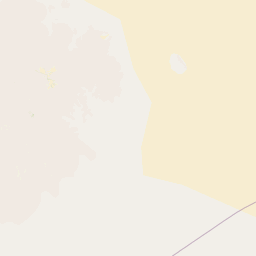
Map view of Aïr and Ténéré National Nature Reserve

Use this park location map to pinpoint Aïr and Ténéré National Nature Reserve in Niger, understand its exact geographic position, and read its mapped placement within the surrounding landscape more clearly.

Pigeon | © OpenStreetMap contributors

Location context for Aïr and Ténéré National Nature Reserve

Arlit Department
Park atlas

Trace adjacent Saharan and Sahelian protected landscapes, comparing mountain ecosystems and vast desert conservation areas.

Discover Other Protected Areas and National Parks Near Aïr and Ténéré National Nature Reserve
Expand your atlas exploration beyond Aïr and Ténéré National Nature Reserve by mapping other protected areas across the vast Saharan and Sahelian regions of Africa, noting how different conservation landscapes compare. Compare adjacent desert reserves, mountain refuges, and unique biodiversity islands to understand the regional spread of protected zones and their distinct ecological features.
National parkNigeria

Kamuku National Park: Nigeria's Protected Savanna Ecosystem and Inselberg Landscape

Explore mapped boundaries and regional geography.

Delve into Kamuku National Park, a significant protected savanna ecosystem in Nigeria, recognized for its unique geological features such as the Goron Dutse inselberg and the Dogon Ruwa Waterfalls. This page offers an atlas-level view of the park's landscape, detailing its protected area status, its role as elephant habitat, and its exceptional biodiversity, providing a comprehensive geographic context for exploration.

Area
1,120 km²
Established
1999
IUCN
II
National parkNiger

W National Park: Niger National Park, UNESCO World Heritage Site & Ramsar Wetland

Transborder savanna ecosystem and dramatic Niger River landscape.

W National Park in Niger offers a unique atlas view of a vast protected landscape defined by the Niger River's iconic W-shaped bend. As a UNESCO World Heritage Site and Ramsar Wetland, it protects crucial savanna plains, extensive floodplains, and rocky outcrops. This transborder conservation area is a vital habitat for West African wildlife, providing a rich context for geographic discovery and landscape exploration.

Area
10,000 km²
Established
1954
IUCN
II
National parkBenin

Pendjari National Park: Exploring Benin's Largest Protected Area and Savanna Landscape

Mapped boundaries and regional geography of a key West African wilderness.

Pendjari National Park is the largest protected area in Benin, safeguarding nearly 2,800 square kilometers of essential West African savanna ecosystem. This national park is a crucial element of the WAP Complex, offering a profound look at one of the region's last viable wilderness expanses. Through its mapped terrain, diverse landscapes from river valleys to mountainous cliffs, and its status as a protected landscape, users gain a deep understanding of its geographic significance and conservation value.

Area
2,755 km²
IUCN
II
National parkBénoué Department

Bénoué National Park: Protected Landscape Atlas in Bénoué Department, Cameroon

Explore savanna woodland, riparian ecosystems, and geographic context.

Bénoué National Park is a vast protected landscape in Cameroon, defined by its Sudanian savanna woodland and significant frontage along the Bénoué River. Recognized as a UNESCO Biosphere Reserve, it offers critical insights into regional geography, habitat diversity, and the broader atlas of conservation lands in West Africa. Users can explore its varied terrain, from riverine zones to higher massifs, gaining a detailed understanding of this important protected area.

Area
1,800 km²
Established
1968
IUCN
II
National parkOyo State

Old Oyo National Park: Mapped Savanna Terrain and Historical Significance in Nigeria

Explore its geographic setting and protected landscape features.

Old Oyo National Park is a prominent national park situated in Nigeria's Oyo State, covering a substantial area of lowland savanna. The park's terrain features include scattered granite outcrops, ridges, and important archaeological sites, remnants of the ancient Oyo Empire. Its mapped geography reveals a dynamic landscape shaped by river systems and elevated formations, offering a unique blend of natural and cultural heritage for dedicated atlas exploration.

Area
2,512 km²
IUCN
II
National parkKara Region

Oti-Kéran National Park: Togo's Vast Protected Savanna Ecosystem and Regional Geography

Explore the mapped terrain and protected landscape of this key national park.

Delve into the geography of Oti-Kéran National Park, Togo's largest national park situated in the Kara Region. This protected savanna landscape, recognized as a Ramsar site, offers insights into its unique sudanian zone terrain, important bird habitats, and its function as a wildlife migration corridor. Understanding its mapped boundaries and ecological significance provides a core piece of the West African protected areas atlas.

Area
690 km²
Established
1950
IUCN
II
Relief
Lowland
National parkBurkina Faso

Kaboré Tambi National Park: Burkina Faso's Largest National Park and Protected Landscape

Explore the mapped savanna and birdwatching geography of this vital West African area.

Kaboré Tambi National Park represents a critical protected area in Burkina Faso, spanning a considerable expanse of Sudan-Guinea savanna. The park's geography is defined by the Nazinon River and a mosaic of woodland and grassland ecosystems, making it a significant site for understanding regional protected lands and landscape ecology. It offers a valuable point of reference for atlas-based exploration of West African natural areas.

Area
1,555 km²
Established
1976
IUCN
II
Relief
Lowland
National parkGuéra Region

Zakouma National Park: Chad's Premier National Park and Protected Landscape

Explore the mapped savanna, acacia forests, and wildlife geography.

Zakouma National Park is Chad's oldest and most ecologically vital protected area, spanning 3,000 square kilometers of Sudano-Sahelian landscape. Situated within the Guéra Region, it is globally recognized for its exceptional Kordofan giraffe population, significant elephant recovery, and ongoing conservation successes, offering a unique view into African wildlife and protected area management.

Area
3,000 km²
Established
1963
IUCN
II

Common questions about visiting, size, designation, and location context for Aïr and Ténéré National Nature Reserve

Aïr and Ténéré National Nature Reserve FAQs for park facts, access, geography, and protected area context
Find quick answers about Aïr and Ténéré National Nature Reserve, including protected-area facts, park geography, trail and visitor context, and how the park fits into its surrounding country and regional landscape.
MoriAtlas Explorer

Continue Your Protected Areas Search Across the Global Atlas

Deepen your exploration by continuing the structured search for national parks and protected areas worldwide. Utilize the comprehensive filtering capabilities to compare different conservation landscapes and refine your understanding of global park geography. Discover more about the distribution and characteristics of protected natural areas.

Global natural geography