
Mori Atlas logo
Nature reserveAjloun Forest Reserve

Discover the mapped boundaries and unique landscape of Ajloun Forest Reserve within Ajloun Governorate.

Ajloun Forest Reserve: Jordan's Premier Nature Reserve and Protected Mediterranean Woodland

Ajloun Forest Reserve represents a vital protected natural area within Jordan's Ajloun Governorate, safeguarding a rare Mediterranean woodland ecosystem. Spanning approximately 13 square kilometres, this nature reserve offers a unique contrast to the region's arid terrain, showcasing rolling hills, valleys, and natural springs that support diverse flora and fauna. As a designated UNESCO biosphere reserve, it highlights significant conservation achievements, including the restoration of roe deer populations and the protection of Jordan's national flower.

Mediterranean woodlandNature reserveBiosphere reserveRoe deer conservationBird habitatNorthern Jordan

Ajloun Forest Reserve

Nature reserve

Park overview

Structured park overview, official facts, and landscape profile for Ajloun Forest Reserve

Ajloun Forest Reserve park facts, protected area profile, and essential visitor context
Review the core facts for Ajloun Forest Reserve, including designation, size, terrain, visitor scale, habitats, and operating context in one park-focused overview.

About Ajloun Forest Reserve

Ajloun Forest Reserve represents a rare Mediterranean ecosystem in Jordan's predominantly arid landscape. Established in 1988 by the Royal Society for the Conservation of Nature, the reserve encompasses approximately 13 square kilometres of rolling hills, valleys, and natural springs in the Ajloun Governorate. The area around the village of Umm Al-Yanabi supports woodlands dominated by evergreen oak, carob, terebinth, and strawberry tree species that are characteristic of Mediterranean climates but extremely rare in Jordan. The reserve serves dual purposes of biodiversity conservation and environmental education, offering visitors hiking trails through its wooded landscapes and providing educational programs for local youth. In October 2018, Ajloun Natural Reserve was recognized among the top 100 sustainable destinations globally, and in 2025 it received UNESCO biosphere reserve designation.

Quick facts and research context for Ajloun Forest Reserve

Ajloun Forest Reserve lies in the Ajloun Governorate of northern Jordan, near the town of Ajloun. The reserve was established in 1988 and covers an area of 13 square kilometres. It is managed by the Royal Society for the Conservation of Nature and was designated a UNESCO biosphere reserve in 2025. The reserve protects Mediterranean woodland habitat and operates a successful captive breeding program for roe deer, a species that was locally extinct in Jordan before reintroduction from Turkey.

Park context

Deeper park guide and search-rich context for Ajloun Forest Reserve

Ajloun Forest Reserve history, landscape, wildlife, and travel context
Explore Ajloun Forest Reserve through its history, landscape character, ecosystems, wildlife, conservation priorities, cultural context, and seasonal travel timing in a structured park guide built for atlas discovery and search intent.

Why Ajloun Forest Reserve stands out

Ajloun Forest Reserve is best known for its role in restoring Jordan's roe deer population through a captive breeding program that has reintroduced the species after local extinction. The reserve is also celebrated for protecting the black iris, Jordan's national flower, and for being recognized as an Important Bird Area by BirdLife International. Its Mediterranean woodland setting makes it one of Jordan's most ecologically distinctive protected areas.

Ajloun Forest Reserve history and protected-area timeline

Ajloun Forest Reserve was established in 1988 by the Royal Society for the Conservation of Nature, Jordan's primary conservation organization. The reserve was created to protect and restore the Mediterranean woodland ecosystem that once covered parts of northern Jordan but had been significantly reduced by desertification and deforestation over the preceding two centuries. The establishment of the reserve represented a focused effort to preserve what remained of Jordan's limited forest cover. The Royal Society for the Conservation of Nature developed the reserve as both a conservation area and a sustainable tourism destination, building infrastructure for visitors including trails and accommodation facilities.

Ajloun Forest Reserve landscape and geographic character

The landscape of Ajloun Forest Reserve consists of rolling hills and valleys characteristic of the Mediterranean highlands in northern Jordan. The terrain features natural springs that support moisture-dependent vegetation in an otherwise region of limited water availability. Unlike much of Jordan which exhibits arid desert or semi-desert characteristics, the reserve's elevation and topography create conditions that support woodland ecosystems. The landscape provides scenic views across the Ajloun Governorate and represents a distinctive green corridor in Jordan's topography.

Ajloun Forest Reserve ecosystems, habitats, and plant life

The Mediterranean woodland ecosystem at Ajloun Forest Reserve supports a diverse array of plant species adapted to the climatic conditions of the region. The reserve's forest cover is dominated by evergreen oak, locally known as Quercus calliprinos, along with carob trees, terebinth, and strawberry trees. The black iris, Jordan's national flower, blooms within the reserve and represents one of its most treasured botanical features. This woodland ecosystem exists within a broader context of limited forest cover in Jordan, making the reserve's preservation efforts particularly significant for the country's ecological diversity.

Ajloun Forest Reserve wildlife and species highlights

Ajloun Forest Reserve supports a variety of mammal species within its protected woodland environment. The reserve is most notably known for its successful captive breeding program for roe deer, a species that had become locally extinct in Jordan before specimens were reintroduced from Turkey. The current population of approximately 12 roe deer represents a conservation success story for the reserve. Additional mammalian species present include wild boar, stone marten, golden jackal, red fox, striped hyena, Persian squirrel, Indian crested porcupine, and wolf. The reserve has also been recognized as an Important Bird Area by BirdLife International, indicating its significance for avian biodiversity.

Ajloun Forest Reserve conservation status and protection priorities

Ajloun Forest Reserve holds significant conservation importance for Jordan as it protects one of the country's rare Mediterranean woodland ecosystems in a nation where forested areas represent only about 1% of total land area. The reserve's captive breeding program for roe deer demonstrates active species recovery efforts, successfully reintroducing a locally extinct mammal to its native range. The designation as an Important Bird Area by BirdLife International acknowledges the reserve's value for avian species conservation. In 2025, the reserve achieved international recognition through UNESCO biosphere reserve designation, placing it among globally significant protected areas. The Royal Society for the Conservation of Nature manages the reserve with ongoing ecological monitoring and restoration programs.

Ajloun Forest Reserve cultural meaning and human context

Ajloun Forest Reserve is situated in the Ajloun region of northern Jordan, an area with historical significance dating to the time of the ancient Ajloun Castle nearby. The reserve lies in the Ajloun Governorate, one of Jordan's administrative divisions in the country's northern highlands. The local community around the village of Umm Al-Yanabi has been involved with the reserve since its establishment. The Royal Society for the Conservation of Nature conducts educational initiatives for local youth that include training in biodiversity monitoring, soil quality assessment, and plant and animal classification.

Top sights and standout views in Ajloun Forest Reserve

Ajloun Forest Reserve offers visitors the opportunity to explore Mediterranean woodland that is unique within Jordan's predominantly desert landscape. The captive breeding program for roe deer represents a tangible conservation achievement, while the presence of the black iris, Jordan's national flower, adds botanical significance. Hiking trails provide access to the reserve's rolling hills and valleys, and visitor accommodations are available between March and November. The UNESCO biosphere reserve designation in 2025 underscores the reserve's international conservation standing.

Best time to visit Ajloun Forest Reserve

The optimal time to visit Ajloun Forest Reserve is during the spring months when the black iris blooms across the reserve, showcasing Jordan's national flower in its natural habitat. Visitor facilities operate from March through November each year. The Mediterranean climate of the reserve makes spring and autumn particularly pleasant for hiking and outdoor exploration, while summer months offer warm conditions suited to the woodland environment.
Park location guide

Geography guide, regional context, and park location map for Ajloun Forest Reserve

Ajloun Forest Reserve park geography, regions, and map view in Jordan
Understand where Ajloun Forest Reserve sits in Jordan through a broader geographic reading of the surrounding landscape, nearby location context, and its mapped position within the national park landscape.

How Ajloun Forest Reserve fits into Jordan

Jordan is a unitary parliamentary constitutional monarchy in the Southern Levant region of West Asia. With a population of approximately 11.5 million and an area of 89,342 km², it borders Syria, Iraq, Saudi Arabia, Israel, and Palestine. The country features diverse geography including the Jordan Rift Valley, the Jordan River, and the Dead Sea. Amman is the capital and largest city.

Wider geography shaping Ajloun Forest Reserve in Jordan

Jordan is located in the Southern Levant of West Asia, bordered by Syria to the north, Iraq to the east, Saudi Arabia to the south, and Israel and Palestine (West Bank) to the west. The Jordan River and Dead Sea lie along its western border within the Jordan Rift Valley. The country has a small coastline on the Red Sea in the southwest, accessed through the Gulf of Aqaba.

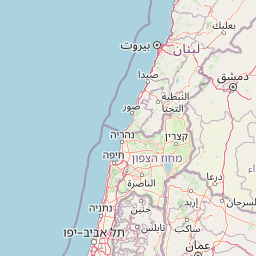
Map view of Ajloun Forest Reserve

Use this park location map to pinpoint Ajloun Forest Reserve in Jordan, understand its exact geographic position, and read its mapped placement within the surrounding landscape more clearly.

Pigeon | © OpenStreetMap contributors

Location context for Ajloun Forest Reserve

Ajloun Governorate
Park atlas

Explore adjacent protected areas and connected conservation landscapes, broadening your geographic view from Ajloun Forest Reserve across northern Jordan.

Discover Nearby Protected Areas and Related Parks to Ajloun Forest Reserve in Northern Jordan
Browse other national parks and protected areas located near Ajloun Forest Reserve, including nearby Mediterranean woodland ecosystems and significant bird habitats in northern Jordan. Deepen your atlas-style exploration by comparing the unique conservation value, landscape features, and regional context of these protected areas with Ajloun Forest Reserve.
National parkIsrael

Bar'am National Park: Preserving Ancient Jewish Heritage and Galilee Landscape

Explore significant Talmudic-era synagogues and borderland geography.

Bar'am National Park is an important archaeological site in Israel's upper Galilee, renowned for its remarkably preserved ancient Jewish synagogues dating to the Talmudic period. These structures represent significant tangible evidence of Jewish religious life and architectural styles from late antiquity. Situated amidst the rolling hills of the Galilee countryside, the park's landscape offers a unique combination of historical reflection and scenic views towards the Lebanese border, making it a key destination for understanding regional heritage and geography.

Relief
Upland
Access
Moderate access
Scope
Terrestrial
Water
No major water
Nature reserveJordan

Wadi Mujib Nature Reserve: Explore Jordan's Dramatic Canyon Protected Landscape

Discover mapped boundaries and arid biodiversity within this unique rift valley gorge.

Wadi Mujib Nature Reserve represents a significant protected landscape in Jordan, celebrated for its deep desert canyon and dramatic slot canyon terrain. Situated in the Dead Sea region, this reserve protects a remarkable range of geography, from its lowest points near the Dead Sea to surrounding mountain terrain. Its status as a UNESCO biosphere reserve highlights its importance for arid biodiversity and its role as a migratory bird flyway, offering a distinct atlas-level discovery of Jordan's natural heritage.

Area
212 km²
Established
1987
IUCN
IV
Relief
Mountain
National parkIsrael

Ashkelon National Park: Ancient Coastal Protected Landscape and Archaeological Atlas

Explore mapped ruins, Fatimid walls, and Mediterranean coastal geography.

Ashkelon National Park in Israel offers a unique dive into ancient urban development, preserving layers of history from multiple civilizations along the Mediterranean coast. This protected area features landmark archaeological discoveries, including the Middle Bronze Age gate and extensive Roman ruins, all situated within a distinct coastal landscape. Understanding its mapped boundaries and the progression of its terrain provides critical context for appreciating this significant heritage site's geographic and historical importance.

IUCN
V
Biosphere reserveLebanon

Aammiq Wetland Biosphere Reserve: Mapping Lebanon's Crucial Freshwater Protected Landscape

Discover its geography, mapped terrain, and role as a biodiversity hotspot.

Aammiq Wetland is Lebanon's most significant freshwater protected area, recognized as a UNESCO Biosphere Reserve and Ramsar site. Its unique geography, characterized by extensive reedbeds and open pools fed by mountain snowmelt, makes it a vital stopover for countless migratory bird species traversing the Middle East. This protected landscape offers rich opportunities for atlas-style exploration, revealing the ecological importance of its mapped terrain and its role as a critical biodiversity hotspot.

Area
2.53 km²
Established
1999
IUCN
IV
National parkIsrael

Ein Avdat National Park: A Spectular Desert Oasis and Protected Landscape in Israel

Explore its unique springs, waterfalls, and ancient Nabatean and Byzantine history.

Ein Avdat National Park showcases a rare desert oasis environment, a starkly beautiful protected landscape where natural springs emerge from the Negev's arid terrain. This park is celebrated for its dramatic waterfalls, deep pools, and the preserved remnants of ancient human habitation, including a remarkable Byzantine cave monastery carved directly into the canyon walls. Its geography, shaped by the Nahal Zin wadi, provides a vivid study in desert ecosystems and their capacity for supporting life and history over millennia, making it a key site for understanding landscape context in Israel.

Area
4.8 km²
IUCN
V
Nature reserveNorth Lebanon Governorate

Tannourine Cedar Forest Nature Reserve: A Premier Protected Cedar Landscape in North Lebanon

Mapped geography of Lebanon's largest cedar forest.

Delve into the Tannourine Cedar Forest Nature Reserve, a protected area critically important for its extensive cedar groves within the North Lebanon Governorate. This nature reserve encompasses a complex mountain geography characterized by deep ravines, imposing cliffs, and secluded caves, providing a dramatic backdrop for its dominant cedar population. Users can explore the mapped boundaries and understand the regional landscape context of this ecologically significant coniferous forest, essential for Lebanon's natural atlas.

Area
1.955 km²
Established
1999
IUCN
IV
Watercolor illustration showing mountains, a reservoir, and green landscape
National parkOsmaniye Province

Karatepe-Aslantaş National Park: A National Park Bridging Ancient History and Natural Geography

Discover its protected landscape and mapped terrain in Osmaniye Province.

Karatepe-Aslantaş National Park stands as Turkey's second national park and its inaugural open-air museum, situated in Osmaniye Province. This protected area is renowned for its significant Neo-Hittite archaeological remnants, including iconic lion statues and the vital Karatepe Bilingual inscription. The park's landscape is characterized by slightly rugged terrain, woodlands, and maquis scrubland, all set against the backdrop of the Aslantaş Dam reservoir, providing a unique geographic context for exploring ancient heritage and natural ecosystems.

Area
41.45 km²
Established
1958
IUCN
II
Relief
Lowland
National parkŞanlıurfa

Tek Tek Mountains National Park: Protected Area with Ancient Ruins in Şanlıurfa, Turkey

Mapped geography and historical landscapes within Turkey's southeastern steppe.

Tek Tek Mountains National Park represents a vital protected area in Şanlıurfa Province, southeastern Turkey. This national park safeguards a unique landscape defined by the Tek Tek mountain range, featuring rugged terrain, rocky outcrops, and semi-arid steppe ecosystems. Beyond its natural beauty, the park is renowned for its significant archaeological heritage, including ancient settlements and religious sites that offer a glimpse into the region's historical depth. MoriAtlas provides a structured atlas view of this protected landscape, detailing its geographic features and its place within the regional context.

Area
193.35 km²
Established
2007
IUCN
II
Relief
Mixed relief

Common questions about visiting, size, designation, and location context for Ajloun Forest Reserve

Ajloun Forest Reserve FAQs for park facts, access, geography, and protected area context
Find quick answers about Ajloun Forest Reserve, including protected-area facts, park geography, trail and visitor context, and how the park fits into its surrounding country and regional landscape.
MoriAtlas Explorer

Continue Your Protected Areas Search Across the Global Atlas

Deepen your exploration by continuing the structured search for national parks and protected areas worldwide. Utilize the comprehensive filtering capabilities to compare different conservation landscapes and refine your understanding of global park geography. Discover more about the distribution and characteristics of protected natural areas.

Global natural geography