Mori Atlas logo
National parkBar'am National Park

Trace the history and geography of this significant protected area in northern Israel.

Bar'am National Park: Ancient Synagogue Remains and Galilee Borderland Landscape

(Gan Leumi Bar'am)

Bar'am National Park offers a unique window into the past within the pastoral highlands of Israel's upper Galilee. This protected landscape preserves the remarkable archaeological remains of two ancient Jewish synagogues from the Talmudic period, standing as tangible evidence of historical Jewish life and religious practice. Situated near the border with Lebanon, the park combines significant heritage sites with panoramic views of the surrounding rolling hills and the mountainous terrain of the Galilee region, providing a rich context for landscape and historical exploration.

archaeological siteancient synagoguesTalmudic periodGalileeheritage parkJewish history

Bar'am National Park

National park

Park overview

Structured park overview, official facts, and landscape profile for Bar'am National Park

Bar'am National Park park facts, protected area profile, and essential visitor context
Review the core facts for Bar'am National Park, including designation, size, terrain, visitor scale, habitats, and operating context in one park-focused overview.

About Bar'am National Park

Bar'am National Park occupies a strategic and historically significant position in the upper Galilee, near the boundary between modern Israel and Lebanon. The park's central archaeological feature is the pair of synagogues that once served the Jewish community of an ancient settlement whose original name has been lost to history. These buildings date from the Talmudic period, the era of the Amoraim, the sages whose discussions and commentaries form the Talmud. The synagogues represent a period when Jewish communities flourished throughout the Galilee, maintaining religious traditions and communal institutions despite challenging historical circumstances. Within the same park boundaries lie the ruins of Kafr Bir'im, a Palestinian village whosedepopulation during the 1948 Arab-Israeli War resulted in the site's current configuration. The park provides a layered historical landscape where different periods of human habitation and use intersect, offering visitors a complex but compelling picture of the region's past.

Quick facts and research context for Bar'am National Park

Bar'am National Park is located in northern Israel's Galilee region, near the Lebanese border, between kibbutz Sasa and moshav Dovev. The park contains two ancient synagogues from the Talmudic period, making it one of the few places where ruins of Jewish houses of worship from late antiquity remain visible. The park is named after Kafr Bir'im, a depopulated Palestinian village whose ruins are also within the park boundaries. The site provides insight into Jewish life in the Galilee during the Talmudic era, with architectural elements still discernible among the remains.

Park context

Deeper park guide and search-rich context for Bar'am National Park

Bar'am National Park history, landscape, wildlife, and travel context
Explore Bar'am National Park through its history, landscape character, ecosystems, wildlife, conservation priorities, cultural context, and seasonal travel timing in a structured park guide built for atlas discovery and search intent.

Why Bar'am National Park stands out

Bar'am National Park is best known for its pair of ancient Jewish synagogues from the Talmudic period, which stand among the most significant surviving examples of Jewish religious architecture from late antiquity in Israel. These structures provide rare archaeological evidence of Jewish community life, liturgical practice, and artistic expression during the centuries when the Talmud was being compiled. The synagogues are noted for their architectural features including stone benches along walls, raised platforms, and decorative elements that reflect the Jewish heritage of the region.

Bar'am National Park history and protected-area timeline

The synagogues at Bar'am were constructed during the Talmudic period, roughly between the 3rd and 6th centuries CE, a time when the Galilee was a heartland of Jewish scholarship and communal life. The ancient village that hosted these synagogues was home to an established Jewish community, known from historical sources as a qahal, a term referring to the organized Jewish congregation. The specific name of this ancient settlement is not recorded in surviving sources, making the archaeological site somewhat enigmatic despite its clear Jewish identity. The subsequent history of the area includes the establishment and long occupation of Kafr Bir'im, a Palestinian village whose ruins now share the park landscape with the ancient synagogues. The village was depopulated during the 1948 Arab-Israeli War, and its remaining structures became part of the protected park area.

Bar'am National Park landscape and geographic character

Bar'am National Park is set in the pastoral highlands of the upper Galilee, a region characterized by gently rolling hills, fertile valleys, and proximity to the mountainous terrain that marks the border zone between Israel and Lebanon. The park's landscape combines the natural beauty of the Galilee countryside with the imposing presence of ancient stone ruins rising from the terrain. The synagogues are built from local stone, and their remains stand as prominent features in the landscape, visible against the backdrop of hills and sky that define the northern Israeli countryside. The area's elevation provides sweeping views toward the Lebanese border region, adding a geographical dimension to the visitor experience.

Bar'am National Park ecosystems, habitats, and plant life

The natural environment of Bar'am National Park reflects the Galilee region's Mediterranean climate and vegetation patterns. The park sits in an area transitional between the coastal plains and the more arid interior, receiving sufficient rainfall to support diverse plant communities including wildflowers, herbs, and native shrubs. The park's archaeological features are surrounded by naturalized terrain where vegetation has reclaimed areas not actively maintained, creating a setting where ancient stones emerge from a living landscape. Birdlife in the area includes species typical of the Galilee highlands, and the open spaces between ruins provide habitat for various small wildlife adapted to the Mediterranean ecosystem.

Bar'am National Park wildlife and species highlights

While Bar'am National Park is not primarily designated as a wildlife preserve, the surrounding Galilee highlands support various animal species typical of the region. The park's combination of open areas, ancient stone structures, and peripheral vegetation creates microhabitats that support small mammals, reptiles, and a diversity of bird species. The agricultural lands surrounding the park provide additional habitat for species adapted to farmed landscapes. The area's position near the Lebanon border places it within broader ecological corridors that connect wildlife populations across the regional landscape.

Bar'am National Park conservation status and protection priorities

Bar'am National Park serves a conservation function by preserving archaeological heritage that might otherwise be lost to development, neglect, or looting. The protection of the synagogue ruins ensures that these rare examples of Talmudic-era Jewish architecture remain accessible for study and public appreciation. The park also preserves the physical remnants of Kafr Bir'im, maintaining historical evidence of the region's pre-1948 landscape. The dual heritage conservation mandate, encompassing both ancient Jewish and more recent Palestinian historical layers, reflects the complex nature of Israeli heritage management in contested historical landscapes.

Bar'am National Park cultural meaning and human context

Bar'am National Park occupies a culturally significant position at the intersection of Jewish historical memory and more recent Palestinian heritage. The ancient synagogues represent a period when the Galilee was a major center of Jewish religious and intellectual life, with the Talmudic sages of the Amoraim period establishing institutions that would shape Jewish tradition for millennia. The presence of Kafr Bir'im within the park boundaries adds a layer of 20th-century history, representing the Palestinian villages that existed in the region before 1948. This dual heritage creates a site where different historical narratives and community memories converge, making the park meaningful beyond its archaeological significance alone.

Top sights and standout views in Bar'am National Park

The twin synagogues of Bar'am, dating from the Talmudic period, stand as the park's primary attractions, offering visitors a direct connection to Jewish life in the Galilee during late antiquity. The architectural remains, including stone benches, raised platforms, and decorative carved elements, provide tangible evidence of how ancient Jewish communities organized their sacred spaces. The panoramic views from the park toward the Lebanese border add a geographical dimension to the visit, while the layered history encompassing both ancient Jewish and more recent Palestinian heritage creates a site of broader historical interest.

Best time to visit Bar'am National Park

The best time to visit Bar'am National Park is during the spring and autumn months when temperatures are moderate and the landscape displays the natural beauty of the Galilee region. Spring brings wildflowers to the surrounding fields, while autumn offers pleasant hiking conditions and the harvest colors of the agricultural landscape. Summer visits are possible but can be hot, while winter may see reduced accessibility due to rainfall. The park's outdoor nature makes it suitable for visits during clear weather throughout the open season.
Park location guide

Geography guide, regional context, and park location map for Bar'am National Park

Bar'am National Park park geography, regions, and map view in Israel
Understand where Bar'am National Park sits in Israel through a broader geographic reading of the surrounding landscape, nearby location context, and its mapped position within the national park landscape.

How Bar'am National Park fits into Israel

Israel is a parliamentary republic in the Southern Levant, established in 1948 as a Jewish homeland. It borders Lebanon, Syria, Jordan, and Egypt, with Mediterranean coastline and access to the Red Sea. Jerusalem is the capital, though its status is contested, while Tel Aviv is the largest urban area. The country has a high-income economy with strong technology and innovation sectors.

Wider geography shaping Bar'am National Park in Israel

Israel occupies the Southern Levant region of West Asia. It is bordered by Lebanon to the north, Syria to the northeast, Jordan to the east, and Egypt to the southwest. The western coast lies on the Mediterranean Sea, while the southern tip reaches the Red Sea. The eastern border includes the Dead Sea, Earth's lowest point. The country occupies the West Bank, Gaza Strip, and Golan Heights.

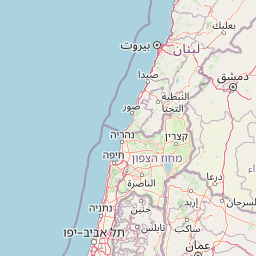
Map view of Bar'am National Park

Use this park location map to pinpoint Bar'am National Park in Israel, understand its exact geographic position, and read its mapped placement within the surrounding landscape more clearly.

Pigeon | © OpenStreetMap contributors

Location context for Bar'am National Park

Northern District
Park atlas

Browse the mapped geography of protected areas, ancient sites, and heritage parks across the Upper Galilee.

Explore Nearby Protected Landscapes and National Parks Around Bar'am National Park
Discover additional national parks and protected areas across the Upper Galilee region, featuring varied landscapes and important heritage sites adjacent to Bar'am National Park. Compare different conservation efforts and archaeological discoveries within the same geographic context, enriching your understanding of the regional protected landscape spread and historical layers.
Nature reserveAjloun Governorate

Ajloun Forest Reserve: A Protected Mediterranean Woodland in Jordan's Ajloun Governorate

Explore the unique protected landscape and mapped terrain of Ajloun Forest Reserve.

Ajloun Forest Reserve is a nature reserve located in Jordan's Ajloun Governorate, distinguished by its rare Mediterranean woodland ecosystem. This protected area provides crucial habitat and showcases a landscape of rolling hills and valleys, offering a stark contrast to the country's predominantly arid regions. Its designation as a UNESCO biosphere reserve underscores its importance for conservation, including efforts in roe deer restoration and the preservation of the black iris, Jordan's national flower. Discover the geographic context and protected nature of this significant Jordanian landscape.

Area
13 km²
Established
1988
IUCN
IV
Biosphere reserveLebanon

Aammiq Wetland Biosphere Reserve: Mapping Lebanon's Crucial Freshwater Protected Landscape

Discover its geography, mapped terrain, and role as a biodiversity hotspot.

Aammiq Wetland is Lebanon's most significant freshwater protected area, recognized as a UNESCO Biosphere Reserve and Ramsar site. Its unique geography, characterized by extensive reedbeds and open pools fed by mountain snowmelt, makes it a vital stopover for countless migratory bird species traversing the Middle East. This protected landscape offers rich opportunities for atlas-style exploration, revealing the ecological importance of its mapped terrain and its role as a critical biodiversity hotspot.

Area
2.53 km²
Established
1999
IUCN
IV
Nature reserveNorth Lebanon Governorate

Tannourine Cedar Forest Nature Reserve: A Premier Protected Cedar Landscape in North Lebanon

Mapped geography of Lebanon's largest cedar forest.

Delve into the Tannourine Cedar Forest Nature Reserve, a protected area critically important for its extensive cedar groves within the North Lebanon Governorate. This nature reserve encompasses a complex mountain geography characterized by deep ravines, imposing cliffs, and secluded caves, providing a dramatic backdrop for its dominant cedar population. Users can explore the mapped boundaries and understand the regional landscape context of this ecologically significant coniferous forest, essential for Lebanon's natural atlas.

Area
1.955 km²
Established
1999
IUCN
IV
National parkIsrael

Ashkelon National Park: Ancient Coastal Protected Landscape and Archaeological Atlas

Explore mapped ruins, Fatimid walls, and Mediterranean coastal geography.

Ashkelon National Park in Israel offers a unique dive into ancient urban development, preserving layers of history from multiple civilizations along the Mediterranean coast. This protected area features landmark archaeological discoveries, including the Middle Bronze Age gate and extensive Roman ruins, all situated within a distinct coastal landscape. Understanding its mapped boundaries and the progression of its terrain provides critical context for appreciating this significant heritage site's geographic and historical importance.

IUCN
V
Nature reserveJordan

Wadi Mujib Nature Reserve: Explore Jordan's Dramatic Canyon Protected Landscape

Discover mapped boundaries and arid biodiversity within this unique rift valley gorge.

Wadi Mujib Nature Reserve represents a significant protected landscape in Jordan, celebrated for its deep desert canyon and dramatic slot canyon terrain. Situated in the Dead Sea region, this reserve protects a remarkable range of geography, from its lowest points near the Dead Sea to surrounding mountain terrain. Its status as a UNESCO biosphere reserve highlights its importance for arid biodiversity and its role as a migratory bird flyway, offering a distinct atlas-level discovery of Jordan's natural heritage.

Area
212 km²
Established
1987
IUCN
IV
Relief
Mountain
National parkIsrael

Ein Avdat National Park: A Spectular Desert Oasis and Protected Landscape in Israel

Explore its unique springs, waterfalls, and ancient Nabatean and Byzantine history.

Ein Avdat National Park showcases a rare desert oasis environment, a starkly beautiful protected landscape where natural springs emerge from the Negev's arid terrain. This park is celebrated for its dramatic waterfalls, deep pools, and the preserved remnants of ancient human habitation, including a remarkable Byzantine cave monastery carved directly into the canyon walls. Its geography, shaped by the Nahal Zin wadi, provides a vivid study in desert ecosystems and their capacity for supporting life and history over millennia, making it a key site for understanding landscape context in Israel.

Area
4.8 km²
IUCN
V
Watercolor illustration showing mountains, a reservoir, and green landscape
National parkOsmaniye Province

Karatepe-Aslantaş National Park: A National Park Bridging Ancient History and Natural Geography

Discover its protected landscape and mapped terrain in Osmaniye Province.

Karatepe-Aslantaş National Park stands as Turkey's second national park and its inaugural open-air museum, situated in Osmaniye Province. This protected area is renowned for its significant Neo-Hittite archaeological remnants, including iconic lion statues and the vital Karatepe Bilingual inscription. The park's landscape is characterized by slightly rugged terrain, woodlands, and maquis scrubland, all set against the backdrop of the Aslantaş Dam reservoir, providing a unique geographic context for exploring ancient heritage and natural ecosystems.

Area
41.45 km²
Established
1958
IUCN
II
Relief
Lowland
National parkTurkey

Aladağlar National Park: Turkey's Dramatic Alpine Protected Landscape

Rugged terrain and crimson peaks in the Anti-Taurus Mountains.

Delve into Aladağlar National Park, a significant protected area defined by its striking alpine environment within Turkey's Anti-Taurus range. This park is renowned for its rugged, high-altitude wilderness, characterized by dramatic granite peaks that display a unique crimson coloration, especially at sunset. Its landscape features steep valleys, alpine lakes formed from snowmelt, and challenging mountaineering opportunities. MoriAtlas offers detailed map context to appreciate the geographic distinctiveness and ecological importance of this elevated protected terrain.

Area
550.65 km²
Established
1995
IUCN
II
Relief
Mountain

Common questions about visiting, size, designation, and location context for Bar'am National Park

Bar'am National Park FAQs for park facts, access, geography, and protected area context
Find quick answers about Bar'am National Park, including protected-area facts, park geography, trail and visitor context, and how the park fits into its surrounding country and regional landscape.
MoriAtlas Explorer

Continue Your Protected Areas Search Across the Global Atlas

Deepen your exploration by continuing the structured search for national parks and protected areas worldwide. Utilize the comprehensive filtering capabilities to compare different conservation landscapes and refine your understanding of global park geography. Discover more about the distribution and characteristics of protected natural areas.

Global natural geography