Why Aammiq Wetland stands out
Aammiq Wetland is best known as a globally significant bird migration corridor and a biodiversity hotspot in the Middle East. The wetland sits on one of the world's most important flyways for migratory birds, with over 250 species recorded including vulnerable species such as the greater spotted eagle, eastern imperial eagle, and lesser kestrel. The site hosts globally near-threatened species including great snipe, ferruginous duck, and pallid harrier. Waterbird congregations include white storks and lesser spotted eagles passing in flocks of hundreds during migration. The wetland also supports remarkable mammalian diversity with 23 species recorded, including European otter, jungle cat, and mountain gazelle.
Aammiq Wetland history and protected-area timeline
Aammiq Wetland's history is closely tied to the broader transformation of the Bekaa Valley, which once contained extensive marshes and lakes that have been largely drained over the past century. The wetland has been formally protected since 1999 when it was designated as a Ramsar Convention site, receiving reference number 978. Prior to this, it was recognized as an Important Bird Area by BirdLife International in 1994 and included in the Directory of Wetlands in the Middle East published by IUCN in 1995. In 2005, the wetland was designated as a UNESCO Biosphere Reserve alongside the Al Shouf Cedar Nature Reserve, recognizing its dual ecological and cultural significance. The conservation organization A Rocha Lebanon has played a central role in studying and protecting the wetland since establishing its operations in 1996, conducting scientific research and environmental education programs that have significantly advanced knowledge of the site's biodiversity.
Aammiq Wetland landscape and geographic character
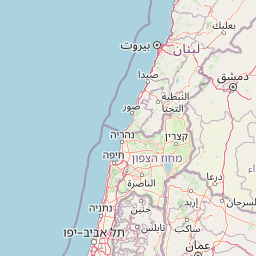
The physical landscape of Aammiq Wetland consists of a long, narrow strip of freshwater habitat extending from the foot of the Barouk mountain ridge eastward to the Litani River. The main wetland area comprises reedbeds and open pools covering approximately 253 hectares. The surrounding terrain includes rough grazing land and cultivated agricultural fields, while drainage ditches and an avenue of trees add to the habitat diversity. To the west, the Barouk mountain ridge rises sharply, capturing rain and snow that feed the wetland system. On the nearby mountain slopes, small wooded areas and rocky shrubland create additional ecological zones. The landscape creates a transition zone between the wetland ecosystem and the drier agricultural and mountainous terrain beyond, contributing to the site's ecological complexity.
Aammiq Wetland ecosystems, habitats, and plant life
Aammiq Wetland supports a rich tapestry of interconnected habitats that create exceptional ecological diversity within a relatively compact area. The central freshwater marsh contains extensive reedbeds and open water pools that provide critical habitat for waterbirds, amphibians, and wetland-dependent species. The surrounding agricultural land, rough grazing areas, and drainage ditches offer additional habitats, while the adjacent mountain slopes contain wooded areas and rocky shrubland. This mosaic of habitats supports remarkable biodiversity, with the wetland serving as both a breeding ground and a crucial migratory stopover along the East Atlantic flyway. The diversity of habitats within a relatively small area makes the site particularly valuable for conservation, supporting species with different ecological requirements.
Aammiq Wetland wildlife and species highlights
Aammiq Wetland hosts exceptional wildlife diversity across multiple taxonomic groups. The bird fauna is particularly impressive, with nearly 260 species recorded including significant populations of migratory raptors. Notable species include the globally vulnerable greater spotted eagle and eastern imperial eagle, along with the lesser kestrel. The wetland supports near-threatened species such as great snipe, ferruginous duck, and pallid harrier. Waterbirds include pygmy cormorant, great white pelican, greater flamingo, common crane, and numerous duck species. Mammal diversity includes 23 species such as European otter, jungle cat, gray wolf, red fox, striped hyena, mountain gazelle, and wild boar. The site supports five amphibian species including Mediterranean tree frog and European green toad, twelve reptile species including Levant viper, and approximately 53 butterfly species. Dragonfly diversity includes both damselflies and dragonflies such as emperor dragonfly and scarlet dragonfly.
Aammiq Wetland conservation status and protection priorities
Aammiq Wetland holds significant conservation importance at both national and international levels. As Lebanon's largest remaining freshwater wetland, it represents a critical stronghold for wetland biodiversity in a region where such habitats have been severely reduced. The site has received formal international recognition through its designation as a Ramsar Convention site, its recognition as an Important Bird Area by BirdLife International, and its inclusion in the UNESCO Biosphere Reserve network. These designations reflect the wetland's role as a vital stopover for migratory birds along one of the world's major flyways. Water buffalo have been introduced as a conservation management tool to maintain vegetation structure and wetland health through controlled grazing. Scientific studies conducted by A Rocha Lebanon since 1996 have greatly advanced understanding of migratory raptors and other biodiversity in the region. The environmental education program established in 1998 has helped build local awareness and support for conservation.
Aammiq Wetland cultural meaning and human context
Aammiq Wetland is situated near the village of Aammiq in the Bekaa Valley, a region with long agricultural traditions. The wetland has historically been part of the broader Bekaa Valley ecosystem, which has been cultivated for millennia. The surrounding farmland and traditional land use practices have shaped the landscape around the wetland, creating the mosaic of habitats that exists today. The village of Aammiq lies close to the wetland, with woods behind the village providing habitat for species such as Syrian woodpecker and Syrian serin. Archaeological studies including pollen core analysis have been conducted at the site, indicating long-term human presence in the area. The wetland's designation as part of a UNESCO Biosphere Reserve recognizes the integration of natural and cultural values in the landscape.
Top sights and standout views in Aammiq Wetland
Aammiq Wetland stands as Lebanon's premier birdwatching destination, with migratory raptors including white storks and lesser spotted eagles passing through in spectacular flocks. The wetland's status as a Ramsar site and UNESCO Biosphere Reserve underscores its international conservation significance. The diversity of habitats within a relatively compact area supports exceptional biodiversity including nearly 260 bird species, 23 mammals, and diverse amphibians, reptiles, and invertebrates. The presence of water buffalo grazing helps maintain the wetland's ecological character. The site serves as a living laboratory thanks to ongoing research by A Rocha Lebanon, which has conducted scientific studies and environmental education programs at the site since the late 1990s.
Best time to visit Aammiq Wetland
Aammiq Wetland offers rewarding birdwatching opportunities throughout the year, though spring and autumn migration periods are particularly significant. During spring migration, numerous passerines pass through the area while larger birds like white storks and lesser spotted eagles can be observed in large flocks. Autumn migration also brings substantial bird activity as species return south. Summer brings breeding activity and opportunities to observe resident species, while winter provides a different character with the wetland hosting overwintering waterfowl. The surrounding hillsides in spring and summer host diverse breeding birds including buntings, wheatears, warblers, and shrikes. The best overall experience typically comes during the migration seasons when the wetland's role as a flyway is most evident.