Mori Atlas logo
Biosphere reserveAammiq Wetland

Mapping Lebanon's largest remaining freshwater wetland and critical bird migration stopover.

Aammiq Wetland Biosphere Reserve: A Vital Protected Landscape in Lebanon's Geography

(Ammiq Wetland)

Aammiq Wetland, situated in Lebanon's Bekaa Valley, represents a crucial protected landscape and the country's largest freshwater marsh. This UNESCO Biosphere Reserve, spanning roughly 253 hectares of reedbeds and open pools, is fed by the Barouk mountain's snowmelt and lies east towards the Litani River. As a key stopover on a major global bird migration route, its mapped geography supports exceptional biodiversity and offers rich context for understanding protected areas in the Middle East.

wetlandsbird migrationRamsar sitebiodiversity hotspotUNESCO Biosphere ReserveMiddle East

Aammiq Wetland

Biosphere reserve

Park overview

Structured park overview, official facts, and landscape profile for Aammiq Wetland

Aammiq Wetland park facts, protected area profile, and essential visitor context
Review the core facts for Aammiq Wetland, including designation, size, terrain, visitor scale, habitats, and operating context in one park-focused overview.

About Aammiq Wetland

Aammiq Wetland represents one of Lebanon's most important ecological treasures, serving as the country's largest remaining freshwater marsh and a critical node in the Middle Eastern wetland network. The wetland's location in the Bekaa Valley places it at the crossroads of different ecological zones, combining lowland freshwater habitats with access to mountainous terrain. The site has suffered significant reduction from its historical extent, as much of the original marshes and lakes in the valley have been drained for agriculture and development. What remains constitutes a vital refuge for biodiversity and an essential ecological corridor for migratory species. The wetland's designation as both a Ramsar site and a UNESCO Biosphere Reserve reflects its international significance and the commitment to its conservation. Surrounding the reedbeds and open pools are areas of rough grazing, cultivated farmland, and drainage ditches, while the nearby mountain slopes support small wooded areas and rocky shrubland, creating an ecologically diverse mosaic that enhances the wetland's conservation value.

Quick facts and research context for Aammiq Wetland

Aammiq Wetland spans 253 hectares along the Litani River in the Bekaa Valley, making it Lebanon's largest remaining freshwater marsh. The wetland was designated a Ramsar site in 1999 and was recognized as an Important Bird Area by BirdLife International in 1994. It forms part of a UNESCO Biosphere Reserve established in 2005. The surrounding landscape includes rough grazing land, cultivated fields, drainage ditches, and wooded areas on nearby mountain slopes, creating a diverse mosaic of habitats. Water buffalo have been introduced to help maintain the vegetation cover and wetland health.

Park context

Deeper park guide and search-rich context for Aammiq Wetland

Aammiq Wetland history, landscape, wildlife, and travel context
Explore Aammiq Wetland through its history, landscape character, ecosystems, wildlife, conservation priorities, cultural context, and seasonal travel timing in a structured park guide built for atlas discovery and search intent.

Why Aammiq Wetland stands out

Aammiq Wetland is best known as a globally significant bird migration corridor and a biodiversity hotspot in the Middle East. The wetland sits on one of the world's most important flyways for migratory birds, with over 250 species recorded including vulnerable species such as the greater spotted eagle, eastern imperial eagle, and lesser kestrel. The site hosts globally near-threatened species including great snipe, ferruginous duck, and pallid harrier. Waterbird congregations include white storks and lesser spotted eagles passing in flocks of hundreds during migration. The wetland also supports remarkable mammalian diversity with 23 species recorded, including European otter, jungle cat, and mountain gazelle.

Aammiq Wetland history and protected-area timeline

Aammiq Wetland's history is closely tied to the broader transformation of the Bekaa Valley, which once contained extensive marshes and lakes that have been largely drained over the past century. The wetland has been formally protected since 1999 when it was designated as a Ramsar Convention site, receiving reference number 978. Prior to this, it was recognized as an Important Bird Area by BirdLife International in 1994 and included in the Directory of Wetlands in the Middle East published by IUCN in 1995. In 2005, the wetland was designated as a UNESCO Biosphere Reserve alongside the Al Shouf Cedar Nature Reserve, recognizing its dual ecological and cultural significance. The conservation organization A Rocha Lebanon has played a central role in studying and protecting the wetland since establishing its operations in 1996, conducting scientific research and environmental education programs that have significantly advanced knowledge of the site's biodiversity.

Aammiq Wetland landscape and geographic character

The physical landscape of Aammiq Wetland consists of a long, narrow strip of freshwater habitat extending from the foot of the Barouk mountain ridge eastward to the Litani River. The main wetland area comprises reedbeds and open pools covering approximately 253 hectares. The surrounding terrain includes rough grazing land and cultivated agricultural fields, while drainage ditches and an avenue of trees add to the habitat diversity. To the west, the Barouk mountain ridge rises sharply, capturing rain and snow that feed the wetland system. On the nearby mountain slopes, small wooded areas and rocky shrubland create additional ecological zones. The landscape creates a transition zone between the wetland ecosystem and the drier agricultural and mountainous terrain beyond, contributing to the site's ecological complexity.

Aammiq Wetland ecosystems, habitats, and plant life

Aammiq Wetland supports a rich tapestry of interconnected habitats that create exceptional ecological diversity within a relatively compact area. The central freshwater marsh contains extensive reedbeds and open water pools that provide critical habitat for waterbirds, amphibians, and wetland-dependent species. The surrounding agricultural land, rough grazing areas, and drainage ditches offer additional habitats, while the adjacent mountain slopes contain wooded areas and rocky shrubland. This mosaic of habitats supports remarkable biodiversity, with the wetland serving as both a breeding ground and a crucial migratory stopover along the East Atlantic flyway. The diversity of habitats within a relatively small area makes the site particularly valuable for conservation, supporting species with different ecological requirements.

Aammiq Wetland wildlife and species highlights

Aammiq Wetland hosts exceptional wildlife diversity across multiple taxonomic groups. The bird fauna is particularly impressive, with nearly 260 species recorded including significant populations of migratory raptors. Notable species include the globally vulnerable greater spotted eagle and eastern imperial eagle, along with the lesser kestrel. The wetland supports near-threatened species such as great snipe, ferruginous duck, and pallid harrier. Waterbirds include pygmy cormorant, great white pelican, greater flamingo, common crane, and numerous duck species. Mammal diversity includes 23 species such as European otter, jungle cat, gray wolf, red fox, striped hyena, mountain gazelle, and wild boar. The site supports five amphibian species including Mediterranean tree frog and European green toad, twelve reptile species including Levant viper, and approximately 53 butterfly species. Dragonfly diversity includes both damselflies and dragonflies such as emperor dragonfly and scarlet dragonfly.

Aammiq Wetland conservation status and protection priorities

Aammiq Wetland holds significant conservation importance at both national and international levels. As Lebanon's largest remaining freshwater wetland, it represents a critical stronghold for wetland biodiversity in a region where such habitats have been severely reduced. The site has received formal international recognition through its designation as a Ramsar Convention site, its recognition as an Important Bird Area by BirdLife International, and its inclusion in the UNESCO Biosphere Reserve network. These designations reflect the wetland's role as a vital stopover for migratory birds along one of the world's major flyways. Water buffalo have been introduced as a conservation management tool to maintain vegetation structure and wetland health through controlled grazing. Scientific studies conducted by A Rocha Lebanon since 1996 have greatly advanced understanding of migratory raptors and other biodiversity in the region. The environmental education program established in 1998 has helped build local awareness and support for conservation.

Aammiq Wetland cultural meaning and human context

Aammiq Wetland is situated near the village of Aammiq in the Bekaa Valley, a region with long agricultural traditions. The wetland has historically been part of the broader Bekaa Valley ecosystem, which has been cultivated for millennia. The surrounding farmland and traditional land use practices have shaped the landscape around the wetland, creating the mosaic of habitats that exists today. The village of Aammiq lies close to the wetland, with woods behind the village providing habitat for species such as Syrian woodpecker and Syrian serin. Archaeological studies including pollen core analysis have been conducted at the site, indicating long-term human presence in the area. The wetland's designation as part of a UNESCO Biosphere Reserve recognizes the integration of natural and cultural values in the landscape.

Top sights and standout views in Aammiq Wetland

Aammiq Wetland stands as Lebanon's premier birdwatching destination, with migratory raptors including white storks and lesser spotted eagles passing through in spectacular flocks. The wetland's status as a Ramsar site and UNESCO Biosphere Reserve underscores its international conservation significance. The diversity of habitats within a relatively compact area supports exceptional biodiversity including nearly 260 bird species, 23 mammals, and diverse amphibians, reptiles, and invertebrates. The presence of water buffalo grazing helps maintain the wetland's ecological character. The site serves as a living laboratory thanks to ongoing research by A Rocha Lebanon, which has conducted scientific studies and environmental education programs at the site since the late 1990s.

Best time to visit Aammiq Wetland

Aammiq Wetland offers rewarding birdwatching opportunities throughout the year, though spring and autumn migration periods are particularly significant. During spring migration, numerous passerines pass through the area while larger birds like white storks and lesser spotted eagles can be observed in large flocks. Autumn migration also brings substantial bird activity as species return south. Summer brings breeding activity and opportunities to observe resident species, while winter provides a different character with the wetland hosting overwintering waterfowl. The surrounding hillsides in spring and summer host diverse breeding birds including buntings, wheatears, warblers, and shrikes. The best overall experience typically comes during the migration seasons when the wetland's role as a flyway is most evident.
Park location guide

Geography guide, regional context, and park location map for Aammiq Wetland

Aammiq Wetland park geography, regions, and map view in Lebanon
Understand where Aammiq Wetland sits in Lebanon through a broader geographic reading of the surrounding landscape, nearby location context, and its mapped position within the national park landscape.

How Aammiq Wetland fits into Lebanon

Lebanon is a unitary parliamentary republic under confessionalism with a population of over 5 million. Located on the Mediterranean coast at the crossroads of ancient trade routes, it has a diverse religious composition with Islam and Christianity as the main faiths. The country has historical roots dating to Phoenicia and has been ruled by Romans, Byzantines, Ottoman Empire, and France.

Wider geography shaping Aammiq Wetland in Lebanon

Lebanon is located in the Levant region of West Asia on the eastern Mediterranean coast. It is bordered by Syria to the north and east, Israel to the south, and the Mediterranean Sea to the west. The country has a small territory of 10,452 square kilometres, with a narrow coastal plain and mountainous interior including the Lebanon Mountains.

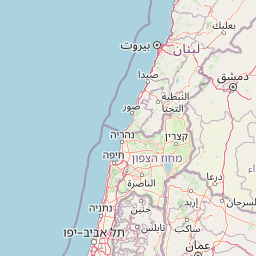
Map view of Aammiq Wetland

Use this park location map to pinpoint Aammiq Wetland in Lebanon, understand its exact geographic position, and read its mapped placement within the surrounding landscape more clearly.

Pigeon | © OpenStreetMap contributors

Location context for Aammiq Wetland

Bekaa Valley
Park atlas

Map diverse protected landscapes, wetlands, and mountain regions linked to Aammiq Wetland in Lebanon.

Discover Nearby Protected Areas and National Parks Surrounding Aammiq Wetland
Continue your geographic discovery from Aammiq Wetland by exploring other protected areas and national parks across Lebanon's diverse landscapes and the Bekaa Valley region. Compare varied conservation landscapes, mountain ecosystems, and wetland habitats to trace interconnected protected areas within the Middle East, gaining deeper atlas context.
Nature reserveNorth Lebanon Governorate

Tannourine Cedar Forest Nature Reserve: A Premier Protected Cedar Landscape in North Lebanon

Mapped geography of Lebanon's largest cedar forest.

Delve into the Tannourine Cedar Forest Nature Reserve, a protected area critically important for its extensive cedar groves within the North Lebanon Governorate. This nature reserve encompasses a complex mountain geography characterized by deep ravines, imposing cliffs, and secluded caves, providing a dramatic backdrop for its dominant cedar population. Users can explore the mapped boundaries and understand the regional landscape context of this ecologically significant coniferous forest, essential for Lebanon's natural atlas.

Area
1.955 km²
Established
1999
IUCN
IV
National parkIsrael

Bar'am National Park: Preserving Ancient Jewish Heritage and Galilee Landscape

Explore significant Talmudic-era synagogues and borderland geography.

Bar'am National Park is an important archaeological site in Israel's upper Galilee, renowned for its remarkably preserved ancient Jewish synagogues dating to the Talmudic period. These structures represent significant tangible evidence of Jewish religious life and architectural styles from late antiquity. Situated amidst the rolling hills of the Galilee countryside, the park's landscape offers a unique combination of historical reflection and scenic views towards the Lebanese border, making it a key destination for understanding regional heritage and geography.

Relief
Upland
Access
Moderate access
Scope
Terrestrial
Water
No major water
Nature reserveAjloun Governorate

Ajloun Forest Reserve: A Protected Mediterranean Woodland in Jordan's Ajloun Governorate

Explore the unique protected landscape and mapped terrain of Ajloun Forest Reserve.

Ajloun Forest Reserve is a nature reserve located in Jordan's Ajloun Governorate, distinguished by its rare Mediterranean woodland ecosystem. This protected area provides crucial habitat and showcases a landscape of rolling hills and valleys, offering a stark contrast to the country's predominantly arid regions. Its designation as a UNESCO biosphere reserve underscores its importance for conservation, including efforts in roe deer restoration and the preservation of the black iris, Jordan's national flower. Discover the geographic context and protected nature of this significant Jordanian landscape.

Area
13 km²
Established
1988
IUCN
IV
Nature reserveJordan

Wadi Mujib Nature Reserve: Explore Jordan's Dramatic Canyon Protected Landscape

Discover mapped boundaries and arid biodiversity within this unique rift valley gorge.

Wadi Mujib Nature Reserve represents a significant protected landscape in Jordan, celebrated for its deep desert canyon and dramatic slot canyon terrain. Situated in the Dead Sea region, this reserve protects a remarkable range of geography, from its lowest points near the Dead Sea to surrounding mountain terrain. Its status as a UNESCO biosphere reserve highlights its importance for arid biodiversity and its role as a migratory bird flyway, offering a distinct atlas-level discovery of Jordan's natural heritage.

Area
212 km²
Established
1987
IUCN
IV
Relief
Mountain
National parkIsrael

Ashkelon National Park: Ancient Coastal Protected Landscape and Archaeological Atlas

Explore mapped ruins, Fatimid walls, and Mediterranean coastal geography.

Ashkelon National Park in Israel offers a unique dive into ancient urban development, preserving layers of history from multiple civilizations along the Mediterranean coast. This protected area features landmark archaeological discoveries, including the Middle Bronze Age gate and extensive Roman ruins, all situated within a distinct coastal landscape. Understanding its mapped boundaries and the progression of its terrain provides critical context for appreciating this significant heritage site's geographic and historical importance.

IUCN
V
National parkIsrael

Ein Avdat National Park: A Spectular Desert Oasis and Protected Landscape in Israel

Explore its unique springs, waterfalls, and ancient Nabatean and Byzantine history.

Ein Avdat National Park showcases a rare desert oasis environment, a starkly beautiful protected landscape where natural springs emerge from the Negev's arid terrain. This park is celebrated for its dramatic waterfalls, deep pools, and the preserved remnants of ancient human habitation, including a remarkable Byzantine cave monastery carved directly into the canyon walls. Its geography, shaped by the Nahal Zin wadi, provides a vivid study in desert ecosystems and their capacity for supporting life and history over millennia, making it a key site for understanding landscape context in Israel.

Area
4.8 km²
IUCN
V
Watercolor illustration showing mountains, a reservoir, and green landscape
National parkOsmaniye Province

Karatepe-Aslantaş National Park: A National Park Bridging Ancient History and Natural Geography

Discover its protected landscape and mapped terrain in Osmaniye Province.

Karatepe-Aslantaş National Park stands as Turkey's second national park and its inaugural open-air museum, situated in Osmaniye Province. This protected area is renowned for its significant Neo-Hittite archaeological remnants, including iconic lion statues and the vital Karatepe Bilingual inscription. The park's landscape is characterized by slightly rugged terrain, woodlands, and maquis scrubland, all set against the backdrop of the Aslantaş Dam reservoir, providing a unique geographic context for exploring ancient heritage and natural ecosystems.

Area
41.45 km²
Established
1958
IUCN
II
Relief
Lowland
National parkTurkey

Aladağlar National Park: Turkey's Dramatic Alpine Protected Landscape

Rugged terrain and crimson peaks in the Anti-Taurus Mountains.

Delve into Aladağlar National Park, a significant protected area defined by its striking alpine environment within Turkey's Anti-Taurus range. This park is renowned for its rugged, high-altitude wilderness, characterized by dramatic granite peaks that display a unique crimson coloration, especially at sunset. Its landscape features steep valleys, alpine lakes formed from snowmelt, and challenging mountaineering opportunities. MoriAtlas offers detailed map context to appreciate the geographic distinctiveness and ecological importance of this elevated protected terrain.

Area
550.65 km²
Established
1995
IUCN
II
Relief
Mountain

Common questions about visiting, size, designation, and location context for Aammiq Wetland

Aammiq Wetland FAQs for park facts, access, geography, and protected area context
Find quick answers about Aammiq Wetland, including protected-area facts, park geography, trail and visitor context, and how the park fits into its surrounding country and regional landscape.
MoriAtlas Explorer

Continue Your Protected Areas Search Across the Global Atlas

Deepen your exploration by continuing the structured search for national parks and protected areas worldwide. Utilize the comprehensive filtering capabilities to compare different conservation landscapes and refine your understanding of global park geography. Discover more about the distribution and characteristics of protected natural areas.

Global natural geography