Mori Atlas logo
Nature reserveTannourine Cedar Forest Nature Reserve

Discover the geography and ecological importance of Lebanon's densest cedar forest.

Tannourine Cedar Forest Nature Reserve: Mapped Protected Landscape in North Lebanon Governorate

The Tannourine Cedar Forest Nature Reserve represents a vital protected landscape within Lebanon's mountainous terrain, celebrated for hosting the nation's largest and most dense concentration of iconic Cedrus libani trees. Situated in the North Lebanon Governorate at significant altitudes, this nature reserve spans approximately 195.5 hectares, safeguarding nearly one million ancient cedar trees. Its dramatic geography is defined by deep valleys, sheer cliffs, and cave systems, creating a unique and visually striking environment where these venerable trees cling to steep, rocky slopes, offering a profound atlas-scale perspective on Lebanon's natural heritage.

Cedar ForestMountain Nature ReserveProtected AreaLebanonNorth LebanonBatroun District

Tannourine Cedar Forest Nature Reserve

Nature reserve

Park overview

Structured park overview, official facts, and landscape profile for Tannourine Cedar Forest Nature Reserve

Tannourine Cedar Forest Nature Reserve park facts, protected area profile, and essential visitor context
Review the core facts for Tannourine Cedar Forest Nature Reserve, including designation, size, terrain, visitor scale, habitats, and operating context in one park-focused overview.

About Tannourine Cedar Forest Nature Reserve

Tannourine Cedar Forest Nature Reserve represents one of Lebanon's most important protected natural areas, preserving a remarkable example of cedar forest in the eastern Mediterranean region. The reserve is located in the mountainous heart of the Batroun District, within the North Lebanon Governorate, and encompasses the upper reaches of the Tannourine area, which includes settlements such as Tannourine El-Fawqa, Chatine, Tannourine El-Tahta, and Wata Houb. The forest occupies a dramatic landscape of steep mountain slopes, cliffs, and ravines at elevations between 1,300 and 1,800 meters, creating conditions favorable for cedar growth and establishing the reserve as a critical watershed and biodiversity corridor in the region. The reserve was formally established through legislation in 1999, following a period when the forest remained relatively untouched during the Lebanese civil war due to the presence of land mines that restricted human access and grazing. This historical accident contributed to the forest's survival and subsequent recognition as worthy of formal protection. Today, the reserve is open to the public and serves as both an ecological preserve and a destination for visitors seeking to experience Lebanon's natural heritage.

Quick facts and research context for Tannourine Cedar Forest Nature Reserve

The Tannourine Cedar Forest Nature Reserve is situated in the Batroun District, approximately 80 kilometers northeast of Beirut in the North Lebanon Governorate. The reserve spans 195.5 hectares at elevations ranging from 1,300 to 1,800 meters above sea level. It contains approximately one million cedar trees, representing the largest and most densely populated cedar forest in Lebanon. The forest was officially protected under Lebanese law in 1999, following a period during the Lebanese civil war when land mines rendered the area inaccessible, inadvertently contributing to the forest's preservation. The reserve features dramatic mountainous terrain with cliffs, caves, and cedar trees growing on extremely steep slopes.

Park context

Deeper park guide and search-rich context for Tannourine Cedar Forest Nature Reserve

Tannourine Cedar Forest Nature Reserve history, landscape, wildlife, and travel context
Explore Tannourine Cedar Forest Nature Reserve through its history, landscape character, ecosystems, wildlife, conservation priorities, cultural context, and seasonal travel timing in a structured park guide built for atlas discovery and search intent.

Why Tannourine Cedar Forest Nature Reserve stands out

Tannourine is best known for hosting Lebanon's premier cedar forest, a species of profound cultural and ecological significance to the country. The reserve preserves a dense concentration of Lebanon cedar trees (Cedrus libani), the iconic species that appears on the Lebanese flag and has historically been valued for its durable timber. The forest's setting on vertical mountain slopes creates a distinctive visual landscape where ancient cedars form a green cloak across the rugged terrain. The reserve also contains notable archaeological features including Roman-era structures and is proximity to the UNESCO-listed Cedars of God, further reinforcing its significance within Lebanon's chain of protected areas.

Tannourine Cedar Forest Nature Reserve history and protected-area timeline

The Tannourine Cedar Forest's history is intimately tied to both natural and human events. During the Lebanese civil war from 1975 to 1990, land mines were spread throughout parts of the forest, rendering large areas inaccessible to local communities and their livestock. This tragic circumstances inadvertently served a protective function, as the forest was left relatively undisturbed during the conflict. Following the war's conclusion, the Lebanese Army undertook the task of clearing the forest of land mines, making the area safe for visitation once again. On February 20, 1999, legislation was enacted formally establishing the Tannourine Cedar Forest as a protected nature reserve. The establishment of the reserve marked a turning point in the forest's management, transitioning from a historically exploited resource to a legally protected ecosystem. The reserve now hosts the annual "Tannourine Cedars Night" music festival during summer, celebrating the cultural and natural significance of this mountain forest.

Tannourine Cedar Forest Nature Reserve landscape and geographic character

The Tannourine Cedar Forest Nature Reserve is characterized by dramatic mountainous terrain typical of the Lebanese interior highlands. The landscape features steep, often vertical slopes where cedar trees have managed to establish themselves over centuries, creating a striking visual of green foliage clinging to rocky faces. The reserve encompasses a network of valleys and ravines that drain into the wider Kadisha Valley system, one of Lebanon's most significant hydrological basins. Cliffs and cave formations punctuate the mountain backdrop, adding geological interest to the forested slopes. The road heading north from Tannourine toward Hadath al-Jebbeh winds through this wild and isolated scenery, offering visitors views of the cedar forest as it ascends toward the Kadisha Gorge and the town of Bsharri. The combination of vertical terrain, exposed rock faces, and dense cedar coverage creates a landscape of considerable visual impact and ecological complexity.

Tannourine Cedar Forest Nature Reserve ecosystems, habitats, and plant life

The ecological character of Tannourine Cedar Forest is defined by the dominance of Lebanon cedar, a species of immense botanical and cultural significance in the eastern Mediterranean. Approximately ninety percent of the forest's tree cover consists of Cedrus libani, with the remaining ten percent composed of companion species including cypress (Cupressus), pine (Pinus), fir (Abies), and poplar (Populus). This composition creates a structurally diverse forest ecosystem that supports multiple habitat layers. The reserve's position at mid-elevation in the Lebanese mountains places it within a climatic zone that receives sufficient moisture to sustain coniferous forest, while the steep terrain and rocky substrates create microhabitats favorable for cedar establishment and longevity. The forest serves important ecological functions including watershed protection, soil stabilization on steep slopes, and carbon sequestration, while also providing habitat for numerous species of birds and mammals.

Tannourine Cedar Forest Nature Reserve wildlife and species highlights

The wildlife community of Tannourine Cedar Forest includes several notable species adapted to the mountainous forest environment. The avifauna features birds of prey including various eagle species, as well as owls and smaller songbirds such as robins. Mammalian inhabitants include wild boars, hyenas, squirrels, and various bat species. The presence of hyenas indicates the existence of sufficient prey populations and suitable denning habitat within the reserve, while the diversity of bird species reflects the ecological value of the mature cedar forest as habitat. Reptiles including various snake species also inhabit the area, utilizing the rock crevices and forest floor for shelter. The combination of dense forest cover, rocky outcrops, and cave systems provides diverse habitat options supporting this range of wildlife species.

Tannourine Cedar Forest Nature Reserve conservation status and protection priorities

Tannourine Cedar Forest Nature Reserve represents a critical conservation priority within Lebanon's protected area network. The reserve protects what is acknowledged as the country's largest and densest cedar forest, preserving genetic stock of Cedrus libani, a species that has been historically significant to the region but has faced substantial reduction in its range due to exploitation and habitat change. The establishment of the reserve in 1999 formalized protection for this ecosystem after a period of relative non-interference during the civil war inadvertently demonstrated the forest's capacity for recovery when freed from grazing and cutting pressure. The reserve contributes to Lebanon's commitments to biodiversity conservation and ecosystem service maintenance, including watershed protection, soil conservation on steep slopes, and preservation of mountain biodiversity. The ongoing management challenge involves balancing public access and appreciation with the need to protect the forest's ecological integrity.

Tannourine Cedar Forest Nature Reserve cultural meaning and human context

The Tannourine area holds deep cultural significance within Lebanon, particularly in relation to the Maronite Christian tradition. The broader Tannourine region contains numerous ancient monasteries and churches dating from the Byzantine and Crusader periods, reflecting centuries of continuous human presence in these mountains. The town of Tannourine itself derives its name from the Syriac word "tannour," meaning oven, a reference to the local topography that resembles the convex form of traditional bread ovens. The cedar forest exists within this culturally layered landscape, where natural and heritage values intertwine. The area's proximity to the Kadisha Valley and the UNESCO-listed Cedars of God reinforces its position within Lebanon's chain of culturally and naturally significant sites.

Top sights and standout views in Tannourine Cedar Forest Nature Reserve

The Tannourine Cedar Forest is distinguished by its exceptional cedar density and scale, representing Lebanon's finest example of intact cedar forest ecosystem. The visual drama of cedars growing on near-vertical mountain slopes creates a landscape of remarkable beauty and ecological interest. The reserve is accessible via a scenic mountain road that traverses wild, isolated terrain toward the Kadisha Gorge. The combination of natural forest, geological features including cliffs and caves, and cultural heritage elements including nearby archaeological sites makes the reserve a multifaceted destination. The annual "Tannourine Cedars Night" summer music festival provides a cultural complement to the natural experience.

Best time to visit Tannourine Cedar Forest Nature Reserve

The reserve can be visited year-round, though the most comfortable conditions occur during the spring and autumn months when temperatures are moderate and the mountain landscape displays seasonal color changes. Summer brings warmer conditions at these elevations and coincides with the annual "Tannourine Cedars Night" festival. Winter brings snow to the higher elevations, creating a dramatically different landscape but requiring appropriate preparation for mountain conditions. The cedar forest maintains its appeal throughout the year, with each season offering a different perspective on this mountainous protected area.
Park location guide

Geography guide, regional context, and park location map for Tannourine Cedar Forest Nature Reserve

Tannourine Cedar Forest Nature Reserve park geography, regions, and map view in Lebanon
Understand where Tannourine Cedar Forest Nature Reserve sits in Lebanon through a broader geographic reading of the surrounding landscape, nearby location context, and its mapped position within the national park landscape.

How Tannourine Cedar Forest Nature Reserve fits into Lebanon

Lebanon is a unitary parliamentary republic under confessionalism with a population of over 5 million. Located on the Mediterranean coast at the crossroads of ancient trade routes, it has a diverse religious composition with Islam and Christianity as the main faiths. The country has historical roots dating to Phoenicia and has been ruled by Romans, Byzantines, Ottoman Empire, and France.

Wider geography shaping Tannourine Cedar Forest Nature Reserve in Lebanon

Lebanon is located in the Levant region of West Asia on the eastern Mediterranean coast. It is bordered by Syria to the north and east, Israel to the south, and the Mediterranean Sea to the west. The country has a small territory of 10,452 square kilometres, with a narrow coastal plain and mountainous interior including the Lebanon Mountains.

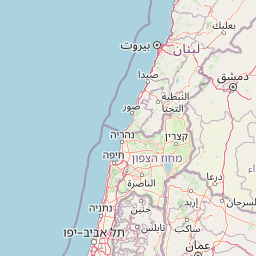
Map view of Tannourine Cedar Forest Nature Reserve

Use this park location map to pinpoint Tannourine Cedar Forest Nature Reserve in Lebanon, understand its exact geographic position, and read its mapped placement within the surrounding landscape more clearly.

Pigeon | © OpenStreetMap contributors

Location context for Tannourine Cedar Forest Nature Reserve

Batroun DistrictNorth Lebanon Governorate
Park atlas

Browse surrounding mountain landscapes and cedar forest ecosystems for broader Lebanese park geography.

Discover More Protected Areas and Regional Parks Near Tannourine Cedar Forest Nature Reserve
After exploring Tannourine Cedar Forest Nature Reserve, browse additional protected landscapes and significant mountain reserves across Lebanon's surrounding region. Compare diverse park geography, trace regional ecological connections, and map the spread of conservation areas throughout the rugged interior highlands.
Biosphere reserveLebanon

Aammiq Wetland Biosphere Reserve: Mapping Lebanon's Crucial Freshwater Protected Landscape

Discover its geography, mapped terrain, and role as a biodiversity hotspot.

Aammiq Wetland is Lebanon's most significant freshwater protected area, recognized as a UNESCO Biosphere Reserve and Ramsar site. Its unique geography, characterized by extensive reedbeds and open pools fed by mountain snowmelt, makes it a vital stopover for countless migratory bird species traversing the Middle East. This protected landscape offers rich opportunities for atlas-style exploration, revealing the ecological importance of its mapped terrain and its role as a critical biodiversity hotspot.

Area
2.53 km²
Established
1999
IUCN
IV
National parkIsrael

Bar'am National Park: Preserving Ancient Jewish Heritage and Galilee Landscape

Explore significant Talmudic-era synagogues and borderland geography.

Bar'am National Park is an important archaeological site in Israel's upper Galilee, renowned for its remarkably preserved ancient Jewish synagogues dating to the Talmudic period. These structures represent significant tangible evidence of Jewish religious life and architectural styles from late antiquity. Situated amidst the rolling hills of the Galilee countryside, the park's landscape offers a unique combination of historical reflection and scenic views towards the Lebanese border, making it a key destination for understanding regional heritage and geography.

Relief
Upland
Access
Moderate access
Scope
Terrestrial
Water
No major water
Nature reserveAjloun Governorate

Ajloun Forest Reserve: A Protected Mediterranean Woodland in Jordan's Ajloun Governorate

Explore the unique protected landscape and mapped terrain of Ajloun Forest Reserve.

Ajloun Forest Reserve is a nature reserve located in Jordan's Ajloun Governorate, distinguished by its rare Mediterranean woodland ecosystem. This protected area provides crucial habitat and showcases a landscape of rolling hills and valleys, offering a stark contrast to the country's predominantly arid regions. Its designation as a UNESCO biosphere reserve underscores its importance for conservation, including efforts in roe deer restoration and the preservation of the black iris, Jordan's national flower. Discover the geographic context and protected nature of this significant Jordanian landscape.

Area
13 km²
Established
1988
IUCN
IV
Nature reserveJordan

Wadi Mujib Nature Reserve: Explore Jordan's Dramatic Canyon Protected Landscape

Discover mapped boundaries and arid biodiversity within this unique rift valley gorge.

Wadi Mujib Nature Reserve represents a significant protected landscape in Jordan, celebrated for its deep desert canyon and dramatic slot canyon terrain. Situated in the Dead Sea region, this reserve protects a remarkable range of geography, from its lowest points near the Dead Sea to surrounding mountain terrain. Its status as a UNESCO biosphere reserve highlights its importance for arid biodiversity and its role as a migratory bird flyway, offering a distinct atlas-level discovery of Jordan's natural heritage.

Area
212 km²
Established
1987
IUCN
IV
Relief
Mountain
National parkIsrael

Ashkelon National Park: Ancient Coastal Protected Landscape and Archaeological Atlas

Explore mapped ruins, Fatimid walls, and Mediterranean coastal geography.

Ashkelon National Park in Israel offers a unique dive into ancient urban development, preserving layers of history from multiple civilizations along the Mediterranean coast. This protected area features landmark archaeological discoveries, including the Middle Bronze Age gate and extensive Roman ruins, all situated within a distinct coastal landscape. Understanding its mapped boundaries and the progression of its terrain provides critical context for appreciating this significant heritage site's geographic and historical importance.

IUCN
V
Watercolor illustration showing mountains, a reservoir, and green landscape
National parkOsmaniye Province

Karatepe-Aslantaş National Park: A National Park Bridging Ancient History and Natural Geography

Discover its protected landscape and mapped terrain in Osmaniye Province.

Karatepe-Aslantaş National Park stands as Turkey's second national park and its inaugural open-air museum, situated in Osmaniye Province. This protected area is renowned for its significant Neo-Hittite archaeological remnants, including iconic lion statues and the vital Karatepe Bilingual inscription. The park's landscape is characterized by slightly rugged terrain, woodlands, and maquis scrubland, all set against the backdrop of the Aslantaş Dam reservoir, providing a unique geographic context for exploring ancient heritage and natural ecosystems.

Area
41.45 km²
Established
1958
IUCN
II
Relief
Lowland
National parkIsrael

Ein Avdat National Park: A Spectular Desert Oasis and Protected Landscape in Israel

Explore its unique springs, waterfalls, and ancient Nabatean and Byzantine history.

Ein Avdat National Park showcases a rare desert oasis environment, a starkly beautiful protected landscape where natural springs emerge from the Negev's arid terrain. This park is celebrated for its dramatic waterfalls, deep pools, and the preserved remnants of ancient human habitation, including a remarkable Byzantine cave monastery carved directly into the canyon walls. Its geography, shaped by the Nahal Zin wadi, provides a vivid study in desert ecosystems and their capacity for supporting life and history over millennia, making it a key site for understanding landscape context in Israel.

Area
4.8 km²
IUCN
V
National parkTurkey

Aladağlar National Park: Turkey's Dramatic Alpine Protected Landscape

Rugged terrain and crimson peaks in the Anti-Taurus Mountains.

Delve into Aladağlar National Park, a significant protected area defined by its striking alpine environment within Turkey's Anti-Taurus range. This park is renowned for its rugged, high-altitude wilderness, characterized by dramatic granite peaks that display a unique crimson coloration, especially at sunset. Its landscape features steep valleys, alpine lakes formed from snowmelt, and challenging mountaineering opportunities. MoriAtlas offers detailed map context to appreciate the geographic distinctiveness and ecological importance of this elevated protected terrain.

Area
550.65 km²
Established
1995
IUCN
II
Relief
Mountain

Common questions about visiting, size, designation, and location context for Tannourine Cedar Forest Nature Reserve

Tannourine Cedar Forest Nature Reserve FAQs for park facts, access, geography, and protected area context
Find quick answers about Tannourine Cedar Forest Nature Reserve, including protected-area facts, park geography, trail and visitor context, and how the park fits into its surrounding country and regional landscape.
MoriAtlas Explorer

Continue Your Protected Areas Search Across the Global Atlas

Deepen your exploration by continuing the structured search for national parks and protected areas worldwide. Utilize the comprehensive filtering capabilities to compare different conservation landscapes and refine your understanding of global park geography. Discover more about the distribution and characteristics of protected natural areas.

Global natural geography