Why Wadi Mujib stands out
Wadi Mujib is best known for its dramatic gorge and slot canyon environment, one of the most impressive in the Middle East. The reserve is renowned for its exceptional biodiversity concentrated in a relatively small area, supporting species more typical of much wetter ecosystems. It serves as a critical stopover along the Great Rift Valley migratory bird flyway between Africa and northeast Europe. The combination of canyon-based hiking and canyoning opportunities amid towering sandstone cliffs, coupled with the presence of hot springs at Zara and Ma'in nearby, makes it a destination of growing recreational and ecological significance.
Wadi Mujib history and protected-area timeline
Wadi Mujib has served as a significant geographical and political boundary throughout recorded history. In ancient times, the river known as the Arnon Stream marked the northern boundary of the kingdom of Moab, a role that appears in biblical texts with considerable historical complexity. The Hebrew Bible references the territory between the Arnon and Jabbok rivers, with texts suggesting the area originally belonged to the Moabites before being conquered by the Amorite king Sihon and subsequently taken by the Israelites. The Mesha Stele, a famous Moabite inscription, references the Gadites occupying Ataroth north of the Arnon and describes construction of a road along the river, attesting to its ancient importance. During the Hellenistic and Roman periods, the wadi region hosted military installations including a fort garrisoned by Cohors III Alpinorum at the crossing point of the Via Nova route. The river has been identified as a possible location of the Forest of Jardes mentioned by the first-century historian Josephus in connection with the First Jewish Revolt. Modern conservation efforts began in 1987 when the Royal Society for the Conservation of Nature established the Mujib Reserve, and the area achieved international recognition as a UNESCO biosphere reserve in 2011.
Wadi Mujib landscape and geographic character
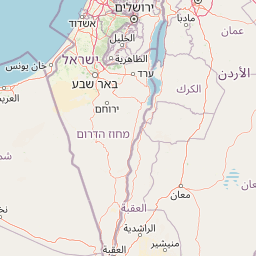
The Wadi Mujib landscape presents one of the most dramatic topographic environments in Jordan. The reserve features a deep gorge carved through sandstone, with vertical cliffs and narrow slot canyons that create a distinctive visual character. The landscape rises from the Dead Sea shore, the lowest point on Earth's land surface, up through a series of elevated plateaus and mountainous terrain to peaks exceeding 1,200 metres. The canyon walls display visible sediment layers that record the geological history of the region, particularly the ancient lake deposits from the higher Dead Sea levels of the last ice age. Rocky, sparsely vegetated desert characterizes the higher elevations, while the wadi floor and tributary streams support more lush vegetation. The Mujib Dam, completed in 2004, has created a large reservoir at the bottom of the wadi where the modern road crosses the river, adding a significant water body to the landscape. Cliffs and gorges cut dramatically through the plateau terrain, creating a complex network of sheltered canyons and exposed ridgelines.
Wadi Mujib ecosystems, habitats, and plant life
The ecological character of Wadi Mujib defies expectations for a desert environment, with biodiversity patterns more typical of wetter regions. The reserve supports over 300 documented plant species across its elevational gradient, from shore-edge wetlands to mountain slopes. Groundwater seepage along the Dead Sea shore supports lush thickets of acacia, tamarix, date palm, and oleander, particularly at locations like the hot springs of Zara. The steppe-type vegetation on higher plateaus is sparsely distributed but adapted to the arid conditions. The combination of year-round water flow from seven tributaries and the dramatic elevational range creates multiple habitat zones that support diverse communities. The reserve remains an area of active biological exploration, with new species and ecological relationships still being documented by researchers. The hot springs of Hammamat Ma'in lie close to the reserve borders, representing additional unique ecological environments.
Wadi Mujib wildlife and species highlights
Wadi Mujib supports remarkable wildlife diversity despite its desert setting, with particular significance for avian and carnivore populations. The reserve serves as a critical strategic stopover for huge numbers of migratory birds traveling annually along the Great Rift Valley between Africa and northeast Europe. Notable bird species include the lammergeier, Egyptian vulture, Eurasian griffon, Levant sparrowhawk, lesser kestrel, sooty falcon, sand partridge, Hume's owl, hooded wheatear, blackstart, Arabian babbler, striolated bunting, trumpeter finch, Dead Sea sparrow, and Tristram's starling. Carnivore species include the striped hyena and Syrian wolf, both of which inhabit the various vegetation zones within the reserve. The Nubian ibex, a large mountain goat species, once faced population decline from overhunting but finds refuge in the more remote canyon and mountain areas. Some remote areas remain difficult to access, providing safe habitat for rare species of cats, goats, and other mountain animals.
Wadi Mujib conservation status and protection priorities
Wadi Mujib holds significant conservation importance at both regional and international levels. The 2011 UNESCO biosphere reserve designation recognizes the area's exceptional ecological value and the successful management efforts of the Royal Society for the Conservation of Nature. The reserve protects a corridor of biodiversity in a region where development pressures are intense, preserving ecological processes that would otherwise be degraded. The area's significance as a migratory bird flyway stopover makes it important for transcontinental biodiversity conservation. The varied elevation gradient and perennial water sources create microhabitats that support species found nowhere else in the region at such concentrations. Remote areas within the reserve provide refuges for species that have been pushed out of surrounding developed landscapes. The conservation status of species like the Nubian ibex demonstrates the reserve's role in protecting threatened wildlife populations.
Wadi Mujib cultural meaning and human context
Wadi Mujib carries profound historical and cultural significance rooted in its role as a natural boundary in ancient Near Eastern geography. The river, known historically as the Arnon, appears prominently in biblical texts as a boundary marker between Moab, Ammon, and the Israelite tribal territories of Reuben and Gad. The numerous ruins of bridges, forts, and ancient buildings found throughout the area attest to its long history as a corridor of human movement and settlement. The river's fords are referenced in the Book of Isaiah, and the heights above the wadi were celebrated in ancient verse. The region contains archaeological evidence of continuous human presence from ancient times through the Hellenistic and Roman periods, when military installations controlled movement along this important route. The area retains cultural connections to contemporary Bedouin communities who use the less severe slopes for pastoral grazing of sheep and goats.
Top sights and standout views in Wadi Mujib
Wadi Mujib stands out as Jordan's premier canyon-based protected area, offering hiking and canyoning experiences through some of the most dramatic terrain in the region. The UNESCO biosphere reserve status reflects its exceptional biodiversity value, with over 300 plant species and diverse wildlife populations supported in a relatively compact area. The Great Rift Valley migratory bird flyway makes the reserve a critical stopover for countless avian species, offering excellent birdwatching opportunities. The combination of geological features, including the spectacular gorge formed during the last ice age, with ecological diversity creates a unique destination. The presence of hot springs near the reserve boundaries adds another dimension to the area's appeal. The dramatic elevation range from below sea level to over 1,200 metres above creates remarkable landscape diversity within a single protected area.
Best time to visit Wadi Mujib
Wadi Mujib can be visited throughout the year, though the cooler months from October through April generally offer more comfortable conditions for outdoor activities in the canyon environment. Summer temperatures in the deep gorge can be extremely high, making spring and autumn ideal for hiking and exploring the trail systems. The winter months may bring cooler temperatures and occasional rain, which can affect trail conditions but also bring the landscape to life with seasonal blooms. Year-round water flow in the wadi's tributaries means that the ecological character of the reserve remains vibrant in all seasons, though the spring migration period offers particularly rewarding birdwatching opportunities. The Dead Sea region's climate is essentially subtropical, making it a year-round destination, though visitors should check current conditions and any access restrictions before planning their trip.