Why Corner Inlet Marine National Park stands out
Corner Inlet Marine National Park is best known for its designation as part of a Ramsar-listed wetland of international significance. The park protects Corner Inlet, a productive coastal inlet that supports extensive seagrass beds, tidal marshes, and intertidal mudflats. The marine protected area is notable for its ecological connectivity, linking directly to Wilsons Promontory National Park and creating a continuous conservation corridor along this section of Victoria's coastline. The inlet's importance as a sheltered marine environment with rich biodiversity makes it significant within Victoria's marine park network.
Corner Inlet Marine National Park history and protected-area timeline
Corner Inlet Marine National Park was officially established on 16 November 2002 as part of Victoria's marine protected area framework. The creation of the park reflected growing recognition of the ecological value of Victoria's coastal and marine environments during the late 20th and early 21st centuries. The park was designated under Victoria's national parks legislation and classified as IUCN category II, reflecting its status as a national park focused on marine ecosystem protection. The establishment of the marine national park was complemented by the creation of the adjacent Corner Inlet Marine and Coastal Park, which provides additional protection to the broader inlet ecosystem. Parks Victoria assumed management responsibility for the protected area, overseeing conservation, visitor access, and ecological monitoring activities.
Corner Inlet Marine National Park landscape and geographic character
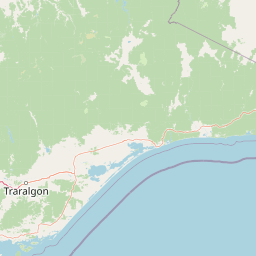
The landscape of Corner Inlet Marine National Park is defined by its marine and coastal character, encompassing the waters and shoreline of Corner Inlet itself. The inlet creates a sheltered coastal environment with extensive intertidal zones, tidal channels, and shallow marine waters. The surrounding landscape features the gently undulating terrain typical of South Gippsland, with coastal plains meeting the sea at this prominent inlet. The park's marine environment includes both subtidal areas with seagrass communities and exposed intertidal mudflats and sandbars. The landscape is characterised by the dynamic interplay between tidal processes and coastal geomorphology, with the inlet providing a natural harbour and ecological过渡 zone between terrestrial and open marine environments.
Corner Inlet Marine National Park ecosystems, habitats, and plant life
The nature of Corner Inlet Marine National Park centres on its productive marine and wetland ecosystems. Corner Inlet supports extensive seagrass meadows that provide habitat and food sources for marine organisms. The intertidal mudflats and saltmarshes of the inlet represent important wetland habitats that support diverse ecological communities. The sheltered nature of the inlet creates conditions favourable for marine biodiversity, supporting fish species, invertebrates, and waterbirds. The Ramsar designation reflects the inlet's international importance as a coastal wetland, with the area providing critical habitat for migratory birds and supporting ecological processes in the temperate marine environment. The park forms part of a larger connected conservation landscape that includes adjacent terrestrial and marine protected areas.
Corner Inlet Marine National Park wildlife and species highlights
The wildlife of Corner Inlet Marine National Park is associated with the productive coastal and marine environments of the inlet system. The area supports populations of coastal and waterbird species that utilise the intertidal habitats for feeding and resting. The seagrass communities provide important habitat for fish and invertebrate species, while the broader marine environment supports typical temperate Australian marine fauna. The inlet's wetland habitats are particularly important for shorebirds and waterfowl, with the Ramsar-listed status reflecting the area's significance for migratory bird species. The connected nature of this coastal landscape, linking to Wilsons Promontory National Park, supports broader ecological connectivity across terrestrial and marine environments.
Corner Inlet Marine National Park conservation status and protection priorities
The conservation significance of Corner Inlet Marine National Park is substantial, as evidenced by its Ramsar Convention designation for the broader inlet wetland system. The marine national park provides formal protection for a representative section of Victoria's coastal marine environment, preserving habitats and species within a designated protected area framework. The park's integration with adjacent protected areas creates a contiguous conservation landscape that enhances ecological connectivity and protection effectiveness. The Ramsar listing recognises the international importance of the wetland ecosystem, reflecting the inlet's value as habitat for migratory birds and its role in maintaining coastal ecological processes. As a marine national park within Victoria's protected area network, the park contributes to the state's conservation of marine biodiversity and coastal ecosystem representation.
Top sights and standout views in Corner Inlet Marine National Park
Corner Inlet Marine National Park offers visitors access to a protected marine environment within a Ramsar-listed coastal wetland system. The park provides opportunities to experience the natural values of Corner Inlet, including its marine habitats, tidal landscapes, and associated wildlife. The proximity to Wilsons Promontory National Park allows visitors to combine marine park exploration with one of Victoria's most celebrated national parks. The inlet's designation as a wetland of international significance under the Ramsar Convention underscores its ecological importance and provides a meaningful context for understanding the park's conservation value.
Best time to visit Corner Inlet Marine National Park
The marine environment of Corner Inlet can be explored throughout the year, with seasonal variations in weather and conditions affecting the visitation experience. The temperate climate of South Gippsland means that each season offers distinct environmental conditions. Summer months typically bring warmer conditions and longer daylight hours suitable for water-based activities, while winter provides a different character to the coastal environment. The intertidal habitats are influenced by tidal cycles, which affect the accessibility and character of different areas within the park. Visitors interested in wildlife viewing should consider seasonal patterns for bird populations, particularly for migratory species that utilise the inlet during different times of the year.