

Mori Atlas logo
National parkPoint Addis Marine National Park

Discover the mapped marine boundaries and diverse coastal geography of this Southern Ocean sanctuary.

Point Addis Marine National Park: Victoria's Iconic Protected Coastal Landscape and Marine Atlas

Point Addis Marine National Park represents a vital protected marine zone along Victoria's renowned Surf Coast. This park protects a significant stretch of the Southern Ocean coastline, encompassing the waters around iconic locations like Bells Beach. Its unique landscape comprises dramatic sandstone cliffs, rocky reefs, and kelp forests, offering a crucial marine habitat. Exploring this national park through an atlas lens reveals its geographic context within Victoria and its role as a sanctuary for temperate marine ecosystems.

marine parkcoastal ecosystemkelp forestVictoriaSouthern Oceanrocky reef

Point Addis Marine National Park

National park

Park overview

Structured park overview, official facts, and landscape profile for Point Addis Marine National Park

Point Addis Marine National Park park facts, protected area profile, and essential visitor context
Review the core facts for Point Addis Marine National Park, including designation, size, terrain, visitor scale, habitats, and operating context in one park-focused overview.

About Point Addis Marine National Park

Point Addis Marine National Park represents an important addition to Victoria's marine protected area network, preserving a stretch of coastline that holds both natural and cultural significance. The park extends along approximately 10 kilometres of the Surf Coast, from the vicinity of Anglesea eastward around the prominent headland of Point Addis to the eastern end of Bells Beach. The marine environment within the park includes a variety of habitats that support marine biodiversity, from intertidal rock platforms to subtidal reef systems and open ocean waters. The offshore boundary reaches three nautical miles from shore, encompassing the full extent of coastal waters to the limit of Victorian jurisdiction. This marine park works in conjunction with adjacent terrestrial protected areas and the broader coastal management framework for the Surf Coast region. The waters of this section of Victoria's coast are influenced by the Southern Ocean, bringing cool temperate conditions that support distinctive marine ecosystems including extensive kelp forests and communities of southern Australian marine species.

Quick facts and research context for Point Addis Marine National Park

Point Addis Marine National Park is situated along Victoria's Surf Coast, a region renowned for its surfing culture and dramatic coastal scenery. The park protects marine environments spanning from the shoreline at Anglesea eastward through Point Addis to Bells Beach. Established in 2002 under Victoria's marine protected area framework, the park is managed by Parks Victoria. The marine park extends three nautical miles offshore, encompassing nearshore waters, reefs, and the productive cool-temperate ocean environment of this section of the southern Australian coast.

Park context

Deeper park guide and search-rich context for Point Addis Marine National Park

Point Addis Marine National Park history, landscape, wildlife, and travel context
Explore Point Addis Marine National Park through its history, landscape character, ecosystems, wildlife, conservation priorities, cultural context, and seasonal travel timing in a structured park guide built for atlas discovery and search intent.

Why Point Addis Marine National Park stands out

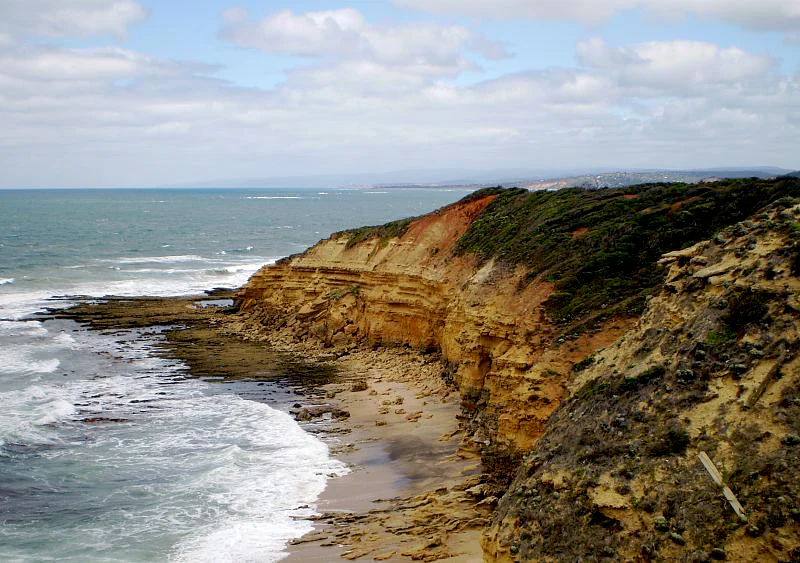
Point Addis Marine National Park is best known for protecting the coastal and marine environments around Point Addis and Bells Beach, two landmark locations on Victoria's renowned Surf Coast. The park encompasses the waters adjacent to Bells Beach, famous worldwide as the venue for the Rip Curl Pro surfing competition and one of the most photographed surf breaks globally. Beyond its surfing heritage, the park protects important marine habitats including rocky reef systems, kelp forests, and the diverse marine life that inhabits the cool-temperate waters of this coastline. The dramatic coastal landscape where the park lies features sandstone cliffs, sheltered coves, and exposed ocean beaches characteristic of the Surf Coast region.
Point Addis Marine National Park

Point Addis Marine National Park history and protected-area timeline

Point Addis Marine National Park was established on 16 November 2002 as part of Victoria's program to create a comprehensive system of marine national parks around the state's coastline. The establishment of marine national parks in Victoria followed a process of scientific assessment and community consultation aimed at protecting representative examples of the state's marine environments. The selection of this particular stretch of coastline for marine protection reflected both the ecological values of the area, including its diverse habitats and marine species, and its significance as a coastal landscape. The park is managed by Parks Victoria, the agency responsible for managing Victoria's national parks and other protected areas. The creation of the marine park provided formal protection for waters that had previously faced various pressures from human activities and development along the rapidly growing Surf Coast.

Point Addis Marine National Park landscape and geographic character

The landscape of Point Addis Marine National Park is defined by the dramatic interface between land and sea along Victoria's southern coastline. The coastline features a mix of exposed ocean beaches, rocky headlands, and sandstone cliffs, with Point Addis itself serving as a prominent headland marking a transition in the coastal orientation. The nearshore waters contain subtidal reef systems that extend offshore, creating varied bathymetry within the marine park. The ocean environment is characterized by the cool, nutrient-rich waters of the Southern Ocean, which influence water temperatures and support distinctive marine communities. Above the waterline, the coastal landscape includes remnant vegetation on the cliff tops and headlands, contrasting with the developed areas of Anglesea and the surfing facilities at Bells Beach. The visual character of the area combines natural coastal scenery with the cultural landscape of one of Australia's most famous surfing regions.

Point Addis Marine National Park ecosystems, habitats, and plant life

The marine environments within Point Addis Marine National Park support diverse ecological communities adapted to the cool-temperate conditions of this section of the southern Australian coast. The waters contain extensive kelp forests, particularly species suited to the moderate to high wave energy of this exposed coastline. Rocky reef systems provide habitat for a variety of marine invertebrates, fish, and algae. The intertidal zones along the shoreline support communities of crabs, mollusks, and other shore organisms adapted to the harsh conditions of wave-exposed coasts. The marine park protects these habitats within a broader network of coastal protected areas, contributing to the conservation of Victoria's marine biodiversity. The productive nature of these waters, influenced by ocean currents and upwelling, supports food webs that sustain resident marine species as well as seasonal visitors.

Point Addis Marine National Park wildlife and species highlights

Point Addis Marine National Park protects marine wildlife typical of Victoria's southern coastline, including various fish species that inhabit reef and nearshore waters. The kelp forest environments support communities of fish and invertebrates, while rocky reef areas provide shelter and feeding grounds for numerous species. The coastline and nearshore waters attract seabirds that forage in the productive marine environment. The protected marine area provides refuge for species that face pressures in more heavily used coastal waters, contributing to the maintenance of marine wildlife populations along this stretch of the Surf Coast.

Point Addis Marine National Park conservation status and protection priorities

The establishment of Point Addis Marine National Park represents Victoria's commitment to marine conservation along its southern coastline. The marine park protects a representative example of the state's coastal and shelf marine environments, contributing to the broader network of marine protected areas that collectively aim to preserve Victoria's marine biodiversity. The protected status helps maintain the ecological integrity of reef systems, kelp forest communities, and the associated marine wildlife that inhabit these waters. As part of Victoria's marine national park system, Point Addis contributes to national and state conservation targets for marine environment protection. The park also supports scientific understanding of southern Australian marine ecosystems through monitoring and research activities within the protected area.

Point Addis Marine National Park cultural meaning and human context

The coastal area surrounding Point Addis holds cultural significance as part of the traditional Country of local Aboriginal communities, though specific cultural details from source material are limited. The broader Surf Coast region has been an area of continuous Aboriginal occupation and connection to the coastline. In more recent history, the Bells Beach area has become internationally significant as a surf culture landmark, with the location featured prominently in the surfing world through the annual professional surfing competition held there. This blend of indigenous heritage and contemporary surfing culture characterizes the human context of this coastline, though the marine park itself focuses on protecting the natural marine environment.

Top sights and standout views in Point Addis Marine National Park

Point Addis Marine National Park protects Victoria's coastal waters at one of the state's most iconic surf locations while preserving important marine habitats. The park encompasses the waters adjacent to Bells Beach, internationally recognized as a surfing landmark. The marine environment features kelp forests, rocky reefs, and the diverse marine life of the cool-temperate Southern Ocean. This marine protected area preserves coastal ecosystems that contrast with the heavily developed and popular beach areas of the Surf Coast, providing ecological refuge in a region of intense recreational use.

Best time to visit Point Addis Marine National Park

The marine park can be accessed year-round, though conditions vary with seasons. The Southern Ocean influences water temperatures, which are cooler in winter months and relatively milder in summer. Weather conditions along the Surf Coast can shift rapidly, with the region known for its changeable climate. The summer period typically brings more stable conditions and higher visitor activity to the coastline, while winter may offer more dramatic coastal scenery and fewer visitors. Conditions for activities such as diving and underwater viewing vary with seasonal changes in water clarity and temperature.
Park location guide

Geography guide, regional context, and park location map for Point Addis Marine National Park

Point Addis Marine National Park park geography, regions, and map view in Australia
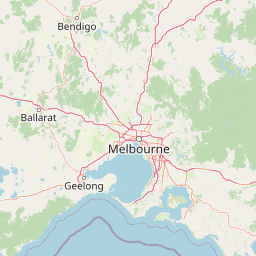
Understand where Point Addis Marine National Park sits in Australia through a broader geographic reading of the surrounding landscape, nearby location context, and its mapped position within the national park landscape.

How Point Addis Marine National Park fits into Australia

Australia is a constitutional monarchy and federal parliamentary democracy comprising six states and ten territories. With a population of nearly 28 million, it is one of the world's most urbanised countries, with most people concentrated on the eastern seaboard. The country has a high Human Development Index and is known for its cultural diversity, ancient Aboriginal heritage, and unique wildlife.

Wider geography shaping Point Addis Marine National Park in Australia

Australia occupies the entire Australian continent, the island of Tasmania, and numerous smaller islands. It is the world's flattest and driest inhabited continent, featuring vast deserts in the interior (the Outback), tropical rainforests along the eastern coast, and a coastline bordering the Indian and Pacific Oceans.

Map view of Point Addis Marine National Park

Use this park location map to pinpoint Point Addis Marine National Park in Australia, understand its exact geographic position, and read its mapped placement within the surrounding landscape more clearly.

Pigeon | © OpenStreetMap contributors

Location context for Point Addis Marine National Park

Victoria

Detailed imagery capturing the unique protected area character, dramatic coastlines, and diverse marine ecosystems of this iconic Victorian park.

Visual Exploration of Point Addis Marine National Park: Landscapes, Habitats, and Coastal Scenery
Explore Point Addis Marine National Park through a comprehensive collection of images revealing its distinctive coastal landscapes and crucial marine habitats. These visuals offer essential insights into the park's dramatic sandstone cliffs, surfing breaks, and intricate underwater reef systems, deepening understanding of this vital protected area on Victoria's Surf Coast.

Point Addis Marine National Park

Park atlas

Uncover a wider network of coastal and marine protected landscapes, tracing Victoria's dynamic Surf Coast geography.

Discover Nearby National Parks and Protected Areas Surrounding Point Addis Marine National Park
Browse other marine national parks and coastal protected areas that extend across Victoria's iconic Surf Coast, continuing your exploration beyond Point Addis Marine National Park. Comparing these diverse protected landscapes provides valuable geographic context for regional conservation efforts and the mapped terrain of Australia's dynamic southern coastline.
National parkVictoria

Organ Pipes National Park: Victoria's National Park for Geological Atlas Exploration

Discover unique columnar basalt formations and mapped volcanic landscapes.

Organ Pipes National Park stands as a remarkable testament to Victoria's volcanic past, preserving some of the finest examples of columnar basalt jointing in Australia. Situated within the Keilor Plains, this national park showcases dramatic geological features, including the namesake Organ Pipes, alongside ancient Silurian marine sediments, offering a layered perspective on regional geography. Its protected status ensures the conservation of this unique landscape, making it an essential destination for understanding mapped terrain and geological heritage within the Australian atlas.

Area
1.21 km²
Established
1972
IUCN
III
National parkVictoria

Yarra Ranges National Park: A Protected Landscape of Towering Forests and Regional Geography

Explore mapped boundaries and the vital water catchment geography of this Australian national park.

Discover Yarra Ranges National Park, a prominent national park in Victoria, Australia, celebrated for its world-record mountain ash forests and its critical role in safeguarding Melbourne's water supply. This protected landscape showcases the complex topography of the Great Dividing Range, from dense temperate rainforests to subalpine environments. Understanding its geography and protected area boundaries provides essential context for appreciating its ecological significance and its place within the regional atlas.

Area
760 km²
Established
1995
IUCN
II
Marine protected areaVictoria

Corner Inlet Marine National Park: Victoria Marine Protected Area Exploration

Mapped marine landscape and protected wetland discovery in South Gippsland.

Corner Inlet Marine National Park offers a distinct focus on protected marine environments and coastal wetland geography. As a significant marine protected area in Victoria, it showcases the ecological dynamics of a Ramsar-listed inlet, featuring extensive seagrass beds and intertidal habitats. This park provides essential context for understanding Victoria's network of protected marine landscapes and their interconnectedness with adjacent conservation areas.

Area
15.5 km²
Established
2002
IUCN
II
National parkVictoria

Morwell National Park: Victoria's Protected Wet Sclerophyll Forest and Rainforest

Mapping the diverse flora and fauna of this key national park.

Morwell National Park is a protected national park in Victoria, Australia, renowned for its significant plant diversity and the preservation of wet sclerophyll forests alongside cool temperate rainforest pockets in its gullies. Located within the Strzelecki Ranges, the park's mapped geography illustrates the varied terrain supporting these distinct forest communities. As a conservation area driven by community advocacy, it stands as a vital reserve for regional biodiversity, offering a focused study of Victoria's unique protected landscapes and their ecological significance.

Area
5.65 km²
Established
1966
IUCN
III
National parkVictoria

Heathcote-Graytown National Park: Victoria's Key Box-Ironbark Forest Protected Area

Explore the mapped terrain and regional geography of this national park.

Heathcote-Graytown National Park stands as a critical protected area in Victoria, Australia, focused on conserving the rare box-ironbark forests that once dominated the region. Located within the Great Dividing Range, this national park provides essential habitat for woodland birds, notably the swift parrot, and offers a glimpse into the natural landscape that predates widespread agricultural development. Its inclusion in the park atlas highlights its ecological importance and contributes to a broader understanding of protected land distribution within Victoria's unique geography.

Area
128.33 km²
Established
2002
IUCN
II
Relief
Mountain
National parkVictoria

Greater Bendigo National Park: Victoria's Box-Ironbark Forest Protected Landscape

Mapped terrain and vital woodland bird habitats.

Greater Bendigo National Park offers a prime example of Victoria's ecologically significant box-ironbark forests, recognized as a crucial refuge for biodiversity and notable bird species like the swift parrot. Situated near Bendigo, this national park's protected landscape provides essential insights into regional geography and woodland ecosystems. Its mapped boundaries encompass a vital area for understanding the distribution and character of this unique Australian forest type.

Area
170 km²
Established
2002
IUCN
II
National parkVictoria

Lake Eildon National Park: Protected Landscape and Gold Mining Heritage in Victoria

Explore ancient volcanic terrain and mapped forest environments.

Lake Eildon National Park represents a significant protected area within Victoria's Central Highlands, offering a unique blend of natural and historical discovery. The park encompasses diverse eucalypt forests and mountainous terrain, shaped by the remnants of the ancient Cerberean Caldera supervolcano. Visitors can explore mapped park boundaries and understand the area's rich gold rush heritage, alongside the central feature of Lake Eildon itself, making it a distinctive national park for geographic and landscape context.

Area
277.5 km²
Established
1997
IUCN
II
National parkVictoria

Tarra-Bulga National Park: Victoria's Remnant Temperate Rainforest Protected Landscape

Explore its mapped terrain and unique geographic setting.

Tarra-Bulga National Park offers a glimpse into Victoria's past with its exceptionally preserved temperate rainforest and towering mountain ash forests. Situated in the Strzelecki Ranges, this protected area is critical for understanding regional biodiversity and landscape evolution. Explore the mapped terrain, deep valleys, and fern-filled gullies that define its unique geographic character and protected status.

Area
15.22 km²
Established
1986
IUCN
II

Common questions about visiting, size, designation, and location context for Point Addis Marine National Park

Point Addis Marine National Park FAQs for park facts, access, geography, and protected area context
Find quick answers about Point Addis Marine National Park, including protected-area facts, park geography, trail and visitor context, and how the park fits into its surrounding country and regional landscape.
MoriAtlas Explorer

Continue Your Protected Areas Search Across the Global Atlas

Deepen your exploration by continuing the structured search for national parks and protected areas worldwide. Utilize the comprehensive filtering capabilities to compare different conservation landscapes and refine your understanding of global park geography. Discover more about the distribution and characteristics of protected natural areas.

Global natural geography