

Mori Atlas logo
National parkRocky Cape National Park

Mapping the dramatic coastal headland and ancient cultural sites of Tasmania's wild North West Coast.

Rocky Cape National Park: Protected Landscape, Aboriginal Heritage, and Tasmanian Geography

Rocky Cape National Park represents a unique intersection of profound Indigenous history and striking natural beauty along Tasmania's North West Coast. This protected national park encompasses a dramatic coastal headland characterized by rocky cliffs, expansive heathlands, and windswept woodlands that meet the Southern Ocean. Serving as a vital repository of Australia's cultural atlas, it holds one of Tasmania's oldest continuous Aboriginal occupation sites, with archaeological evidence stretching back at least 8,000 years. The park's landscape provides a clear geographic context for understanding Tasmania's distinctive coastal environments and their enduring cultural significance.

Coastal national parksAboriginal heritage sitesTasmania parksHeathland ecosystemsNorth West TasmaniaProtected headlands

Rocky Cape National Park

National park

Park overview

Structured park overview, official facts, and landscape profile for Rocky Cape National Park

Rocky Cape National Park park facts, protected area profile, and essential visitor context
Review the core facts for Rocky Cape National Park, including designation, size, terrain, visitor scale, habitats, and operating context in one park-focused overview.

About Rocky Cape National Park

Rocky Cape National Park occupies a prominent coastal position on Tasmania's northwestern coast, forming a natural headland that extends into the Southern Ocean. The park's territory encompasses the landscape surrounding the town of Sisters Beach, creating a protected corridor along this relatively remote section of Tasmania's coastline. The geology and landscape of the area reflect the exposed nature of the North West Coast, where prevailing winds and ocean conditions have shaped coastal heaths and scrubland communities across the exposed ridgelines and slopes. The park provides protected habitat for several vegetation communities adapted to the harsh coastal conditions, including coastal heaths, moorland, and woodland ecosystems that thrive in the nutrient-poor soils of the region. Beyond its ecological value, the park holds profound significance as an Indigenous cultural landscape, with archaeological evidence demonstrating continuous Aboriginal occupation for millennia before European settlement. The management approach by Tasmania Parks and Wildlife Service balances the preservation of this cultural heritage with the protection of the park's natural values, creating a destination that offers visitors both scenic coastal beauty and insight into Tasmania's deep human history.

Quick facts and research context for Rocky Cape National Park

Rocky Cape National Park is situated on Tasmania's North West Coast, approximately 365 kilometers by road northwest of Hobart. The park covers 30.64 square kilometers and was established in 1967 under the management of the Tasmania Parks and Wildlife Service. The park surrounds Sisters Beach, a small coastal settlement, and is characterized by its prominent headland, coastal heath, and rocky shoreline. The nearest major town is Wynyard, which provides regional access to the park. In 2016, the traditional Aboriginal name pinmatik was recognized alongside Rocky Cape for the geographical cape itself, reflecting the area's Indigenous heritage.

Park context

Deeper park guide and search-rich context for Rocky Cape National Park

Rocky Cape National Park history, landscape, wildlife, and travel context
Explore Rocky Cape National Park through its history, landscape character, ecosystems, wildlife, conservation priorities, cultural context, and seasonal travel timing in a structured park guide built for atlas discovery and search intent.

Why Rocky Cape National Park stands out

Rocky Cape National Park is best known for its remarkable Aboriginal archaeological heritage, which represents one of the longest continuous occupation sites in Tasmania with evidence spanning at least 8,000 years. The park's coastal landscape features a distinctive combination of heaths, coastal woodlands, and rocky shoreline habitats that support diverse plant communities adapted to the exposed northwestern Tasmanian environment. The park also contains the Rocky Cape Lighthouse, a relatively modern structure erected in 1968, which stands as a landmark within the protected area.

Rocky Cape National Park history and protected-area timeline

The history of Rocky Cape National Park extends far beyond its establishment as a protected area in 1967, with the surrounding landscape holding significance that stretches back through millennia of Indigenous occupation. Archaeological research conducted by Rhys Jones in the 1960s revealed evidence of Aboriginal presence at Rocky Cape dating back approximately 8,000 years, making this one of the oldest documented occupation sites in Tasmania. This archaeological significance places the park among the most important Indigenous heritage sites in Australian protected areas. The more recent European history of the area includes the construction of the Rocky Cape Lighthouse in 1968, a navigational aid that remains a visible landmark within the park landscape. In 2016, the official geographic name of the cape was updated to recognize the traditional Aboriginal name pinmatik alongside Rocky Cape, a change that acknowledges the deep Indigenous history of the area. The establishment of the national park in 1967 represented formal recognition of both the natural and cultural values of this distinctive coastal landscape, creating a protected area that preserves archaeological sites and coastal ecosystems for future generations.

Rocky Cape National Park landscape and geographic character

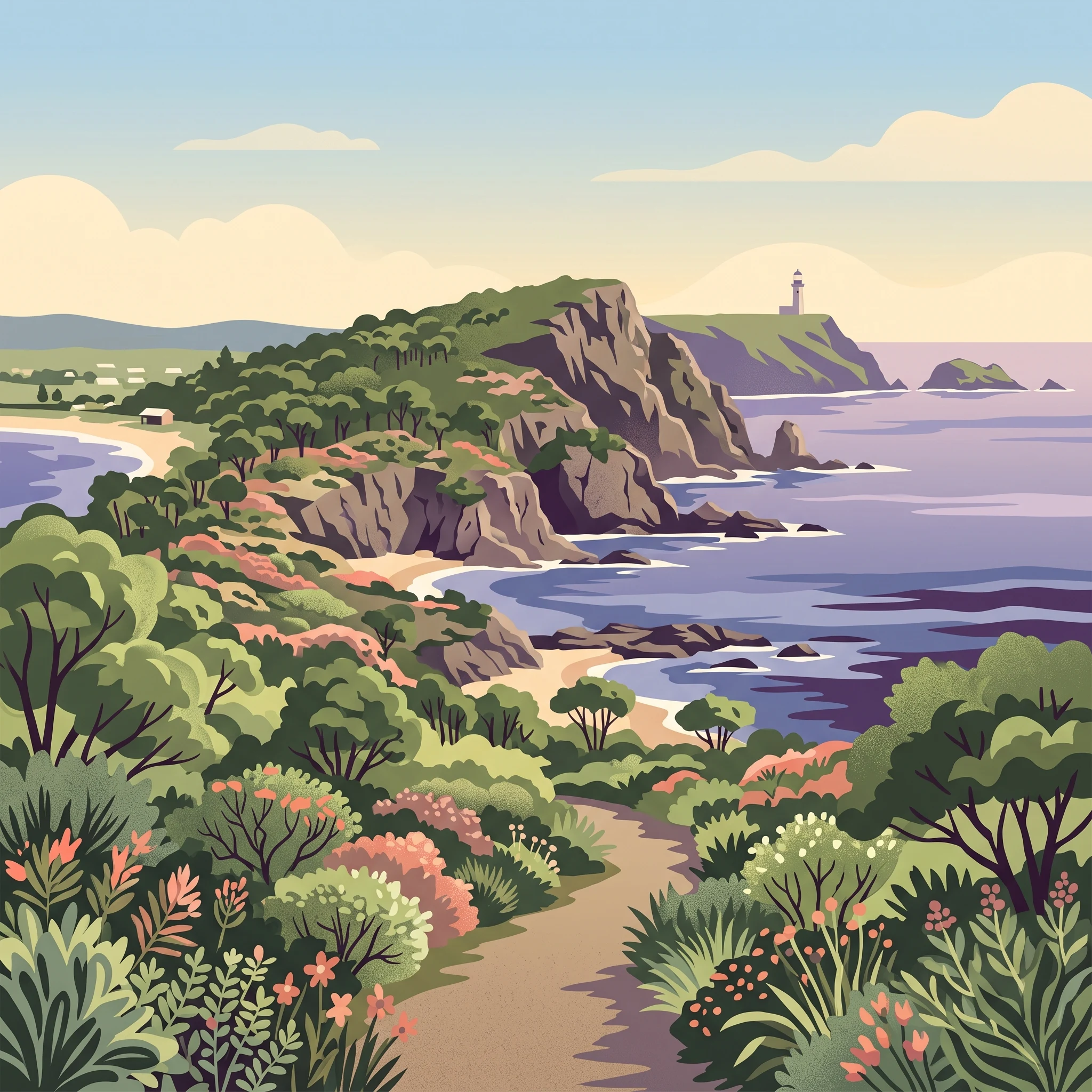
The landscape of Rocky Cape National Park is defined by its coastal headland setting on Tasmania's exposed North West Coast. The park encompasses a terrain of rolling hills and ridgelines that rise from the shoreline, creating dramatic topography with views across the Southern Ocean. The coastal environment features rocky cliffs, boulder-strewn shores, and occasional sandy beach areas where the land meets the sea. The vegetation across the park is dominated by coastal heath communities, with scrubland and heathy woodlands covering the slopes and ridgelines that characterize the headland. The exposed nature of this coastline means the landscape bears the marks of prevailing weather systems, with wind-shaped vegetation and coastal erosion features visible throughout the park. Offshore islands dot the seascape, adding to the coastal complexity of the area. The combination of rocky shoreline, heath-covered slopes, and oceanic exposure creates a landscape of wild beauty that represents the character of Tasmania's North West Coast.

Rocky Cape National Park ecosystems, habitats, and plant life

The natural environment of Rocky Cape National Park reflects the distinctive conditions of Tasmania's North West Coast, where climate, soil, and exposure combine to create specialized coastal ecosystems. The park supports extensive coastal heath communities, among the most extensive in Tasmania, characterized by diverse shrub species adapted to the harsh coastal conditions and nutrient-poor sandy soils. These heaths provide habitat for a range of plant species specialized for coastal exposure, including numerous heath plants and flowering shrubs that provide seasonal color across the landscape. The park also contains areas of woodland and scrubland, with vegetation communities that vary across different aspects and elevations within the protected area. The coastal position means the park includes important marine and shoreline habitats, with the intertidal zones and offshore waters supporting their own complement of species. The combination of terrestrial and marine environments within the park creates a cohesive coastal ecosystem that supports biodiversity across multiple habitat types.

Rocky Cape National Park wildlife and species highlights

The wildlife of Rocky Cape National Park reflects the coastal and heathland habitats that dominate the protected area. The coastal heath communities provide habitat for various bird species adapted to Tasmania's heathland environments, while the shoreline and offshore waters support marine birdlife including seabirds that utilize the coastal waters and offshore islands. The diverse plant communities across the park create structural complexity that supports invertebrate populations and the animals that prey upon them. The proximity to the Southern Ocean means marine mammals may be observed in the waters adjacent to the park, with the coastline offering potential sightings of species that traverse the southern Australian coast. The park's position on a prominent headland creates an environment where coastal birdlife is particularly evident, with species utilizing both the terrestrial habitats and the marine resources of the surrounding ocean.

Rocky Cape National Park conservation status and protection priorities

Rocky Cape National Park contributes to the conservation of Tasmania's coastal natural and cultural heritage through its protected area status. The park preserves significant examples of coastal heath ecosystems, representing some of the most extensive heathland communities in Tasmania. These ecosystems have been historically subject to clearing and modification across Tasmania's agricultural zones, making protected areas like Rocky Cape important for the long-term conservation of these habitats. The park's cultural significance adds another dimension to its conservation value, with the archaeological sites representing irreplaceable evidence of Tasmania's Indigenous heritage and human history. The management by Tasmania Parks and Wildlife Service ensures that both natural and cultural values are considered in park management, maintaining the integrity of archaeological sites while protecting the coastal ecosystems that define the park's natural character.

Rocky Cape National Park cultural meaning and human context

The cultural context of Rocky Cape National Park is profoundly shaped by its Aboriginal heritage, which represents one of the longest documented periods of continuous Indigenous occupation in Tasmania. Archaeological evidence discovered during research in the 1960s demonstrated Aboriginal presence in the area spanning at least 8,000 years, placing Rocky Cape among the most historically significant Indigenous sites in the state. The landscape was traditionally known as pinmatik, a name that was officially recognized alongside Rocky Cape in the naming of the geographical cape in 2016, reflecting contemporary acknowledgment of the area's Indigenous history and ongoing cultural significance. This deep Indigenous heritage predates European settlement of Tasmania by millennia and represents continuous connection between Aboriginal people and this coastal landscape. The more recent European history, including the construction of the lighthouse in 1968, represents a shorter chapter in the longer human story of this place, with the national park establishment in 1967 formalizing protection for both the natural environment and the cultural heritage of the area.

Top sights and standout views in Rocky Cape National Park

Rocky Cape National Park offers a distinctive combination of coastal natural beauty and ancient Aboriginal heritage that sets it apart among Tasmania's protected areas. The park's extensive coastal heaths represent some of the most significant heathland communities in the state, creating a landscape of ecological value and scenic appeal. The archaeological significance of the area, with evidence of 8,000 years of Aboriginal occupation, provides a profound historical dimension rarely matched in coastal protected areas. The dramatic headland setting creates panoramic ocean views and defines the park's wild coastal character. The presence of the Rocky Cape Lighthouse adds a navigational heritage element to the park's cultural landscape. The park's location adjacent to Sisters Beach creates a relationship between community and protected area that enhances the visitor experience.

Best time to visit Rocky Cape National Park

The best time to visit Rocky Cape National Park depends on the experience visitors seek, with different seasons offering varied conditions across the park's coastal environment. Summer months in Tasmania typically bring warmer temperatures and longer daylight hours, making this a popular time for beach activities and coastal walks within the park. The heathland vegetation tends to be more vibrant during spring and early summer when flowering plants add color to the landscape. Winter visits offer a different character, with the exposed coastal environment presenting a wilder atmosphere that appeals to those seeking a more dramatic coastal experience. The park can be visited throughout the year, though visitors should be prepared for the variable weather typical of Tasmania's North West Coast, where conditions can change rapidly regardless of season. The shoulder seasons of autumn and spring often provide a balance between favorable weather conditions and smaller visitor numbers.
Park location guide

Geography guide, regional context, and park location map for Rocky Cape National Park

Rocky Cape National Park park geography, regions, and map view in Australia
Understand where Rocky Cape National Park sits in Australia through a broader geographic reading of the surrounding landscape, nearby location context, and its mapped position within the national park landscape.

How Rocky Cape National Park fits into Australia

Australia is a constitutional monarchy and federal parliamentary democracy comprising six states and ten territories. With a population of nearly 28 million, it is one of the world's most urbanised countries, with most people concentrated on the eastern seaboard. The country has a high Human Development Index and is known for its cultural diversity, ancient Aboriginal heritage, and unique wildlife.

Wider geography shaping Rocky Cape National Park in Australia

Australia occupies the entire Australian continent, the island of Tasmania, and numerous smaller islands. It is the world's flattest and driest inhabited continent, featuring vast deserts in the interior (the Outback), tropical rainforests along the eastern coast, and a coastline bordering the Indian and Pacific Oceans.

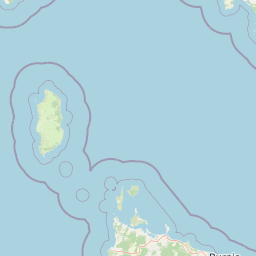
Map view of Rocky Cape National Park

Use this park location map to pinpoint Rocky Cape National Park in Australia, understand its exact geographic position, and read its mapped placement within the surrounding landscape more clearly.

Pigeon | © OpenStreetMap contributors

Location context for Rocky Cape National Park

Tasmania
Park atlas

Compare the unique coastal landscapes and Aboriginal heritage sites within Tasmania's North West Coast, extending beyond Rocky Cape National Park.

Browse Protected Areas Near Rocky Cape National Park, Tracing Tasmania's North West Coast
Explore a curated selection of national parks and protected areas near Rocky Cape National Park, tracing the geographic spread of conservation efforts across Tasmania's North West Coast. This atlas perspective helps compare diverse coastal environments, rich Aboriginal heritage sites, and distinctive heathland ecosystems, enriching your understanding of the region's protected landscapes.
National parkTasmania

Narawntapu National Park: Tasmania's Coastal Protected Landscape and Wildlife Atlas

Explore mapped boundaries, heathland, woodland, and intertidal bird habitats.

Narawntapu National Park showcases a remarkable protected coastal landscape on Tasmania's north coast, renowned for its exceptional density of marsupial wildlife and significant intertidal bird populations. Its diverse terrain, including heathland, woodland, and extensive mudflats, offers unique opportunities for geographic discovery and understanding the park's ecological importance. Examine its mapped natural features and protected status within the broader atlas of Australian reserves.

Area
43.49 km²
Established
1976
IUCN
II
National parkTasmania

Cradle Mountain, Lake St Clair National Park: Tasmania's Mapped Protected Landscape and Geography

Explore national park boundaries and regional natural terrain.

Gain insight into Cradle Mountain, Lake St Clair National Park, a protected national park in Tasmania, Australia. This entry provides a foundational understanding of its mapped terrain, geographic setting, and protected area status. Delve into the specific landscape characteristics that define this significant conservation zone and its place within the national atlas.

Area
1,614.43 km²
Established
1922
IUCN
II
National parkTasmania

Walls of Jerusalem National Park: A Mapped Alpine Wilderness in Tasmania

Explore protected landscapes with biblical place names.

Walls of Jerusalem National Park in Tasmania is a distinguished national park characterized by its rugged alpine terrain and dramatic quartzite formations, most notably King Davids Peak. The park's landscape is further distinguished by a unique series of features named after biblical locations, offering an evocative exploration for those interested in geographic discovery. As a protected wilderness area within the Tasmanian Wilderness World Heritage Area, it provides valuable insight into Australia's significant natural landscapes and their mapped representation.

Area
518 km²
Established
1978
IUCN
II
National parkTasmania

Southwest National Park: Tasmania's Core Wilderness National Park and World Heritage Landscape

Mapping the remote buttongrass moorlands and rugged terrain of this expansive park.

Southwest National Park represents a significant protected area in Tasmania, Australia, spanning over 6,183 square kilometers. As the heart of the Tasmanian Wilderness World Heritage Area, it showcases an extraordinary landscape characterized by vast buttongrass moorlands, ancient temperate rainforests, and dramatic mountainous terrain. This park is vital for its wilderness character and conservation significance, offering a unique opportunity to explore one of the Southern Hemisphere's last remaining untouched temperate wildernesses through its mapped geography and protected boundaries.

Area
6,182.67 km²
Established
1968
IUCN
II
Marine protected areaVictoria

Corner Inlet Marine National Park: Victoria Marine Protected Area Exploration

Mapped marine landscape and protected wetland discovery in South Gippsland.

Corner Inlet Marine National Park offers a distinct focus on protected marine environments and coastal wetland geography. As a significant marine protected area in Victoria, it showcases the ecological dynamics of a Ramsar-listed inlet, featuring extensive seagrass beds and intertidal habitats. This park provides essential context for understanding Victoria's network of protected marine landscapes and their interconnectedness with adjacent conservation areas.

Area
15.5 km²
Established
2002
IUCN
II
National parkTasmania

Freycinet National Park: Iconic Granite Peaks and Protected Coastal Landscape in Tasmania

Mapped geography and distinct terrain of Tasmania's historic national park.

Freycinet National Park on Tasmania's east coast is a remarkable protected landscape defined by its dramatic granite mountains, including The Hazards, and the pristine Wineglass Bay. Established as one of Tasmania's first national parks, it showcases unique geological formations and coastal ecosystems across its rugged terrain. This detailed view provides an atlas-style exploration of its mapped boundaries and geographic significance within the regional context.

Area
169 km²
Established
1916
IUCN
II
National parkVictoria

Tarra-Bulga National Park: Victoria's Remnant Temperate Rainforest Protected Landscape

Explore its mapped terrain and unique geographic setting.

Tarra-Bulga National Park offers a glimpse into Victoria's past with its exceptionally preserved temperate rainforest and towering mountain ash forests. Situated in the Strzelecki Ranges, this protected area is critical for understanding regional biodiversity and landscape evolution. Explore the mapped terrain, deep valleys, and fern-filled gullies that define its unique geographic character and protected status.

Area
15.22 km²
Established
1986
IUCN
II
National parkVictoria

Morwell National Park: Victoria's Protected Wet Sclerophyll Forest and Rainforest

Mapping the diverse flora and fauna of this key national park.

Morwell National Park is a protected national park in Victoria, Australia, renowned for its significant plant diversity and the preservation of wet sclerophyll forests alongside cool temperate rainforest pockets in its gullies. Located within the Strzelecki Ranges, the park's mapped geography illustrates the varied terrain supporting these distinct forest communities. As a conservation area driven by community advocacy, it stands as a vital reserve for regional biodiversity, offering a focused study of Victoria's unique protected landscapes and their ecological significance.

Area
5.65 km²
Established
1966
IUCN
III

Common questions about visiting, size, designation, and location context for Rocky Cape National Park

Rocky Cape National Park FAQs for park facts, access, geography, and protected area context
Find quick answers about Rocky Cape National Park, including protected-area facts, park geography, trail and visitor context, and how the park fits into its surrounding country and regional landscape.
MoriAtlas Explorer

Continue Your Protected Areas Search Across the Global Atlas

Deepen your exploration by continuing the structured search for national parks and protected areas worldwide. Utilize the comprehensive filtering capabilities to compare different conservation landscapes and refine your understanding of global park geography. Discover more about the distribution and characteristics of protected natural areas.

Global natural geography