
Why Fitzgerald River National Park stands out
Fitzgerald River National Park is best known for its extraordinary botanical significance and as one of Australia's premier locations for observing southern right whale calving. The park protects an astonishing concentration of endemic flora, with 75 species found exclusively within its boundaries and an additional 250 species considered rare or restricted in distribution. The Barren Range and Eyre Range provide dramatic backdrop while the coastal areas around Point Ann serve as critical habitat for southern right whales during their winter migration. The park's designation as a UNESCO Biosphere Reserve reflects its global importance as a living laboratory for understanding Mediterranean-climate ecosystem function and the extraordinary evolutionary processes that have produced this biodiversity hotspot.
Fitzgerald River National Park history and protected-area timeline
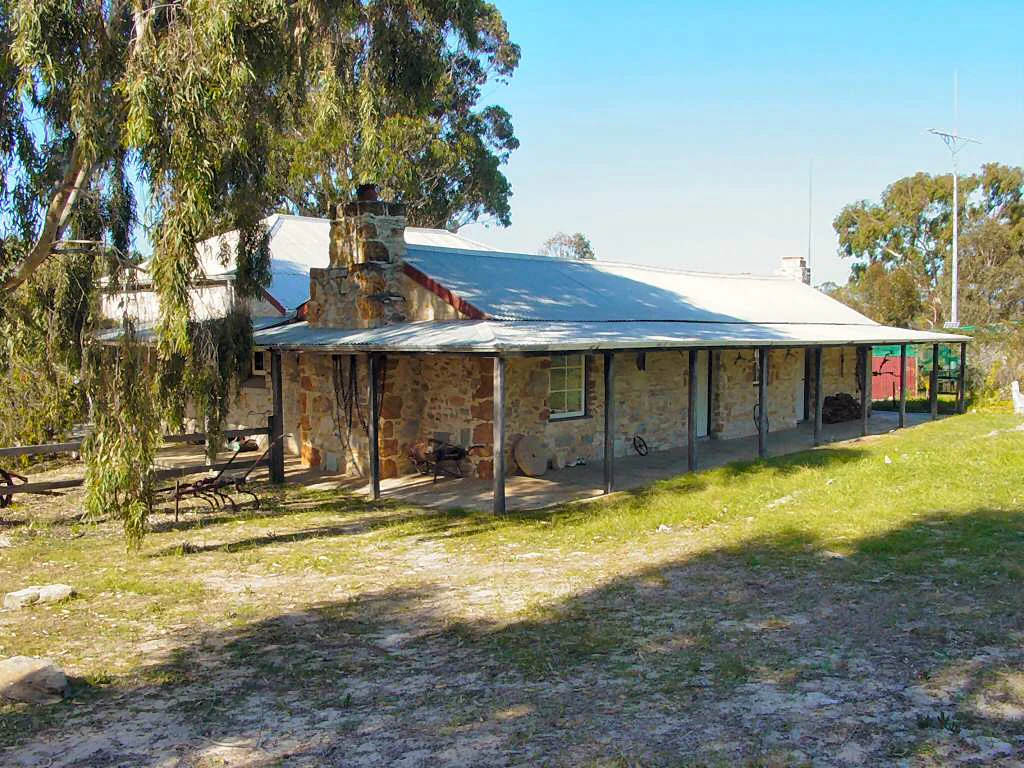
The land now comprising Fitzgerald River National Park has been continuously inhabited for tens of thousands of years by the Goreng, Mineng, and Wudjari peoples of the Noongar Aboriginal nation, whose traditional connection to this landscape predates European settlement by millennia. European exploration of the region began in the early nineteenth century, with pastoral leases established throughout the area during the mid-1800s. The Quaalup Homestead was constructed in 1858 by the Wellstead family and represents one of the earliest European structures in the region, later taken over by the Hassell family in 1890. The area gained recognition as a national park in 1973, formalising protection for its outstanding natural values. In 2009, the park received significant infrastructure investment through a joint federal and state government stimulus package worth $40 million, which funded road upgrades, the construction of a long-distance walking trail between Bremer Bay and Hopetoun, and improvements to visitor facilities. The park was inscribed on Australia's National Heritage List in 2007, recognising its outstanding universal value under the Environment and Biodiversity Conservation Act.
Fitzgerald River National Park landscape and geographic character
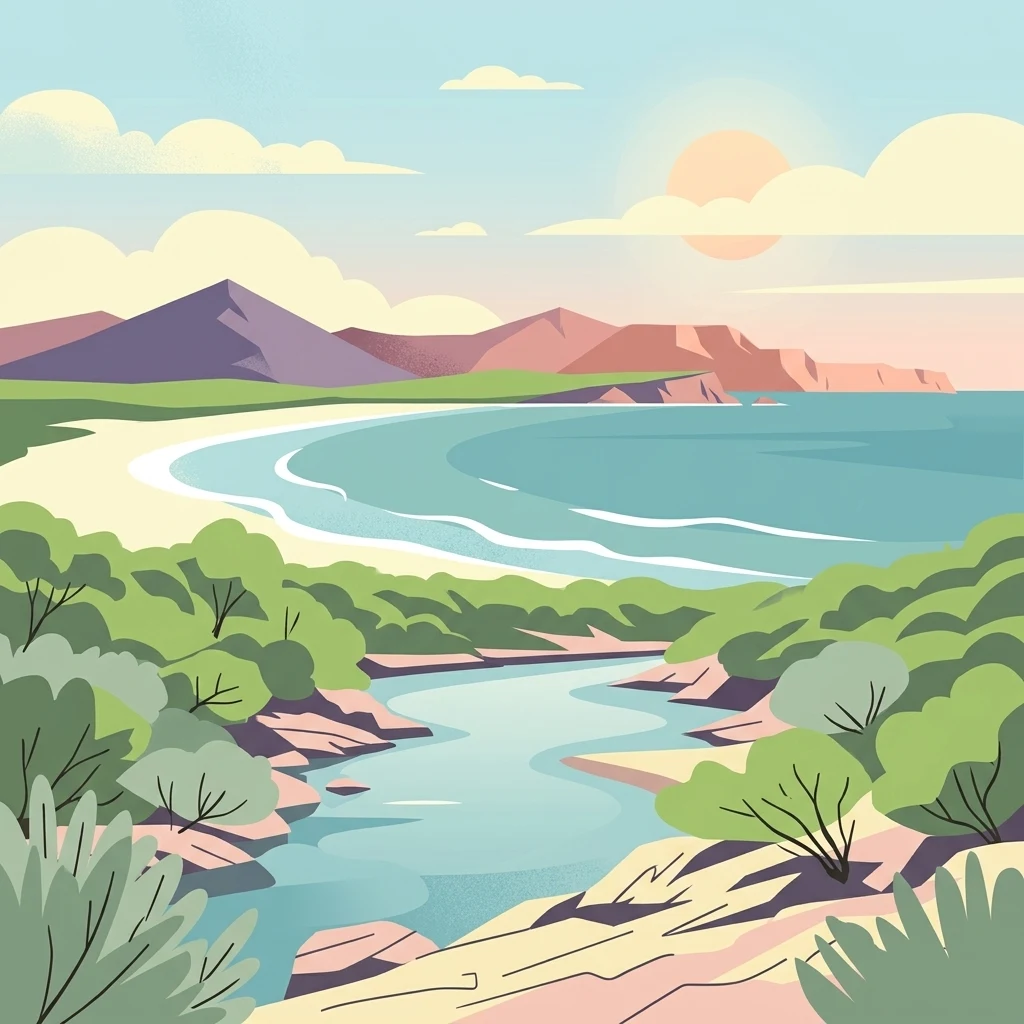
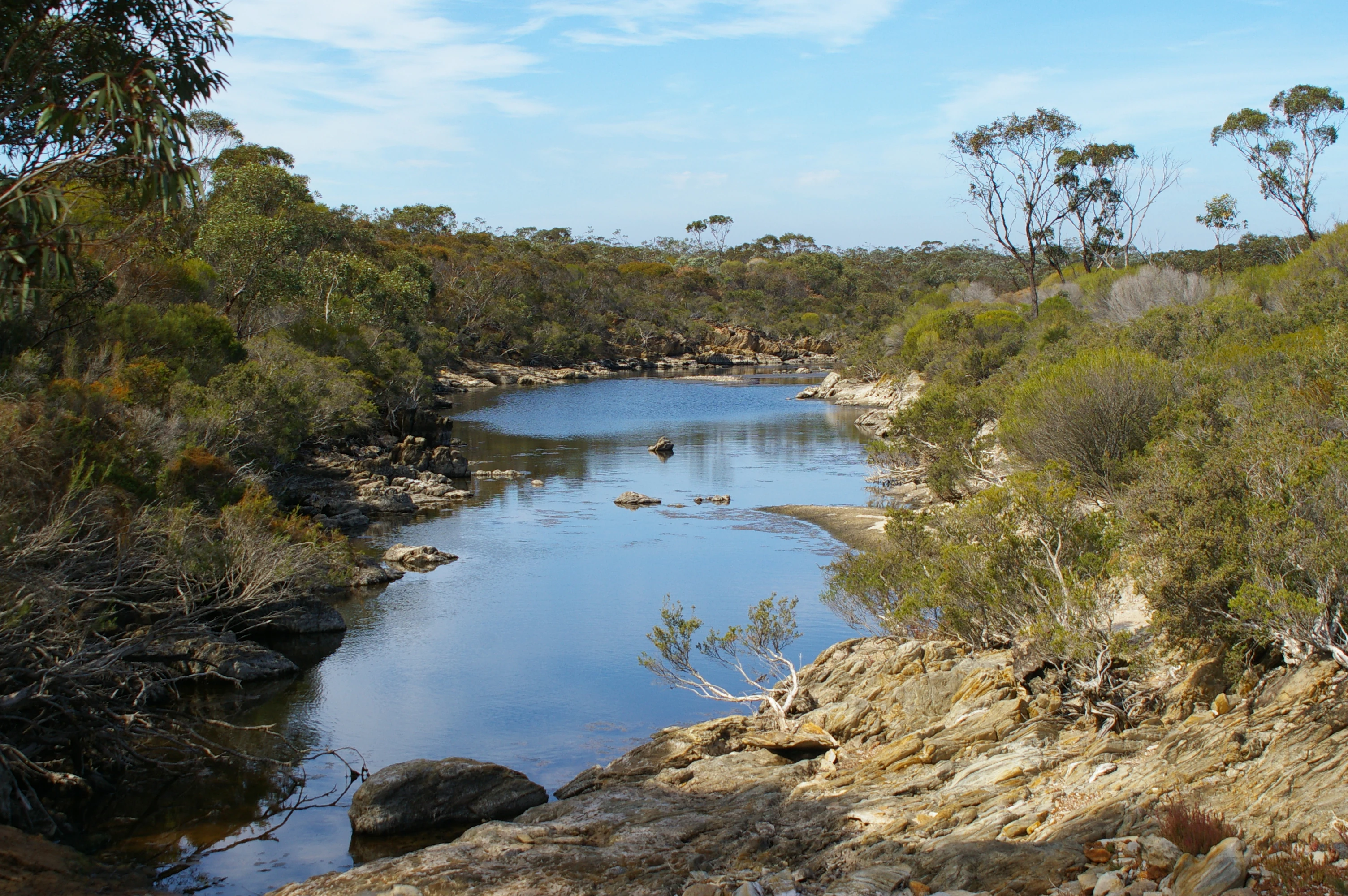
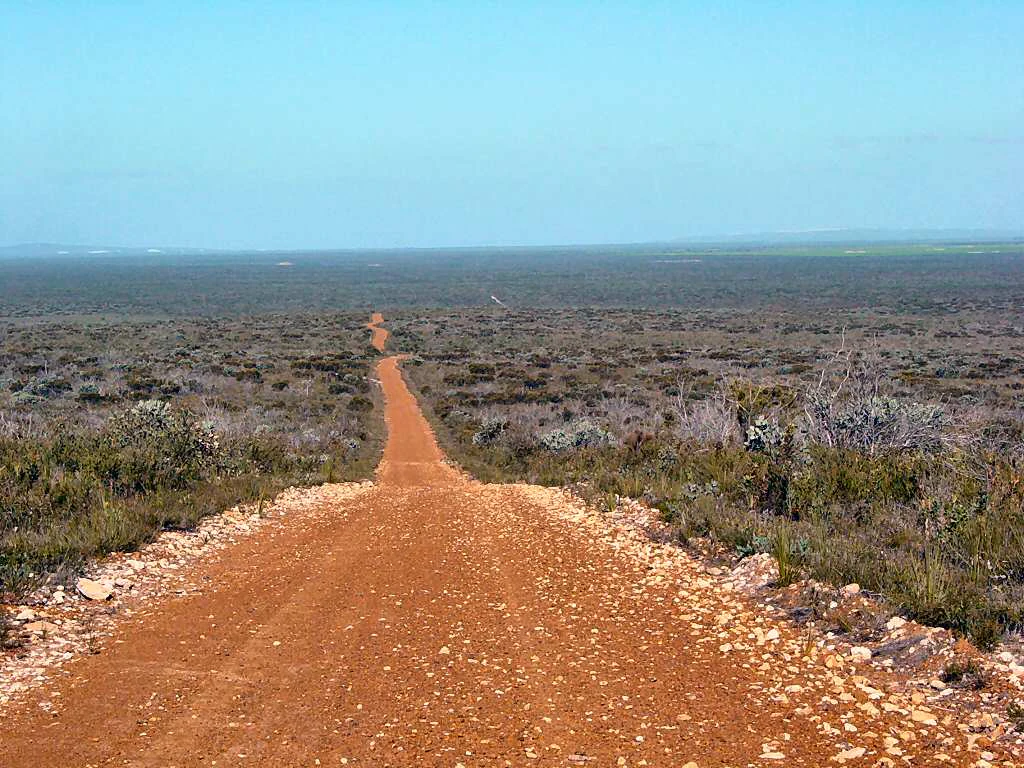
The topography of Fitzgerald River National Park is characterised by a remarkable diversity of landforms within a relatively compact area. The Barren Range rises sharply from the surrounding plains, with East Mount Barren, Middle Mount Barren, and West Mount Barren forming prominent peaks that dominate the park's interior. These ancient ranges are composed of weathered granite and laterite, with exposed rock faces and steep ridges creating dramatic scenery. The Eyre Range provides additional elevation and visual definition to the western portions of the park. Between these ranges, the Fitzgerald River and Hamersley River have carved valleys that carry seasonal flows inland to estuaries including Culham Inlet and Hamersley Inlet. The coastal zone features cliff faces, sandy beaches, and sheltered coves, with Point Ann offering panoramic views over the Southern Ocean. Inland areas give way to extensive plains and dunes, with the landscape transitioning between coastal heath, mallee woodland, and scrubland communities.
Fitzgerald River National Park ecosystems, habitats, and plant life
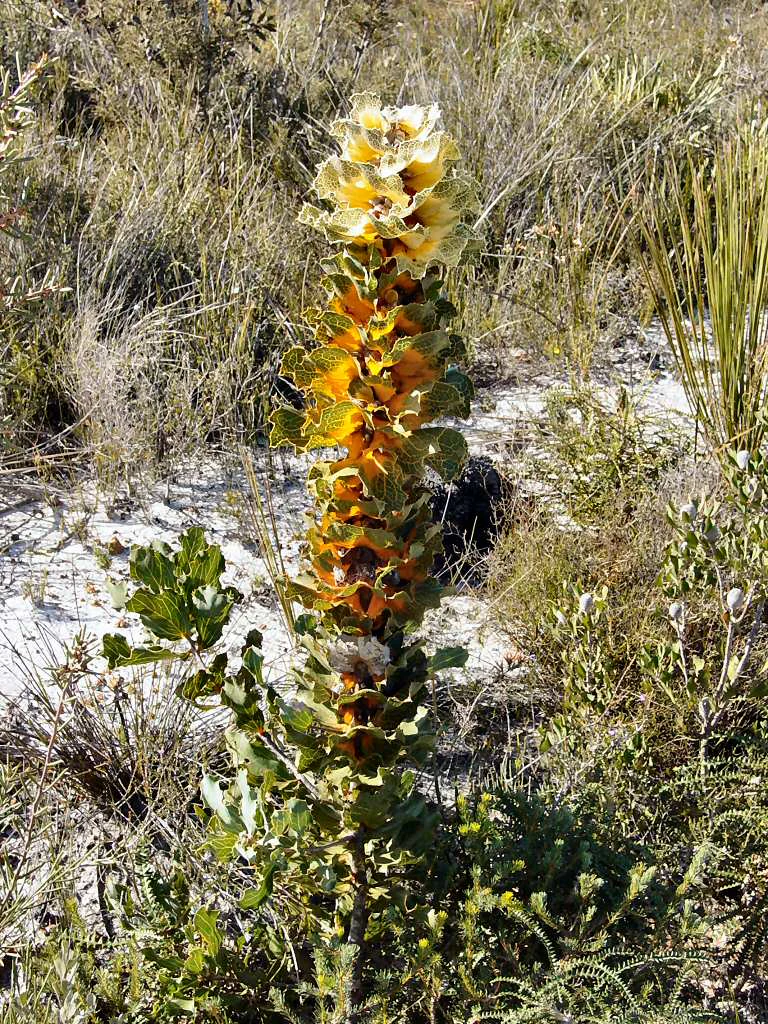
The ecological character of Fitzgerald River National Park is defined by its location within one of the world's biodiversity hotspots. The Mediterranean-climate of southwestern Australia has produced extraordinarily diverse plant communities, and the park protects representative examples of virtually all major habitat types found in the region. The park's floral inventory documents 1,748 plant taxa, a figure that places it among the most species-rich areas on the planet relative to its size. Approximately 250 species within the park are considered rare or restricted in distribution, while 75 species are endemic and found nowhere else on Earth. Vegetation communities range from coastal heath and dune systems through to mallee woodlands, shrublands, and the distinctive kwongan heath that dominates much of the sandplain country. The Fitzgerald Biosphere designation by UNESCO recognises the park's role as an internationally significant example of sustainable development and conservation in a Mediterranean-climate ecosystem.
Fitzgerald River National Park wildlife and species highlights
Fitzgerald River National Park supports a remarkable assembly of fauna despite its relatively harsh Mediterranean environment. Twenty-two mammal species have been recorded within the park, including several that are rare or threatened. The dibbler and heath mouse were both thought to be extinct before being rediscovered in the region, while the tammar wallaby and woylie occupy mallee and heath habitats throughout the park. The quenda, chuditch, and red-tailed phascogale represent additional marsupial species adapted to the park's diverse habitats. Birdlife is particularly diverse, with over 200 species recorded including the western bristlebird, western ground parrot, and western whipbird which are among the more restricted species found here. The park is recognised as an Important Bird Area, with the endangered malleefowl known to nest in the park's woodlands. Reptiles are well-represented with 41 species, while 12 frog species inhabit the wetlands and watercourses. Coastal and wetland areas provide critical habitat for migratory birds including the white-bellied sea eagle, Pacific swift, and Caspian tern.
Fitzgerald River National Park conservation status and protection priorities
The conservation significance of Fitzgerald River National Park cannot be overstated, as it represents one of the most important protected areas in Australia for biodiversity preservation. Its listing on Australia's National Heritage List recognises outstanding universal values, particularly the extraordinary concentration of endemic plant species. The park contains approximately 20 percent of Western Australia's described plant species despite occupying only 0.2 percent of the state's land area, making it a repository of evolutionary heritage of global importance. As a UNESCO Biosphere Reserve, the park serves dual roles in biodiversity conservation and sustainable land management. Several plant species within the park are classified as endangered, including Boronia clavata with only around 100 individuals remaining across five populations, and the barrens wedding bush and fan-leaf grevillea. Management challenges include controlling the spread of Phytophthora cinnamomi root rot, which has led to restrictions on access to many of the park's peaks to prevent disease transmission.
Fitzgerald River National Park cultural meaning and human context
Fitzgerald River National Park lies within the traditional country of the Goreng, Mineng, and Wudjari peoples of the Noongar Aboriginal nation, whose cultural connections to this landscape extend deep into prehistory. The Noongar people have inhabited the southern coast of Western Australia for tens of thousands of years, with the park's rivers, ranges, and coastal areas holding significant cultural and spiritual meaning. European settlement of the region began in the early nineteenth century, introducing pastoralism to lands that had been managed by Indigenous fire practices for millennia. The Quaalup Homestead, built in 1858, represents the surviving physical legacy of early European settlement in the region and now operates as a wilderness retreat. Historical accounts, including writings by Ethel Hassell in the late nineteenth century, document both the landscape and the interactions between early settlers and Noongar people in the area.
Top sights and standout views in Fitzgerald River National Park
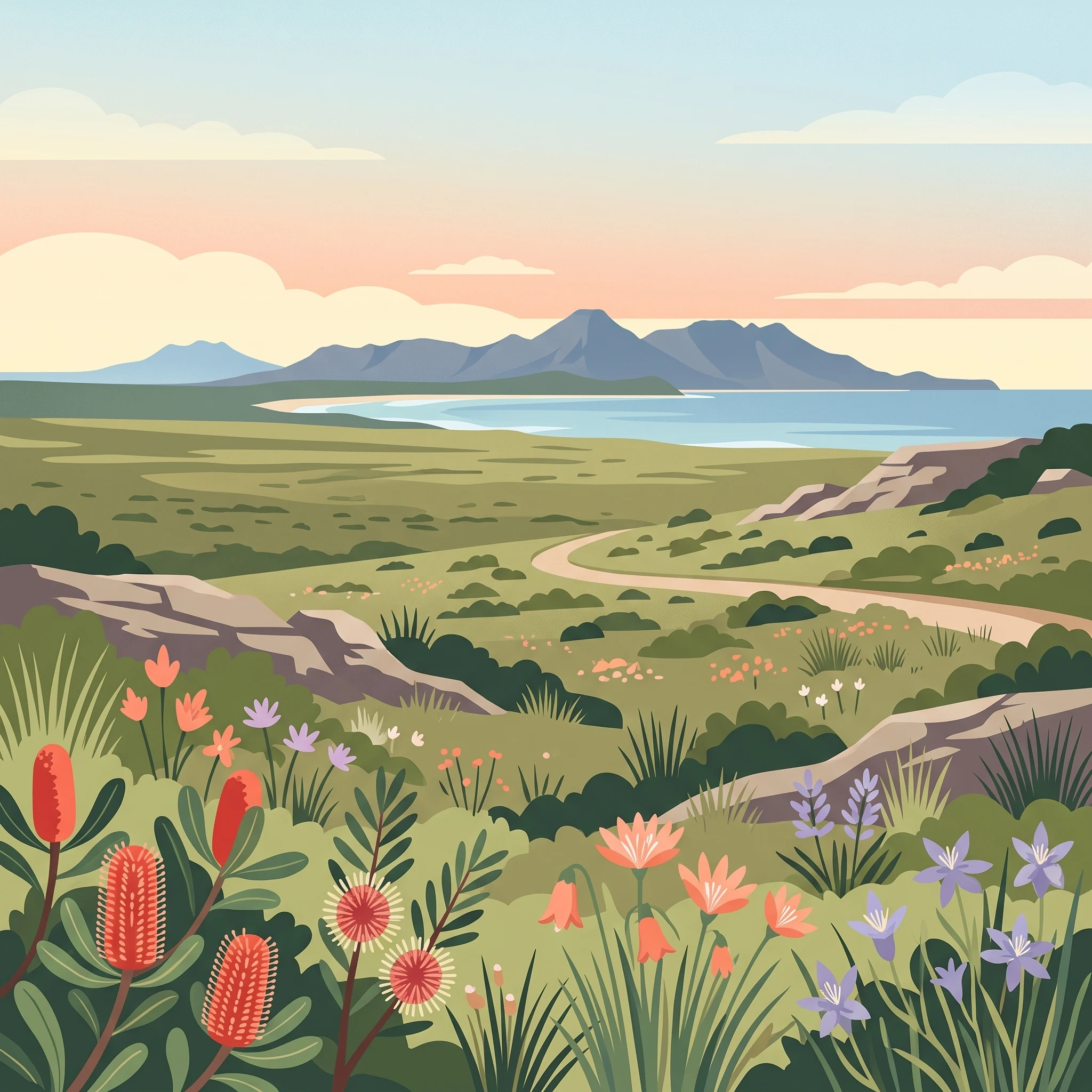
Fitzgerald River National Park offers visitors exceptional experiences centred on its outstanding natural values. The park is one of only two locations in Australia where southern right whales come to calve, with Point Ann providing optimal whale watching opportunities during the winter months. The Barren Range peaks, particularly West Mount Barren, offer challenging hikes with spectacular panoramic views across the park and coastline. The botanical displays are particularly impressive in spring when wildflowers transform the heathlands into carpets of colour featuring royal hakea, Qualup bell, scarlet banksia, and numerous featherflower species. The Quaalup Homestead provides a historical window into nineteenth-century pastoral life in the region. Four-wheel-drive tracks provide access to the more remote areas of the park, while the multi-day walk between Bremer Bay and Hopetoun showcases the park's diverse landscapes.
Best time to visit Fitzgerald River National Park
The optimal time to visit Fitzgerald River National Park depends on the experience sought, though the spring months from September to November generally offer the most favourable conditions for exploring the park's natural wonders. During this period, wildflower displays reach their peak, with the kwongan heath and mallee communities producing spectacular displays of colour as numerous species flower in succession. The weather is typically mild with comfortable daytime temperatures for hiking and outdoor activities. Winter, from June to August, brings the southern right whale migration, with pregnant cows arriving at Point Ann to give birth in the sheltered coastal waters. This period can be wet and cold, but offers unique wildlife viewing opportunities that draw dedicated whale watchers. Summer months can be hot and dry, limiting some activities but providing opportunities for coastal recreation and beach exploration. The park can be visited year-round, though summer temperatures may make strenuous hiking uncomfortable and some inland roads may become impassable after rains.