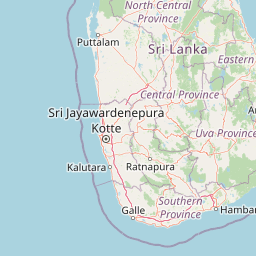
Why Gal Oya National Park stands out
Gal Oya National Park is most renowned for its year-round elephant populations, which unlike many other Sri Lankan parks where elephants are seasonal migrants, can be observed consistently throughout the year. The park's extensive savannah grasslands, known as thalawa in Sinhalese, create a distinctive landscape where elephants, axis deer, and sambar deer graze in open view against a backdrop of forested hills. The park also holds significant cultural importance due to the ancient Dighavapi stupa, a 2nd-century BC Buddhist site where Buddha is believed to have meditated during his third visit to Sri Lanka. Additionally, the reservoir offers unique boat-based wildlife viewing opportunities, with Bird's Island serving as a nesting site for water birds.
Gal Oya National Park history and protected-area timeline
Gal Oya National Park was officially established on February 12, 1954, as part of a broader conservation initiative tied to the Gal Oya development project. The creation of Senanayake Samudraya, Sri Lanka's largest reservoir, necessitated the protection of surrounding lands to preserve the catchment area and prevent soil erosion that could compromise the reservoir's function. From 1954 until 1965, the Gal Oya Development Board administered the park and associated protected areas, which included not only the national park but also the Senanayake Samudraya Sanctuary, Gal Oya valley north-east Sanctuary, and Gal Oya valley south-east Sanctuary. These four protected areas together encompassed approximately 63,000 hectares. In 1965, administration transferred to the Department of Wildlife Conservation, which assumed responsibility for habitat protection, wildlife management, and enforcement of flora and fauna ordinances. An additional protected area, Buddhangala Sanctuary, was designated in 1974, preserving a monastery with ancient stupa ruins near Malwattai. Rangers are stationed at four locations across the park: Inginiyagala, Mullegama, Nilgala, and Baduluwela.
Gal Oya National Park landscape and geographic character
The physical landscape of Gal Oya National Park exhibits considerable topographic variation, ranging from lowland areas at approximately 30 meters above sea level to mountainous terrain reaching about 900 meters elevation. Three prominent peaks define the park's mountainous areas: Danigala, Nilgala, and Ulpotha, each contributing to the park's scenic diversity. The landscape is bisected by Senanayake Samudraya, Sri Lanka's largest reservoir, which was created by damming the Gal Oya River at Inginiyagala in 1950. Where the Gal Oya River descends into the reservoir, water flows through a natural tunnel formation known as Makara Kata, or dragon's mouth, in Sinhalese. The park contains extensive savannah grasslands called thalawa, characterized by rough grass species including Cymbopogon nardus and Imperata cylindrica. These grasslands alternate with forested areas and shrubland, creating a park landscape that combines open savannah views with forested hillsides and the expansive reservoir.
Gal Oya National Park ecosystems, habitats, and plant life
The ecological character of Gal Oya National Park is defined by a三元 vegetation structure consisting of forest, shrub, and grassland communities. The savannah grasslands, known as thalawa, dominate significant portions of the park and represent a semi-natural ecosystem maintained by both natural fire cycles and historical cattle grazing by local villagers. When these grasslands are burned and regenerate, they are referred to as Damana grasslands. The park also supports mountainous grassland areas called pathana at higher elevations. Forest areas contain commercially and ecologically significant tree species including Pterocarpus marsupium, Cassia fistula, Berrya cordifolia, and Mango species including the endemic Mangifera zeylanica. The park holds particular botanical significance for containing three of the primary herbs used in Ayurvedic Triphala medicine: Terminalia chebula, Terminalia bellirica, and Emblica officinalis. Additional rare medicinal plants include Careya arborea, and the ecosystem supports common species such as longan, various Diospyros and Ziziphus species, and Mallotus repandus.
Gal Oya National Park wildlife and species highlights
Gal Oya National Park supports remarkable wildlife diversity, with 32 terrestrial mammal species recorded within its boundaries. The Sri Lankan elephant represents the park's most iconic species, with herds visible throughout the year unlike the seasonal migration patterns seen in other Sri Lankan protected areas. Large herbivores include the Sri Lankan axis deer, Sri Lankan sambar deer, Indian muntjac, water buffalo, and wild boar. Predators present in the park include the Sri Lanka leopard and toque monkey. Reptile species include the mugger crocodile and Indian star tortoise. Bird diversity is exceptional, with more than 150 species recorded. Notable resident birds include the lesser adjutant, spot-billed pelican, and red-faced malkoha. The Senanayake Samudraya reservoir supports abundant water bird populations including Indian cormorants, Oriental darters, grey herons, and lesser whistling ducks. Raptors of the area include the white-bellied sea eagle and grey-headed fish eagle. The park also supports butterfly species including the endemic lesser albatross.
Gal Oya National Park conservation status and protection priorities
Gal Oya National Park faces several conservation challenges despite its protected status. Illegal logging has resulted in the clearing of approximately 30 acres of forest, representing a direct threat to habitat integrity. The smuggling of medicinal plants from the forest also occurs, driven by demand for rare species with pharmaceutical value. Ranger staffing levels have proven inadequate to effectively prevent these illegal activities and enforce wildlife protection regulations. The Department of Wildlife Conservation has faced criticism regarding animal welfare, including instances where veterinary care was not provided to injured elephants. Proposed conservation measures include establishing a jungle corridor connecting Gal Oya National Park with Maduru Oya National Park, which would facilitate wildlife movement between protected areas and support genetic exchange. The park's role as the primary catchment for Sri Lanka's largest reservoir creates additional conservation imperatives related to watershed protection and water resource sustainability.
Gal Oya National Park cultural meaning and human context
Gal Oya National Park contains significant cultural and archaeological sites that add depth to its protected area status. The Dighavapi stupa, located within the park's boundaries, is an ancient Buddhist monument dating to the 2nd century BC, built on a site where Buddha is believed to have meditated during his third visit to Sri Lanka. This stupa attracts thousands of pilgrims annually, integrating the park into active religious practice. Danigala holds particular historical significance as the former home of the Henebadde Veddas, a community of indigenous people in Sri Lanka. A rock shelter near the Henebedde cave contains Brahmi script inscriptions, providing evidence of ancient human occupation and cultural activity in the area. The Buddhangala Sanctuary, established in 1974, preserves monastery ruins including a stupa and other historical buildings in the nearby Malwattai area, further connecting the protected landscape to Sri Lanka's Buddhist heritage.
Top sights and standout views in Gal Oya National Park
Gal Oya National Park offers distinctive wildlife experiences centered on its year-round elephant populations, which can be observed from both land-based game drives and boat trips across Senanayake Samudraya. The park's savannah grasslands provide optimal conditions for viewing not only elephants but also axis deer, sambar deer, and potential leopard sightings against open terrain. The Dighavapi stupa adds a cultural dimension unique among Sri Lankan national parks, combining wildlife exploration with access to ancient Buddhist heritage. The Makara Kata waterfall where the Gal Oya River enters the reservoir creates a scenic natural feature accessible by boat. Bird Island provides nesting habitat for water birds, enhancing the park's appeal for birdwatchers interested in species such as spot-billed pelicans, lesser adjutants, and various heron species. The rare Brahmi inscriptions at Danigala connect visitors to the island's ancient history and indigenous communities.
Best time to visit Gal Oya National Park
The optimal period for visiting Gal Oya National Park coincides with the northeast monsoon season from October through December, when the park receives its average annual rainfall of approximately 1,700 millimeters. This period fills Senanayake Samudraya to its fullest capacity, enhancing boat-based wildlife viewing opportunities and creating lush green landscape conditions. The vegetation remains vibrant during and shortly after the monsoon, though some grassland areas may show evidence of seasonal burning by local communities. Dry season visits from January to April offer easier wildlife viewing as animals congregate more visible at remaining water sources, though temperatures can be higher. The park can be accessed year-round, and elephant populations remain visible throughout the year due to their resident status rather than seasonal migration patterns.