

Mori Atlas logo
National parkHorowpathana National Park

Discover mapped boundaries and landscape context within North Central Province's vital protected area.

Horowpathana National Park: Sri Lanka's Protected Dry Zone Forest & Wildlife Atlas

Horowpathana National Park represents a significant protected landscape in Sri Lanka's North Central Province, safeguarding crucial dry zone forest ecosystems and critical habitats for iconic wildlife. Established in 2011, this national park spans approximately 2,570 hectares, notable for its strategic location near the Tawalamham Hammillewa reservoir system and its relatively high rainfall for the region. The park's geography is defined by its role as a refuge for endangered species, particularly Sri Lankan elephants and leopards, and its contribution to addressing human-wildlife conflict within the island's mapped natural areas.

Dry Zone ForestElephant HabitatLeopard ConservationNorth Central ProvinceWildlife SanctuarySri Lankan Elephant

Horowpathana National Park

National park

Park overview

Structured park overview, official facts, and landscape profile for Horowpathana National Park

Horowpathana National Park park facts, protected area profile, and essential visitor context
Review the core facts for Horowpathana National Park, including designation, size, terrain, visitor scale, habitats, and operating context in one park-focused overview.

About Horowpathana National Park

Horowpathana National Park represents one of Sri Lanka's most recent additions to its protected area network, created in response to both the exceptional biodiversity of the region and the pressing need to address human-wildlife conflict in the island's north central dry zone. The park encompasses approximately 2,570 hectares of primarily dry zone forest, positioned strategically within the North Central Province where rainfall levels exceed those of surrounding areas, making it an ecological island of relative abundance within a generally arid landscape. The park's boundaries are defined by the Tawalamham Hammillewa reservoir system to the north, the Kapugollewa Horowpothana road to the east, the A29 highway to the south, and the Welimuwapothanna Wewa reservoir to the west. This positioning places the park within a historic irrigation landscape, with the Sinhalese etymology of Horowpathana itself referring to an ancient seven-channel sluice system, reflecting the long history of water management in this region. The establishment of Horowpathana as a national park marked a deliberate policy choice to consolidate protection for an area that had previously faced threats from poaching, unauthorized timber logging, and expanding agricultural encroachment.

Quick facts and research context for Horowpathana National Park

Horowpathana National Park is located in the North Central Province of Sri Lanka, spanning approximately 2,570 hectares of dry zone forest. Established on December 6, 2011, it is the newest of Sri Lanka's national parks and is administered by the Department of Wildlife Conservation. The park lies on the left bank of the Tawalamham Hammillewa irrigation system at an elevation of 100 meters above sea level. The area is distinguished by its relatively high rainfall for the dry zone, supporting dense forest cover and significant biodiversity. The park contains Sri Lanka's first Elephant Holding Ground, established in 2015 to relocate problem elephants from various parts of the country.

Park context

Deeper park guide and search-rich context for Horowpathana National Park

Horowpathana National Park history, landscape, wildlife, and travel context
Explore Horowpathana National Park through its history, landscape character, ecosystems, wildlife, conservation priorities, cultural context, and seasonal travel timing in a structured park guide built for atlas discovery and search intent.

Why Horowpathana National Park stands out

Horowpathana National Park is most significant for its substantial populations of Sri Lankan elephants and leopards, two of the island's most iconic and endangered large mammals. The park was specifically established to protect what was recognized as a critical elephant habitat, with officials estimating approximately 400 wild elephants in the forest at the time of the park's creation. Beyond these flagship species, the park protects populations of sambar deer, sloth bears, mouse-deer, and numerous other dry zone wildlife. The park's establishment also reflected a strategic effort to reduce human-elephant conflict that had caused damage to village cultivations in the surrounding agricultural landscape.

Horowpathana National Park history and protected-area timeline

The creation of Horowpathana National Park traces to 2005 when the Minister for Environment and Natural Resources, A.H.M. Fowzie, directed the Director-General of the Department of Wildlife Conservation to initiate proceedings for establishing a new protected area. The minister's directive recognized the exceptional biodiversity of the forest, which had been identified as receiving the highest rainfall in the Anuradhapura District, making it a critical ecological stronghold within the dry zone. At the time of the park's establishment, the forest supported significant populations of leopards, elephants, sambar deer, sloth bears, rabbits, and mouse-deer, with officials estimating approximately 400 wild elephants present. The formal legal establishment came through gazette notification No 1735/21 on December 6, 2011, officially creating Sri Lanka's 23rd national park. A significant development occurred in 2015 with the establishment of the country's first Elephant Holding Ground within the park, covering 930 hectares with capacity for 40 elephants to accommodate problem animals translocated from other regions. In September 2019, the park was expanded to incorporate additional land adjacent to the Elephant Retention Centre in Horowpothana.

Horowpathana National Park landscape and geographic character

The terrain of Horowpathana National Park consists of dry zone forest characteristic of north central Sri Lanka, situated at approximately 100 meters above sea level on the left bank of the Tawalamham Hammillewa reservoir system. The landscape is shaped by the historic irrigation infrastructure of the region, with the park's boundaries defined in relation to several ancient and modern reservoirs including the Tawalamham Hammillewa, Kapugollewa Ihala Divul Wewa, and Welimuwapothanna Wewa. Unlike the surrounding agricultural zones that have been extensively cleared for cultivation, the park maintains dense forest cover supported by the higher rainfall the area receives compared to the rest of the Anuradhapura District. The region represents a transition zone between the dry zone's typical arid conditions and more favorable moisture conditions, creating a refuge for species that require somewhat wetter conditions within the generally dry landscape.

Horowpathana National Park ecosystems, habitats, and plant life

The ecological character of Horowpathana National Park is defined by its position as a biodiversity hotspot within Sri Lanka's dry zone, where the relatively high rainfall creates conditions supporting richer forest ecosystems than surrounding areas. The park's dry zone forest habitat provides critical ecological services and serves as a refuge for species adapted to more moist conditions within an otherwise arid region. Beyond the large mammals that have drawn attention to the area, the forest supports diverse invertebrate communities, numerous bird species, and the smaller mammals that form the base of the food web supporting leopards and other predators. The protection of this area addresses a conservation priority for Sri Lanka, as the dry zone contains many endemic species whose survival depends on the preservation of remaining forest patches.

Horowpathana National Park wildlife and species highlights

Horowpathana National Park is home to several of Sri Lanka's most significant wildlife species, with the Sri Lankan elephant and leopard serving as the park's flagship mammals. At the time of the park's establishment in 2011, wildlife officials estimated approximately 400 wild elephants inhabited the forest, a substantial population that justified the park's creation both on conservation grounds and to address human-elephant conflict affecting nearby agricultural communities. The park also supports populations of sambar deer, the largest deer species in Sri Lanka, as well as sloth bears and mouse-deer, the latter being one of the smallest hoofed mammals in the world. This assemblage of large mammals positions Horowpathana as an important area for predator-prey dynamics and represents significant habitat for species that have faced population pressures across much of their range in Sri Lanka.

Horowpathana National Park conservation status and protection priorities

The establishment of Horowpathana National Park reflects Sri Lanka's approach to addressing both biodiversity conservation and human-wildlife conflict in the island's densely populated dry zone. The park was created specifically to minimize conflicts between elephants and farmers whose cultivations had been damaged by wildlife moving between forest patches and agricultural lands. Beyond protecting the forest itself, the designation aimed to combat poaching and unauthorized timber extraction that had threatened wildlife populations in the region. The creation of the Elephant Holding Ground in 2015 represented an innovative approach to managing problem elephants, though this facility has attracted criticism regarding its methods and the translocation process. The park's 2019 expansion to include additional land adjacent to the Elephant Retention Centre demonstrates the ongoing commitment to protecting this ecosystem and managing the complex relationships between wildlife conservation and human communities in the region.

Horowpathana National Park cultural meaning and human context

The name Horowpathana derives from Sinhalese linguistic elements meaning 'sluice' and 'seven', referring to the area's historic irrigation system of seven channels that once managed water distribution from local reservoirs. This etymology places the park within the context of Sri Lanka's ancient water management heritage, as the North Central Province contains some of the island's most significant ancient irrigation infrastructure dating back to the Anuradhapura Kingdom period. The landscape surrounding the park has been shaped by centuries of agricultural development, with village settlements and cultivation patterns creating the human-wildlife interface that motivated the park's establishment. The park's location within the A29 highway corridor and its proximity to Anuradhapura, one of Sri Lanka's ancient capitals, connects the area to the broader cultural and historical fabric of the north central region.

Top sights and standout views in Horowpathana National Park

Horowpathana National Park stands as Sri Lanka's newest national park, established in 2011 to protect one of the dry zone's most biodiverse forest areas and address critical human-elephant conflict. The park hosts significant populations of Sri Lankan elephants and leopards within its 2,570-hectare boundary, representing vital habitat for two of the island's most endangered large mammals. The park contains the country's first Elephant Holding Ground, a unique facility for translocating problem elephants from agricultural areas. The region's relatively high rainfall for the dry zone creates conditions for exceptional biodiversity within the broader context of Sri Lanka's arid north central landscape. The park's boundaries encompass historic irrigation features, with the Sinhalese name reflecting ancient water management traditions.

Best time to visit Horowpathana National Park

The optimal time to visit Horowpathana National Park aligns with Sri Lanka's dry season, typically from May through September, when wildlife is more concentrated around remaining water sources and vegetation is less dense, improving visibility for game viewing. The park can be visited year-round, but the wet season from October to April brings more challenging conditions with denser vegetation and wildlife dispersed across a wider area. November through April represents the peak safari season across Sri Lanka's national parks, though Horowpathana remains less visited than more established destinations like Yala or Udawalawe, offering a wilder experience for those seeking to explore this newer protected area.

Park location guide

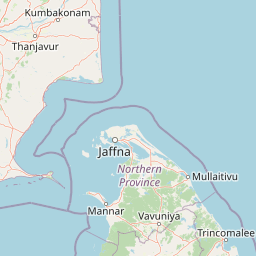
Geography guide, regional context, and park location map for Horowpathana National Park

Horowpathana National Park park geography, regions, and map view in Sri Lanka
Understand where Horowpathana National Park sits in Sri Lanka through a broader geographic reading of the surrounding landscape, nearby location context, and its mapped position within the national park landscape.

How Horowpathana National Park fits into Sri Lanka

Sri Lanka is a tropical island nation in South Asia with a recorded history spanning over 3,000 years. Formerly known as Ceylon, it became independent in 1948 and adopted its current constitutional name in 1972. The country features diverse geography ranging from coastal plains to mountainous highlands and maintains a population exceeding 22 million.

Wider geography shaping Horowpathana National Park in Sri Lanka

Sri Lanka is an island nation in the Indian Ocean, positioned southwest of the Bay of Bengal. It is separated from India by the Gulf of Mannar and Palk Strait to the northwest. The island has a pear-like shape with diverse terrain including coastal plains, central highlands, and river valleys.

Map view of Horowpathana National Park

Use this park location map to pinpoint Horowpathana National Park in Sri Lanka, understand its exact geographic position, and read its mapped placement within the surrounding landscape more clearly.

Pigeon | © OpenStreetMap contributors

Location context for Horowpathana National Park

North Central Province
Park atlas

Explore the geographic distribution of protected areas and compare adjacent park landscapes across Sri Lanka.

Compare Horowpathana National Park with Nearby Protected Areas and Regional Parks
Discover other national parks and protected areas near Horowpathana National Park, exploring the diverse dry zone forests and vital elephant habitats found across Sri Lanka's North Central Province. Use this geographic overview to compare landscape characteristics, conservation priorities, and the regional spread of protected areas, deepening your understanding of Sri Lanka's environmental atlas.
National parkNorth Central Province

Minneriya National Park: A Protected National Park in North Central Province

Explore mapped boundaries and regional landscape context.

Minneriya National Park is a designated national park offering unique protected landscape exploration within Sri Lanka's North Central Province. This entry provides structured data crucial for understanding the park's geographic features, its defined boundaries, and its significance as a protected area. Dive into the atlas context that illuminates the natural terrain and regional setting of Minneriya National Park.

Area
88.894 km²
Established
1997
IUCN
II
National parkNorthern Province

Madhu Road National Park: Sri Lanka's Northern Province Dry Zone National Park

Explore protected landscapes and mapped geography.

Madhu Road National Park, situated in Sri Lanka's Northern Province, is a significant protected area defined by its dry zone ecosystems, including forests, grasslands, and wetlands. As one of the island's larger national parks, it offers critical habitat for diverse wildlife and represents an important component of northern Sri Lanka's conservation efforts. This page provides detailed atlas-style insights into the park's geography, mapped boundaries, and its ecological context within the region.

Area
631 km²
Established
2015
IUCN
II
National parkNorth Central Province

Angammedilla National Park: Protecting the Watershed for Parakrama Samudra in North Central Province

Mapped dry evergreen forests and mountainous terrain boundaries.

Angammedilla National Park is a national park in Sri Lanka's North Central Province renowned for its pivotal role in safeguarding the drainage basin for the large Parakrama Samudra reservoir. This protected landscape features significant dry evergreen forest ecosystems and mountainous terrain, contributing to the region's ecological stability and wildlife habitats. Its establishment highlights a commitment to preserving vital natural resources and understanding the complex interplay between protected areas and regional geography.

Area
75.29 km²
Established
2006
IUCN
II
National parkNorth Central Province

Flood Plains National Park: Sri Lanka's Vital Wetland and Elephant Corridor

Mapping the geography of its unique villus system and Mahaweli River flood plain.

Flood Plains National Park stands as a paramount protected wetland ecosystem in Sri Lanka's North Central Province, critically important as an elephant corridor along the Mahaweli River. The park's landscape is defined by its unique villus system, shallow swampy depressions that support extraordinary biodiversity and serve as vital feeding grounds for Asian elephants and migratory waterfowl. Understanding the mapped park boundaries and its regional geographic context reveals its significance in landscape-level conservation efforts within the Mahaweli basin.

Area
173.5 km²
Established
1984
IUCN
II
National parkNorth Western Province

Wilpattu National Park: Sri Lanka's Largest Protected Landscape and Wetland Atlas

Discover the unique willu system and mapped geography of this National Park.

Wilpattu National Park represents a significant protected area within Sri Lanka's North Western Province, recognized for its vast expanse and the distinctive natural sand-rimmed water basins known as willu. This atlas entry provides a deep dive into the park's geographic setting, focusing on its dry zone forest, coastal lowland terrain, and the critical wetland habitats that define its ecological importance. Understand the mapped boundaries and landscape character of Wilpattu National Park, a key site for conservation and natural discovery.

Area
1,316.67 km²
Established
1938
IUCN
II
National parkNorthern Province

Adam's Bridge Marine National Park: Protected Coastal Landscape and Geographic Significance

Mapped marine geography and protected island ecosystems.

Adam's Bridge Marine National Park is a protected national park in Sri Lanka's Northern Province, notable for encompassing the legendary Adam's Bridge. This marine protected area safeguards critical shallow-water habitats, including seagrass meadows and sand dunes, which are vital for migratory birds, dugongs, and sea turtles. The park's unique geographic identity as a chain of limestone shoals and islands offers a distinct landscape for atlas-based discovery and understanding of coastal conservation significance.

Area
190 km²
Established
2015
IUCN
II
National parkTamil Nadu

Gulf of Mannar Marine National Park: Protected Island Archipelago and Marine Atlas

Explore India's vital marine national park and its coral reef ecosystems.

Gulf of Mannar Marine National Park is a designated national park located in Tamil Nadu, India, protecting a chain of 21 islands and their surrounding marine environments. This protected area is renowned for its extensive coral reefs, crucial seagrass meadows supporting dugongs, and diverse fish species, making it a key site for marine conservation and geographic exploration. The park's unique island landscape and intertidal zones offer a distinct perspective on coastal protected areas within the Indian Ocean, providing rich material for atlas-style discovery and understanding regional marine geography.

Area
560 km²
Established
1986
IUCN
II
Relief
Lowland
National parkUva Province

Gal Oya National Park: Protected Landscape and Reservoir Geography in Uva Province

Explore savannah grasslands, elephant populations, and mapped terrain.

Gal Oya National Park presents a unique protected landscape within Uva Province, Sri Lanka. This national park is defined by its broad savannah grasslands, known as thalawa, interspersed with forested hills and the vast Senanayake Samudraya reservoir. Its varied topography, from lowlands to mountain peaks, offers a rich canvas for geographic exploration and understanding protected-area dynamics. The park's consistent visibility of elephant populations across these diverse terrains makes it a key site for wildlife observation within Sri Lanka's atlas of natural heritage.

Area
259 km²
Established
1954
IUCN
II

Common questions about visiting, size, designation, and location context for Horowpathana National Park

Horowpathana National Park FAQs for park facts, access, geography, and protected area context
Find quick answers about Horowpathana National Park, including protected-area facts, park geography, trail and visitor context, and how the park fits into its surrounding country and regional landscape.
MoriAtlas Explorer

Continue Your Protected Areas Search Across the Global Atlas

Deepen your exploration by continuing the structured search for national parks and protected areas worldwide. Utilize the comprehensive filtering capabilities to compare different conservation landscapes and refine your understanding of global park geography. Discover more about the distribution and characteristics of protected natural areas.

Global natural geography