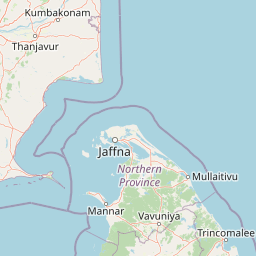

Why Wilpattu National Park stands out
Wilpattu is world-renowned for its exceptional leopard population, representing one of the highest density leopard populations in Sri Lanka. The park's 2018 camera trap survey recorded 133 individual leopards across a 660 square kilometer surveyed area, with a population density estimated at 18 leopards per 100 square kilometers. Beyond leopards, the park is distinguished by its unique willu lake system, natural sand-rimmed depressions that create a distinctive wetland landscape not found in other Sri Lankan national parks. The combination of dry zone forest, coastal ecosystems, and wetland habitats makes Wilpattu a critical conservation area in Sri Lanka's protected area network.
Wilpattu National Park history and protected-area timeline
Wilpattu National Park has a protection history dating back over a century. According to the Mahavansa chronicle, the area holds historical significance dating to 543 BC when Prince Vijaya landed at Tambapanni, now known as Kudrimalai Point or Horse Point, establishing the Sinhalese kingdom. The area was formally designated as a wildlife sanctuary in 1905 and upgraded to national park status on December 25, 1938. During the Sri Lankan Civil War, the park remained closed from December 1988 until March 16, 2003, a period of fifteen years during which wildlife populations were largely undisturbed. The park reopened to visitors in 2003, though access has remained limited to certain zones. In 2012, the park boundary was expanded through government gazettes to include regions of the Northern Province, extending the park's coverage significantly. Additionally, in February 2013, Wilpattu was designated as the Wilpattu Ramsar Wetland Cluster, recognizing its international importance as a wetland ecosystem.
Wilpattu National Park landscape and geographic character
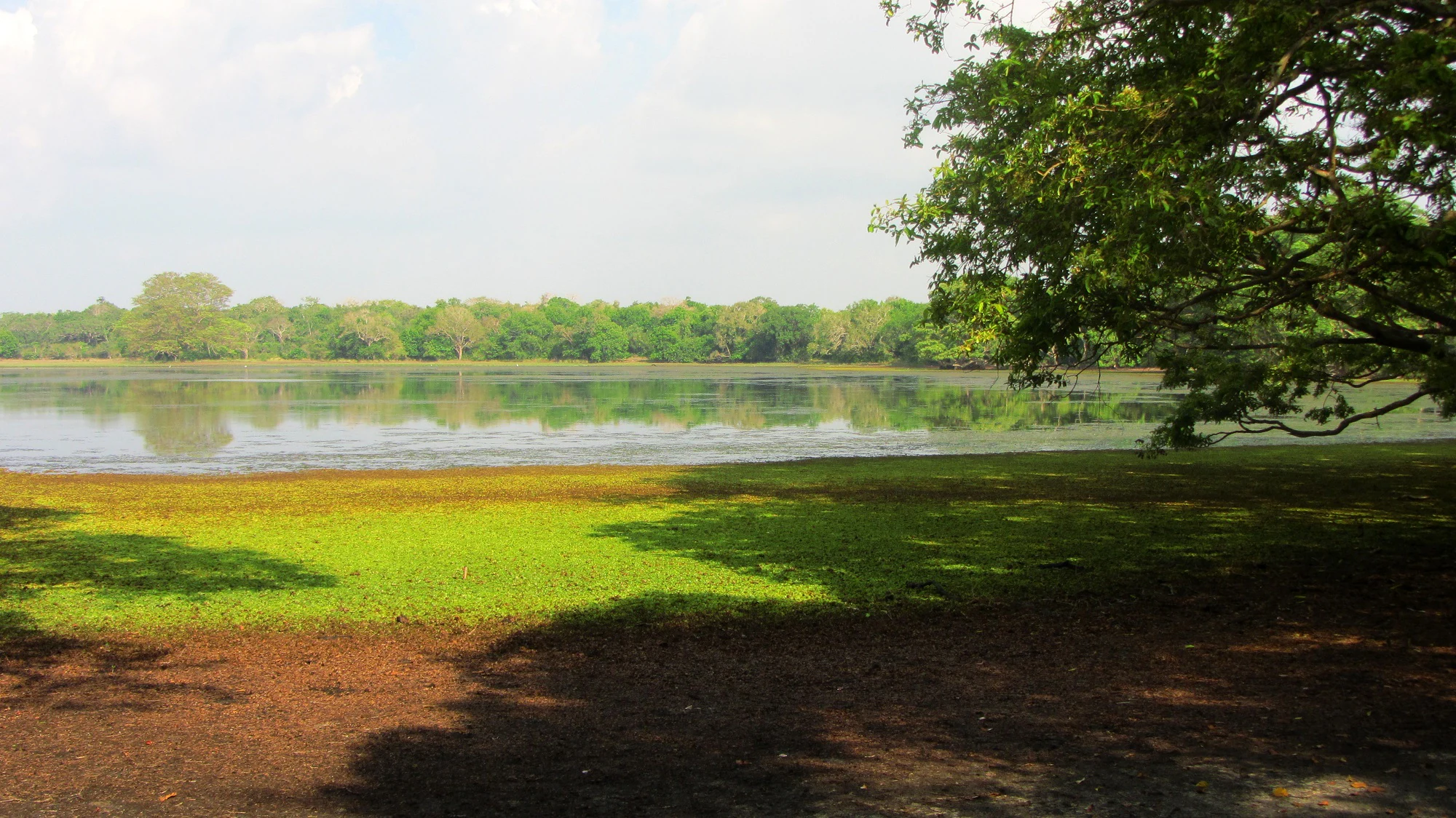
The landscape of Wilpattu National Park is characterized by a unique combination of coastal lowland terrain and interior dry zone forest, centered around its distinctive willu lake system. The park occupies the northwest coast lowland dry zone of Sri Lanka, with elevation ranging from sea level to 152 meters. Nearly 106 natural lakes, known locally as willu, are distributed throughout the park. These are sand-rimmed water basins that fill with rainwater, creating seasonal wetlands critical to the park's ecology. The vegetation includes littoral vegetation along the coastal fringe with salt grass and low scrub, transitioning into monsoon forest with tall emergent trees including palu, satin, milla, weera, ebony, and wewarna. Marshy vegetation surrounds the willu lakes, providing important wetland habitats. The park's terrain includes gentle slopes, sandy areas, and scattered rocky outcrops typical of the dry zone landscape.
Wilpattu National Park ecosystems, habitats, and plant life
Wilpattu National Park supports diverse ecological systems reflecting its position in Sri Lanka's dry zone and its unique wetland habitat network. The park's vegetation types include coastal littoral vegetation characterized by salt grass and low scrub, and dry monsoon forest with tall emergent species such as palu, satin, milla, weera, ebony, and wewarna. The willu lake system creates extensive freshwater marsh habitats that support significant biodiversity. These wetlands serve as critical water sources for wildlife during dry seasons and provide breeding grounds for numerous bird and reptile species. The combination of forest, coastal, and wetland habitats makes Wilpattu a ecologically diverse protected area, supporting species adapted to dry zone conditions as well as those requiring aquatic environments.
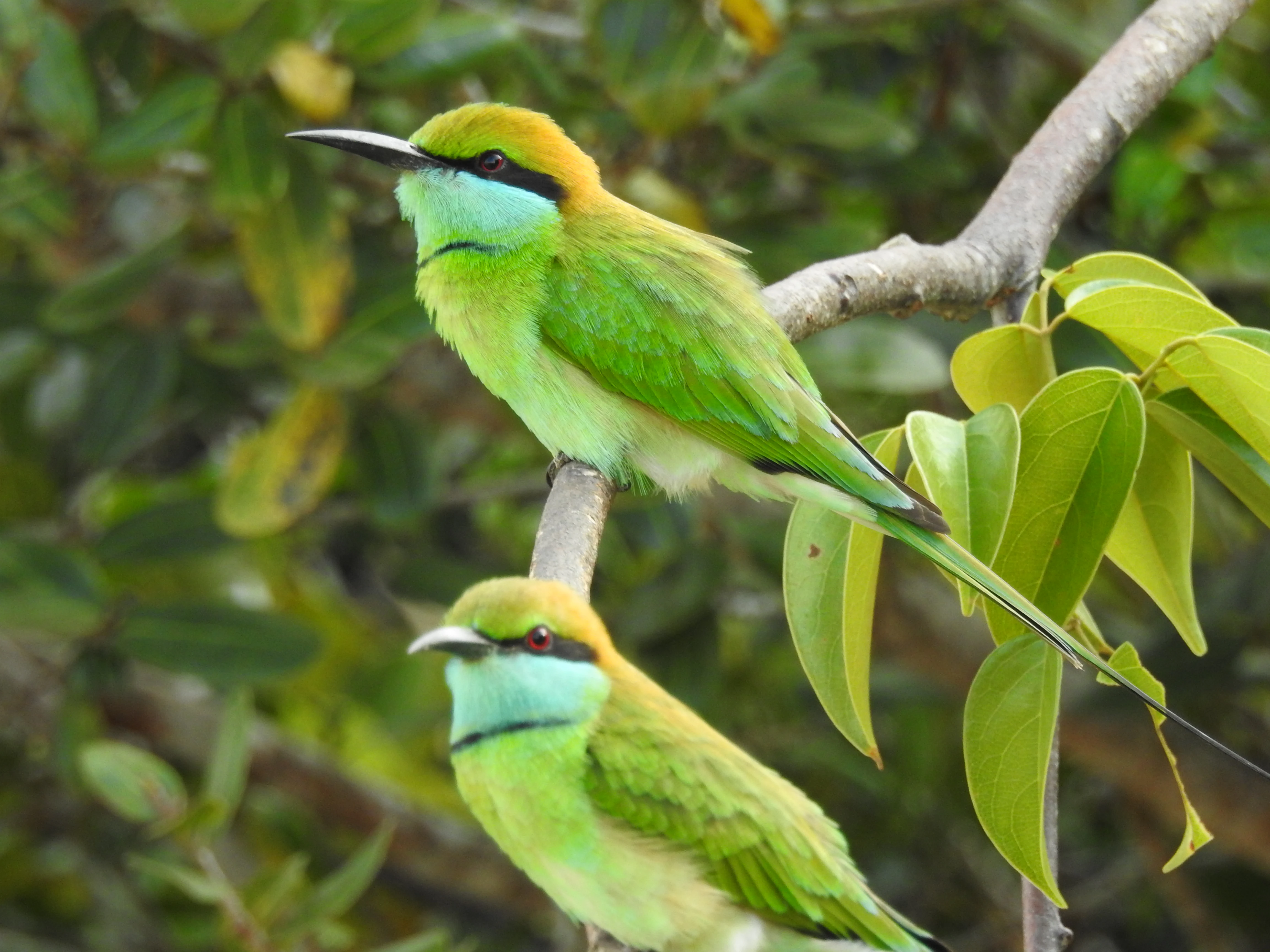
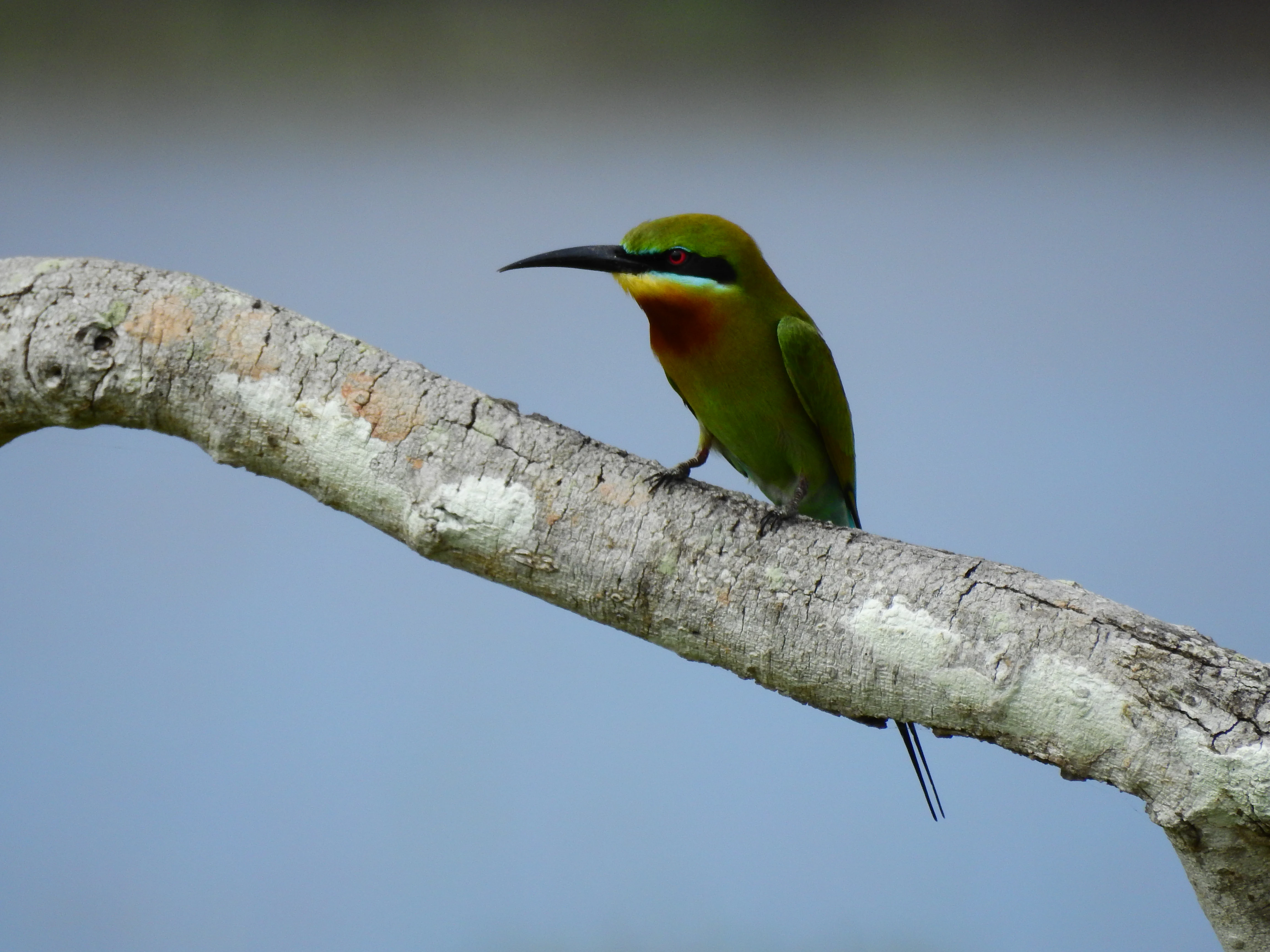
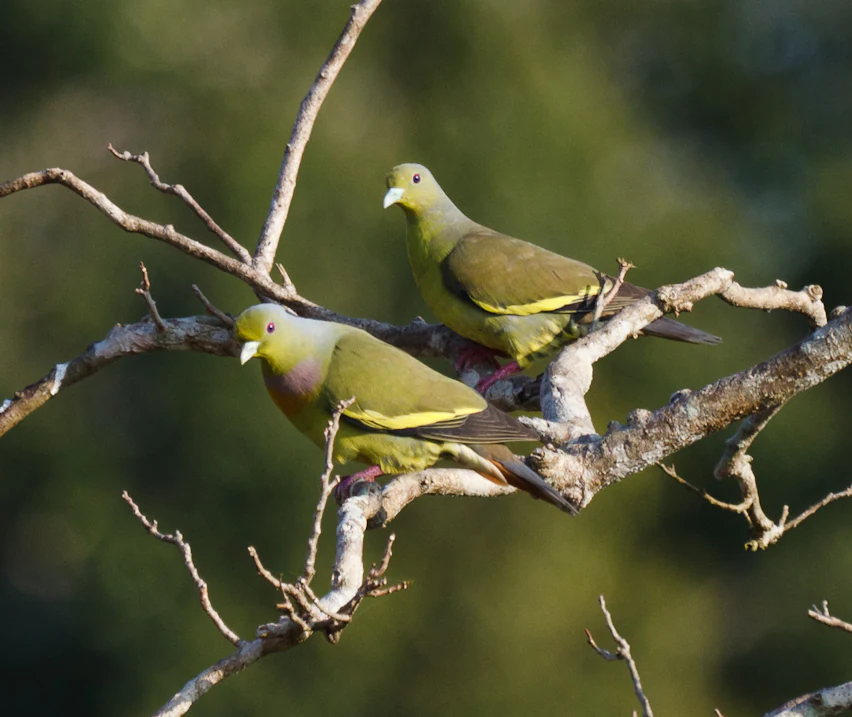
Wilpattu National Park wildlife and species highlights
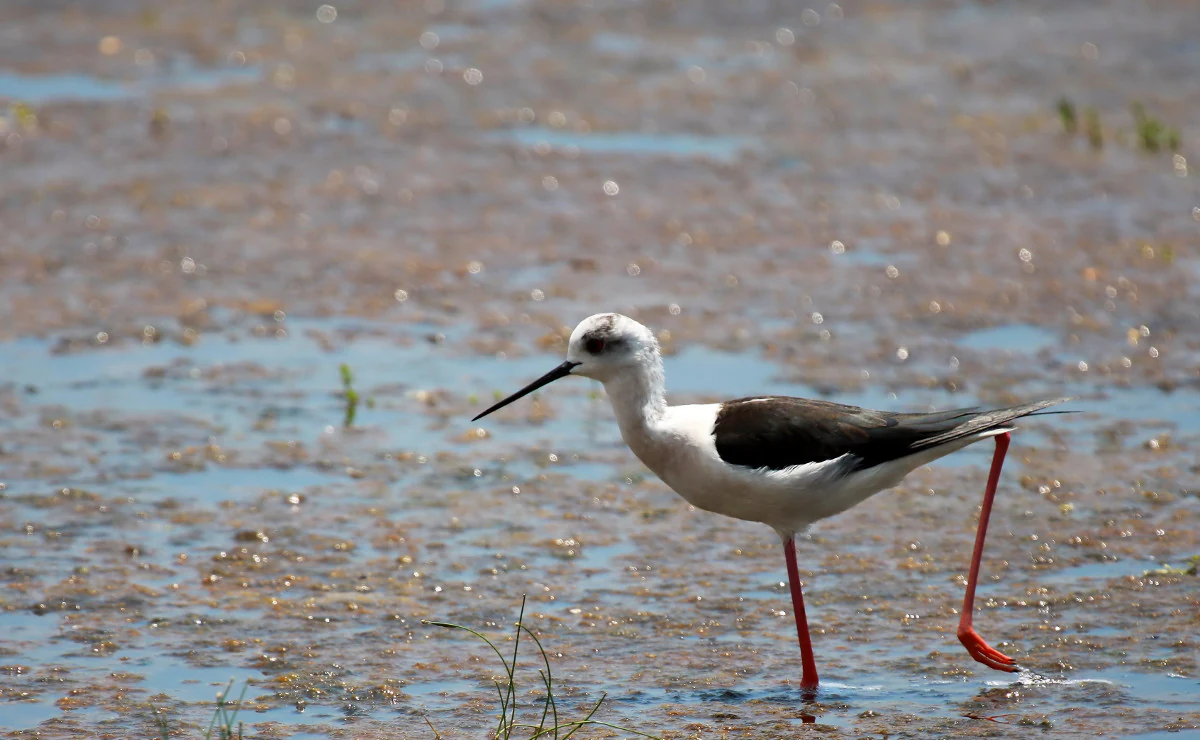
Wilpattu National Park is home to 31 documented mammal species, with the Sri Lankan leopard being the most celebrated resident. Camera trap surveys have documented remarkable leopard densities, with a 2018 study recording 133 individual leopards including 116 independent adults and 17 cubs across a 660 square kilometer surveyed area. The density was estimated at 18 leopards per 100 square kilometers, representing one of the highest densities in Sri Lanka. Other significant mammals include the Sri Lankan elephant, sloth bear, sambar deer, and spotted deer. The park supports diverse birdlife including painted storks, openbills, little cormorants, Sri Lankan junglefowl, and numerous waterfowl such as garganey, pintail, and whistling teal. Reptile species include the mugger crocodile, Sri Lankan python, cobra, land monitor, and several turtle species including the Sri Lankan black turtle and flapshell turtle.
Wilpattu National Park conservation status and protection priorities
Wilpattu National Park holds significant conservation importance as Sri Lanka's largest national park and a Ramsar-designated wetland site since 2013. The park's conservation value is emphasized by its exceptional leopard population, representing a viable and healthy population of the endemic Sri Lankan leopard subspecies. The willu lake system provides critical wetland habitat supporting numerous species and ecological processes. The park's location in the dry zone makes it important for conserving dry forest ecosystems that have faced significant pressure across Sri Lanka. However, the park faces challenges including historical deforestation concerns and boundary expansion issues that have created complex conservation and social dynamics. The current protected status and Ramsar designation provide frameworks for ongoing conservation management, though effective enforcement and balancing conservation with community needs remain ongoing considerations.
Wilpattu National Park cultural meaning and human context
Wilpattu National Park holds significant cultural and historical importance in Sri Lankan history. According to the Mahavansa, the area is associated with the legendary landing of Prince Vijaya in 543 BC at Tambapanni, now known as Kudrimalai Point or Horse Point, where he established the Sinhalese kingdom and founded the Sinhala nation. Historical records indicate that Kudrimalai was visited in 47 AD by a subject of Emperor Claudius who was blown off course by monsoon winds, with the local king subsequently sending envoys to Rome during Pliny's time. These historical connections give the park region significance beyond its ecological value, linking it to the foundational narratives of Sri Lankan civilization.
Top sights and standout views in Wilpattu National Park
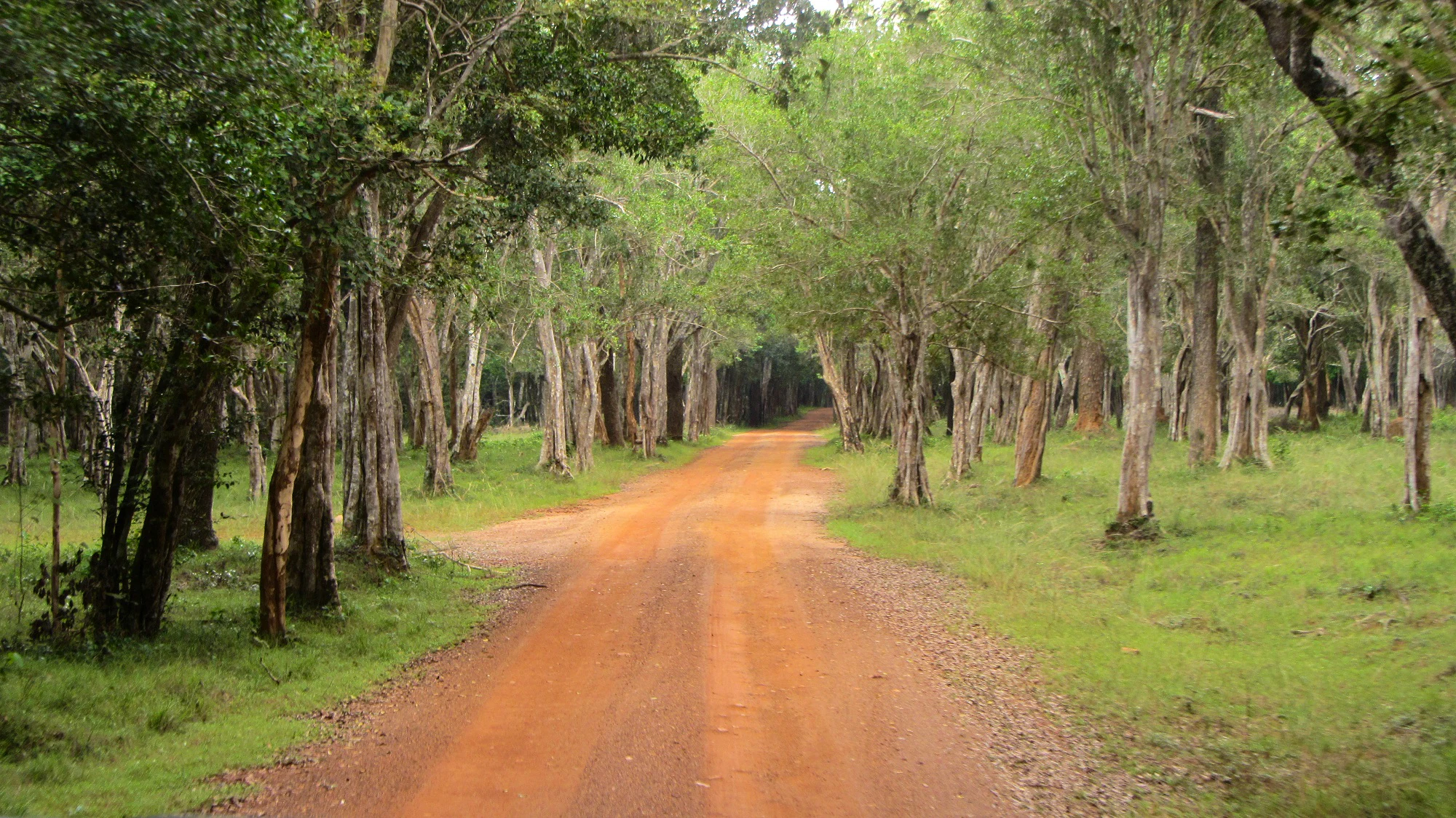
Wilpattu National Park stands out as Sri Lanka's largest and oldest national park, offering a distinctive safari experience centered on its unique willu lake system and exceptional leopard population. The park provides excellent wildlife viewing opportunities, particularly for leopard sightings, with population densities among the highest in the country. The combination of dry zone forest, coastal habitats, and seasonal wetlands creates a varied landscape supporting diverse flora and fauna. The Ramsar designation underscores the international significance of the park's wetland ecosystems. Visitors can explore the park through guided safari experiences, particularly during the optimal visiting season from February to October when wildlife viewing conditions are most favorable.
Best time to visit Wilpattu National Park
The optimal visiting period for Wilpattu National Park extends from February through October, coinciding with the drier months when wildlife tends to congreg around the remaining water sources in the willu lakes. The inter-monsoonal rains in March and the northeast monsoon from December to February provide the main rainfall to the region, with the park receiving approximately 1,000mm of annual precipitation. During the dry season, the reduced water availability concentrates wildlife around the remaining lakes and waterholes, enhancing wildlife viewing opportunities. While the park remains open year-round with some private ecotourism operators conducting safaris throughout the year, the period between February and October generally offers the most consistent conditions for wildlife observation.