Why Madhu Road National Park stands out
Madhu Road National Park is best known for its significant dry zone biodiversity and its role in protecting the forests and wetlands of northern Sri Lanka. The park is recognized for its birdlife, with numerous species including parrots, parakeets, babblers, pigeons, and birds of prey recorded within its boundaries. It also provides habitat for Asian elephants, leopards, and various primate species. The park's significance is enhanced by its location encompassing the Shrine of Our Lady of Madhu, creating a unique blend of natural and cultural heritage. The area represents a relatively under-explored protected region in Sri Lanka's northern dry zone, offering potential for future ecological research and conservation work.
Madhu Road National Park history and protected-area timeline
The Madhu Road area has a history of protection that spans more than five decades. Initially designated as a wildlife sanctuary on 28 June 1968 under the provisions of the Fauna and Flora Protection Ordinance of 1937, the sanctuary covered an area of 26,677 hectares. For nearly four decades, the area remained under sanctuary status while the region experienced significant political upheaval and conflict that limited conservation activities and management capacity. Following the conclusion of the Sri Lankan Civil War in 2009, the government turned attention to developing the protected area network in the Northern Province. An Integrated Strategic Environmental Assessment of the Northern Province, produced with technical assistance from the United Nations Development Programme and United Nations Environment Programme and published in October 2014, provided key recommendations for expanding protected areas in the region. The assessment recommended upgrading the Madhu Road sanctuary to national park status while also incorporating surrounding state-owned forests, which would increase the protected area to 63,067 hectares. In May 2015, the government announced that Madhu Road would be among several new national parks established in the Northern Province. The official designation as a national park came on 22 June 2015, transforming the protected area and expanding its mandate to include broader conservation and visitor management objectives.
Madhu Road National Park landscape and geographic character
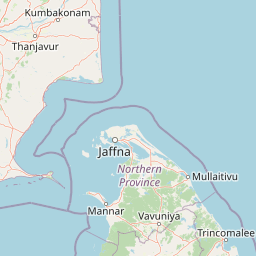
Madhu Road National Park is located in the dry zone of northern Sri Lanka, a region characterized by distinct seasonal patterns and vegetation adapted to lower rainfall. The landscape encompasses a mix of forest types, including dry evergreen forest and semi-evergreen forest formations, interspersed with grasslands and wetland areas. The terrain is generally flat to gently undulating, typical of the island's northern plains. The park's location near Mannar places it in a coastal region where the influence of the Arabian Sea shapes local conditions. Water bodies and seasonal tanks within the park provide important wetland habitats that attract wildlife, particularly during dry periods when water sources become limited. The area contains a network of natural and man-made water features that support biodiversity throughout the year. The combination of forest cover, open grasslands, and wetlands creates a heterogeneous landscape that supports diverse ecological communities.
Madhu Road National Park ecosystems, habitats, and plant life
The ecosystems within Madhu Road National Park represent the dry zone biodiversity of northern Sri Lanka. The park's forests contain tree species adapted to seasonal drought conditions, with many species exhibiting strategies to cope with the extended dry periods characteristic of the region. The mix of forest, grassland, and wetland habitats creates a diverse environment that supports numerous plant and animal communities. The park's designation as a national park reflects its significance for conserving dry zone ecosystems that have faced pressure from agricultural expansion, development, and resource extraction. The area provides habitat for species typical of Sri Lanka's dry zone, including several endemic species found primarily in the northern parts of the island. The wetlands within the park serve as important feeding and breeding areas for waterbirds and provide critical water sources for larger mammals during dry seasons.
Madhu Road National Park wildlife and species highlights
Madhu Road National Park supports a notable diversity of wildlife, with particular significance attached to its bird populations and mammalian fauna. The park records numerous bird species, including several parrot and parakeet species such as the Alexandrine parakeet and rose-ringed parakeet, as well as a variety of babblers, babblers, pigeons including the Sri Lanka green pigeon and orange-breasted green pigeon, and numerous birds of prey such as the changeable hawk-eagle, crested honey buzzard, and white-bellied sea eagle. The mammalian community includes Asian elephants, which are a flagship species for the park, as well as leopards, various primates including grey langur, purple-faced langur, and toque macaque, and ungulates such as chital, muntjac, and wild boar. Smaller mammals present include grizzled giant squirrel, Indian palm squirrel, Indian hare, and various mongoose species. The presence of species such as the chevrotain and bear indicates the park's importance for maintaining populations of less common animals. The wetland areas within the park attract waterfowl and provide important feeding grounds for herons, storks, and other water-associated species.
Madhu Road National Park conservation status and protection priorities
Madhu Road National Park represents an important addition to Sri Lanka's national park network, particularly for the conservation of dry zone ecosystems in the northern region. The upgrade from sanctuary to national park status in 2015 reflected both the ecological significance of the area and the government's commitment to expanding protected area coverage following the end of the civil conflict. The park's large size of over 63,000 hectares provides substantial habitat for viable populations of wildlife species, including elephants and leopards that require extensive home ranges. The inclusion of state-owned forests in the expanded park boundary helped create a more contiguous protected landscape that can better support ecological processes and wildlife movement. Conservation challenges in the area include managing human-wildlife interactions, addressing historical habitat degradation, and balancing the park's ecological function with its cultural significance due to the presence of the Madhu shrine. The park is managed under the authority of the Department of Wildlife Conservation in accordance with Sri Lanka's protected area legislation.
Madhu Road National Park cultural meaning and human context
Madhu Road National Park contains an element of significant cultural importance within its boundaries: the Shrine of Our Lady of Madhu, a major Catholic pilgrimage site that draws thousands of devotees annually. This religious site predates the national park designation and represents a long-standing tradition of spiritual significance associated with the Madhu area. The shrine's location within the park creates a unique situation where religious pilgrimage and wildlife conservation intersect within the same protected landscape. The surrounding region has a complex history shaped by conflict, displacement, and recovery, with the local communities having deep connections to the land and its resources. The park's establishment as a national park in the post-conflict period also represents broader efforts to develop sustainable tourism and conservation economies in the Northern Province. The blend of natural protection objectives with the ongoing use of the area for religious purposes presents both opportunities and challenges for park management.
Top sights and standout views in Madhu Road National Park
Madhu Road National Park stands out as one of Sri Lanka's larger protected areas and the newest national parks, established in 2015 after decades as a sanctuary. The park protects important dry zone ecosystems in the country's northern region, offering habitat for elephants, leopards, and over 80 recorded bird species. Its location near the Shrine of Our Lady of Madhu creates a unique combination of natural and cultural heritage within a single protected area. The park represents post-conflict conservation development in Sri Lanka, reflecting the government's initiative to expand and strengthen the protected area network in the Northern Province. Visitors to the park can experience dry zone landscapes, forest habitats, and wetland areas that support diverse wildlife in a region that was previously inaccessible for many years.
Best time to visit Madhu Road National Park
The best time to visit Madhu Road National Park aligns with Sri Lanka's dry season, typically from May to September, when wildlife sightings are more predictable as animals congregate around remaining water sources. The period from December to April also offers favorable conditions with lower rainfall and comfortable temperatures for exploration. The monsoon season from October to November brings increased rainfall that can affect road accessibility within the park and make wildlife viewing more challenging. Visitors interested in birdwatching will find the dry season particularly productive as waterbird concentrations increase around tanks and wetlands. The summer months can be hot, so early morning and late afternoon visits are recommended for wildlife viewing. The presence of the Shrine of Our Lady of Madhu means that visitor numbers may increase during religious festival periods, particularly around August when the annual feast is celebrated.