Why Garamba National Park stands out
Garamba National Park is best known as the former refuge of the northern white rhinoceros, once holding the last wild population of this critically endangered subspecies. The park also protects the DRC's only remaining giraffe population, specifically the Kordofan subspecies, making it essential for giraffe conservation in the country. Its vast savanna landscapes support one of the DRC's largest remaining elephant populations, and the park serves as a critical habitat for hippos, lions, and diverse antelope species. The combination of its age, ecological significance, and ongoing conservation challenges has made Garamba a symbol of both African wilderness and the fight against wildlife trafficking.
Garamba National Park history and protected-area timeline
Garamba National Park was established in 1938, making it one of Africa's pioneering protected areas established during the colonial era. Its designation as a UNESCO World Heritage Site in 1980 recognized both its ecological significance and its role as a refuge for endangered species, particularly the northern white rhinoceros. The park was first placed on the List of World Heritage in Danger in 1984 due to poaching pressures, remaining there until 1992. A significant turning point came between 1991 and 1993 when approximately 50,000 Sudanese refugees settled outside the park following displacement by the Sudan People's Liberation Army, dramatically increasing human pressure and poaching activity. Between 1993 and 1995, there were reportedly 121 conflicts between poachers and park rangers, with over 900 weapons recovered by rangers during that period. Garamba was returned to the Danger List in 1996 following renewed northern white rhinoceros poaching. The park has also been impacted by regional conflicts, with Ugandan insurgents taking refuge in the park in 1997 and Joseph Kony's Lord's Resistance Army using the area for sanctuary. In 2009, LRA rebels attacked Garamba's Nagero station, killing at least eight people including two rangers. The management by African Parks beginning in 2005 has brought improved security and anti-poaching capacity, though the park has lost at least 21 rangers to poaching-related violence in the decade leading to 2017.
Garamba National Park landscape and geographic character
Garamba National Park encompasses a distinctive landscape of tropical savanna characterized by rolling grasslands dotted with scattered acacia trees and patches of woodland. The terrain lies within the Sudano-Guinean savanna zone, representing a transition between the humid Guinea-Congolian forests to the south and the drier Sudanian savanna to the north. The park's elevation and flat to gently undulating terrain supports a semi-open landscape where grasslands can reach heights of up to three meters. Some areas contain denser woodland stands, particularly along watercourses and in isolated forest patches that provide refuge for forest-dwelling species. The vegetation structure creates a mosaic of habitats that supports both savanna-adapted species and forest species at the limits of their ranges. The park's vast size and relative remoteness have helped preserve this traditional African savanna landscape despite increasing pressure from human activities along its borders.
Garamba National Park ecosystems, habitats, and plant life
The ecological significance of Garamba National Park derives from its position at the biogeographic crossroads of central and eastern Africa. The transition between Guinea-Congolian and Guinean-Sudanese savanna ecosystems creates a unique environment where species from both regions overlap, supporting exceptional biodiversity. The park's savanna grasslands support a low density of acacia trees, while the grass layer can grow impressively tall in the wet season. This habitat supports the DRC's most significant remaining populations of large mammals, including elephants, giraffes, hippos, and various antelope species. The park has been designated an Important Bird Area by BirdLife International due to its population of 286 recorded bird species, including the secretarybird. The ecological integrity of the park has been challenged by poaching and habitat fragmentation, but the protected status maintains the core ecosystem functions that sustain these wildlife populations.
Garamba National Park wildlife and species highlights
Garamba National Park supports 138 recorded mammal species, making it one of the DRC's most biodiverse protected areas for megafauna. The park is internationally significant for its giraffe population, specifically the Kordofan subspecies, which represents the only remaining giraffe population in the country. Elephant populations have declined dramatically from approximately 20,000 in the 1960s and 1970s to fewer than 2,000 by 2017, though anti-poaching efforts have reduced killings significantly in recent years. The park once held the last wild population of the northern white rhinoceros, with only 15 reported in the mid-1980s and 20-25 in 2003-2004. In 2023, restoration efforts brought 16 white rhinos from South Africa to repopulate the park. Other notable species include African buffalo, hyenas, giant forest hogs, hippos, and lions. The avian fauna includes 286 species, with the secretarybird among the notable residents, and the park's status as an Important Bird Area reflects its significance for conserving bird populations.
Garamba National Park conservation status and protection priorities
Garamba National Park holds global conservation significance as a UNESCO World Heritage Site and a Critical Habitat for multiple endangered species. Its designation in 1980 recognized the park's role in protecting the northern white rhinoceros, African elephants, hippos, and giraffes, though it has been on the List of World Heritage in Danger since 1996 due to persistent threats. The park has been managed by African Parks since 2005 in partnership with the Congolese Institute for Nature Conservation, with support from organizations including the European Union, USAID, US Fish and Wildlife Service, World Wildlife Fund, and Frankfurt Zoological Society. Anti-poaching efforts have included deployment of ICCN rangers alongside Congolese armed forces soldiers. Conservation challenges include poaching for ivory and rhino horn, human-wildlife conflict with local communities and refugees, and regional instability from armed groups. The 2023 introduction of white rhinos represents a major restoration milestone. The park is also recognized as a Lion Conservation Unit, highlighting its importance for apex predator populations.
Garamba National Park cultural meaning and human context
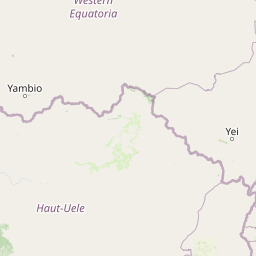
The landscape surrounding Garamba National Park is inhabited by local communities whose traditional livelihoods include pastoralism and agriculture. The park's location near the border with South Sudan has made it vulnerable to influxes of refugees, particularly during the 1990s when approximately 50,000 Sudanese displaced by civil conflict settled in areas adjacent to the park, increasing pressure on natural resources. Some local and South Sudanese groups, including the Huda and Wodaabe (Mbororo) pastoralists, have sought pasture within the park area, creating human-wildlife conflict. The park's management by African Parks has emphasized community engagement alongside anti-poaching efforts, recognizing that sustainable conservation requires addressing the needs of local populations. Historical human presence in the region predates the park's establishment, with traditional land use patterns continuing to influence the landscape around the protected area.
Top sights and standout views in Garamba National Park
Garamba National Park represents an exceptional combination of age, ecological significance, and conservation challenge that distinguishes it among African protected areas. As one of the continent's oldest national parks established in 1938, it carries a legacy of wildlife protection spanning nearly nine decades. The park's global significance is underscored by its UNESCO World Heritage status and its role as a refuge for species including the northern white rhinoceros, Kordofan giraffe, and African elephants. The ongoing conservation work, including the 2023 rhino reintroduction and sustained anti-poaching efforts despite significant security challenges, demonstrates the dedication required to maintain this vital ecosystem. The dramatic landscapes of savanna and woodland, animated by herds of elephants and giraffes, embody the classic African wilderness that Garamba has protected through periods of conflict and instability.
Best time to visit Garamba National Park
Garamba National Park can be visited year-round, though the dry season from November to April generally offers better wildlife viewing opportunities as animals concentrate around remaining water sources. The wet season from May to October transforms the landscape into lush green grassland but can make some areas less accessible and wildlife more dispersed. The park's security situation has historically limited tourism, but visitor experiences focus on the chance to see elephants, giraffes, and other megafauna in a remote, undeveloped setting. The best time for birdwatching coincides with the dry season when migratory species are present and vegetation is less dense. Visitors should consult current security guidance and work with experienced operators given the park's location in a region with complex security considerations.