Why Southern National Park stands out
Southern National Park is best known for its exceptional large mammal populations, particularly the significant herds of giant eland that historically populated the region. The park's extensive floodplains created by the Gel and Ibba rivers support important populations of waterbuck, kob, and African buffalo. The presence of northern white rhinoceros historically gave this park particular conservation significance, though their current status in the area is uncertain. The combination of gallery forests lining the river corridors, vast seasonal grasslands, and the transition between Sudanian and Congolian ecological zones creates a distinctive protected landscape within the Nile basin.
Southern National Park history and protected-area timeline
Southern National Park was established in 1939 through colonial administrative action, making it one of the earliest protected areas designated in what was then the Anglo-Egyptian Sudan. The park's establishment reflected the colonial administration's interest in preserving the significant wildlife populations that existed in this remote equatorial region. Early documentation from the mid-twentieth century, particularly from A.B. Anderson who served as Assistant Game Warden, provides valuable historical context about the park's original extent and character. Anderson reported in 1950 that the park covered approximately 7,800 square miles and was traversed by three major river systems that fundamentally shaped its ecological character. The colonial era saw limited development of infrastructure or visitor facilities, and the park remained a largely wild and inaccessible wilderness throughout this period. Following South Sudan's independence in 2011, the park remained under national administration but has faced significant challenges related to political instability and limited resources for protected area management.
Southern National Park landscape and geographic character
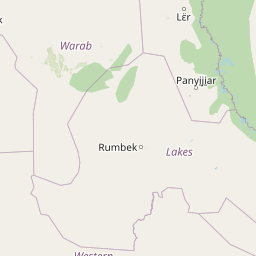
The physical landscape of Southern National Park is dominated by a combination of river valleys, seasonal floodplains, and gently undulating savanna terrain. The park lies within the White Nile basin, with the Sue River forming a well-defined channel that joins the Nile system to the west of the protected area. The Gel River enters from the east and, together with the Ibba River flowing through the central portion of the park, creates extensive floodplains that become seasonally inundated during monsoon periods. The floodplain areas support tall grasslands that can reach heights of approximately 15 feet during the wet season, dramatically transforming the visual character of the landscape. The underlying soils vary across the park, with whitish clay predominating in many areas and sandy valleys interspersed throughout. Gallery forests follow the major river corridors, creating distinctive linear strips of denser woodland that contrast with the surrounding savanna landscapes. The overall terrain is relatively flat with only modest elevation changes, typical of the South Sudanese plateau region.
Southern National Park ecosystems, habitats, and plant life
The ecological character of Southern National Park reflects its position at the intersection of major biogeographic zones. The park contains a mosaic of habitat types including bushveld savanna, true rainforest vegetation in the wettest areas, forests developing on laterite soils, and the distinctive gallery forests that follow river courses. During the monsoon season, the park's grasslands expand dramatically as seasonal rains transform the landscape and create extensive wetland habitats. The combination of permanent water in the major rivers and the seasonal floodplains supports productive aquatic ecosystems and provides critical resources for wildlife during the dry season. The diverse habitats support a rich array of plant and animal species, with the park's size and relative remoteness allowing for the maintenance of ecological processes that have been disrupted in many other protected areas in the region. The thin human population and limited historical development have allowed the park's natural systems to persist with relatively less modification than in many other parts of South Sudan.
Southern National Park wildlife and species highlights
Southern National Park supports significant populations of large mammals representative of East African savanna ecosystems. The park historically contained notable populations of giant eland, Africa's largest antelope species, which remain one of the most distinctive large mammal species in the protected area. Other prominent ungulates include waterbuck, kob, hartebeest, and the endangered Kordofan giraffe, a subspecies of giraffe with limited distribution. The floodplain environments support substantial populations of African buffalo, while the grasslands and woodlands provide habitat for oribi, reedbuck, and korrigum. Predators present in the park include lion populations that are part of the Central African lion ecotype. The park's forest areas support primate species including various galagos and colobus monkeys, while the giant forest hog represents one of the more distinctive smaller mammals found in the denser woodland habitats. River systems support crocodiles and diverse fish communities including tilapia, Nile bichir, and other species. The bird fauna includes large waterbirds such as marabou storks and pelicans that concentrate in wetland areas.
Southern National Park conservation status and protection priorities
Southern National Park represents a critical conservation resource within South Sudan, protecting one of the largest remaining tracts of relatively intact savanna ecosystem in the Nile basin region. The park's IUCN designation as a Category II protected area reflects its primary function of preserving natural biodiversity and ecological processes. The presence of species such as the northern white rhinoceros gives the park particular international conservation significance, though the status of this critically endangered population within the park requires verification. The vast size of the protected area allows for the maintenance of viable populations of wide-ranging species that require large tracts of contiguous habitat. The seasonal floodplains and river systems provide important ecosystem services including water regulation and nutrient cycling while supporting the wildlife communities that define the park's conservation value. Management challenges include addressing threats from poaching, habitat degradation, and the broader political instability that has affected much of South Sudan.
Southern National Park cultural meaning and human context
Southern National Park exists within a region that has been historically sparsely populated, with local communities traditionally practicing hunting, fishing, and honey collection as part of their livelihoods. The park's limited population density has contributed to the preservation of its natural character, as human-wildlife conflict and land conversion pressures have remained relatively low compared to many other protected areas in eastern Africa. The traditional land use patterns of local communities have been largely compatible with wildlife conservation, though the specifics of indigenous relationships with the park's landscapes would benefit from additional documentation. The broader region has experienced significant political and social upheaval during the late twentieth and early twenty-first centuries, which has affected both human communities and wildlife populations throughout South Sudan.
Top sights and standout views in Southern National Park
Southern National Park's defining qualities include its exceptional size, making it one of the largest protected areas in East Africa, and its location at a biogeographic crossroads that creates remarkable habitat diversity within a single park. The extensive floodplain systems created by the Gel and Ibba rivers support productive wetland ecosystems that attract diverse wildlife concentrations, particularly during the dry season when water becomes limited in surrounding landscapes. The gallery forests lining the river corridors provide striking contrast to the surrounding savanna and offer habitat for forest-dependent species. The presence of giant eland populations gives the park particular significance for large mammal conservation, while the historical presence of northern white rhino adds to its conservation importance. The park represents one of the few remaining wilderness areas where ecological processes continue to function at landscape scales.
Best time to visit Southern National Park
The optimal period to visit Southern National Park falls during the dry season months from November through April, when wildlife concentrations increase around the remaining water sources and access is generally more feasible. The landscape transforms dramatically during the wet season from May through October, when extensive flooding makes many areas inaccessible but creates spectacular wetland environments. The monsoon season brings dramatic changes to the vegetation, with grasslands reaching their full height and the park's character shifting from the more open savanna of the dry season to a largely impassable wetland. Wildlife viewing is generally most productive during the dry season when animals concentrate along rivers and permanent waterholes, though the wet season offers excellent birdwatching opportunities and the chance to see the park's landscapes at their most lush and verdant.