Why Ibanda-Kyerwa National Park stands out
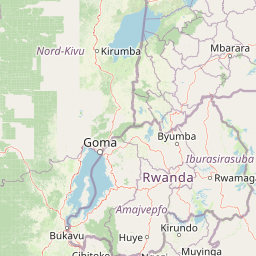
Ibanda-Kyerwa National Park is distinguished by its position at the crossroads of Tanzania, Uganda, and Rwanda, making it a unique tri-border protected area. The park is particularly known for its hippo populations in the Kagera River and the diverse antelope species that inhabit its savanna and woodland habitats. Its relatively untouched character and status as one of Tanzania's least-visited national parks offer visitors a rare opportunity to experience a remote wilderness far from the crowds that frequent more famous parks. The park's cultural significance as the former territory of the Karagwe Kingdom and ancestral lands of the Nyambo people adds historical depth to its natural attractions.
Ibanda-Kyerwa National Park history and protected-area timeline
The territory that now comprises Ibanda-Kyerwa National Park carries a rich historical legacy that predates its designation as a protected area. The land was the ancestral home to the Nyambo people, an ethnic group whose presence in the region extends back centuries. The area also formed part of the domain of the Karagwe Kingdom, a significant political entity in the Great Lakes region of East Africa before the era of European colonialism. The Karagwe Kingdom, known for its cattle wealth and trade networks, exercised influence over the territory that now falls within the park's boundaries, making this landscape historically significant beyond its ecological value.
The modern protected area history began in 1974 when the area was designated as Ibanda Game Reserve, providing initial legal protection for the region's wildlife and habitats. This designation maintained the area's conservation status for over four decades while allowing certain uses consistent with game reserve management. In 2019, the reserve was upgraded to national park status, a transformation that strengthened conservation protections and aligned the area with the higher standards of IUCN Category II protected areas. This upgrade reflected both the ecological importance of the region and Tanzania's vision for developing its national park system.
More recently, in 2024, the Tanzanian government invested approximately TSh 3.9 billion (about US$1.45 million) in developing tourism facilities within the park, signaling a commitment to increasing visitor access and developing the park as a tourism destination. This investment represents the latest chapter in the park's evolution from ancestral homeland to colonial territory, game reserve, and now national park.
Ibanda-Kyerwa National Park landscape and geographic character
The physical landscape of Ibanda-Kyerwa National Park is fundamentally shaped by the Kagera River, which forms the park's western boundary and serves as its lifeblood. The river creates a distinctive riparian environment characterized by riverine forests, wetlands, and floodplains that contrast with the surrounding terrestrial habitats. The Kagera River system is one of the major waterways in the Lake Victoria basin, and its presence in the park supports a range of ecological communities adapted to the aquatic and riparian environments.
Beyond the river corridor, the park encompasses savanna grasslands and woodland habitats typical of the Kagera Region's ecology. The terrain generally consists of gently undulating landscapes that reflect the ancient geological processes that have shaped this corner of Tanzania. The proximity to Uganda to the west and Rwanda to the southwest is reflected in the park's position at the edge of Tanzania's highland regions, where the landscape transitions toward the more mountainous terrain found in the neighboring countries.
Ibanda-Kyerwa National Park ecosystems, habitats, and plant life
The ecological character of Ibanda-Kyerwa National Park reflects its position in the Kagera Region, where multiple habitat types converge. The Kagera River and its associated wetlands form the ecological core of the park, supporting aquatic species and creating riparian zones that differ markedly from the surrounding savanna landscapes. The river provides crucial water resources in a region where seasonal rainfall patterns strongly influence habitat conditions and wildlife distribution.
The park's location in northwestern Tanzania places it within a biodiversity transition zone where species from different ecological regions overlap. The rainy season, occurring between January and April, transforms the landscape and sustains the productivity of the park's grasslands and woodlands. This seasonal pattern influences wildlife behavior and viewing opportunities, with the wet months bringing abundant vegetation and water availability across the park. The Kagera River's role as the main water source means that the river system essentially nourishes the entire park's ecological communities, from the riverine forests along its banks to the grasslands where large herbivores graze.
Ibanda-Kyerwa National Park wildlife and species highlights
Ibanda-Kyerwa National Park supports a diverse array of wildlife species that reflect the park's varied habitats and its position within Tanzania's northwestern ecosystems. The hippo population represents one of the park's most notable wildlife attractions, with these large mammals inhabiting the Kagera River and adjacent water bodies. Hippos are a characteristic species of Tanzania's riverine protected areas, and their presence in Ibanda-Kyerwa contributes to the park's ecological identity.
The antelope community within the park includes several species adapted to the savanna and woodland habitats. Thomson's gazelles, impalas, and common elands all occur within the park, representing different ecological niches and herd dynamics. These antelope species form the prey base for any predators present in the ecosystem and contribute to the park's status as a functional savanna protected area. Baboons represent the park's primate diversity, with these social mammals commonly observed in the park's terrestrial environments. While the Wikipedia source mentions these species groups, the park's transboundary position adjacent to Akagera National Park suggests potential for ecological connectivity that could support additional species movement and biodiversity.
Ibanda-Kyerwa National Park conservation status and protection priorities
The conservation significance of Ibanda-Kyerwa National Park extends beyond its individual boundaries to encompass regional transboundary protection goals. By bordering Akagera National Park in Rwanda and lying near the Ugandan border across the Kagera River, the park contributes to a network of protected areas that facilitate wildlife movement and ecosystem connectivity across national boundaries. This transboundary dimension is increasingly recognized as important for conservation effectiveness in East Africa, where migratory species and ecological processes often transcend national borders.
The upgrade from game reserve to national park status in 2019 represented a strengthening of conservation protections for the area. National park designation under IUCN Category II implies more stringent protection standards and management requirements than game reserve status, reflecting the park's ecological value and Tanzania's commitment to its long-term preservation. The park's relatively low visitor numbers, while presenting tourism development challenges, also mean that the protected area experiences less pressure from human activity than more-visited parks, potentially allowing natural processes to proceed with minimal disturbance.
Ibanda-Kyerwa National Park cultural meaning and human context
The cultural landscape of Ibanda-Kyerwa National Park carries historical significance rooted in the pre-colonial era. The park's territory was the ancestral homeland of the Nyambo people, an ethnic group with deep roots in the Kagera Region. Understanding this historical presence adds depth to the park's identity, moving beyond purely ecological considerations to recognize the long human history that has shaped and been shaped by this landscape. The relationship between the Nyambo people and the land predates the formal protected area boundaries that exist today, representing a connection to place that spans generations.
Additionally, the area was part of the domain of the Karagwe Kingdom, a significant political entity in the Great Lakes region during the pre-colonial period. The Karagwe Kingdom was known for its cattle-based economy and extensive trade networks that connected it to broader regional exchange systems. The historical significance of the Karagwe Kingdom adds a layer of cultural heritage to the park that distinguishes it from protected areas without such deep historical roots. These cultural dimensions provide context for understanding the landscape beyond its more recent designation as a protected area.
Top sights and standout views in Ibanda-Kyerwa National Park
Ibanda-Kyerwa National Park offers several standout features that distinguish it within Tanzania's national park system. Its position at the tri-border junction of Tanzania, Uganda, and Rwanda creates a unique geographic identity as a transboundary protected area connected to regional conservation networks. The Kagera River hippo populations represent a flagship wildlife viewing opportunity, with these large mammals providing memorable encounters for visitors who explore the riverine environments. The park's status as one of Tanzania's least-visited national parks is itself a highlight for travelers seeking remote, uncrowded wilderness experiences away from the more frequented parks. The 2019 establishment as a national park makes this a newly created protected area where visitors can be among the first to explore developing tourism infrastructure and trails. The cultural heritage spanning the Nyambo people and Karagwe Kingdom adds historical dimension that enriches the visitor experience.
Best time to visit Ibanda-Kyerwa National Park
The optimal time to visit Ibanda-Kyerwa National Park is influenced by the region's seasonal patterns and the park's ecological character. The rainy season occurs between January and April, transforming the landscape with fresh vegetation and abundant water availability. This period offers lush, green scenery and excellent wildlife viewing as animals congregate around remaining water sources. The wet months represent the park's high-productivity season when the ecosystem is at its most verdant.
The dry season following the rains presents different attractions, with more accessible wildlife viewing as vegetation thins and animals become easier to spot. The period from May through December offers generally more predictable weather conditions for park exploration, though visitor facilities remain limited compared to more established parks. Travelers interested in visiting Ibanda-Kyerwa should expect a more remote experience than that offered by Tanzania's famous northern circuit parks, with access requiring flights to Bukoba and subsequent ground transportation. The ongoing development of tourism facilities, supported by the 2024 government investment, may gradually improve the park's visitor experience in coming years.