

Mori Atlas logo
National parkLakeside National Park

Discover the mapped boundaries and semi-arid landscape of this protected area near Cue.

Lakeside National Park: A Newly Established National Park in Western Australia's Murchison Bioregion

Lakeside National Park represents a significant addition to Western Australia's protected lands, offering a window into the semi-arid inland geography of the Murchison bioregion. This national park, covering 8,490 hectares, features gently rolling terrain and Mulga woodland, reflecting ancient geological processes. Its recent establishment underscores efforts to preserve unique ecological communities within a region historically less represented in formal conservation networks.

National ParkWestern AustraliaMid WestMurchison BioregionProtected AreaSemi-Arid Landscape

Lakeside National Park

National park

Park overview

Structured park overview, official facts, and landscape profile for Lakeside National Park

Lakeside National Park park facts, protected area profile, and essential visitor context
Review the core facts for Lakeside National Park, including designation, size, terrain, visitor scale, habitats, and operating context in one park-focused overview.

About Lakeside National Park

Lakeside National Park represents a significant addition to Western Australia's protected area estate, established in 2021 to conserve the natural values of the Murchison bioregion in the state's Mid West. This region encompasses extensive tracts of semi-arid terrain characterized by gently undulating landscapes, Mulga woodland communities, and diverse shrubland associations. The park contributes to the protection of biodiversity in an area where large-scale conservation reserves have been relatively sparse, helping to maintain ecological connectivity across the landscape. The establishment of Lakeside National Park reflects the Western Australian government's ongoing commitment to expanding the state's network of protected areas, ensuring the preservation of representative ecosystems across different bioregions. As a relatively new protected area, the park provides opportunities for ongoing ecological assessment and management of the region's natural assets.

Quick facts and research context for Lakeside National Park

Lakeside National Park is located in the Mid West region of Western Australia, approximately 50 kilometres south-west of Cue. The park covers 8,490 hectares (21,000 acres) of semi-arid landscape within the Murchison bioregion. It was formally established in February 2021, representing a recent addition to Western Australia's protected area network. The park is administered by the Department of Biodiversity, Conservation and Attractions, which manages conservation across Western Australia's terrestrial and marine protected areas.

Park context

Deeper park guide and search-rich context for Lakeside National Park

Lakeside National Park history, landscape, wildlife, and travel context
Explore Lakeside National Park through its history, landscape character, ecosystems, wildlife, conservation priorities, cultural context, and seasonal travel timing in a structured park guide built for atlas discovery and search intent.

Lakeside National Park history and protected-area timeline

Lakeside National Park was officially declared on 18 February 2021, making it one of the most recently established national parks in Western Australia. The park's creation forms part of broader initiatives to enhance biodiversity conservation across the state's extensive interior regions. Prior to its designation as a national park, the area would have been subject to pastoral use or other land management arrangements typical of the Murchison region. The formal protection of this landscape represents recognition of its ecological significance and the need to preserve representative examples of the bioregion's natural communities. The Department of Biodiversity, Conservation and Attractions assumed administrative responsibility for the park upon its establishment.

Lakeside National Park landscape and geographic character

Lakeside National Park is situated within the Murchison bioregion, a vast area of semi-arid inland Western Australia characterized by gently rolling terrain, extensive plains and residual hills. The landscape reflects ancient geological processes and the long-term effects of weathering and erosion on ancient cratonic landforms. Vegetation across the region typically includes Mulga woodland as the dominant structural formation, interspersed with various shrubland and grassland communities adapted to the low and erratic rainfall patterns of the area. The terrain provides scenic variety typical of the Mid West, with open woodlands offering long sightlines across the landscape.

Lakeside National Park ecosystems, habitats, and plant life

The Murchison bioregion supports a range of ecological communities adapted to semi-arid conditions, with rainfall limited and highly variable between years. The vegetation is dominated by Mulga (Acacia aneura) woodlands, which form the primary structural element across much of the landscape. These woodlands are interspersed with various shrubland associations featuring species from the Chenopodiaceae and Myrtaceae families. The region's biodiversity includes numerous reptile, bird and mammal species adapted to survive in environments with pronounced seasonal and annual variability. The establishment of Lakeside National Park contributes to the conservation of these semi-arid ecosystems and the species they support.

Lakeside National Park conservation status and protection priorities

The declaration of Lakeside National Park in 2021 represents a meaningful contribution to biodiversity conservation in the Murchison bioregion. Protected areas in semi-arid regions like this play important roles in maintaining ecological processes, preserving genetic diversity, and providing refuges for species adapted to variable climatic conditions. The park helps to ensure that representative examples of the region's ecosystems receive formal protection, supporting broader bioregional conservation objectives. Western Australia's approach to expanding protected area networks often targets regions where conservation gaps exist, and the Murchison bioregion has historically had limited formal protection relative to its extent.
Park location guide

Geography guide, regional context, and park location map for Lakeside National Park

Lakeside National Park park geography, regions, and map view in Australia
Understand where Lakeside National Park sits in Australia through a broader geographic reading of the surrounding landscape, nearby location context, and its mapped position within the national park landscape.

How Lakeside National Park fits into Australia

Australia is a constitutional monarchy and federal parliamentary democracy comprising six states and ten territories. With a population of nearly 28 million, it is one of the world's most urbanised countries, with most people concentrated on the eastern seaboard. The country has a high Human Development Index and is known for its cultural diversity, ancient Aboriginal heritage, and unique wildlife.

Wider geography shaping Lakeside National Park in Australia

Australia occupies the entire Australian continent, the island of Tasmania, and numerous smaller islands. It is the world's flattest and driest inhabited continent, featuring vast deserts in the interior (the Outback), tropical rainforests along the eastern coast, and a coastline bordering the Indian and Pacific Oceans.

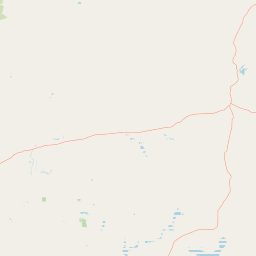
Map view of Lakeside National Park

Use this park location map to pinpoint Lakeside National Park in Australia, understand its exact geographic position, and read its mapped placement within the surrounding landscape more clearly.

Pigeon | © OpenStreetMap contributors

Location context for Lakeside National Park

Mid WestWestern Australia
Park atlas

Trace the Murchison Bioregion's Protected Landscape Spread and Compare Semi-Arid Parks

Discover Other Protected Areas and National Parks Near Lakeside National Park
Browse other national parks and protected areas situated near Lakeside National Park, exploring the regional context of conservation across Western Australia's Mid West. Compare distinct protected landscapes, tracing the spread of semi-arid woodlands and ancient geological features within the expansive Murchison bioregion.
National parkGascoyne

Kennedy Range National Park: Explore Its Dramatic Sandstone Plateau and Canyon Geography

Discover the protected landscapes of Gascoyne's arid terrain.

Kennedy Range National Park is a protected area defined by its striking geological formations, including a vast sandstone plateau and deeply incised canyons that create a dramatic mesa landscape. Situated in the Gascoyne region, this national park serves as a significant example of Australia's inland semi-arid environments, offering rich context for mapped terrain exploration. Understand the park's protected boundaries, its unique arid-zone ecosystems, and the visual contrast it presents within the regional geography, providing valuable insights for atlas-driven discovery.

Area
1,416.6 km²
Established
1993
IUCN
II
National parkWestern Australia

Yanchep National Park: Explore Its Unique Limestone Caves and Protected Bushland Geography

Discover the subterranean formations and coastal plain landscapes.

Yanchep National Park offers a singular opportunity for atlas-driven exploration of Western Australia's natural and cultural heritage. Situated on the Swan Coastal Plain, this national park is celebrated for its extensive network of limestone caves, including the notable Crystal Cave, providing a rare glimpse into subterranean geological processes. Beyond its underground wonders, the park encompasses diverse native bushland, supporting iconic koala colonies and offering insights into the region's ecological distinctiveness. Its deep Nyoongar heritage further enriches the understanding of this mapped protected landscape.

Area
28.76 km²
Established
1957
IUCN
II
National parkWestern Australia

Beelu National Park: Exploring Western Australia's Protected Jarrah-Marri Forest Landscape

Mapped Geographic Context & Natural Terrain Discovery

Beelu National Park, situated in Western Australia's Darling Range, offers an immersive experience within old-growth jarrah-marri forests. This protected area provides a vital glimpse into the region's natural landscapes, characterized by rolling hills and the Helena River valley. Users can explore the park's geographic setting, its mapped boundaries, and the unique ecological context it preserves. It stands as a significant natural reserve contributing to the understanding of Western Australia's conservation efforts and diverse terrain.

Area
46.17 km²
Established
1995
IUCN
II
National parkWestern Australia

Kalamunda National Park: Explore Darling Scarp Woodland & Western Australia's Natural Terrain

A protected national park with distinct mapped landscape features.

Kalamunda National Park is an essential protected area located on the western slopes of the Darling Scarp, offering a clear representation of southwestern Australia's characteristic eucalypt woodland ecosystems. Its geography is defined by the escarpment's terrain, supporting tall marri, jarrah, and wandoo forests with a diverse understorey. As a national park, it provides critical habitat and contributes to the regional landscape context within Western Australia, making it a valuable point for atlas-driven discovery of protected natural areas.

Area
3.75 km²
Established
1964
IUCN
II
National parkWestern Australia

Korung National Park: Protected Landscape and Map Context in Western Australia

Discover its unique dual bioregion geography.

Korung National Park is a protected national park in Western Australia, noted for its position along the Darling Scarp overlooking the Swan Coastal Plain. This reserve provides accessible natural experiences and showcases the ecological transition between two major southwest Australian bioregions. Its mapped landscapes offer a clear example of regional protected area planning and its importance for biodiversity conservation in the Perth metropolitan area.

Area
63.54 km²
Established
2004
IUCN
II
National parkPerth metropolitan region

Midgegooroo National Park: Jarrah Forest Protected Landscape and Regional Geography

Explore its mapped boundaries and terrain near Perth.

Midgegooroo National Park offers a distinct protected landscape characterized by its expansive jarrah forest terrain within the Perth metropolitan region. This national park provides valuable context for understanding regional geography, mapped natural features, and the distribution of protected lands. Explore the park's unique topography and conservation boundaries, vital for comprehensive atlas-based geographic discovery.

Area
24.92 km²
Established
2004
IUCN
II
National parkWestern Australia

Serpentine National Park: Waterfall & Wildflower Protected Landscape in Western Australia

Mapped geography, waterfall terrain, and spring bloom discovery.

Serpentine National Park is a protected national park located in Western Australia, approximately 55 kilometers southeast of Perth. It is celebrated for its prominent Serpentine Falls, a multi-tiered cascade that forms a popular natural pool, and its stunning spring wildflower season. The park showcases the undulating terrain of the Darling Scarp, featuring jarrah and marri woodlands. This park offers a distinct opportunity for atlas-based exploration of protected landscapes, with a focus on its unique waterfall features and vibrant botanical displays.

Area
43.87 km²
Established
1957
IUCN
II
National parkWestern Australia

Wellington National Park: Protected Jarrah Forest & Collie River Landscape

Explore the mapped boundaries and regional geography.

Wellington National Park offers a deep dive into Western Australia's protected landscapes, characterized by extensive old-growth jarrah forests and the scenic Collie River valley. This national park provides a vital study of the region's unique geography, mapped terrain, and ecological significance within the Yilgarn craton. Understand the park's protected area identity and its place in the wider natural context of Western Australia through its detailed landscape features.

Area
170 km²
Established
2000
IUCN
II

Common questions about visiting, size, designation, and location context for Lakeside National Park

Lakeside National Park FAQs for park facts, access, geography, and protected area context
Find quick answers about Lakeside National Park, including protected-area facts, park geography, trail and visitor context, and how the park fits into its surrounding country and regional landscape.
MoriAtlas Explorer

Continue Your Protected Areas Search Across the Global Atlas

Deepen your exploration by continuing the structured search for national parks and protected areas worldwide. Utilize the comprehensive filtering capabilities to compare different conservation landscapes and refine your understanding of global park geography. Discover more about the distribution and characteristics of protected natural areas.

Global natural geography