

Mori Atlas logo
National parkKennedy Range National Park

Explore dramatic sandstone escarpments, deep canyons, and semi-arid terrain within this national park.

Kennedy Range National Park: Protected Landscape Atlas and Map Context in Gascoyne, AU

Kennedy Range National Park represents a significant protected natural landscape within the Gascoyne region of Western Australia. This national park encompasses a prominent, weathered sandstone plateau that rises sharply from the surrounding plains, featuring spectacular cliffs and a complex system of canyons. It offers a unique opportunity for atlas-style discovery, allowing users to understand its mapped boundaries, regional geographic context, and the striking contrast of its terrain against the broader semi-arid environment. Explore the geological heritage and arid-zone ecosystems preserved within this expansive protected area.

Western AustraliaSandstone CliffsCanyon LandscapeArid ZoneIndigenous HeritageWildflower Display

Kennedy Range National Park

National park

Park overview

Structured park overview, official facts, and landscape profile for Kennedy Range National Park

Kennedy Range National Park park facts, protected area profile, and essential visitor context
Review the core facts for Kennedy Range National Park, including designation, size, terrain, visitor scale, habitats, and operating context in one park-focused overview.

About Kennedy Range National Park

Kennedy Range National Park occupies a distinctive place in Western Australia's protected area estate as a representative example of arid-zone sandstone landscape formations in the Gascoyne region. The park's central feature is a vast mesa-like plateau that extends approximately 150 kilometres in length, formed through millions of years of erosion and weathering. The most spectacular aspect of the range is the series of steep canyons that dissect the southern and eastern faces of the plateau, with cliff faces rising dramatically from the valley floors. These sandstone formations create a complex habitat mosaic that supports a diversity of plant and animal species adapted to the harsh semi-arid environment. The park sits on the edge of the Gascoyne River catchment area, with natural springs located along the base of the ranges historically providing crucial water sources for both wildlife and human inhabitants. The landscape represents a natural boundary that historically separated the territories of the Maia and Malgaru Aboriginal peoples, and the area remains culturally significant to the descendants of these communities.

Quick facts and research context for Kennedy Range National Park

Kennedy Range National Park covers 1,416.6 square kilometres of semi-arid landscape in inland Western Australia. The park was officially gazetted in 1993 and is managed by the Western Australia's Department of Environment and Conservation. The formation represents a natural border between the traditional lands of the Maia and Malgaru Aboriginal peoples. The park features limited visitor infrastructure, with basic facilities including a bush toilet and campground at Temple Gorge, and several walking trails that traverse the escarpment and canyon areas.

Park context

Deeper park guide and search-rich context for Kennedy Range National Park

Kennedy Range National Park history, landscape, wildlife, and travel context
Explore Kennedy Range National Park through its history, landscape character, ecosystems, wildlife, conservation priorities, cultural context, and seasonal travel timing in a structured park guide built for atlas discovery and search intent.

Why Kennedy Range National Park stands out

Kennedy Range is best known for its dramatic sandstone escarpment and canyon system, which stands in sharp contrast to the flat surrounding plains of the Gascoyne region. The park protects one of the most significant geological formations in inland Western Australia, with the weathered plateau serving as a visual landmark across the semi-arid landscape. The range also supports a remarkable display of wildflowers following seasonal rains, with over 80 species including mulla mulla, hakeas, eremophilas, calytrix, verticordias and everlasting daisies. The park's cultural significance is equally notable, with archaeological evidence documenting Indigenous Australian occupation extending back over 20,000 years.

Kennedy Range National Park history and protected-area timeline

The Kennedy Range area has a documented human history spanning more than 20,000 years, with archaeological evidence of Indigenous Australian habitation discovered at over 100 sites throughout the range. The natural springs and chert outcrops provided essential resources for Aboriginal people, supporting hunting activities and supplying stone for tool production. European exploration of the area began in 1858 when Francis Thomas Gregory's expedition reached the range during a broader exploration of Western Australia's interior. Gregory named the range after Arthur Edward Kennedy, who served as Governor of Western Australia at that time, and also named the nearby Lyons River during the same expedition before continuing onward to Mount Augustus. Pastoralists arrived shortly after European exploration, with Charles Brockman establishing Boolathana Station in 1877. The region became successful for wool production until the 1930s, when a combination of overgrazing, prolonged drought and the economic impacts of the Great Depression caused most pastoral operations to fail. The valleys and plains surrounding the range suffered significant land degradation from this period of pastoral activity, though the elevated plateau areas remained relatively intact. The area was explored for mineral potential but no significant mining operations were established. Kennedy Range National Park was officially gazetted in 1993, providing formal protection for the geological and cultural values of the area.

Kennedy Range National Park landscape and geographic character

The defining landscape feature of Kennedy Range National Park is the massive sandstone plateau that rises abruptly from the surrounding semi-arid plains. This mesa formation extends for approximately 150 kilometres, creating a prominent landmark visible across the flat terrain of the Gascoyne region. The southern and eastern faces of the range are marked by spectacular sandstone cliffs, some reaching significant heights above the valley floor. The most striking topographic features are the steep canyons that have been carved into the plateau over geological time, with these gorges cutting deeply into the sandstone and creating sheltered microenvironments within the broader arid landscape. The elevation change from canyon floor to plateau rim reaches approximately 100 metres, providing dramatic contrast in the terrain. The surrounding landscape consists of flat plains and valley floors that form part of the broader Gascoyne River catchment, with the vegetation patterns reflecting the low rainfall and high temperatures typical of this part of inland Western Australia.

Kennedy Range National Park ecosystems, habitats, and plant life

The Kennedy Range supports a distinctive semi-arid ecosystem adapted to the harsh environmental conditions of inland Western Australia. The park's vegetation reflects the variable terrain, with different plant communities occurring across the plateau tops, cliff faces, canyon floors and surrounding plains. The most notable botanical phenomenon occurs following periods of heavy rainfall, when the park comes alive with a diverse display of wildflowers. Over 80 species have been recorded within the park, including mulla mulla, various hakeas, eremophilas, calytrix, verticordias and everlasting daisies. This floral display transforms the typically muted landscape into a vibrant tapestry of colour and represents one of the park's most celebrated natural features. The sandstone cliff faces and canyon walls providehabitat for specialised plant species that are adapted to the vertical terrain and shade conditions found in these areas.

Kennedy Range National Park wildlife and species highlights

The Kennedy Range provides habitat for a range of arid-zone wildlife species adapted to the semi-arid conditions of the Gascoyne region. The park's diverse habitat types, ranging from plateau tops to shaded canyon floors, support different assemblages of animals throughout the year. Notably, a species of lizard known as the Kennedy Range broad-blazed slider (Lerista kennedyensis) has been named after the Kennedy Range, indicating the area's significance as a location for endemic species. The park's water sources, including natural springs where they occur, provide important watering points for wildlife during the dry periods. Birdlife is present throughout the park, with species adapted to arid environments occupying the various habitat zones. The cliff faces and rock outcrops provide nesting habitat for raptors and other bird species that utilise the vertical terrain.

Kennedy Range National Park conservation status and protection priorities

Kennedy Range National Park preserves both significant geological values and important cultural heritage within a semi-arid protected area context. The park protects one of the more notable sandstone plateau formations in Western Australia, representing the geological history and erosion processes that have shaped the Gascoyne region over millions of years. The gazettment of the park in 1993 provided formal protection for the archaeological sites that document over 20,000 years of Indigenous Australian occupation, preserving this cultural heritage alongside the natural values. The relatively intact condition of the plateau areas, which avoided the degradation that affected the surrounding valley and plains during the pastoral era, means the park retains significant ecological integrity. The park also serves as an important reference site for understanding arid-zone ecosystem function and the adaptations of plants and animals to harsh environmental conditions.

Kennedy Range National Park cultural meaning and human context

The Kennedy Range holds deep cultural significance for the Aboriginal peoples of the Gascoyne region, having formed a natural boundary between the traditional lands of the Maia and Malgaru peoples. The natural springs located along the edge of the ranges would have provided crucial water resources and attracted game animals, making the area an important location for hunting and gathering activities. The chert outcrops found throughout the range supplied valuable stone for tool manufacture, evidence of which has been identified at multiple archaeological sites within the park. Over 100 sites have been documented showing evidence of continuous Indigenous Australian habitation spanning more than 20,000 years prior to European settlement, making this one of the longer documented occupation sequences in the Western Australian interior. The park continues to hold significance for Aboriginal communities with connections to the area.

Top sights and standout views in Kennedy Range National Park

The dramatic sandstone escarpment and canyon system of Kennedy Range stands as the park's most distinctive feature, offering visitors the opportunity to walk along cliff tops and descend into deep gorges that carve through the plateau. The wildflower displays that follow seasonal rains transform the landscape, with over 80 species creating vibrant colour across the normally subdued semi-arid terrain. The park preserves evidence of over 20,000 years of continuous Indigenous Australian occupation, making it one of the longest-inhabited areas of inland Australia. The park also provides a contrast to the better-known coastal and maritime attractions of Western Australia, offering visitors an insight into the vast inland landscapes that comprise much of the state.

Best time to visit Kennedy Range National Park

The optimal time to visit Kennedy Range National Park is following periods of heavy rainfall, when the wildflower display brings the landscape to life with colour and the generally harsh conditions of the park are at their most forgiving. The winter months from May to September typically offer more comfortable temperatures for hiking and outdoor activities, though conditions can vary significantly from year to year depending on seasonal weather patterns. Summer temperatures in the inland Gascoyne region can be extremely hot, making outdoor activities during daylight hours challenging. Visitors should be aware that no water is available within the park, so all water supplies must be carried in. The park's remote location means that visitors should be well-prepared for self-sufficient travel and should check current conditions before planning their visit.
Park location guide

Geography guide, regional context, and park location map for Kennedy Range National Park

Kennedy Range National Park park geography, regions, and map view in Australia
Understand where Kennedy Range National Park sits in Australia through a broader geographic reading of the surrounding landscape, nearby location context, and its mapped position within the national park landscape.

How Kennedy Range National Park fits into Australia

Australia is a constitutional monarchy and federal parliamentary democracy comprising six states and ten territories. With a population of nearly 28 million, it is one of the world's most urbanised countries, with most people concentrated on the eastern seaboard. The country has a high Human Development Index and is known for its cultural diversity, ancient Aboriginal heritage, and unique wildlife.

Wider geography shaping Kennedy Range National Park in Australia

Australia occupies the entire Australian continent, the island of Tasmania, and numerous smaller islands. It is the world's flattest and driest inhabited continent, featuring vast deserts in the interior (the Outback), tropical rainforests along the eastern coast, and a coastline bordering the Indian and Pacific Oceans.

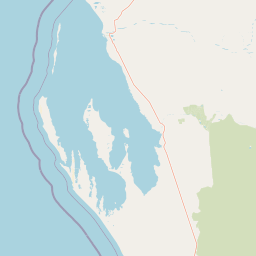
Map view of Kennedy Range National Park

Use this park location map to pinpoint Kennedy Range National Park in Australia, understand its exact geographic position, and read its mapped placement within the surrounding landscape more clearly.

Pigeon | © OpenStreetMap contributors

Location context for Kennedy Range National Park

GascoyneWestern Australia
Park atlas

Discover additional protected landscapes and compare regional park geography across the Gascoyne arid zone and beyond

Explore Nearby National Parks and Protected Areas Around Kennedy Range National Park
Browse national parks and protected areas near Kennedy Range National Park, exploring the distinct geological heritage and arid-zone ecosystems of inland Western Australia. Compare these protected landscapes directly, extending your discovery from Kennedy Range's dramatic mesa into the broader regional park geography and conservation efforts.
National parkAustralia

Cape Range (South) National Park: Exploring Australia's Arid Semiarid Landscape Atlas

Mapped protected boundaries and regional terrain in Western Australia.

Cape Range (South) National Park, situated in Western Australia, is a vital protected area safeguarding a significant portion of the Carnarvon xeric shrublands. This national park offers a glimpse into a unique arid-zone landscape defined by low ranges, sandy plains, and characteristic acacia shrubland. Its establishment extends conservation efforts in the Gascoyne region, providing crucial context for mapped geography and the distribution of arid-adapted ecosystems within Australia's broader atlas.

Area
270.72 km²
Established
2020
IUCN
II
National parkWestern Australia

Lakeside National Park: Protected Landscape in Western Australia's Murchison Bioregion

Explore its semi-arid terrain and mapped park boundaries.

Lakeside National Park is an 8,490-hectare national park located in Western Australia's Mid West region, declared in 2021. Situated within the Murchison bioregion, it encompasses characteristic semi-arid landscapes, including Mulga woodland and open plains. This protected area serves as a key site for understanding the geological heritage and ecological communities of inland Western Australia, offering a specific point for mapped landscape exploration.

Area
84.9 km²
Established
2021
IUCN
II
National parkWestern Australia

Yanchep National Park: Explore Its Unique Limestone Caves and Protected Bushland Geography

Discover the subterranean formations and coastal plain landscapes.

Yanchep National Park offers a singular opportunity for atlas-driven exploration of Western Australia's natural and cultural heritage. Situated on the Swan Coastal Plain, this national park is celebrated for its extensive network of limestone caves, including the notable Crystal Cave, providing a rare glimpse into subterranean geological processes. Beyond its underground wonders, the park encompasses diverse native bushland, supporting iconic koala colonies and offering insights into the region's ecological distinctiveness. Its deep Nyoongar heritage further enriches the understanding of this mapped protected landscape.

Area
28.76 km²
Established
1957
IUCN
II
National parkWestern Australia

Karlamilyi National Park: A Premier Protected Desert Landscape in Western Australia

Explore mapped terrain, river systems, and dune fields across this vast national park.

Karlamilyi National Park is the largest national park in Western Australia, covering a significant portion of the Pilbara's desert wilderness. This protected area showcases an entire sequence of desert landforms, including vast sand dune fields, rugged tablelands, and the complete Rudall River catchment system. As a place of profound cultural importance and a prime example of intact desert landscape processes, Karlamilyi National Park offers unique insights into Australia's natural and geographic heritage within a mapped context.

Area
12,837.1 km²
Established
1977
IUCN
II
National parkWestern Australia

Kalamunda National Park: Explore Darling Scarp Woodland & Western Australia's Natural Terrain

A protected national park with distinct mapped landscape features.

Kalamunda National Park is an essential protected area located on the western slopes of the Darling Scarp, offering a clear representation of southwestern Australia's characteristic eucalypt woodland ecosystems. Its geography is defined by the escarpment's terrain, supporting tall marri, jarrah, and wandoo forests with a diverse understorey. As a national park, it provides critical habitat and contributes to the regional landscape context within Western Australia, making it a valuable point for atlas-driven discovery of protected natural areas.

Area
3.75 km²
Established
1964
IUCN
II
National parkWestern Australia

Beelu National Park: Exploring Western Australia's Protected Jarrah-Marri Forest Landscape

Mapped Geographic Context & Natural Terrain Discovery

Beelu National Park, situated in Western Australia's Darling Range, offers an immersive experience within old-growth jarrah-marri forests. This protected area provides a vital glimpse into the region's natural landscapes, characterized by rolling hills and the Helena River valley. Users can explore the park's geographic setting, its mapped boundaries, and the unique ecological context it preserves. It stands as a significant natural reserve contributing to the understanding of Western Australia's conservation efforts and diverse terrain.

Area
46.17 km²
Established
1995
IUCN
II
National parkWestern Australia

Korung National Park: Protected Landscape and Map Context in Western Australia

Discover its unique dual bioregion geography.

Korung National Park is a protected national park in Western Australia, noted for its position along the Darling Scarp overlooking the Swan Coastal Plain. This reserve provides accessible natural experiences and showcases the ecological transition between two major southwest Australian bioregions. Its mapped landscapes offer a clear example of regional protected area planning and its importance for biodiversity conservation in the Perth metropolitan area.

Area
63.54 km²
Established
2004
IUCN
II
National parkPerth metropolitan region

Midgegooroo National Park: Jarrah Forest Protected Landscape and Regional Geography

Explore its mapped boundaries and terrain near Perth.

Midgegooroo National Park offers a distinct protected landscape characterized by its expansive jarrah forest terrain within the Perth metropolitan region. This national park provides valuable context for understanding regional geography, mapped natural features, and the distribution of protected lands. Explore the park's unique topography and conservation boundaries, vital for comprehensive atlas-based geographic discovery.

Area
24.92 km²
Established
2004
IUCN
II

Common questions about visiting, size, designation, and location context for Kennedy Range National Park

Kennedy Range National Park FAQs for park facts, access, geography, and protected area context
Find quick answers about Kennedy Range National Park, including protected-area facts, park geography, trail and visitor context, and how the park fits into its surrounding country and regional landscape.
MoriAtlas Explorer

Continue Your Protected Areas Search Across the Global Atlas

Deepen your exploration by continuing the structured search for national parks and protected areas worldwide. Utilize the comprehensive filtering capabilities to compare different conservation landscapes and refine your understanding of global park geography. Discover more about the distribution and characteristics of protected natural areas.

Global natural geography