Mori Atlas logo
National parkPaparoa National Park

Discover the mapped protected boundaries and distinct terrain of this New Zealand national park.

Paparoa National Park: Explore Unique Karst Landscapes and Coastal Geology on the West Coast Region

Paparoa National Park, situated on the rugged West Coast Region of New Zealand's South Island, is a remarkable national park celebrated for its exceptional karst topography and dramatic coastal features. Encompassing approximately 430 square kilometers, this protected area presents a diverse atlas of subterranean rivers, extensive cave systems, and striking limestone formations, most notably the iconic Pancake Rocks and Blowholes. Its varied terrain stretches from the Tasman Sea coast across the Paparoa Range, offering a unique geographic context for understanding New Zealand's natural heritage.

Karst LandscapeCoastal National ParkLimestone FormationsCave SystemsWest Coast New ZealandGreat Walks

Paparoa National Park

National park

Park overview

Structured park overview, official facts, and landscape profile for Paparoa National Park

Paparoa National Park park facts, protected area profile, and essential visitor context
Review the core facts for Paparoa National Park, including designation, size, terrain, visitor scale, habitats, and operating context in one park-focused overview.

About Paparoa National Park

Paparoa National Park stands as one of New Zealand's smaller national parks but possesses geological and ecological character found nowhere else in the country. The park protects a remarkable transition zone where the Paparoa Range meets the Tasman Sea, creating landscapes that range from towering coastal cliffs and sandy beaches to alpine peaks and deep glaciated valleys. The underlying limestone geology has produced an extensive karst system with rivers that vanish underground, resurge from caves, and carve complex passages through soluble rock. This subterranean landscape supports unique ecosystems while the surface hosts diverse forest types ranging from lowland podocarp forest to upland beech communities. The park's coastline features the famous Pancake Rocks, where evenly layered limestone has been eroded into formations resembling stacks of pancakes, complete with blowholes that send sea spray towering upward during rough weather. Beyond the geological wonders, the park serves as habitat for rare seabirds including the Westland petrel, which breeds in forested terraces near the Punakaiki River, and supports colonies of New Zealand fur seals along the coast.

Quick facts and research context for Paparoa National Park

Paparoa National Park occupies the northern West Coast region of the South Island, positioned between the Buller River (Kawatiri) and the Grey River (Mawheranui). The park encompasses the western slopes of the Paparoa Range as well as separate eastern sections along the Inangahua River catchment. The landscape features remarkably diverse geology including the Barrytown syncline and Punakaiki anticline, with Mt Lodge rising as the highest peak at 1,447 meters. The park was significantly expanded in 2015 when approximately 3,580 hectares of land around the former Pike River Mine was added. The limestone karst system supports extensive cave networks, with the Metro Cave offering commercial tourist access.

Park context

Deeper park guide and search-rich context for Paparoa National Park

Paparoa National Park history, landscape, wildlife, and travel context
Explore Paparoa National Park through its history, landscape character, ecosystems, wildlife, conservation priorities, cultural context, and seasonal travel timing in a structured park guide built for atlas discovery and search intent.

Why Paparoa National Park stands out

Paparoa National Park is best known for its extraordinary karst landscape and the iconic Pancake Rocks and Blowholes at Dolomite Point near Punakaiki. These uniquely layered limestone formations, eroded into stacked platey structures, create dramatic surge pools and blowholes when waves crash against them. The park also contains one of New Zealand's most extensive cave systems, formed by rivers flowing through the limestone syncline from the Paparoa Ranges. The combination of coastal scenery, mountain terrain, and underground waterways in such close proximity makes this park geologically distinctive.

Paparoa National Park history and protected-area timeline

Paparoa National Park was established in 1987 following a decade of advocacy by conservation organizations including the Federated Mountain Clubs and the Native Forest Action Council. Initial proposals in the late 1970s called for a much larger protected area exceeding 130,000 hectares, though this was reduced through the submission process to the final 30,327 hectares gazetted in November 1987. The park was later expanded in 2015 when the government purchased 3,580 hectares of land around the former Pike River Mine following the liquidation of Pike River Coal, adding this area to the park's protection. The park is also remembered for the tragic Cave Creek disaster of 1995, when the collapse of a viewing platform resulted in fourteen deaths. This event occurred at Cave Creek, which flows through the karst system and feeds into a complex cave network that has been slowly formed over millions of years by water dissolving the limestone bedrock.

Paparoa National Park landscape and geographic character

The Paparoa Range presents a dramatic mountain backdrop rising from the coast, with peaks reaching 1,447 meters at Mt Lodge. These mountains were uplifted during the late Pliocene or early Quaternary periods and contain some of the oldest rocks in New Zealand. The movement of the Alpine Fault over the past 10 million years has separated the granite and gneiss rocks of the Paparoas from their original neighbors, creating geological affinities with distant Fiordland rather than the nearby Southern Alps. The eastern mountain slopes feature deep glaciated valleys running north and south, with towering bluffs, cirques, and hanging valleys. The coastal landscape is characterized by high cliffs carved by waves from the Tasman Sea, indented coves, sandy beaches, and offshore islands and rock pillars. The most famous coastal feature, the Pancake Rocks at Dolomite Point, consists of evenly layered platey limestone stacks that have been eroded into surge pools and blowholes, representing a unique geological formation in New Zealand.

Paparoa National Park ecosystems, habitats, and plant life

The ecological character of Paparoa National Park is defined by the interaction between its diverse geology and the moisture-laden climate of the West Coast. The majority of the park is forested with a wide variety of vegetation types, from lowland podocarp forests through to subalpine communities. The limestone karst areas support distinctive plant communities adapted to the unique substrate, while the river gorges with their high forest-crowned cliffs create microhabitats for specialized species. The park contains several caves, with the Metro Cave or Te Ananui Cave operating as a commercial tourist attraction, while numerous other cave systems remain accessible only to speleologists. The coastal terraces provide habitat for rare seabird species, while the marine environment supports populations of New Zealand fur seals, with occasional visits from southern elephant seals and leopard seals.

Paparoa National Park wildlife and species highlights

Paparoa National Park supports significant bird populations ranging from the coastline to the mountain peaks. The most notable avian resident is the Westland petrel, a rare seabird that breeds in dense forest on terraces south of the Punakaiki River, a colony recognized as an Important Bird Area by BirdLife International. Various bird species migrate seasonally between winter habitat in the lower forests and summer habitat in the upland forests, including tui, bellbirds, kaka, kereru (New Zealand pigeon), and parakeets. The coastal waters support some of the highest population densities of Hector's dolphins in New Zealand, while killer whales and other dolphin species are occasionally observed offshore. New Zealand fur seals have established large colonies in adjacent areas around Westport, particularly at Cape Foulwind, and marine mammals including southern elephant seals and leopard seals make occasional appearances along the coast.

Paparoa National Park conservation status and protection priorities

Paparoa National Park receives strong legal protection from mining under Schedule 4 of the Crown Minerals Act, though proposals have occasionally emerged to allow some mining within its borders. In 2010, the government considered removing portions of the park, including the Inangahua sector, from Schedule 4 protection, but following overwhelming public opposition with over 37,000 submissions, the proposal was rejected. The park was instead expanded with additional protection for land around the Pike River Mine. The park protects significant ecological areas including the Pororari Ecological Area, which was gazetted in 1979 to protect the forests of the lowland karst syncline. The conservation significance of the park is enhanced by its role as habitat for threatened seabirds and its protection of unique geological formations that represent rare examples of New Zealand's karst and coastal limestone landscapes.

Paparoa National Park cultural meaning and human context

The park lies in a region with historical connections to Maori iwi (tribes), and several rivers within the park carry Maori names such as Kawatiri (Buller River) and Mawheranui (Grey River). The Punakaiki area and the broader West Coast have a strong mining heritage, with coal mining having been an important local industry. The 2010 Pike River Mine disaster, which claimed 29 lives, led directly to the expansion of the park in 2015 when the mine land was purchased and added to the protected area. The Paparoa Track was constructed partly as the Pike29 Memorial Track as a memorial to the miners lost in that tragedy. The park's landscape has also inspired artistic and cultural references, with the distinctive limestone formations contributing to the cultural identity of the West Coast region.

Top sights and standout views in Paparoa National Park

The Paparoa Track, one of New Zealand's Great Walks, traverses the park from Blackball to Punakaiki, offering multi-day access through the diverse landscapes of the range. The Pancake Rocks and Blowholes at Dolomite Point remain the park's most famous attraction, with the layered limestone formations creating a unique coastal phenomenon visible from easily accessible viewing areas. The Truman Track provides a shorter walk through coastal forest to a headland north of Punakaiki, showcasing nikau palms, podocarps, rata, and flax. The cave systems, particularly the Metro Cave / Te Ananui Cave, offer guided tours into the underground river passages that characterize the karst landscape. The combination of coastal, forest, mountain, and subterranean environments within a single protected area makes Paparoa unusually diverse for its size.

Best time to visit Paparoa National Park

The park can be visited throughout the year, though the West Coast climate means rainfall is common and conditions can change rapidly. The summer months of December through February generally offer the most settled weather and longer daylight hours for walking and outdoor activities. Winter visits provide dramatic scenery with potential snow on the higher peaks, though conditions on the more exposed tracks can be challenging. The famous blowholes at the Pancake Rocks are most impressive during winter storms when larger swells from the Tasman Sea create more dramatic water action. The Westland petrel breeding season occurs during summer months, when these birds can be observed returning to their coastal nesting sites at dusk. The Paparoa Track is a popular multi-day hike during the warmer months, with hut bookings typically required in advance.

Park location guide

Geography guide, regional context, and park location map for Paparoa National Park

Paparoa National Park park geography, regions, and map view in New Zealand
Understand where Paparoa National Park sits in New Zealand through a broader geographic reading of the surrounding landscape, nearby location context, and its mapped position within the national park landscape.

How Paparoa National Park fits into New Zealand

New Zealand is an island nation in the southwestern Pacific Ocean comprising two main islands and numerous smaller islands. Located east of Australia across the Tasman Sea, it features varied topography with the Southern Alps running along the South Island and volcanic terrain on the North Island. The country was settled by Maori people between 1280 and 1350, followed by European exploration beginning in 1642, and became a Dominion in 1907 before gaining full independence in 1947.

Wider geography shaping Paparoa National Park in New Zealand

New Zealand lies in the southwestern Pacific Ocean, east of Australia across the Tasman Sea. The country consists of two main islands, the North Island and South Island, plus over 600 smaller islands. The North Island features volcanic plateaus and hills while the South Island is dominated by the Southern Alps mountain range. The country has a long coastline and is surrounded by the Pacific Ocean.

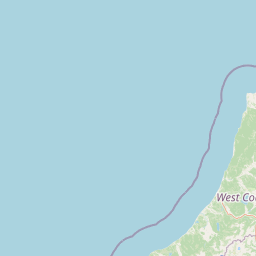
Map view of Paparoa National Park

Use this park location map to pinpoint Paparoa National Park in New Zealand, understand its exact geographic position, and read its mapped placement within the surrounding landscape more clearly.

Pigeon | © OpenStreetMap contributors

Location context for Paparoa National Park

West Coast Region
Park atlas

Trace connected protected landscapes across New Zealand's South Island, comparing geographic features and conservation zones adjacent to Paparoa National Park.

Discover Nearby National Parks and Protected Areas Beyond Paparoa National Park, New Zealand
Continue browsing national parks and protected areas near Paparoa National Park, examining diverse conservation landscapes found along New Zealand's dramatic West Coast. This geographic overview helps compare unique karst formations, expansive mountain ranges, and distinctive coastal environments, deepening understanding of regional protected area distribution.
National parkCanterbury

Arthur's Pass National Park: Canterbury's Southern Alps Protected Area Atlas

Dramatic alpine terrain and distinct forest ecosystems within New Zealand.

Arthur's Pass National Park is a nationally significant protected area within the Canterbury region of New Zealand's South Island. This park is defined by its dramatic glacial valleys, towering peaks, and the striking ecological transition between the drier mountain beech forests of the east and the lush rainforests of the west. Its mapped boundaries encompass a critical landscape for understanding alpine environments and conservation in the Southern Alps, offering unique geographical context for this protected territory.

Area
1,184.7 km²
Established
1929
IUCN
II
National parkNew Zealand

Nelson Lakes National Park: Alpine Geography and Glacial Lakes Atlas

Explore New Zealand's protected mountain terrain and natural landscapes.

Nelson Lakes National Park provides a deep dive into a dramatic alpine environment situated at the northern edge of New Zealand's Southern Alps. This national park is characterized by its striking glacial lakes, Rotoiti and Rotoroa, and the extensive mountain ranges that surround them, offering a rich context for understanding protected land distribution. Explore the park's mapped geography, its distinct beech forest ecosystems, and the rugged natural terrain that makes it a significant feature within the broader South Island landscape.

Area
1,018.8 km²
Established
1956
IUCN
II
National parkWest Coast Region

Kahurangi National Park: A National Park of Ancient Geology and Diverse Protected Landscapes in New Zealand

Explore the mapped natural terrain and regional geographic context.

Kahurangi National Park is distinguished by its extraordinary geological diversity, representing New Zealand's finest Paleozoic rock sequence and expansive karst features. Covering a vast area in the West Coast Region, it protects a remarkable array of natural landscapes, from coastal cliffs and nikau palm forests to alpine tussock basins and deep gorges. This national park is crucial for understanding New Zealand's natural heritage, offering a rich tapestry of mapped terrain and protected biodiversity for dedicated geographic exploration.

Area
5,193 km²
Established
1996
IUCN
II
National parkTasman District

Abel Tasman National Park: Coastal Protected Landscape and Mapped Geography in Tasman District

New Zealand's smallest national park offering iconic coastal hiking and wildlife.

Delve into the mapped boundaries and unique geography of Abel Tasman National Park, New Zealand's smallest national park located in the Tasman District. This protected landscape features renowned golden beaches, forested hills, and vital island ecosystems. Explore its coastal trails, understand its ecological restoration context, and appreciate its historical significance as a site of early European and Māori interaction, making it a key destination for atlas-driven geographic discovery.

Area
237.1 km²
Established
1942
IUCN
II
National parkWest Coast

Westland Tai Poutini National Park: A Protected Landscape of Glaciers and Temperate Rainforests

Explore its mapped terrain and unique glacial features in West Coast, NZ.

Westland Tai Poutini National Park represents a remarkable intersection of glacial power and lush temperate rainforests along New Zealand's West Coast. As a protected national park, it showcases dramatic alpine scenery and the unique characteristic of glaciers descending to low elevations. Users can explore the mapped boundaries and the distinct natural landscapes that define this significant protected area, offering a clear view of its place within the region's geography.

Area
1,319.8 km²
Established
1960
IUCN
II
National parkCanterbury Region

Aoraki / Mount Cook National Park: New Zealand's Iconic Alpine Protected Landscape Exploration

Mapped glacial terrain and mountain peaks in the Canterbury Region.

Delve into the heart of New Zealand's alpine grandeur with Aoraki / Mount Cook National Park. This page offers an atlas-style exploration of its protected boundaries, dramatic glacial formations like the Tasman Glacier, and the towering peaks of the Southern Alps. Understand the park's significant geographic context within the Canterbury Region and discover the mapped landscape that defines this premier national park.

Area
707 km²
Established
1953
IUCN
II
National parkNew Zealand

Egmont National Park: New Zealand's Distinctive Volcanic National Park

Explore the mapped volcanic terrain and protected landscape of Mount Taranaki.

Egmont National Park represents a significant protected area within New Zealand's North Island, dominated by the iconic stratovolcano, Mount Taranaki. This national park is celebrated for its distinct circular protected boundary, a unique feature against the surrounding pastoral farmlands, and its dramatic volcanic landscape. Visitors can explore a range of natural habitats from dense temperate rainforests to alpine environments, all mapped within this significant conservation landmark.

Area
341.7 km²
Established
1900
IUCN
II
National parkNorth Island

Whanganui National Park: A Protected Landscape of River Valleys and Lowland Forests

Explore mapped boundaries and regional geography on North Island.

Delve into Whanganui National Park, a key protected area on New Zealand's North Island. This national park is defined by its extensive lowland podocarp-hardwood forests and the iconic Whanganui River valley, presenting a unique wilderness character. Understand its geographic context and mapped landscape features, offering a distinct point of exploration within the broader atlas of New Zealand's protected lands.

Area
742 km²
Established
1986
IUCN
II

Common questions about visiting, size, designation, and location context for Paparoa National Park

Paparoa National Park FAQs for park facts, access, geography, and protected area context
Find quick answers about Paparoa National Park, including protected-area facts, park geography, trail and visitor context, and how the park fits into its surrounding country and regional landscape.
MoriAtlas Explorer

Continue Your Protected Areas Search Across the Global Atlas

Deepen your exploration by continuing the structured search for national parks and protected areas worldwide. Utilize the comprehensive filtering capabilities to compare different conservation landscapes and refine your understanding of global park geography. Discover more about the distribution and characteristics of protected natural areas.

Global natural geography