Why Whanganui National Park stands out
Whanganui National Park is best known for its exceptional combination of natural wilderness and cultural heritage, centred around the Whanganui River valley. The park protects one of New Zealand's largest remaining areas of lowland forest, providing crucial habitat for threatened species including the North Island brown kiwi and the endangered blue duck (whio). The Whanganui Journey is the park's flagship experience, a multi-day kayaking and tramping route that follows the river through pristine forest, past historic sites, and to remote landscapes that remain largely inaccessible by road. The Bridge to Nowhere stands as a poignant reminder of early 20th century European settlement attempts, while Tīeke Marae represents ongoing Māori cultural connection to the land.
Whanganui National Park history and protected-area timeline
The Whanganui River valley has been a corridor of human activity for centuries, with Māori communities establishing extensive networks of pā (fortified villages) along the river banks throughout what is now the park. The river served as the main route into the central North Island, functioning as a major trade and communication pathway for Te Āti Haunui-a-Pāpārangi and related iwi (tribes). This network was described as 'the plaited rope of Hinengākau', a metaphor reflecting the interconnected nature of the river settlements. The mid to late 19th century brought significant change, with wheat cultivation becoming widespread and flour mills built between the 1840s and 1860s to process grain for trade. Following European arrival, the region became a centre of religious conversion in the 1840s, leading to the establishment of Christian communities and chapels along the river, while followers of the Pai Mārire religion also established nearby settlements. The Bridge to Nowhere represents the park's more recent settlement history, constructed as part of the Soldier-Settler Scheme that offered returned World War I servicemen discounted land and development loans in the Mangapurua and Kaiwhakauka valleys. At its peak in the 1930s, the area supported dozens of farms, but by the 1940s the settlements had been abandoned due to challenging conditions including flooding and erosion. Today the bridge stands as a historic landmark within the park, maintained by the Department of Conservation.
Whanganui National Park landscape and geographic character
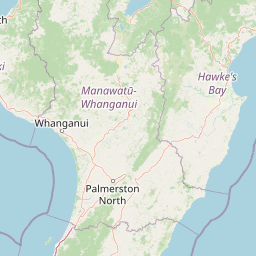
The physical landscape of Whanganui National Park is defined by the deep, winding valley of the Whanganui River and the surrounding hill country of the North Island's western interior. The terrain ranges from relatively flat river flats adjacent to the watercourse to steep, forested slopes climbing away from the valley floor. The park protects extensive areas of lowland forest that blanket the hillsides and fill the valleys, creating a landscape of considerable remoteness and wilderness character despite its proximity to populated areas. The river itself has carved a meandering course through the terrain, with its banks and adjacent flats supporting distinct vegetation communities adapted to the riparian environment. The surrounding terrain is typical of the central North Island's hill country, with ridges and valleys creating a complex topography that limits access and contributes to the park's isolated character.
Whanganui National Park ecosystems, habitats, and plant life
Whanganui National Park protects one of New Zealand's most significant areas of lowland podocarp-hardwood forest, a habitat type that has been substantially reduced across the country through historical land clearance. The forest communities within the park are diverse and structurally complex, with towering podocarp species including rimu, mīro, and tōtara dominating the steeper terrain, while kāmahi and tawa form the canopy in other areas. The lower-lying areas near the river support distinctive species including kahikatea, mataī, and the nīkau palm, New Zealand's only native palm species. Large northern rātā trees are scattered throughout the forest, adding to the diversity and visual character of the park's vegetation. This extensive forest cover supports a corresponding richness of native wildlife, with the park protecting several thousand threatened North Island brown kiwi and the endangered blue duck, both species of major conservation concern in New Zealand.
Whanganui National Park wildlife and species highlights
The wildlife of Whanganui National Park reflects the park's extensive forest cover and riverine habitats, supporting both significant populations of threatened species and diverse communities of more common native birds. The park provides crucial habitat for several thousand North Island brown kiwi, a species that has suffered dramatic declines across its range due to introduced predators, making the protected populations within Whanganui nationally significant. The endangered blue duck, known in Māori as whio, inhabits the park's rivers and streams, relying on the clean, fast-flowing water of the Whanganui system. The forest canopy and understory support a rich bird community including grey warbler, yellow-crowned kākāriki, New Zealand falcon (kārearea), New Zealand pigeon (kererū), rifleman (titipounamu), silvereye, tomtit, tūī, and whitehead. The river itself supports native fish species including freshwater crayfish (kōura), black flounder, pouched lamprey, and eels, all of which form part of the aquatic ecosystem that makes the Whanganui system ecologically significant.
Whanganui National Park conservation status and protection priorities
Whanganui National Park plays a vital role in protecting New Zealand's biodiversity, particularly through its conservation of extensive lowland forest habitats that have been heavily modified across much of the country. The park's populations of North Island brown kiwi represent one of the more significant remaining strongholds for this threatened species, with the protected forest environment offering some refuge from the introduced predators that have driven dramatic declines elsewhere. The blue duck populations within the park contribute to national conservation efforts for this endangered species, which is endemic to New Zealand and depends on healthy river systems. The forest communities themselves protect native vegetation that has survived where surrounding lands have been converted to agriculture or other uses, preserving genetic reservoirs of species including podocarps and hardwoods that once dominated much of the North Island. The Department of Conservation manages the park as part of New Zealand's national park system, balancing protection objectives with sustainable recreational use through the Great Walk network.
Whanganui National Park cultural meaning and human context
Whanganui National Park holds exceptional cultural significance for Māori, particularly for Te Āti Haunui-a-Pāpārangi and related iwi whose ancestors occupied the river valley for centuries before European colonisation. The Whanganui River was historically a major artery of Māori life, connecting communities and facilitating trade throughout the central North Island, with the riverbanks lined with pā and settlement sites. The landscape contains ongoing Māori connection to the land, exemplified by the Tīeke Marae/Kāinga, a marae and hut complex on the Whanganui Journey that was established in the early 1990s by members of Tamahaki who trace their ancestry to the original community. The land upon which Tīeke sits remains subject to a dispute between Te Whānau o Tieke and the Crown regarding historical confiscation, with the site currently co-managed by the Department of Conservation and the Māori community. This deep cultural layering distinguishes Whanganui from most other New Zealand national parks, where Māori connection, while present, is typically less continuous or contested.
Top sights and standout views in Whanganui National Park
The Whanganui Journey stands as the park's premier experience, a multi-day Great Walk that follows the river through pristine forest past historic sites and remote landscapes accessible only by water. The Bridge to Nowhere offers a tangible connection to early 20th century settlement history, its steel-reinforced concrete structure standing as a monument to the Soldier-Settler Scheme era. Tīeke Marae/Kāinga provides visitors with an opportunity to experience Māori cultural heritage in a living context, with the site offering accommodation and cultural programmes. The extensive lowland forest, home to threatened kiwi and blue duck, represents one of New Zealand's most significant remaining areas of unmodified native forest. The river itself, though not technically within the park boundary, forms the ecological and experiential heart of the protected area.
Best time to visit Whanganui National Park
The Whanganui Journey and other park activities can be undertaken throughout the year, with each season offering different character to the experience. Summer months (December to February) typically offer more stable weather and longer daylight hours, making them popular for multi-day kayak and tramping trips, though this period also coincides with higher visitor numbers. Winter visits can present challenges including wet conditions and shorter days, but also offer the opportunity to experience the park in more solitude and to witness the forest in its seasonal character. The shoulder seasons of autumn and spring often provide a balance of favorable conditions with fewer visitors, though weather can be less predictable. Regardless of season, visitors should be prepared for the possibility of rain, as the western North Island's climate delivers regular precipitation to the park's forests.