Why Cania Gorge National Park stands out
Cania Gorge is best known for its striking sandstone cliff formations and the ancient Aboriginal rock art that adorns the cave walls throughout the gorge. The dramatic 70-meter sandstone cliffs, particularly features like The Overhang and Dragon Cave, represent the park's most visually impressive geological elements. The gorge also supports a remarkable diversity of wildlife, including populations of rock wallabies, bettongs, and platypus in the creek systems, alongside more than 90 recorded bird species. The 5.6-kilometer walking circuit to Giants Chair Lookout offers panoramic views across the gorge, while trails to Dripping Rock, Bloodwood Cave, and Fern Tree Pool provide access to the park's key natural and cultural attractions.
Cania Gorge National Park history and protected-area timeline
Cania Gorge National Park was formally established in 1977 as part of Queensland's expanding national park system during a period when the state was systematically identifying and protecting significant natural areas. Prior to protection, the gorge and surrounding lands had been subject to various land uses including grazing and mining, with remnants of a former mine site still visible along one of the walking tracks within the park today. The establishment of the park recognized both the geological significance of the sandstone formations and the cultural importance of the Aboriginal rock art sites. Management of the reserve falls to the Queensland Parks and Wildlife Service, which has implemented visitor facilities and walking tracks to enable public enjoyment while protecting the park's natural and cultural values. The park's designation as a Category II protected area under the IUCN system reflects its primary purpose of conserving natural ecosystems while allowing for sustainable tourism and environmental education.
Cania Gorge National Park landscape and geographic character
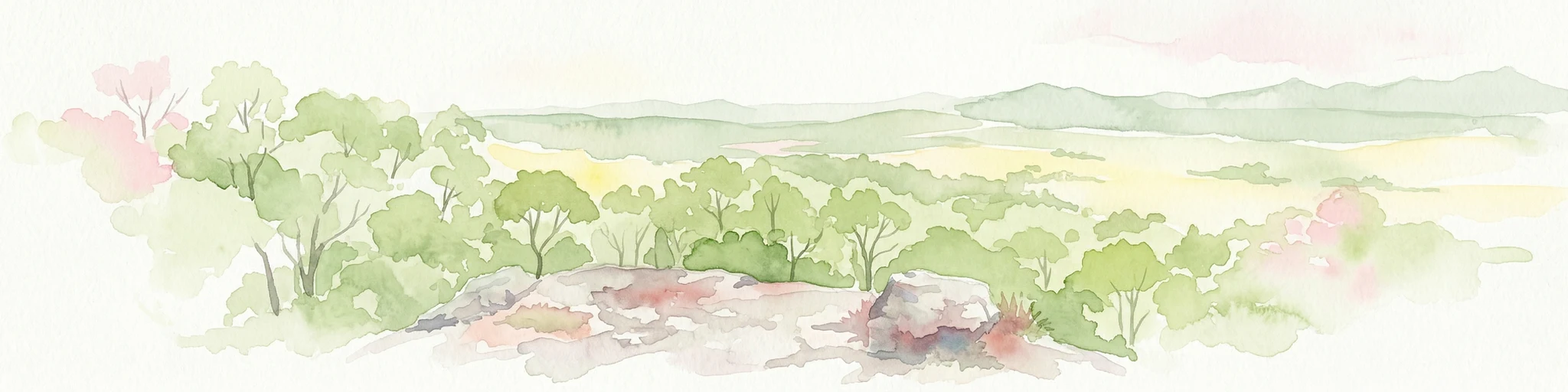
The landscape of Cania Gorge is dominated by its most distinctive feature: the towering sandstone cliffs that form the walls of the gorge. These cliffs rise approximately 70 meters above the creek floor and have been sculpted by erosional processes into dramatic shapes including overhangs, caves, and natural arches. The Overhang is one of the most notable geological formations, a massive shelf of sandstone that juts out from the cliff face and creates a sheltered area beneath. Dragon Cave and Bloodwood Cave are other significant cave systems within the park, containing both geological interest and Aboriginal rock art. The floor of the gorge is relatively narrow in places but widens in certain sections where the creek has created pools and more open areas. The terrain is rugged and broken, with the creek acting as the central drainage line through the park.
Cania Gorge National Park ecosystems, habitats, and plant life
The ecological character of Cania Gorge reflects the transition between several distinct vegetation communities across the relatively small area of the park. Cypress pine woodland covers much of the higher ground and plateau areas, while eucalypt woodland dominates the slopes and more open sections. In the sheltered gullies and along Three Moon Creek, the vegetation becomes denser, with brigalow forest and dry rainforest providing habitat for more moisture-dependent species. The diversity of habitats supports a remarkable plant inventory of more than 150 species within the park boundaries. The riparian zone along Three Moon Creek is particularly important, supporting vegetation that relies on the permanent water supply and providing corridors for wildlife movement through the landscape.
Cania Gorge National Park wildlife and species highlights
Cania Gorge supports a diverse faunal community that has adapted to the varied habitats within the gorge. Rock wallabies are a notable presence among the cliff formations, using the rocky terrain for shelter and feeding on vegetation growing on the cliff faces. Bettongs, small macropods that were once widespread across eastern Australia but have declined in many areas, persist in suitable habitats within the park. The waters of Three Moon Creek support platypus, one of Australia's most distinctive monotremes, which can be observed in the permanent pools. Reptiles including various gecko species inhabit the rocky areas and woodland habitats, while the bird community is particularly diverse with more than 90 species recorded. The combination of cliff habitats, riparian zones, and woodland communities creates a mosaic of environments that supports both common and specialist species.
Cania Gorge National Park conservation status and protection priorities
Cania Gorge National Park represents an important protected area in central Queensland that conserves both significant geological features and ecological communities that have largely disappeared from the surrounding landscape. The park protects the sandstone gorge environment, which is a relatively rare landscape type in the region, and the riparian ecosystems associated with Three Moon Creek. The Aboriginal rock art sites add cultural heritage value to the conservation significance, with evidence of indigenous occupation spanning at least 19,000 years. The protected area provides refuge for species that have declined in the broader region due to land clearing and changed fire regimes, making the park an important component of the local conservation network.
Cania Gorge National Park cultural meaning and human context
The cultural significance of Cania Gorge extends back to Aboriginal occupation of the area for at least 19,000 years, as evidenced by the rock art found throughout the caves and cliff shelters within the park. These artistic works represent some of the oldest continuous cultural traditions in Australia and demonstrate the long relationship between Aboriginal peoples and this landscape. The caves and overhangs within the gorge provided shelter and were used for ceremonial purposes, with the rock art serving as both cultural expression and connection to the spiritual dimension of the landscape. European settlement of the area brought changes including mining activity, with a former mine site still present along one of the walking tracks. The park now operates as a place where indigenous cultural heritage and more recent European history coexist within a protected natural landscape.
Top sights and standout views in Cania Gorge National Park
The most impressive highlight of Cania Gorge is the towering 70-meter sandstone cliff formations, particularly The Overhang and Dragon Cave, which showcase the geological character of the gorge. The 5.6-kilometer walking circuit to Giants Chair Lookout offers the park's most comprehensive experience, passing through varied terrain with views across the gorge to Fern Tree Pool, a permanent waterhole that supports platypus and other wildlife. The Aboriginal rock art in the caves provides a direct connection to thousands of years of indigenous history and cultural practice. The diversity of vegetation communities, from open eucalypt woodland to dry rainforest, creates a visually varied landscape that supports an impressive array of wildlife including rock wallabies, bettongs, and over 90 bird species.
Best time to visit Cania Gorge National Park
The best time to visit Cania Gorge is during the cooler months from autumn through to spring, when temperatures are more comfortable for walking and the risk of summer thunderstorms is reduced. Summer in Queensland can bring extreme heat and heavy rainfall, which can make outdoor activities uncomfortable and potentially dangerous, particularly in the gorge terrain where flash flooding can occur. The permanent waterholes such as Fern Tree Pool provide year-round points of interest, though wildlife viewing is often better in the cooler months when animals are more active during daylight hours. The park can be visited throughout the year, but spring brings the added benefit of wildflower displays in the woodland areas.