Why Chaco National Park stands out
Chaco National Park is best known for its protection of the Eastern Chaco's quebracho forests, particularly the quebracho colorado chaqueño (Schinopsis balansae), a tree species renowned for its exceptionally hard wood and high tannin content. The park preserves multiple distinct environments including scrubland dominated by quebracho species, savanna habitats, swamp areas, and small lagoon systems. Its wildlife includes notable species such as cougars, yacare caimans, capybaras, black howler monkeys, and South American tapirs, alongside more than 340 recorded bird species. The presence of Mocoví and Toba indigenous communities within the park adds significant cultural dimension to its conservation value.
Chaco National Park history and protected-area timeline
Chaco National Park was established in 1954 through the Argentine national parks administration as part of a broader effort to protect representative samples of the country's diverse ecosystems. The park was created specifically to preserve remaining stands of quebracho colorado chaqueño (Schinopsis balansae), a species whose valuable timber and tannin-rich bark had made it a primary target of the regional logging industry since the late 19th century. The exploitation of quebracho trees drove much of the economic development in the provinces of Santa Fe, Chaco, and Corrientes, with the dense wood used for railway sleepers, construction, and charcoal production while the bark supplied tannins for the leather industry. By the mid-20th century, the once-extensive quebracho forests had been dramatically reduced, motivating the creation of protected areas to preserve what remained. The park's establishment also recognized the importance of the broader Chaco ecosystem with its diverse habitats supporting both wildlife and indigenous communities.
Chaco National Park landscape and geographic character
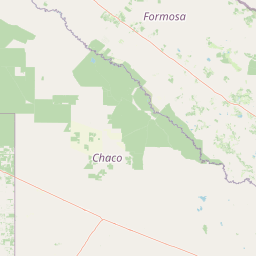
The physical landscape of Chaco National Park exemplifies the characteristic terrain of the Eastern Chaco region, featuring warm lowlands with minimal topographic variation. The terrain consists primarily of flat or gently undulating plains with scattered elevated areas that provide subtle relief across the otherwise uniform elevation. The park contains several distinct landscape zones: extensive scrubland areas dominated by thorny vegetation and hardwood trees, open savanna zones with scattered canopy trees and dense grassland understory, permanent and seasonal swamp regions where water accumulates during the wet season, and small lagoon basins that retain water throughout the year. The Río Negro (Black River) flows through the park, providing a permanent watercourse that supports riparian forest communities distinct from the surrounding terrain. The overall impression is of a green, humid wilderness where dense forest patches alternate with more open savanna and wetland areas, creating a mosaic landscape typical of the Chaco ecosystem.
Chaco National Park ecosystems, habitats, and plant life
The ecological character of Chaco National Park reflects the humid Chaco ecoregion, one of the most biodiverse forest ecosystems in South America. The park's vegetation includes several distinct forest types: quebracho-dominated forest where red quebracho (Schinopsis lorentzii) and white quebracho (Aspidosperma quebracho-blanco) form the canopy, algarrobo (Prosopis alba) woodlands in wetter areas, and lapacho (Tabebuia species) occurring in scattered locations. These forest types support complex ecological communities adapted to the pronounced seasonal rainfall patterns, with wet summers bringing abundant moisture and dry winters creating more challenging conditions. The wetlands and lagoons represent particularly important habitat components, providing permanent water sources that support aquatic species and attract wildlife during the dry season. The scrubland environments contain specialized plant communities adapted to periodic disturbance and drier conditions within the broader humid Chaco matrix. This ecological diversity supports the park's significance as a biodiversity refuge in a region where agricultural conversion has dramatically reduced natural habitat.
Chaco National Park wildlife and species highlights
Chaco National Park supports a rich fauna assemblage reflecting the diversity of the Gran Chaco ecosystem. The park's large predators include cougars (Puma concolor), which hunt prey species throughout the forest and savanna habitats. The wetland environments provide crucial habitat for yacare caimans (Caiman yacare) and capybaras (Hydrochoerus hydrochaeris), South America's largest rodent, both commonly observed in and around the park's lagoon systems. Additional mammalian species include armadillos, South American tapirs (Tapirus terrestris), and plains viscachas (Lagostomus maximus). The black howler monkey (Alouatta caraya) inhabits the forest canopy, its distinctive calls echoing through the woodland. Bird diversity is particularly remarkable, with more than 340 species recorded in the park, reflecting the varied habitats from forest interiors to wetland margins and savanna clearings. This avian richness includes both resident species and migratory visitors that utilize the park's habitats seasonally.
Chaco National Park conservation status and protection priorities
Chaco National Park plays a vital conservation role as one of the few protected areas preserving the Eastern Chaco ecosystem. The park was established specifically to protect remaining quebracho forests that had been severely depleted by a century of intensive exploitation for timber and tannin extraction. This conservation focus remains central to the park's purpose, as the quebracho colorado chaqueño represents a keystone species whose forest type once dominated vast areas of northeastern Argentina. Beyond protecting forest habitats, the park preserves the entire mosaic of Chaco environments including savanna, scrubland, and wetland systems, each supporting distinct ecological communities. The presence of indigenous communities (Mocoví and Toba) within the park adds cultural conservation dimensions, recognizing the long human presence in this ecosystem and the traditional relationships between local peoples and the land. The IUCN Category II designation reflects the park's primary objective of preserving natural ecosystems while allowing sustainable visitor use.
Chaco National Park cultural meaning and human context
Chaco National Park contains living indigenous communities of the Mocoví and Toba peoples, whose ancestors inhabited the Chaco region long before the establishment of protected areas. These communities maintain cultural practices and traditional relationships with the park's landscapes, using natural resources in ways that reflect generations of accumulated knowledge about the local environment. The presence of indigenous peoples within a national park context presents both opportunities and challenges for park management, requiring balance between conservation objectives and recognition of indigenous rights and traditional land use. The Mocoví and Toba communities represent the human dimension of the Chaco ecosystem, adding cultural depth to the park's natural values. Their traditional activities may include hunting, gathering, and agricultural practices that have shaped, and been shaped by, the distinctive Chaco environment over centuries.
Top sights and standout views in Chaco National Park
The park offers visitors experiences centered on its distinctive Chaco environments: exploring quebracho forest trails where massive trees with their characteristic rough bark dominate the canopy, observing wildlife at lagoon viewpoints where caimans and capybaras congregate, and walking through savanna landscapes where seasonal changes create shifting vistas. The Río Negro provides opportunities for river observation from the suspension bridge referenced in park documentation. The visitor center and camping area offer base facilities for exploring the network of trails that traverse different habitat types. Birdwatchers find exceptional opportunities among the 340-plus species, while visitors interested in cultural heritage can engage with the park's indigenous community context.
Best time to visit Chaco National Park
The optimal visiting period for Chaco National Park generally corresponds to the cooler dry season from April through October, when lower temperatures make outdoor exploration more comfortable and wildlife becomes more concentrated around remaining water sources. The wet summer months (November through March) bring higher temperatures and more humid conditions, though this period also triggers landscape changes as rainfall fills wetlands and transforms the savanna into greener terrain. Wildlife viewing improves during the dry season as animals concentrate around permanent water sources, while bird activity remains high year-round. Visitors should be prepared for the Chaco's pronounced seasonal contrasts, with summer heat and potential flooding in low-lying areas versus winter's more visitor-friendly conditions.