Why Omo National Park stands out
Omo National Park is best known for its exceptional wildlife viewing opportunities in a remote African savannah setting. The park supports spectacular herds of African buffalo, plains zebra, common eland, and beisa oryx, creating one of Ethiopia's most impressive wildlife spectacles. Its location in the lower Omo Valley places it adjacent to the UNESCO World Heritage Site where the earliest known Homo sapiens fossils were discovered, adding profound human evolutionary significance to its natural value. The park's three hot springs and the Maji Mountains provide additional geological interest, while the presence of riverine woodland along the Omo creates a distinct ecological zone within the broader savannah landscape.
Omo National Park history and protected-area timeline
Omo National Park was established in 1980 as part of Ethiopia's expanding network of protected areas aimed at preserving the nation's natural heritage and biodiversity. The creation of the park reflected growing recognition of the Omo Valley's exceptional ecological and cultural significance. In the years following its establishment, the park gained attention for its remote character, with the Lonely Planet guide describing it as Ethiopia's most remote park, a reputation that persists today. In 2005, formal demarcation of the park boundaries occurred, which subsequently created tensions with local indigenous communities including the Mursi, Suri, Nyangatom, Dizi, and Me'en peoples, who historically used the land for grazing and agriculture. Management of the park was transferred to African Parks, a conservation organization, though this partnership ended in 2008 when African Parks announced withdrawal from Ethiopia, citing challenges in managing parks alongside traditional indigenous land use practices. The Ethiopian Wildlife Conservation Authority now maintains oversight of the park, though significant management challenges remain.
Omo National Park landscape and geographic character
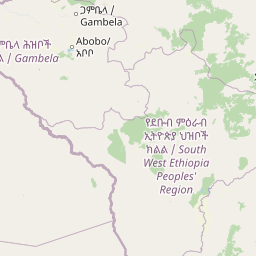
The physical landscape of Omo National Park presents a compelling combination of river systems, mountain terrain, and expansive savannah plains. The Omo River, one of Ethiopia's major waterways, forms the park's eastern boundary and serves as the primary drainage outlet for all interior water systems. The river's western banks support narrow strips of riverine woodland that contrast sharply with the surrounding savannah. To the north and west, the Sharum and Sai plains extend across vast distances, offering sweeping views of flat grassland punctuated by isolated trees and seasonal water courses. The Maji Mountains rise prominently in the northwest corner of the park, reaching 1,541 meters at their highest point and providing dramatic topographic relief. The southern portion of the park features the Illibai plains and the Dirga Hills, with elevations dropping to around 450 meters near the Neruze River. Three hot springs occur within the park boundaries, representing geological activity that adds to the landscape's diversity. The Mui River crosses the central portion of the park before joining the Omo, creating an additional watercourse that supports riparian vegetation and wildlife corridors.
Omo National Park ecosystems, habitats, and plant life
The ecological character of Omo National Park centers on a savannah ecosystem with significant riverine and woodland components. The vegetation pattern consists primarily of open savannah grassland interspersed with thickets and denser woodland areas concentrated along watercourses. Near the western banks of the Omo River, riverine woodland provides more lush vegetation, with species such as Ficus sycomorus creating dense canopy cover. The savannah areas support a characteristic mix of grasses and scattered trees, with species like Acacia mellifera and Ziziphus mauritiana common in drier zones. The park's position in the lower Omo Valley places it within a transition zone between highland and lowland ecosystems, contributing to its ecological diversity. The presence of hot springs indicates ongoing geological activity and creates localized wetland habitats that support additional species. The elevation gradient from 450 to 1,541 meters encompasses multiple habitat zones, from lowland grassland to montane forest patches in the Maji Mountains.
Omo National Park wildlife and species highlights
Omo National Park supports remarkable wildlife diversity, with 73 mammal species and 312 bird species documented within its boundaries. The park is particularly known for its large herds of ungulates, including substantial populations of African buffalo, Burchell's zebra, common eland, and beisa oryx. These species move across the savannah plains in impressive concentrations, creating memorable wildlife viewing opportunities. The antelope family is well represented, with tiangs, Lelwel hartebeests, Grant's gazelles, and dik-diks common throughout the park. Smaller mammals include bushbucks, reedbucks, and oribis. Predatory species present include lions, leopards, cheetahs, hyenas, and African wild dogs, though these are more elusive. Larger mammals such as African elephants and giraffes roam the plains, while black rhinoceros and hippos occur near water sources. Primates including Mantled guerezas, Olive baboons, and De Brazza monkeys inhabit the forested areas. The bird population features ostriches, various eagles, herons, egrets, kingfishers, and the Secretary bird. Reptiles include Nile crocodiles in the rivers and several snake species such as black mambas and puff adders.
Omo National Park conservation status and protection priorities
Omo National Park holds significant conservation importance both for Ethiopia and for global biodiversity preservation. The park protects a substantial area of intact savannah ecosystem in the Omo Valley, one of East Africa's most significant remaining wilderness areas. Its designation as an IUCN Category II protected area reflects its primary purpose of preserving natural landscapes and associated biodiversity. The park's wildlife populations, including elephants, black rhinoceros, and African wild dogs, represent species of conservation concern that benefit from protected status. However, the park faces substantial conservation challenges. Limited tourism infrastructure and extreme remoteness have historically restricted visitor access and limited revenue generation for management. Boundary demarcation in 2005 created conflicts with indigenous communities whose traditional land use practices now intersect with formal protection zones. The departure of African Parks from management in 2008 left gaps in park administration that continue to present challenges. Conservation efforts must balance wildlife protection with the rights and livelihoods of local peoples who have inhabited the region for generations.
Omo National Park cultural meaning and human context
The Omo Valley surrounding the park is home to several indigenous peoples whose cultures are closely tied to the landscape. The Mursi, Suri, Nyangatom, Dizi, and Me'en communities have historically utilized the lands now within the park boundaries for traditional grazing and agricultural purposes. These peoples maintain distinctive cultural practices and remain connected to the territory through historical land use patterns. The region gained international attention in the 20th century due to anthropological studies of these communities and the remarkable fossil discoveries in the Omo Kibish Formation that revolutionized understanding of human origins. The UNESCO World Heritage designation of the lower Omo Valley recognizes both its paleontological significance and the traditional lifeways of its indigenous inhabitants. However, the establishment and enforcement of park boundaries has created complex issues around land rights, with reports that some communities face pressure regarding access to traditional territories. These dynamics reflect broader challenges in balancing conservation goals with indigenous rights in African protected areas.
Top sights and standout views in Omo National Park
Omo National Park offers exceptional wildlife viewing in one of Ethiopia's most pristine savannah environments. The sight of thousands of buffalo, zebra, and eland moving across the plains represents one of East Africa's great wildlife spectacles. The park's paleontological significance, with the discovery site of the earliest Homo sapiens fossils, adds a unique dimension of human history to the natural experience. The Maji Mountains provide opportunities for elevated views and varied terrain exploration, while the three hot springs offer distinctive geological features. The park's extreme remoteness ensures an authentic wilderness experience far from conventional tourism routes, appealing to travelers seeking genuine adventure and untouched landscapes. Bird enthusiasts will find over 300 species, including ostriches, Secretary birds, and numerous raptors. The riverine areas along the Omo and Mui rivers create verdant corridors that contrast beautifully with the surrounding savannah.
Best time to visit Omo National Park
The optimal period to visit Omo National Park falls during the dry seasons, typically from October through March, when wildlife congregates more visibly around remaining water sources and vegetation is less dense, improving viewing opportunities. The park's lowland setting means temperatures remain warm throughout the year, with the hottest conditions occurring from March to May. The short rainy season generally arrives around April to May, followed by the main rainy period from June to September, which can make some roads and areas difficult to access. The dry season's reduced vegetation provides clearer sightlines for wildlife observation, and animals are more likely to gather at rivers and watering holes. However, the park's limited infrastructure means that visits should be planned with awareness that conditions can change rapidly and that self-sufficiency is essential. The extreme remoteness of the park means that access requires careful preparation, and visitors should not expect conventional tourism amenities within the protected area.