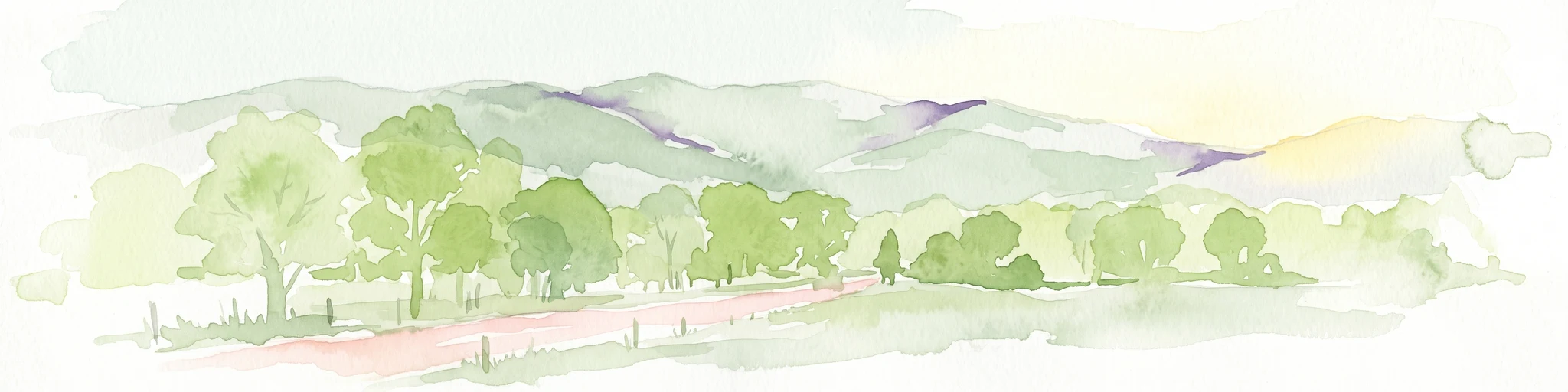
Why Wadbilliga National Park stands out
Wadbilliga is best known as a remote wilderness area offering rugged, near-pristine natural landscapes in southeastern Australia. The park is renowned for its dramatic gorges and gullies, with the Tuross River Gorge and Tuross Falls being notable geological features. Its ecological diversity is remarkable for a relatively compact area, encompassing pinkwood rainforests in sheltered fire-free gullies, diverse eucalyptus forests ranging from snow gum woodlands at high altitudes to box gum forests in lower valleys, plus bogs, heaths, and riverside environments. The park supports over 122 recorded native bird species, making it particularly significant for avian diversity. The Wadbilliga Track provides access through varied landscapes, while theBrogo Wilderness Area offers additional protected terrain within the broader park complex.
Wadbilliga National Park history and protected-area timeline
Wadbilliga National Park was formally established on 30 March 1979, designated under the National Parks and Wildlife Act of New South Wales. The park's creation reflected growing recognition during the 1970s of the need to preserve Australia's remaining wilderness areas, a period that saw significant expansion of the national park system in New South Wales. Unlike many protected areas that emerged from former pastoral leases or timber reserves, Wadbilliga's relative remoteness meant it had experienced limited European modification, allowing its protection as a wilderness area with minimal require for extensive restoration. The classification as an IUCN Category Ib wilderness area places Wadbilliga among the most strictly protected landscapes in Australia, where development is minimal and the natural environment is maintained with minimal active management intervention. The park falls under the administration of the NSW National Parks and Wildlife Service, which manages it as part of the state's wilderness estate. Brogo Wilderness Area is included within the broader protected area complex surrounding Wadbilliga.
Wadbilliga National Park landscape and geographic character
The landscape of Wadbilliga National Park presents a dramatic contrast between exposed high country and deeply sheltered valleys. The undulating plateaus of the Monaro region give way to steep gullies and river gorges as the terrain descends toward the South Coast. The Tuross River has carved a particularly notable gorge through the park, with Tuross Falls marking a significant waterfall where the river drops over resistant rock formations. Elevations within the park range from approximately 15 metres above sea level in the lower valley areas to 1,335 metres at the highest points, creating substantial variation in exposure, temperature, and vegetation communities across short distances. The underlying geology supports diverse terrain, with exposed rock outcrops on steeper slopes, deep soils in valley bottoms, and moisture-retaining substrates in the sheltered gullies that allow rainforest communities to persist. The Wadbilliga Track traverses this landscape, climbing from the eastern approaches near Cobargo up onto the plateaus and descending toward Cooma on the western side.
Wadbilliga National Park ecosystems, habitats, and plant life
The ecological character of Wadbilliga National Park is defined by the interplay between elevation, aspect, moisture availability, and fire regime across the park's varied terrain. The sheltered gullies that indent the plateau support pinkwood rainforests, a relatively rare community dominated by Eucryphia moorei that persists in areas protected from fire and maintained by consistent moisture. At higher altitudes, snow gums dominate the exposed ridges and plateaus, their twisted forms shaped by exposure to strong winds and seasonal cold. The mid-altitude zones feature mixed eucalyptus forests including black ash, monkey gum, messmate, and white ash in various combinations depending on soil depth and moisture. Lower elevations support yellow box, manna gum, and forest red gum forests that represent some of the most productive pastoral landscapes in the region, though within the park these communities remain in relatively natural condition. Beyond the forested areas, the park encompasses significant areas of heathland on exposed plateaus, bogs and swamps in drainage depressions, and riverside forest along watercourses. The rare deua gum and Kunzea badjaensis are documented within the park, representing botanical values of conservation significance.
Wadbilliga National Park wildlife and species highlights
Wadbilliga National Park supports remarkable wildlife diversity, with over 122 native bird species recorded within its boundaries. The relatively undisturbed nature of the landscape has allowed native animal communities to persist with minimal disruption from introduced species or habitat modification. Mammals common throughout the park include wombats, which frequent the grassy areas and forest edges, eastern grey kangaroos that graze in more open areas, and various wallaby species. Several possum species inhabit the forested areas, while the rivers support platypus populations in the deeper pools. Echidnas are encountered across the park, particularly in forested sections and along the track corridors. The birdlife is particularly diverse, with both forest-dwelling species and open-country birds represented across the park's varied habitats. The combination of rainforest, eucalyptus forest, heath, and riparian environments creates a mosaic that supports different ecological communities throughout the year.
Wadbilliga National Park conservation status and protection priorities
Wadbilliga National Park is designated as an IUCN Category Ib wilderness area, placing it among the most strictly protected category of protected areas in Australia. This classification reflects the park's near-pristine condition and its representation of a landscape that has remained substantially unmodified by European settlement activities. The protection of this large contiguous area of wilderness conserves both the ecological values of the diverse habitats present and the natural processes that maintain them, including fire regimes, hydrological cycles, and species interactions. The park's position across an ecological transition zone adds significance by protecting communities from both cool-temperate high country and warmer coastal influences. Conservation management within a wilderness area typically emphasizes maintaining natural conditions rather than active intervention, allowing ecological processes to continue with minimal human interference. The rare plant species documented within the park, including deua gum and Kunzea badjaensis, represent specific conservation values that benefit from the broader protection framework.
Wadbilliga National Park cultural meaning and human context
The Wadbilliga area lies within the traditional country of Aboriginal peoples, though specific details of Indigenous connection to this landscape are not extensively documented in the available source material. The park's remote character and rugged terrain would have provided both resources and challenges for Aboriginal communities, with the river valleys likely serving as corridors for movement and access to water and food resources. European settlement of the Monaro and South Coast regions proceeded from the early nineteenth century, though the steep terrain and limited agricultural potential of much of the Wadbilliga area meant it remained largely undeveloped compared with surrounding pastoral lands. This relative neglect proved beneficial for conservation, as the area retained its natural character through periods when much of the surrounding landscape was modified for grazing and agriculture. The park's establishment in 1979 reflected a broader shift in Australian environmental thinking that recognized the value of preserving wilderness areas for their intrinsic natural importance.
Top sights and standout views in Wadbilliga National Park
Wadbilliga National Park offers a rare combination of wilderness solitude, geological drama, and ecological diversity in southeastern Australia. The Tuross River Gorge and Tuross Falls represent the park's most visually striking natural features, where water cascades over rock formations in a setting of relative remoteness. The diversity of vegetation communities, from pinkwood rainforest in fire-sheltered gullies to snow gum woodlands on exposed ridges, creates a remarkable visual and ecological mosaic within a relatively compact area. The park supports exceptional birdlife with over 122 species recorded, making it a significant destination for birdwatching in the region. The Wadbilliga Track provides vehicle-based access through varied terrain, while the wilderness areas offer opportunities for extended walks for those with appropriate skills and preparation. The near-pristine condition of much of the park distinguishes it from many other Australian protected areas that show clear evidence of historical modification.
Best time to visit Wadbilliga National Park
Wadbilliga can be visited throughout the year, though each season offers distinctly different experiences shaped by the park's elevation range and wilderness character. Summer months from December to February bring warm conditions in the valleys with temperatures reaching into the low twenties, while higher elevations remain cooler and more comfortable for walking. This season offers the longest daylight hours and is generally preferred for extended wilderness trips, though afternoon thunderstorms can occur in the mountain areas. Autumn from March to May typically brings stable weather and excellent visibility, with clear skies and moderate temperatures ideal for exploring the park's various environments. Winter transforms the higher country, with snow possible on the plateau areas and minimum temperatures dropping below freezing, while the lower valleys remain more accessible. Spring from September to November sees the landscape green with new growth and wildflower displays, though weather can be variable. The park's remote nature means visitors must be self-sufficient regardless of season, with appropriate equipment for changing conditions.