Why Yacurí National Park stands out
Yacurí National Park is best known for its extraordinary concentration of high-altitude Andean lakes set within dramatic volcanic terrain. The park's signature attraction is Laguna Negra, an exceptionally deep crater lake formed within the caldera of an extinct volcano, famed in local tradition for its medicinal waters and visited by traditional medicine practitioners. The park also preserves a significant stretch of the Inca Trail, complete with archaeological remains including petroglyphs, ancient plazas, and burial sites. The combination of endemic biodiversity, sacred natural features, and pre-Columbian cultural heritage makes this park uniquely significant within Ecuador's protected area network.
Yacurí National Park history and protected-area timeline
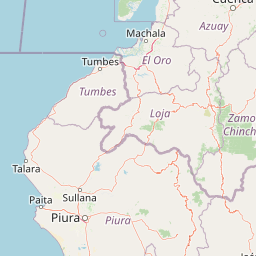
Yacurí National Park was formally established on December 30, 2009, representing Ecuador's commitment to expanding its protected area network in the southern Andes. The creation of the park fulfilled a growing need to preserve the headwaters of the Chinchipe-Mayo and Catamayo-Chira river systems, which serve as critical water sources for communities in both Ecuador and Peru. Prior to national park designation, the area existed within a broader protected forest of 733 square kilometers, but the elevation to full national park status provided stronger legal protections and institutional support. The park's establishment also recognized the area's cultural significance, particularly its role in the Inca Trail system and the continued traditional use of certain lake sites by local medicine practitioners.
Yacurí National Park landscape and geographic character
The landscape of Yacurí National Park is defined by its volcanic origins and high-altitude setting within the southern Ecuadorian Andes. The terrain is dominated by ancient volcanic edifices, many of which now contain crater lakes formed in their collapsed calderas. The park's elevation range spans from approximately 2,200 meters in the lower valleys to around 3,600 meters at the highest peaks, creating a dramatic backdrop of ridges, cirques, and U-shaped glacial valleys. The park contains over 46 high-altitude lakes, with Laguna Yacurí being the largest and Laguna Negra among the most visited due to its cultural significance. The landscape transitions from steep forested slopes in the lower elevations to open páramo grasslands at higher altitudes, with frequent mist and cloud cover particularly in the cloud forest zones.
Yacurí National Park ecosystems, habitats, and plant life
Yacurí National Park protects a remarkable diversity of Andean ecosystems, with four principal habitat types accounting for the vast majority of its area. Southern Andean Shrub Páramo covers 42.6 percent of the park, representing the unique alpine grassland ecosystem found at high elevations in the northern Andes. Eastern Andean Upper Montane Evergreen Forest accounts for 22 percent of the area, providing habitat for numerous species adapted to the cool, humid conditions of the lower slopes. Southern Andean Dry Montane Shrubland covers 15.1 percent of the park, representing the more xeric conditions found on the western-facing slopes, while Eastern Andean Cloud Forest occupies 14 percent of the area. The park supports 280 documented plant species, of which 32 are endemic to the park alone, demonstrating its exceptional conservation significance at the species level.
Yacurí National Park wildlife and species highlights
The fauna of Yacurí National Park includes 18 mammal species, five of which are considered endangered and face significant conservation threats. The park provides critical habitat for the mountain tapir, the smallest of the world's four tapir species and one that is endemic to the northern Andes, as well as the spectacled bear, the only bear species native to South America. The cougar, also present in the park, represents an apex predator essential for maintaining ecological balance in these highland ecosystems. Bird diversity is particularly notable, with 111 species recorded within the park including four endangered species. The park also supports 11 amphibian species, with four classified as endangered, reflecting the global amphibian crisis that has particularly impacted Andean cloud forest and páramo habitats.
Yacurí National Park conservation status and protection priorities
Yacurí National Park plays a vital role in conserving the biodiversity and watersheds of Ecuador's southern Andes. The park's designation as an IUCN Category II protected area reflects its primary mandate of preserving natural ecosystems while allowing for limited sustainable use. The protection of the headwaters for both the Chinchipe-Mayo and Catamayo-Chira river basins provides immense value beyond the park's boundaries, as these waters support downstream communities and agricultural lands in both Ecuador and Peru. The presence of 32 endemic plant species and numerous endangered mammals, birds, and amphibians underscores the park's importance as a biodiversity reservoir. The park is part of a larger 733-square-kilometer protected forest matrix that enhances connectivity and ecological resilience across the regional landscape.
Yacurí National Park cultural meaning and human context
Yacurí National Park holds significant cultural value beyond its ecological importance, particularly through its association with the ancient Inca civilization. Portions of the famed Inca Trail network pass through the park, providing tangible evidence of the strategic importance these highland routes held for pre-Columbian travel and trade. Archaeological features within the park include petroglyphs, ancient plazas, and cemetery sites that speak to the long human presence in this landscape. The park also maintains living cultural traditions, as Laguna Negra continues to be visited by traditional medicine practitioners who value the lake's waters for their perceived healing properties. This blend of archaeological heritage and ongoing traditional practices gives the park a cultural depth that enhances its overall significance.
Top sights and standout views in Yacurí National Park
Yacurí National Park combines exceptional natural beauty with cultural and ecological significance in a compact highland wilderness. The park's over 46 high-altitude lakes represent one of the densest concentrations of Andean lake systems in Ecuador, with Laguna Negra offering a particularly evocative experience as a deep crater lake with traditional medicinal significance. The Inca Trail corridor passing through the park provides a rare opportunity to experience pre-Columbian heritage within a protected wilderness setting. The park's biodiversity, including endangered species like the mountain tapir and spectacled bear, demonstrates the conservation value of these Andean ecosystems. The dual watershed function, supplying both the Chinchipe-Mayo and Catamayo-Chira basins, underscores the park's importance to regional water security.
Best time to visit Yacurí National Park
The optimal time to visit Yacurí National Park depends on the experience sought, with the dry season from June to September generally offering the most stable conditions for hiking and lake viewing. During these months, clearer skies provide better visibility of the surrounding volcanic peaks and the park's lake systems are more accessible along established trails. The wet season from October to May brings higher precipitation and more frequent fog, particularly in the cloud forest zones, but also results in lusher vegetation and fuller water levels in the park's lakes. Visitors interested in traditional cultural practices at Laguna Negra may find that the dry season allows for more reliable access to the site, though the lake can be visited year-round.