

Mori Atlas logo
National parkYanchep National Park

Discover the subterranean world of its limestone caves and native bushland character.

Yanchep National Park: Explore Its Mapped Boundaries and Unique Protected Landscape in Western Australia

Yanchep National Park stands as a distinctive protected landscape on Western Australia's Swan Coastal Plain, approximately 42 kilometers north of Perth. This national park preserves over 28 square kilometers of unique terrain, highlighted by an extensive limestone cave system carved by underground streams and significant native bushland supporting notable koala populations. Its establishment in 1957 built upon thousands of years of Indigenous Nyoongar significance, making it a vital site for understanding both natural and cultural heritage through its mapped geography and protected features.

Limestone cavesKoala coloniesCoastal plain ecosystemsNyoongar heritageWestern Australian natureWalking trails

Yanchep National Park

National park

Park overview

Structured park overview, official facts, and landscape profile for Yanchep National Park

Yanchep National Park park facts, protected area profile, and essential visitor context
Review the core facts for Yanchep National Park, including designation, size, terrain, visitor scale, habitats, and operating context in one park-focused overview.

About Yanchep National Park

Yanchep National Park represents a significant protected area on the Swan Coastal Plain of Western Australia, situated just 42 kilometres north of Perth. The park's landscape features a diverse mixture of woodlands, wetlands, and limestone formations that create a unique ecological environment. Over 570 caves punctuate the park's limestone substrate, formed by underground streams flowing westward from the Gnangara Mound through the Tamala Limestone formation. These cave systems, some of which have been known to Indigenous peoples for millennia, constitute one of the park's most remarkable geological features. The park also encompasses several lakes and wetlands that historically supported dense stands of bulrush reeds, from which the park's name derives. The area has been a place of significance for the Nyoongar people for thousands of years, with the tribal name Nyanyi-Yandjip reflecting the landscape's cultural importance. Beyond its natural features, the park offers comprehensive visitor facilities including picnic areas, walking trails ranging from 500 metres to 46.2 kilometres, and cultural interpretation programs developed in partnership with local Nyoongar communities.

Quick facts and research context for Yanchep National Park

Yanchep National Park occupies 28.76 square kilometres of the northern Swan Coastal Plain in Western Australia, located 42 kilometres north of Perth. The park features over 570 limestone caves, with Crystal Cave being the only tourist cave in the Perth region. It is home to populations of koalas, western grey kangaroos, quendas, and black-glove wallabies, and lies within the Northern Swan Coastal Plain Important Bird Area recognized by BirdLife International. The park is managed by the Department of Parks and Wildlife and was designated a State Registered Heritage Place in 2006. The park name derives from the Nyoongar word Yandjip or Yanget, referring to the bulrush reeds that fringe the local lakes.

Park context

Deeper park guide and search-rich context for Yanchep National Park

Yanchep National Park history, landscape, wildlife, and travel context
Explore Yanchep National Park through its history, landscape character, ecosystems, wildlife, conservation priorities, cultural context, and seasonal travel timing in a structured park guide built for atlas discovery and search intent.

Why Yanchep National Park stands out

Yanchep National Park is best known for its remarkable limestone cave system, which includes Crystal Cave, Yonderup Cave, and Cabaret Cave. Crystal Cave is the only tourist cave accessible in the Perth metropolitan area and offers guided tours four times daily. The park is also renowned for its thriving koala colonies, which visitors can observe from a 140-metre-long boardwalk. The combination of ancient cave formations, native Australian bushland, and cultural heritage programs makes this park a distinctive natural and historical destination in Western Australia's protected area network.

Yanchep National Park history and protected-area timeline

The Yanchep area has been inhabited by Indigenous Australians for thousands of years, serving as a noted hunting site prior to European arrival. The Nyoongar tribal name for the area, Nyanyi-Yandjip, references the reeds and lakes that dominate the landscape, believed to resemble the hairy mane of the dreamtime creature the Wagyl. The word Yanchep itself comes from Yandjip or Yanget, the aboriginal name for the bulrush reeds found fringing the area's lakes. European interest in the region began in 1834 when farmer John Butler arrived searching for lost cattle and documented the lakes, wetlands, and plentiful game. He was greeted by men of the Yellagonga peoples who inhabited the area. Lieutenant George Grey traversed the region in 1838 and recorded his observations of the remarkable caves. Surveyor John Septimus Roe and Governor John Hutt visited the caves in 1841. A road survey near Loch McNess occurred in 1862, followed by construction of a stock route in 1865 used by drovers. The first permanent European settler, Henry White, arrived in 1901, building his home near Yonderup Lake and later serving as caretaker and guide from 1903. Crystal Cave was discovered by Henry White in 1903 and remains the only tourist cave in the Perth area.

Yanchep National Park landscape and geographic character

Yanchep National Park sits on the northern Swan Coastal Plain, characterised by a landscape of gentle sandplains, limestone formations, and wetland systems. The Tamala Limestone underlies much of the park, creating the foundation for its extensive cave network. Underground streams flowing from the Gnangara Mound have carved over 570 caves through this limestone, with passages and chambers forming complex subterranean systems. The park contains several lakes, including Loch McNess and Yonderup Lake, which are fringed by wetlands supporting dense vegetation. The surface landscape features woodlands dominated by stunted jarrah, banksias, paperbark, tuart, marri, and she-oak trees. The coastal plain setting places the park within a transition zone between Perth's metropolitan area and the more remote northern landscapes, creating a landscape of natural bushland adjacent to urban development.

Yanchep National Park ecosystems, habitats, and plant life

The park supports a diverse range of native Australian ecosystems across its coastal plain setting. The woodland areas contain a mix of tree species including banksias, paperbark, tuart, marri, she-oak, and stunted jarrah, creating layered habitats of varying density. Wetland areas around the lakes support bulrush reeds and other aquatic vegetation. The park lies within the Northern Swan Coastal Plain Important Bird Area, recognised by BirdLife International for its significance in supporting bird populations, particularly several thousand short-billed black cockatoos during the non-breeding season. Wildflower displays are a notable seasonal feature, with species including parrot bush, yanchep rose, catspaw, and kangaroo paw adding colour to the landscape, particularly in spring.

Yanchep National Park wildlife and species highlights

Yanchep National Park provides habitat for several species of native Australian mammals. The park is perhaps best known for its koala colonies, which are viewable from a dedicated boardwalk and supported by the eucalypt and woodland habitats throughout the park. Western grey kangaroos are common throughout the park's open areas, while black-glove wallabies inhabit denser vegetation zones. The quenda, a small native marsupial, also resides in the park. The birdlife is particularly significant due to the park's classification within the Northern Swan Coastal Plain Important Bird Area, with populations of short-billed black cockatoos using the area during non-breeding seasons. The diverse plant communities support this variety of wildlife, creating interconnected habitats across the park's woodland, wetland, and cave environments.

Yanchep National Park conservation status and protection priorities

Yanchep National Park is protected under IUCN Category II as a national park, reflecting its significance for both natural and cultural heritage conservation. The park's cave systems represent unique geological formations requiring protection from disturbance, with only three of the over 570 caves currently accessible to visitors. The wetland systems, including the lakes and their fringing reeds, provide important habitat for waterbirds and contribute to broader coastal plain ecosystem health. The park's inclusion within the Northern Swan Coastal Plain Important Bird Area identifies it as nationally important for bird conservation. Cultural heritage conservation is also significant, with the park holding a registered place on the Western Australia State Register of Heritage Places since 2006, recognising both its natural and Indigenous cultural values. Management by the Department of Parks and Wildlife balances visitor access with conservation objectives through designated trails, managed cave access, and cultural interpretation programs.

Yanchep National Park cultural meaning and human context

The Yanchep area holds profound significance for the Nyoongar people, the Traditional Custodians of the south-west of Western Australia. The tribal name Nyanyi-Yandjip reflects the landscape's cultural meaning, referencing the reeds and lakes that feature prominently in local dreaming stories. The area was a hunting and gathering site for thousands of years prior to European settlement, with the Yellagonga peoples among the groups who inhabited the region. The dreamtime creature Wagyl, also known as the Waugul, is central to the cultural understanding of the landscape and is referenced in the traditional place name. Contemporary cultural preservation is supported through the Wangi Mia Aboriginal Experience, a public tour operating on Sundays and public holidays that provides opportunities to learn about local Noongar culture. This partnership between the park management and local Nyoongar communities represents an ongoing commitment to recognising and sharing Indigenous heritage.

Top sights and standout views in Yanchep National Park

Yanchep National Park offers a distinctive combination of geological, ecological, and cultural attractions within easy reach of Perth. The cave system, particularly Crystal Cave with its guided tours, provides a rare opportunity to explore underground limestone formations in the Perth region. The koala colony, observable from the dedicated boardwalk with daily interpretive talks, allows close encounters with one of Australia's most iconic marsupials. The park's nine walking trails showcase the biodiversity of the northern Swan Coastal Plain, ranging from easy family-friendly walks to challenging trails over 46 kilometres in length. Cultural programming through the Wangi Mia experience provides genuine engagement with Nyoongar heritage, while the historic development of Cabaret Cave as an underground function venue represents a unique aspect of Australian park history.

Best time to visit Yanchep National Park

Yanchep National Park is open year-round, allowing visitors to experience the park in different seasons. Spring and early summer, particularly from September to November, bring wildflower displays throughout the park, with species like kangaroo paw and parrot bush adding colour to the bushland. The cooler months from May to September offer comfortable conditions for walking and cave exploration, with mild daytime temperatures suitable for outdoor activities. Summer months can be warm, though the shaded woodland areas and cave environments provide some respite. The koalas are generally visible throughout the year, though they may be more active during cooler periods. Visitors interested in birdwatching should note that the short-billed black cockatoos are present during the non-breeding season, typically outside of the warmer summer months.
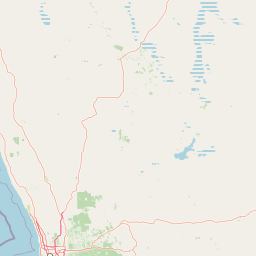
Park location guide

Geography guide, regional context, and park location map for Yanchep National Park

Yanchep National Park park geography, regions, and map view in Australia
Understand where Yanchep National Park sits in Australia through a broader geographic reading of the surrounding landscape, nearby location context, and its mapped position within the national park landscape.

How Yanchep National Park fits into Australia

Australia is a constitutional monarchy and federal parliamentary democracy comprising six states and ten territories. With a population of nearly 28 million, it is one of the world's most urbanised countries, with most people concentrated on the eastern seaboard. The country has a high Human Development Index and is known for its cultural diversity, ancient Aboriginal heritage, and unique wildlife.

Wider geography shaping Yanchep National Park in Australia

Australia occupies the entire Australian continent, the island of Tasmania, and numerous smaller islands. It is the world's flattest and driest inhabited continent, featuring vast deserts in the interior (the Outback), tropical rainforests along the eastern coast, and a coastline bordering the Indian and Pacific Oceans.

Map view of Yanchep National Park

Use this park location map to pinpoint Yanchep National Park in Australia, understand its exact geographic position, and read its mapped placement within the surrounding landscape more clearly.

Pigeon | © OpenStreetMap contributors

Location context for Yanchep National Park

Western Australia
Park atlas

Trace the mapped geography of protected areas and national parks across Western Australia's coastal plain, expanding your discovery.

Explore Nearby National Parks and Protected Areas Surrounding Yanchep National Park
Continue your park discovery by exploring other national parks and protected areas found near Yanchep National Park, spanning Western Australia's distinctive coastal plain. Compare these conservation landscapes to gain insights into regional geological features, diverse ecosystems, and the broader protected area network across the state.
National parkWestern Australia

Kalamunda National Park: Explore Darling Scarp Woodland & Western Australia's Natural Terrain

A protected national park with distinct mapped landscape features.

Kalamunda National Park is an essential protected area located on the western slopes of the Darling Scarp, offering a clear representation of southwestern Australia's characteristic eucalypt woodland ecosystems. Its geography is defined by the escarpment's terrain, supporting tall marri, jarrah, and wandoo forests with a diverse understorey. As a national park, it provides critical habitat and contributes to the regional landscape context within Western Australia, making it a valuable point for atlas-driven discovery of protected natural areas.

Area
3.75 km²
Established
1964
IUCN
II
National parkWestern Australia

Beelu National Park: Exploring Western Australia's Protected Jarrah-Marri Forest Landscape

Mapped Geographic Context & Natural Terrain Discovery

Beelu National Park, situated in Western Australia's Darling Range, offers an immersive experience within old-growth jarrah-marri forests. This protected area provides a vital glimpse into the region's natural landscapes, characterized by rolling hills and the Helena River valley. Users can explore the park's geographic setting, its mapped boundaries, and the unique ecological context it preserves. It stands as a significant natural reserve contributing to the understanding of Western Australia's conservation efforts and diverse terrain.

Area
46.17 km²
Established
1995
IUCN
II
National parkWestern Australia

Korung National Park: Protected Landscape and Map Context in Western Australia

Discover its unique dual bioregion geography.

Korung National Park is a protected national park in Western Australia, noted for its position along the Darling Scarp overlooking the Swan Coastal Plain. This reserve provides accessible natural experiences and showcases the ecological transition between two major southwest Australian bioregions. Its mapped landscapes offer a clear example of regional protected area planning and its importance for biodiversity conservation in the Perth metropolitan area.

Area
63.54 km²
Established
2004
IUCN
II
National parkPerth metropolitan region

Midgegooroo National Park: Jarrah Forest Protected Landscape and Regional Geography

Explore its mapped boundaries and terrain near Perth.

Midgegooroo National Park offers a distinct protected landscape characterized by its expansive jarrah forest terrain within the Perth metropolitan region. This national park provides valuable context for understanding regional geography, mapped natural features, and the distribution of protected lands. Explore the park's unique topography and conservation boundaries, vital for comprehensive atlas-based geographic discovery.

Area
24.92 km²
Established
2004
IUCN
II
National parkWestern Australia

Serpentine National Park: Waterfall & Wildflower Protected Landscape in Western Australia

Mapped geography, waterfall terrain, and spring bloom discovery.

Serpentine National Park is a protected national park located in Western Australia, approximately 55 kilometers southeast of Perth. It is celebrated for its prominent Serpentine Falls, a multi-tiered cascade that forms a popular natural pool, and its stunning spring wildflower season. The park showcases the undulating terrain of the Darling Scarp, featuring jarrah and marri woodlands. This park offers a distinct opportunity for atlas-based exploration of protected landscapes, with a focus on its unique waterfall features and vibrant botanical displays.

Area
43.87 km²
Established
1957
IUCN
II
National parkWestern Australia

Wellington National Park: Protected Jarrah Forest & Collie River Landscape

Explore the mapped boundaries and regional geography.

Wellington National Park offers a deep dive into Western Australia's protected landscapes, characterized by extensive old-growth jarrah forests and the scenic Collie River valley. This national park provides a vital study of the region's unique geography, mapped terrain, and ecological significance within the Yilgarn craton. Understand the park's protected area identity and its place in the wider natural context of Western Australia through its detailed landscape features.

Area
170 km²
Established
2000
IUCN
II
National parkSouth West

Yelverton National Park: South West Australia's Biodiversity Conservation Area

Mapped protected lands and regional landscape context.

Yelverton National Park offers a focused look at a protected area in Western Australia's South West, distinguished by its commitment to rare species and varied vegetation. Established from former timber reserve lands, it serves as a crucial habitat refuge. The park's geography exemplifies the ecological richness of the South-West Australian forest region, providing valuable context for understanding protected landscape distribution and conservation efforts within the mapped terrain.

Area
7.29 km²
Established
2004
IUCN
II
National parkWestern Australia

Wooditjup National Park: Protected Forest Landscape and Regional Geographic Context

Explore mapped boundaries of this Western Australia national park.

Wooditjup National Park stands as a testament to Western Australia's unique forest ecosystems, specifically within the Jarrah Forest bioregion. This protected area offers a distinct natural landscape contrasting with the nearby coastal attractions of Margaret River. Delve into the park's mapped geography, understand its role as a national park, and appreciate its position within the broader South West Australian landscape and its traditional Wardandi Country heritage.

Area
38.92 km²
Established
2004
IUCN
II

Common questions about visiting, size, designation, and location context for Yanchep National Park

Yanchep National Park FAQs for park facts, access, geography, and protected area context
Find quick answers about Yanchep National Park, including protected-area facts, park geography, trail and visitor context, and how the park fits into its surrounding country and regional landscape.
MoriAtlas Explorer

Continue Your Protected Areas Search Across the Global Atlas

Deepen your exploration by continuing the structured search for national parks and protected areas worldwide. Utilize the comprehensive filtering capabilities to compare different conservation landscapes and refine your understanding of global park geography. Discover more about the distribution and characteristics of protected natural areas.

Global natural geography