

Mori Atlas logo
National parkYangudi Rassa National Park

Discover mapped protected boundaries and diverse dryland landscapes.

Yangudi Rassa National Park: Ethiopia's Vast Semi-Desert National Park in Afar Region

Yangudi Rassa National Park stands as a significant protected landscape in the Afar Region of northeastern Ethiopia, encompassing 4,731 square kilometers of rugged terrain. Defined by the prominent volcanic peak of Mount Yangudi and the expansive Rassa Plains, this national park showcases a unique semi-desert environment with riverine ecosystems sculpted by the Awash River. Its vastness and varied elevations, from 400 to 1,459 meters, support critical dryland ecosystems and diverse wildlife, making it a key area for conservation in Eastern Ethiopia.

National ParkSemi-DesertGrasslandRiverine ForestAfar RegionEastern Ethiopia

Yangudi Rassa National Park

National park

Park overview

Structured park overview, official facts, and landscape profile for Yangudi Rassa National Park

Yangudi Rassa National Park park facts, protected area profile, and essential visitor context
Review the core facts for Yangudi Rassa National Park, including designation, size, terrain, visitor scale, habitats, and operating context in one park-focused overview.

About Yangudi Rassa National Park

Yangudi Rassa National Park represents one of Ethiopia's significant protected areas located in the Afar Region, a remote and sparsely populated corner of northeastern Ethiopia. The park's vast expanse of 4,731 square kilometers encompasses a remarkable diversity of terrain, from the slopes of Mount Yangudi in the south to the extensive Rasses Plains that dominate the central and northern portions of the protected area. The Awash River, one of Ethiopia's major rivers, flows through the park from south to north, creating ribbons of verdant riverine forest and marshland that stand in striking contrast to the surrounding semi-desert landscape. This river system has historically provided critical wildlife habitat and continues to support diverse ecological communities despite the challenges facing the protected area. The park is accessible via the Awash-Asseb highway, which runs north-south through the park, connecting the regional center of Gewane to other parts of Afar Region. The surrounding landscape extends into a complex of adjacent protected areas, including Mille-Serdo Wildlife Reserve to the north and Gewane Wildlife Reserve to the south, forming a larger conservation landscape that spans thousands of square kilometers of Ethiopian dryland ecosystems.

Quick facts and research context for Yangudi Rassa National Park

Yangudi Rassa National Park covers 4,731 square kilometers in Afar Region, Ethiopia, making it one of the larger protected areas in the country. The park was designated in 1969 and is managed by the Ethiopian Wildlife Conservation Authority. The landscape is characterized by sandy semi-desert and wooded grassland, with Mount Yangudi as a prominent geological feature near the southern boundary. The Awash River traverses the park, supporting riverine forests and marsh environments. The park contains 36 mammal species and approximately 200 bird species, with notable fauna including Soemmerring's gazelle, gerenuk, Beisa oryx, Grevy's zebra, lion, cheetah, and leopard. The area is inhabited by Afar pastoralists who graze livestock within and adjacent to the park boundaries.

Park context

Deeper park guide and search-rich context for Yangudi Rassa National Park

Yangudi Rassa National Park history, landscape, wildlife, and travel context
Explore Yangudi Rassa National Park through its history, landscape character, ecosystems, wildlife, conservation priorities, cultural context, and seasonal travel timing in a structured park guide built for atlas discovery and search intent.

Why Yangudi Rassa National Park stands out

Yangudi Rassa is best known for its protection of semi-desert and wooded grassland ecosystems in northeastern Ethiopia, home to populations of endangered large mammals including Grevy's zebra and the Somali wild ass subspecies. The park's birdlife is particularly notable, with species such as the lesser flamingo, Arabian bustard, and globally threatened lesser kestrel and pallid harrier found within its boundaries. The landscape combines the dramatic volcanic peak of Mount Yangudi with the vast Rassa Plains, creating a distinctive dryland wilderness character. The park was originally established with particular focus on conserving the Somali wild ass, although this species has since become locally extinct within the park boundaries.

Yangudi Rassa National Park history and protected-area timeline

Yangudi Rassa National Park was designated in 1969 by the Ethiopian Government as part of the nation's early efforts to establish a national park system protecting its unique natural heritage. The park was created with the specific intention of protecting populations of Somali wild ass, a subspecies of African wild ass considered endangered and endemic to the Horn of Africa. However, despite its designation, the park was never formally gazetted, which has limited its legal protection and constrained effective management. For decades, the Ethiopian Wildlife Conservation Authority faced significant challenges in managing the park, with inadequate funding and staffing preventing meaningful enforcement of protections. The local Afar pastoralist communities have historically used the area for livestock grazing, and this traditional land use continues within and adjacent to park boundaries. In recent years, the Somali wild ass has become locally extinct within Yangudi Rassa, though a small population persists in the adjacent Mille-Serdo Wildlife Reserve, highlighting both the conservation challenges and the potential for wildlife recovery in the broader protected area network.

Yangudi Rassa National Park landscape and geographic character

The landscape of Yangudi Rassa National Park is characterized by its dramatic elevation changes and diverse terrain. Mount Yangudi rises to 1,383 meters above sea level near the southern boundary, providing a prominent volcanic peak that anchors the park's topography. The mountain and its immediate surroundings contrast sharply with the vast Rassa Plains that extend across the majority of the protected area, where elevations range from 400 to 1,459 meters. The terrain consists primarily of sandy semi-desert with scattered rocky outcrops and patches of wooded grassland. Along the Awash River corridor, the landscape transforms to include marshes, wetlands, and dense riverine forest strips that follow the watercourse through the park. The overall visual character is one of open, expansive dryland scenery with minimal tree cover except along watercourses, creating panoramic views across savanna and semi-arid plains interrupted only by the isolated peak of Mount Yangundi on the southern horizon.

Yangudi Rassa National Park ecosystems, habitats, and plant life

The ecosystems within Yangudi Rassa reflect the harsh but ecologically significant dryland environments of the Afar Region. The park's vegetation is dominated by sandy semi-desert and wooded grassland communities that have adapted to the region's low rainfall and high temperatures. Native grasses including Aristida species, Chrysopogon plumulosus, Digitaria species, Lasiurus scindicus, and Sporobolus ioclados form the foundation of the grassland ecosystem, providing essential fodder for wild grazers and livestock alike. These grass communities support the park's diverse mammal fauna and represent important forage resources in an otherwise challenging environment. The riverine forests along the Awash River represent a distinct habitat type, providing shade, nesting sites, and food resources for numerous species. The marshes and wetland areas associated with the river support different ecological communities than the surrounding dryland, creating habitat diversity that enhances overall biodiversity within the park boundaries.

Yangudi Rassa National Park wildlife and species highlights

Yangudi Rassa National Park supports remarkable wildlife diversity given its semi-desert setting, with 36 mammal species and approximately 200 bird species recorded within the park. The large mammal community includes several species of particular conservation significance, most notably Grevy's zebra, a species listed as endangered and found in the Horn of Africa's dryland ecosystems. Other notable large mammals include the gerenuk, a distinctive long-necked gazelle adapted to browsing on acacia vegetation, Soemmerring's gazelle, Beisa oryx, lion, cheetah, and leopard. The park was originally established to protect the Somali wild ass, a subspecies of African wild ass, though this species has become locally extinct within the park boundaries. Additional mammals include Dorcas gazelle, Hamadryas baboon, bat-eared fox, black-backed jackal, striped hyena, and aardwolf. The bird fauna is particularly rich, with lesser flamingo found around wetland areas, Arabian bustard inhabiting the plains, and globally threatened species including lesser kestrel and pallid harrier breeding in the park. The Somali ostrich also inhabits the park's grasslands, representing another significant species in this protected area.

Yangudi Rassa National Park conservation status and protection priorities

Yangudi Rassa National Park was established in 1969 to protect the unique dryland ecosystems and wildlife of the Afar Region, with particular initial focus on the endangered Somali wild ass. However, the park's conservation history has been marked by challenges that have limited its effectiveness. The protected area was never formally gazetted, leaving it without full legal protection and complicating enforcement efforts. The Ethiopian Wildlife Conservation Authority has struggled with insufficient funding and staffing to effectively manage the vast park, and traditional pastoralist land use continues within the boundaries. Despite these challenges, the park retains significant conservation value, protecting a representative sample of Ethiopian dryland ecosystems and supporting populations of endangered species including Grevy's zebra. The park's connection to adjacent protected areas, particularly Mille-Serdo Wildlife Reserve to the north where a small population of Somali wild ass persists, creates opportunities for landscape-level conservation and potential species recovery.

Yangudi Rassa National Park cultural meaning and human context

The landscape surrounding and within Yangudi Rassa National Park is home to Afar pastoralist communities who have inhabited this region for generations. The Afar people are traditional pastoralists who move their livestock across the semi-arid landscape in response to seasonal water and forage availability, a livelihood pattern that has shaped both the cultural landscape and the ecological character of the region. Pastoralist activities, including goat, sheep, cattle, and camel husbandry, occur within and adjacent to the park boundaries, representing a coexistence between traditional human communities and wildlife that has defined this landscape for centuries. The Awash River and its associated water sources have historically supported both wildlife and human communities in this otherwise dry environment. This cultural context is integral to understanding the park's management challenges and the importance of balancing conservation objectives with the livelihoods and traditional practices of the Afar people.

Top sights and standout views in Yangudi Rassa National Park

Yangudi Rassa National Park offers visitors access to one of Ethiopia's most remote and extensive wilderness areas, characterized by dramatic semi-desert landscapes centered around Mount Yangudi and the vast Rassa Plains. The park provides opportunities to observe endangered Grevy's zebra, diverse antelope species including gerenuk and Soemmerring's gazelle, and predators such as lion, cheetah, and leopard in their natural dryland habitat. The Awash River corridor with its riverine forests and marshes offers a different landscape character and supports bird species including lesser flamingo and numerous waterfowl. The park's location in Afar Region provides access to one of Ethiopia's most culturally distinctive areas, home to the Afar people and their traditional pastoralist way of life. The adjacent Mille-Serdo Wildlife Reserve creates opportunities for extended exploration of the broader protected landscape.

Best time to visit Yangudi Rassa National Park

The optimal time to visit Yangudi Rassa National Park is during the Ethiopian dry season from October through April, when wildlife viewing is most productive as animals concentrate around remaining water sources and vegetation is less dense. The short rainy season typically occurs from March to May, followed by the main rainy season from June to September, which can make some areas difficult to access and wildlife more dispersed. The cooler months from November to February offer more comfortable conditions for outdoor activities, with daytime temperatures moderate compared to the extreme heat of the Ethiopian summer. Wildlife viewing is generally better during the dry season when animals regularly visit the Awash River and remaining waterholes. Visitors should be prepared for remote conditions with limited facilities and should plan accordingly for the park's vast size and the need for vehicle-based exploration.
Park location guide

Geography guide, regional context, and park location map for Yangudi Rassa National Park

Yangudi Rassa National Park park geography, regions, and map view in Ethiopia
Understand where Yangudi Rassa National Park sits in Ethiopia through a broader geographic reading of the surrounding landscape, nearby location context, and its mapped position within the national park landscape.

How Yangudi Rassa National Park fits into Ethiopia

Ethiopia is a landlocked federal parliamentary republic located in the Horn of Africa. With a population of approximately 135 million people, it is the 14th-most populous country in the world and the most populous landlocked country. The country is known for its ancient history, diverse ethnic groups, and the capital Addis Ababa, which lies near the East African Rift.

Wider geography shaping Yangudi Rassa National Park in Ethiopia

Ethiopia is located in the Horn of Africa, bordered by Eritrea to the north, Djibouti to the northeast, Somalia to the east, Kenya to the south, South Sudan to the west, and Sudan to the northwest. The country sits on the African and Somali tectonic plates, with the East African Rift running through it. The terrain includes highlands, valleys, and lowlands.

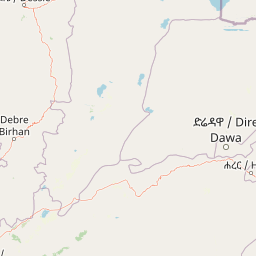
Map view of Yangudi Rassa National Park

Use this park location map to pinpoint Yangudi Rassa National Park in Ethiopia, understand its exact geographic position, and read its mapped placement within the surrounding landscape more clearly.

Pigeon | © OpenStreetMap contributors

Location context for Yangudi Rassa National Park

Afar Region
Park atlas

Trace the geographic spread of protected areas surrounding Yangudi Rassa National Park, comparing diverse dryland ecosystems.

Explore Related National Parks and Protected Areas Near Yangudi Rassa National Park in Ethiopia
Extend your park discovery from Yangudi Rassa National Park to browse other national parks and protected areas within Ethiopia's Afar Region, tracing their mapped geography. Understand the conservation landscapes of Eastern Ethiopia by comparing diverse terrains, riverine ecosystems, and semi-desert environments found across this crucial wildlife corridor.
National parkTadjourah Region

Day Forest National Park: Ancient Juniper Woodland and Protected Landscape in Djibouti

Discover a rare East African forest refuge with unique endemic species.

Day Forest National Park represents a critical ecological island within Djibouti's predominantly semi-desert geography. As the nation's oldest national park, it protects the largest remaining East African juniper forest, a vital sanctuary for species found nowhere else on Earth. Located in the Goda Mountains of the Tadjourah Region, its existence relies on rare localized rainfall, creating a distinctive mountainous forest environment that offers profound insights into protected landscape dynamics and regional biodiversity.

Area
15 km²
Established
1939
IUCN
II
National parkEthiopia

Awash National Park: Mapped Protected Boundaries and Ethiopian Regional Geography

Discover the protected landscape of this Ethiopian National Park.

Awash National Park represents a significant protected area within Ethiopia, offering a rich focus for geographic discovery. This page illuminates the park's specific mapped boundaries and its positioning within the surrounding regional geography. It serves as a detailed entry point for understanding the park's landscape character and its role as a national park in East Africa.

Area
850 km²
Established
1966
IUCN
II
National parkArsi Zone

Arsi Mountains National Park: Protected Ethiopian Highlands Landscape & Geography

Mapped protected terrain and endemic species habitat within the Arsi Zone.

Arsi Mountains National Park is a vast protected area celebrated for its significant biodiversity and distinctive Afro-alpine ecosystems. Situated in the Arsi Zone, this national park encompasses a dramatic mountain landscape central to the Ethiopian Highlands. It serves as a crucial refuge for endangered endemic species, including the mountain nyala and Ethiopian wolf, within its varied ecological zones and protected park boundaries, offering rich context for geographic exploration.

Area
10,876 km²
Established
2011
IUCN
II
Relief
Mountain
National parkEthiopia

Didessa National Park: Protected River Valley Landscape in Ethiopia's Western Highlands

Discover dramatic escarpments, forested terrain, and waterfalls.

Explore Didessa National Park, a protected area in western Ethiopia notable for its dramatic topographical features. This national park showcases a striking landscape of steep escarpments flanking the Didessa River valley, supporting lush forest ecosystems. Key features include numerous waterfalls that contribute to the park's distinctive terrain and ecological significance. Understanding Didessa National Park offers insight into Ethiopia's protected lands and their unique geographic attributes.

Area
1,300 km²
Established
2017
IUCN
II
Relief
Lowland
National parkNorth Gondar Zone

Alitash National Park: Protected Lowland Woodland & Savanna Landscape

Explore the geographic context of this Ethiopian National Park.

Alitash National Park serves as a vital protected area within Ethiopia's North Gondar Zone, encompassing 2,665.7 square kilometers of distinct lowland woodland and savanna ecosystems. The park's landscape is characterized by gently undulating terrain, seasonal river valleys, and the prominent Twin Mountains of Amadog. Its mapped boundaries delineate an area rich in biodiversity, highlighting its significance as a national park for conservation efforts. Understanding Alitash National Park's geographic setting is key to appreciating its role in regional ecological preservation and atlas exploration.

Area
2,665.7 km²
Established
2006
IUCN
II
National parkEthiopia

Maze National Park: Ethiopia's Essential National Park for Swayne's Hartebeest and Geothermal Wonders

Discover mapped savanna ecosystems and unique montane geography within this protected Ethiopian landscape.

Maze National Park represents a significant protected area within Ethiopia, vital for the conservation of the endangered Swayne's hartebeest. Its diverse terrain includes savanna grasslands and unique geothermal features such as active geysers, all set against a distinctive montane backdrop. This national park offers a deep dive into Ethiopia's natural heritage, providing a clear geographic identity and valuable context for landscape exploration.

Area
210 km²
Established
2005
IUCN
II
National parkMandera County

Malka Mari National Park: Remote Frontier Protected Landscape and Dawa River Ecosystem

Explore the semi-arid bushland and riparian woodland geography.

Malka Mari National Park offers a profound wilderness experience as Kenya's most remote national park, situated along the Dawa River in Mandera County. This protected area features striking contrasts between arid bushland and verdant riparian woodlands, supporting unique plant species and wildlife adapted to the semi-arid environment. Its vast, undeveloped character makes it a significant site for frontier conservation and a unique destination for atlas-style landscape exploration.

Area
1,500 km²
Established
1989
IUCN
II
National parkEthiopia

Omo National Park: Ethiopia's Remote Protected Landscape with Rich Wildlife Spectacles

Mapped boundaries, savannah plains, and Maji Mountains terrain.

Omo National Park is a remote protected area in Ethiopia renowned for its expansive savannah, riverine woodlands, and remarkable wildlife concentrations. Covering over 4,000 square kilometers, this national park presents a landscape of sweeping plains, the vital Omo River corridor, and the dramatic Maji Mountains. The park's protected status safeguards exceptional populations of large mammals, offering a glimpse into an untamed African wilderness. Explore the mapped geography and the unique ecological zones that contribute to its significant conservation value.

Area
4,068 km²
Established
1980
IUCN
II

Common questions about visiting, size, designation, and location context for Yangudi Rassa National Park

Yangudi Rassa National Park FAQs for park facts, access, geography, and protected area context
Find quick answers about Yangudi Rassa National Park, including protected-area facts, park geography, trail and visitor context, and how the park fits into its surrounding country and regional landscape.
MoriAtlas Explorer

Continue Your Protected Areas Search Across the Global Atlas

Deepen your exploration by continuing the structured search for national parks and protected areas worldwide. Utilize the comprehensive filtering capabilities to compare different conservation landscapes and refine your understanding of global park geography. Discover more about the distribution and characteristics of protected natural areas.

Global natural geography