Why Bou-Hedma National Park stands out
Bou-Hedma is most prominently known as a conservation sanctuary for some of Africa's most endangered large mammals. The park has conducted pioneering reintroduction programs for the scimitar oryx, addax, North African ostrich, and dama gazelle, species that have been nearly eliminated from their natural habitats across the Saharan region. The park's dual identity as both a modern conservation success story and a repository of Roman archaeological heritage makes it distinctive among Tunisia's protected areas. Its location on the ecological boundary between the Sahara and more verdant northern Tunisia creates a unique mosaic of habitats supporting species adapted to both desert and semi-arid environments.
Bou-Hedma National Park history and protected-area timeline
Bou-Hedma National Park was officially established on December 18, 1980, representing Tunisia's commitment to preserving its natural heritage and protecting endangered Saharan species. The creation of the park came during a period of growing awareness in North Africa about the need to conserve unique desert ecosystems and the remarkable wildlife they support. In 2007, the park's wetland area known as Sebkhet Noual was designated as a Ramsar site, recognizing its international importance as a wetland habitat and adding another layer of formal protection under the Ramsar Convention. The park was also submitted to UNESCO's tentative list of World Heritage Sites in 2008, a designation that reflects both the park's natural significance and its cultural heritage value. The reintroduction programs for endangered species have been ongoing since the park's establishment, with careful management of captive breeding populations and gradual release into suitable habitats within the park boundaries.
Bou-Hedma National Park landscape and geographic character
The landscape of Bou-Hedma National Park reflects its position at the ecological crossroads between the Sahara Desert and the more temperate regions of central Tunisia. The terrain is characterized by a mixture of flat Saharan plains, rocky outcrops, and seasonal wadi systems that carry water during rare rainfall events. The park encompasses the distinctive Sebkhet Noual, a saline wetland that provides a critical water source and supports specialized plant and animal communities adapted to brackish conditions. The vegetation transitions from sparse Saharan scrub and drought-resistant shrubs in the drier zones to more diverse plant communities near water sources and in areas with better soil moisture. The overall visual character combines the dramatic emptiness of desert expanses with the unexpected vibranity of wetland areas and the historical imprint of ancient human settlement.
Bou-Hedma National Park ecosystems, habitats, and plant life
The ecological character of Bou-Hedma is defined by its position in a transitional zone between Saharan and Mediterranean-influenced biomes. This geographic position creates a mosaic of habitats that support both true desert species and species requiring slightly more moderate conditions. The park's wetland, Sebkhet Noual, is particularly important for biodiversity, supporting birdlife and providing crucial water access for larger mammals during dry periods. The vegetation includes specialized halophyte species adapted to the saline soils around the wetland, alongside drought-resistant shrubs and small trees in the surrounding terrain. The park's conservation programs have focused on establishing self-sustaining populations of species that represent the region's natural heritage, with the successful reintroduction of large mammals being the most visible achievement.
Bou-Hedma National Park wildlife and species highlights
Bou-Hedma National Park is perhaps most significant for its role in protecting and reestablishing populations of critically endangered Saharan megafauna. The scimitar oryx, once widespread across the Sahara but reduced to tiny remnant populations, has been successfully reintroduced and now breeds within the park. The addax, another iconic Saharan antelope species driven to the brink of extinction by hunting and habitat loss, has also been established in the park through reintroduction programs. The North African ostrich, the largest bird in Africa and a species that has disappeared from much of its historic range, has been reintroduced to suitable habitats within the park. The dama gazelle, traditionally prized as one of the most elegant Saharan antelopes, has also benefited from conservation efforts at Bou-Hedma. These flagship species form the core of the park's wildlife identity and represent the success of targeted conservation programs.
Bou-Hedma National Park conservation status and protection priorities
The conservation significance of Bou-Hedma extends beyond its role as a protected area to encompass active programs that have helped prevent the extinction of several Saharan species. The park's reintroduction success with scimitar oryx, addax, North African ostrich, and dama gazelle represents meaningful progress in conservation for species that have suffered catastrophic declines across their historic ranges. The Ramsar designation of Sebkhet Noual in 2007 formal international recognition of the wetland's importance and provides additional framework for habitat protection. The park's inclusion on UNESCO's tentative World Heritage list reflects recognition of both its natural values and its cultural heritage. As a protected area spanning an ecologically important transition zone, Bou-Hedma also serves as a research site for understanding how desert ecosystems function and how conservation can be effective in challenging environments.
Bou-Hedma National Park cultural meaning and human context
Bou-Hedma contains significant archaeological remains that provide evidence of human settlement in this region during the Roman period. The park encompasses the remains of ancient Roman settlements, including villages that once housed agricultural communities working the land around the wetland area. The Roman bridge crossing Wadi Bautista represents impressive engineering for its time and demonstrates the importance of water management in this semi-arid environment. Ancient Roman pools and the remnants of an aqueduct system indicate sophisticated approaches to collecting and distributing water for agricultural and domestic use. These archaeological features add a cultural dimension to the park's identity, connecting modern conservation efforts to a longer history of human engagement with this landscape. The Roman presence dates to a period when North Africa was a productive agricultural region feeding the empire, and the remains at Bou-Hedma illustrate how communities adapted to the challenges of the local environment.
Top sights and standout views in Bou-Hedma National Park
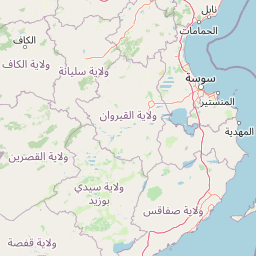
Bou-Hedma National Park offers a distinctive combination of wildlife conservation success and cultural heritage preservation in a dramatic Saharan setting. The opportunity to observe reintroduced populations of scimitar oryx, addax, North African ostrich, and dama gazelle in their natural environment represents a conservation achievement of genuine international significance. The park's Roman archaeological remains, including the bridge, pools, and aqueduct, provide a tangible connection to ancient settlement patterns and water management practices. The Ramsar-listed wetland Sebkhet Noual adds ecological diversity and supports birdlife and other wetland species. The park's location in central Tunisia makes it accessible from major cities while providing an authentic experience of Saharan landscapes and biodiversity.
Best time to visit Bou-Hedma National Park
The optimal time to visit Bou-Hedma National Park is during the cooler months from October through April, when temperatures are more comfortable for outdoor exploration. Summer months in central Tunisia can bring extremely high temperatures that may limit movement within the park and make wildlife viewing less comfortable. The shoulder seasons of spring and autumn offer a good balance of comfortable temperatures and varied scenery, though rainfall events, while uncommon, can affect access to certain areas. Wildlife viewing is generally better during the cooler months when animals are more active during daylight hours, whereas the hottest periods may cause wildlife to remain less active during peak daytime temperatures.