Why El Kala National Park stands out
El Kala is best known for its network of Mediterranean wetlands and freshwater lakes that serve as crucial habitats for migratory birds and waterfowl. The park's population of Barbary stag, a distinctive North African subspecies of red deer, represents one of the few remaining populations of this iconic animal in the region. The park's Ramsar-designated wetlands, including Lake Oubeira, Lake Tonga, Lake Mellah, and the Black Lake peat bog, are recognized internationally for their ecological importance. The diverse mosaic of cork oak forests, Zeen oak, Aleppo pine, and riparian woodlands creates a distinctive Mediterranean landscape that supports exceptional biodiversity.
El Kala National Park history and protected-area timeline
The El Kala National Park and Biosphere Reserve was formally established through Algerian governmental decree number 83-462 on July 23, 1983, creating the legal framework for protection of this Mediterranean ecosystem. The UNESCO Man and the Biosphere Programme recognized the park's international significance on December 17, 1990, designating it as a biosphere reserve and integrating it into the global network of protected areas dedicated to conservation, research, and sustainable development. Between 1994 and 1999, the World Bank financed a significant natural resources management project that helped develop sustainable approaches to managing the park's resources while balancing conservation with the needs of local communities. Multiple wetland areas within the park have been recognized under the Ramsar Convention, with Lake Oubeira and Lake Tonga designated in 1983, followed by the Black Lake peat bog in 2003, Lake El Mellah in 2004, and the Bourdim marshes in 2009.
El Kala National Park landscape and geographic character
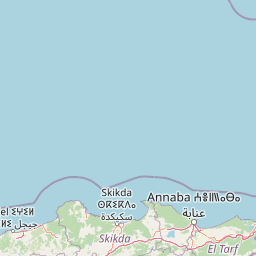
The physical landscape of El Kala National Park presents a varied topography that ascends from sea level along the Mediterranean shoreline to elevations exceeding 1,200 meters at djebel El-Ghorra, the park's highest summit. The coastal zone features a series of lakes and wetlands that fringe the Mediterranean, with Lake Mellah serving as a unique coastal lagoon that maintains direct connection to the sea. The park's interior contains a network of freshwater lakes set within rolling terrain, including the extensive Lake Tonga and Lake Oubeira, which form the heart of the wetland system. The landscape transitions from the lacustrine environments through marshy corridors to forested hillsides, where cork oak and mixed deciduous woodlands cover the slopes. The park maintains approximately 50 kilometers of Mediterranean coastline, providing additional habitat diversity through beach, cliff, and shallow marine environments.
El Kala National Park ecosystems, habitats, and plant life
The ecological character of El Kala National Park reflects its position within the Mediterranean basin, supporting a complex mosaic of habitats that harbor remarkable biodiversity. Comprehensive surveys conducted between 1996 and 2010 documented 1,590 plant species and 718 animal species within the park's boundaries. The forested ecosystems are dominated by cork oak, which forms extensive pure stands in many areas, accompanied by Zeen oak, kermes oak, Aleppo pine, and various riparian species including alder, willow, and white poplar. Eucalyptus, acacia, maritime pine, and bald cypress have also been introduced or occur in specific habitats. The wetland environments support diverse aquatic vegetation and provide critical habitat for waterbirds, while the peat bog of the Black Lake represents a rare acidic wetland ecosystem in the region. The park's biodiversity extends to fungi, with 175 mushroom species documented, highlighting the ecological richness of these Mediterranean forests.
El Kala National Park wildlife and species highlights
El Kala National Park supports impressive wildlife diversity, with 40 mammal species, 25 bird of prey species, 64 freshwater bird species, and 9 marine bird species recorded within its boundaries. The Barbary stag (Cervus elaphus barbarus), a distinctive subspecies of red deer endemic to North Africa, represents one of the park's most notable mammalian residents and thrives in the oak and pine forests. The wetlands and lakes provide critical habitat for waterfowl including greater flamingos, glossy ibis, and numerous migratory species that use these wetlands as stopping points along the Mediterranean flyway. The bird of prey community includes various eagles, hawks, and owls that hunt in the open habitats and forest edges. The lake ecosystems support fish populations and aquatic invertebrates that form the base of the food web for many bird species. The diverse habitats also support populations of smaller mammals, reptiles, and amphibians that complete the park's ecological communities.
El Kala National Park conservation status and protection priorities
The conservation significance of El Kala National Park is underscored by its multiple designations under international frameworks. As a UNESCO biosphere reserve, the park is part of a global network recognizing areas of exceptional ecological importance that also serve as living laboratories for sustainable development. Five wetland areas within the park have been designated as Ramsar sites, recognizing their international importance as waterbird habitats and wetland ecosystems: Lake Oubeira (1983), Lake Tonga (1983), Black Lake peat bog (2003), Lake Mellah (2004), and Bourdim marshes (2009). The park faces conservation challenges including proposals for highway development that could fragment habitat and threaten sensitive species, prompting concerns from conservation organizations about maintaining the integrity of this Mediterranean ecosystem.
El Kala National Park cultural meaning and human context
Approximately 87,000 people reside within the boundaries of the El Kala National Park and Biosphere Reserve, creating a landscape where human communities and protected ecosystems coexist. The local population maintains traditional connections to the land, with agriculture, fishing, and pastoral activities forming part of the regional character. The park's designation as a biosphere reserve explicitly acknowledges the importance of balancing conservation with sustainable development that supports local communities. The Arabic name محمية القالة الوطنية reflects the park's identity within Algeria's cultural landscape. This human presence adds dimension to the park's management considerations, as conservation efforts must account for the needs and livelihoods of resident communities while protecting the ecological values that justified the park's establishment.
Top sights and standout views in El Kala National Park
El Kala National Park stands out for its exceptional combination of Mediterranean coastal and wetland ecosystems within a single protected area. The park's six lakes, including two of Algeria's largest freshwater lakes, create a wetland complex of international importance recognized through Ramsar designations. The Barbary stag population represents a conservation success story for this distinctive North African subspecies. The diversity of forest types, from cork oak-dominated woodlands to riparian galleries, supports remarkable plant and fungal biodiversity. The coastal lagoon of Lake Mellah provides a unique habitat type in Algeria, while the Black Lake peat bog represents rare acidic wetland conditions. The park's role as a Mediterranean basin ecosystem with both European and African ecological influences creates a distinctive biogeographic character.
Best time to visit El Kala National Park
The optimal time to visit El Kala National Park aligns with the Mediterranean climate patterns, with spring and autumn offering the most comfortable conditions for exploration. The cooler months from October through April feature temperatures ranging from the teens to low twenties Celsius, making hiking and wildlife observation more pleasant than the hot summer period. Spring brings active bird migration, with waterfowl congregating at the lakes and visible courtship behavior among many species. Autumn provides another migration period and the opportunity to observe flamingos and other waterbirds in large concentrations. Summer temperatures can reach 30°C, which may limit midday outdoor activities but offers the longest daylight hours for exploration. The park's year-round accessibility allows for visits in any season, though the shoulder seasons provide the most favorable conditions for experiencing the full range of the park's natural values.