
Mori Atlas logo
National parkArcipelago di La Maddalena National Park

Explore the mapped boundaries and regional geography of this unique Italian national park.

Arcipelago di La Maddalena National Park: Protected Marine and Terrestrial Landscape Identity

(Parco Nazionale dell'Arcipelago di La Maddalena)

The Arcipelago di La Maddalena National Park in Italy represents a significant protected landscape, offering users a deep dive into its unique geographic setting and mapped terrain. This national park is defined by its archipelago nature, presenting a distinct environmental context for atlas exploration. Users can explore the protected boundaries and understand the park's place within the surrounding marine and terrestrial geography, making it a key destination for structured discovery on MoriAtlas.

Mediterranean islandsmarine protected areagranite landscapeSardiniaarchipelagocoastal park

Arcipelago di La Maddalena National Park

National park

Park overview

Structured park overview, official facts, and landscape profile for Arcipelago di La Maddalena National Park

Arcipelago di La Maddalena National Park park facts, protected area profile, and essential visitor context
Review the core facts for Arcipelago di La Maddalena National Park, including designation, size, terrain, visitor scale, habitats, and operating context in one park-focused overview.

About Arcipelago di La Maddalena National Park

Arcipelago di La Maddalena National Park protects one of the most distinctive Mediterranean archipelagos off the coast of northern Sardinia. The park's territory extends across both land and sea, creating a comprehensive conservation framework that recognizes the interconnected nature of island and marine ecosystems. The granite islands that comprise the archipelago rise from the turquoise waters of the Strait of Bonifacio, their weathered profiles shaped by millennia of exposure to Mediterranean weather and sea conditions. The park encompasses the municipal territory of La Maddalena, including all islands and islets within its jurisdiction. Beyond its immediate boundaries, the park administration has advocated for the establishment of an international marine park in the Bocche di Bonifacio, reflecting the transboundary nature of the marine environment that connects the Sardinian archipelago with Corsican waters to the north. The park represents a destination of significant ecological and landscape value, where visitors can experience the rugged beauty of Mediterranean island terrain combined with exceptional marine environments.

Quick facts and research context for Arcipelago di La Maddalena National Park

The park protects the La Maddalena Archipelago in the province of Sassari, Sardinia. It was officially established in 1994 with boundaries confirmed through presidential decree in 1996. The protected territory includes the main islands of La Maddalena, Caprera, Spargi, Budelli, Razzoli, and Santa Maria, along with numerous smaller islets. The park's dual land-sea protection model reflects its ecological significance as both a Mediterranean island ecosystem and a marine habitat. The governing body is the Italian Ministry of Environment (Ministero dell'Ambiente).

Park context

Deeper park guide and search-rich context for Arcipelago di La Maddalena National Park

Arcipelago di La Maddalena National Park history, landscape, wildlife, and travel context
Explore Arcipelago di La Maddalena National Park through its history, landscape character, ecosystems, wildlife, conservation priorities, cultural context, and seasonal travel timing in a structured park guide built for atlas discovery and search intent.

Why Arcipelago di La Maddalena National Park stands out

The park is best known for its dramatic granite island landscapes, pristine Mediterranean waters, and the iconic pink-sand beach of Budelli's Spiaggia Rosa. The archipelago's exposed granite geology has been shaped by wind and sea into distinctive formations, creating a stark yet elegant island terrain. The surrounding marine environment supports important Posidonia oceanica seagrass meadows and serves as a habitat for Mediterranean monk seals and migratory cetaceans. The presence of a long-term resident, Mauro Morandi, who lived alone on Budelli island from 1989 until 2020, gave the park a unique human story of solitude and custodianship that captured international attention.

Arcipelago di La Maddalena National Park history and protected-area timeline

The Arcipelago di La Maddalena National Park was formally established on April 1, 1994, through Italian national legislation. The boundaries and regulatory framework were subsequently refined through a presidential decree (DPR) that took effect on May 17, 1996, solidifying the park's legal status and management structure. The establishment of the park reflected growing recognition of the archipelago's ecological significance and the need to coordinate conservation across both terrestrial and marine environments. Prior to national protection, the islands had been subject to various forms of regional governance, and the military presence on certain islands had shaped the landscape. The park's creation also positioned the archipelago within broader Mediterranean conservation initiatives, particularly efforts to establish coordinated marine protection in the Strait of Bonifacio corridor. The park's management operates under the Italian Ministry of Environment, which oversees protected area governance at the national level.

Arcipelago di La Maddalena National Park landscape and geographic character

The La Maddalena Archipelago consists of rugged granite islands characterized by steep coastal cliffs, sheltered inlets, and rounded mountain profiles weathered by wind and rain. The dominant rock formation is pink-gray granite that creates a visually striking contrast with the deep blue Mediterranean waters surrounding the islands. The archipelago's islands display classic Mediterranean island topography, with gentle slopes rising to exposed summits and dramatic sea cliffs along exposed coastlines. Each island possesses its own character: La Maddalena serves as the main settlement island with the town of the same name; Caprera is known for its mountainous interior and connection to Garibaldi's historic residence; Budelli gained fame for its distinctive pink-sand beach formed from crushed coral and shell fragments; while smaller islets such as Spargi, Razzoli, and Santa Maria offer wild, uninhabited landscapes. The marine landscape includes clear turquoise waters, underwater rock formations, seagrass meadows, and the relatively shallow seabed of the Strait of Bonifacio.

Arcipelago di La Maddalena National Park ecosystems, habitats, and plant life

The park protects a Mediterranean island and marine ecosystem of considerable ecological significance. The terrestrial environment features maquis shrubland adapted to the island's dry summer conditions, with evergreen vegetation dominating the hillsides and coastal zones. The marine environment supports extensive Posidonia oceanica seagrass meadows, a critically important Mediterranean habitat that provides oxygen, stabilizes seafloor sediments, and supports complex food webs. The clear waters around the islands offer excellent visibility for observing underwater life. The archipelago's position in the Strait of Bonifacio places it along a major migratory route for marine species moving between the western and central Mediterranean. The combination of protected islands and surrounding marine waters creates a coherent ecological unit where land and sea organisms interact within a protected framework.

Arcipelago di La Maddalena National Park wildlife and species highlights

The archipelago supports a Mediterranean fauna community characteristic of island environments in this region. The surrounding marine waters host a diverse fish community, with numerous species found in the rocky subtidal zones and seagrass meadows. The park's marine environment provides potential habitat for Mediterranean monk seals, a critically endangered species that inhabits coastal waters throughout the Mediterranean. The islands themselves support populations of seabirds, including various species that nest on the coastal cliffs and rocky islets. The relatively limited human presence on most islands has allowed wildlife to persist in relatively undisturbed conditions, particularly on the smaller islets that lack permanent residents. The marine waters of the Strait of Bonifacio serve as a migration corridor for cetaceans moving between different parts of the Mediterranean.

Arcipelago di La Maddalena National Park conservation status and protection priorities

The park's establishment reflects recognition of the archipelago's ecological value and the need to coordinate protection across the land-sea interface. The geomarine protected area model treats the islands and surrounding waters as an integrated ecological unit rather than managing them as separate environments. The Posidonia oceanica meadows within the park represent a priority conservation habitat under European environmental legislation, as these seagrass beds provide critical ecosystem services including oxygen production, sediment stabilization, and biodiversity support. The park contributes to broader Mediterranean marine conservation networks and has been part of ongoing efforts to establish a transboundary marine protected area with France in the Bocche di Bonifacio region. The limited development and minimal permanent population within most of the park's territory has helped preserve the natural character of the islands.

Arcipelago di La Maddalena National Park cultural meaning and human context

The archipelago has a rich human history spanning millennia, with evidence of habitation dating to ancient periods. The islands played a significant role in maritime navigation through the Strait of Bonifacio, which has been a critical shipping route since classical antiquity. Caprera island is historically significant as the residence of Giuseppe Garibaldi, the iconic Italian general and national hero who purchased the island in the 19th century and built what is now a museum preserve. The presence of military installations, particularly from the World War II period, has shaped the landscape of certain islands. The story of Mauro Morandi, who lived as the sole resident of Budelli island from 1989 until 2020, represents a unique contemporary chapter in the archipelago's human narrative, embodying themes of solitude, stewardship, and the relationship between individuals and protected landscapes.

Top sights and standout views in Arcipelago di La Maddalena National Park

The park's defining highlights include the dramatic granite island scenery, the famous pink-sand beach of Budelli's Spiaggia Rosa, excellent opportunities for coastal and underwater exploration, and the sense of remoteness preserved on several islands. The clear Mediterranean waters around the archipelago provide ideal conditions for snorkeling and diving, with underwater visibility revealing seagrass meadows and diverse marine life. The contrast between the islands' golden-pink granite and the deep blue sea creates a visually striking landscape that has drawn artists and photographers for decades. Several islands remain essentially uninhabited, offering wilderness experiences rare in the Mediterranean. The park's status as a geomarine protected area allows visitors to experience both terrestrial island environments and the marine environment within a single destination.

Best time to visit Arcipelago di La Maddalena National Park

The optimal period for visiting the La Maddalena Archipelago spans from late spring through early autumn, when Mediterranean conditions provide warm temperatures, calm seas, and extended daylight for exploration. Summer months bring the highest temperatures and peak visitor numbers, with August being particularly busy given its position within the broader Italian vacation season. The shoulder seasons of May through June and September through early October offer more moderate conditions, fewer visitors, and comfortable temperatures for outdoor activities. Winter brings cooler temperatures and reduced services, though the islands retain their dramatic beauty in the off-season. The marine environment is most pleasant for water activities from May through October when sea temperatures rise and weather conditions are generally stable. Wind patterns in the Strait of Bonifacio can influence sea conditions, with the dominant maestrale wind from the northwest creating choppy conditions at times.

Park location guide

Geography guide, regional context, and park location map for Arcipelago di La Maddalena National Park

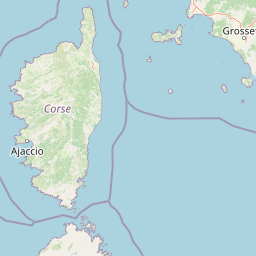
Arcipelago di La Maddalena National Park park geography, regions, and map view in Italy
Understand where Arcipelago di La Maddalena National Park sits in Italy through a broader geographic reading of the surrounding landscape, nearby location context, and its mapped position within the national park landscape.

How Arcipelago di La Maddalena National Park fits into Italy

Italy is a unitary parliamentary republic in Southern and Western Europe, located on the Italian Peninsula with the Alps to the north. It borders France, Switzerland, Austria, Slovenia, Vatican City, and San Marino, and shares maritime boundaries with several Mediterranean countries. The country has approximately 59 million residents and uses the Euro as its currency.

Wider geography shaping Arcipelago di La Maddalena National Park in Italy

Italy occupies a boot-shaped peninsula in southern Europe, bordered by the Alps to the north. It shares land borders with France, Switzerland, Austria, Slovenia, Vatican City, and San Marino. The country includes the Mediterranean islands of Sicily and Sardinia, along with approximately 800 smaller islands.

Map view of Arcipelago di La Maddalena National Park

Use this park location map to pinpoint Arcipelago di La Maddalena National Park in Italy, understand its exact geographic position, and read its mapped placement within the surrounding landscape more clearly.

Pigeon | © OpenStreetMap contributors

Location context for Arcipelago di La Maddalena National Park

Sardinia
Park atlas

Explore the Diverse Geomarine Protected Landscapes of Sardinia, Corsica, and the Wider Mediterranean

Discover More Protected Areas and National Parks Near Arcipelago di La Maddalena National Park
Continue your park discovery beyond Arcipelago di La Maddalena National Park by exploring other marine and island protected areas across the Mediterranean basin. Compare the distinct geology, coastal ecosystems, and conservation efforts that shape various national parks and protected landscapes in the surrounding region, offering a deeper atlas perspective on Mediterranean biodiversity.
Watercolor illustration of a coastal landscape with green hills, shoreline, and blue sea under a pale yellow sky
National parkSardinia

Asinara National Park: National Park Protected Landscape and Geographic Setting

Explore mapped terrain and protected area context within Sardinia.

Asinara National Park stands as a key protected landscape within the Italian national park system, located off the coast of Sardinia. This entry provides detailed geographic context, focusing on its mapped boundaries and the unique natural terrain that defines this island sanctuary. MoriAtlas facilitates a structured discovery of Asinara National Park, enabling users to understand its protected area status and its significant position within the broader regional geography of Sardinia for atlas exploration.

Area
51.7 km²
Established
1997
IUCN
II
Relief
Mixed relief
National parkItaly

National Park of the Gulf of Orosei and Gennargentu: Italy's Coastal and Mountain Protected Terrain

Mapped geography of a unique Sardinian protected landscape.

Delve into the atlas-level details of the National Park of the Gulf of Orosei and Gennargentu, a protected area in Italy renowned for its stark contrast between dramatic coastal cliffs bordering the Gulf of Orosei and the wild, mountainous interior of the Gennargentu massif. This page provides structured geographic context, mapping the park's boundaries and showcasing its distinctive karst landscape, hidden beaches, and rugged peaks for comprehensive protected-area exploration.

National parkTuscany

Arcipelago Toscano National Park: Protected Islands and Mediterranean Landscape Atlas

Explore Tuscany's unique archipelago geography and protected natural terrain.

Arcipelago Toscano National Park offers a unique perspective on Mediterranean island ecosystems through its comprehensive atlas and mapped landscape context. Covering seven main islands and surrounding marine areas off the coast of Tuscany, this park protects dramatic granite cliffs, endemic flora, and vital habitats for marine and avian life. Understand its geographic scope, protected boundaries, and the distinctive natural terrain that defines this significant Italian conservation landscape.

Area
746.63 km²
Established
1996
IUCN
II
Relief
Mixed relief
Watercolor painting of a landscape with trees, hills, and a body of water
National park

Port-Cros National Park: French Mediterranean Island National Park & Marine Sanctuary

Discover mapped protected land and unique Mediterranean ecosystems.

Port-Cros National Park offers a glimpse into a pioneering model of integrated terrestrial and marine conservation within the Mediterranean. This park protects a distinctive island geography marked by rugged terrain, endemic species, and vital underwater habitats, including crucial posidonia meadows and rich marine life. Through MoriAtlas, explore the mapped boundaries and ecological significance of Port-Cros, understanding its role as a vital protected landscape in the European atlas.

Area
46 km²
Established
1963
IUCN
II
Visitors
1M annual
National parkLiguria

Cinque Terre National Park: Protected Area Geography and Mapped Landscape

Explore its regional context in Liguria, Italy.

Examine Cinque Terre National Park as a key protected area within the rugged geography of Italy's Liguria region. This dedicated atlas entry provides essential geographic context, detailing the park's mapped boundaries and its significance as a national park. Understand how this protected landscape fits within the broader regional terrain, offering a structured view for geographic discovery and map-based exploration of Italy's protected areas.

Area
22 km²
Established
1999
IUCN
V
Relief
Mountain
Watercolor painting of rolling green hills under a sunset sky with soft color transitions
National parkEmilia-Romagna

Appennino Tosco-Emiliano National Park: Explore Its National Park Boundaries and Geography

Discover the mapped landscape and regional context of this protected area.

Appennino Tosco-Emiliano National Park is a designated national park offering a rich area for geographic exploration. This MoriAtlas entry details the park's protected landscape, providing insights into its mapped boundaries and its contribution to the natural terrain of the Emilia-Romagna region. Understand its significance within the broader atlas of Italian protected areas, focusing on its unique geographic identity and landscape context.

Area
227.92 km²
Established
2001
IUCN
II
Relief
Mountain
National parkForlì-Cesena Province

Foreste Casentinesi, Monte Falterona, Campigna National Park: A Mapped Protected Landscape in Italy

National Park within Forlì-Cesena Province, Emilia-Romagna

Foreste Casentinesi, Monte Falterona, Campigna National Park is an important protected natural area situated in Forlì-Cesena Province, northeastern Italy. As a designated national park, it serves as a key landmark for exploring mapped protected land boundaries and understanding its specific contribution to the regional geography. This page provides an atlas-centric view, highlighting the park's geographic context and its identity as a significant protected landscape for discovery and reference.

Area
368 km²
Established
1993
IUCN
II
Relief
Mountain
National parkMarche

Monti Sibillini National Park: National Park with Regional Geographic Context in Marche

Explore protected landscape boundaries and terrain.

Monti Sibillini National Park serves as a vital national park within the Marche region, offering a distinct natural landscape for geographic study. This entry provides essential context for understanding the park's mapped protected area status and its integration into the regional geography of central Italy. Delve into the park's specific setting, discovering how its terrain and protected status contribute to the atlas of Italian natural landscapes.

Area
697.22 km²
Established
1993
IUCN
II
Relief
Mountain

Common questions about visiting, size, designation, and location context for Arcipelago di La Maddalena National Park

Arcipelago di La Maddalena National Park FAQs for park facts, access, geography, and protected area context
Find quick answers about Arcipelago di La Maddalena National Park, including protected-area facts, park geography, trail and visitor context, and how the park fits into its surrounding country and regional landscape.
MoriAtlas Explorer

Continue Your Protected Areas Search Across the Global Atlas

Deepen your exploration by continuing the structured search for national parks and protected areas worldwide. Utilize the comprehensive filtering capabilities to compare different conservation landscapes and refine your understanding of global park geography. Discover more about the distribution and characteristics of protected natural areas.

Global natural geography