
Mori Atlas logo
National parkArcipelago Toscano National Park

Discover its unique island geography, granite terrain, and endemic Mediterranean protected landscapes.

Arcipelago Toscano National Park: A Mapped Protected Archipelago Off the Tuscan Coast

(Parco Nazionale Arcipelago Toscano)

Arcipelago Toscano National Park represents a significant protected landscape across the Tuscan Archipelago, a chain of islands situated between the Ligurian and Tyrrhenian Seas. This atlas-focused entry details the park's dual terrestrial and marine protected areas, showcasing its rugged granite coastlines, forested hills, and the rich biodiversity of its unique Mediterranean island ecosystems. Explore the mapped boundaries and regional geography that define this notable conservation area, offering a deep dive into its distinctive natural terrain and ecological significance.

Mediterranean islandsMarine protected areaEndemic speciesBirdwatchingMediterranean maquisGranite cliffs

Arcipelago Toscano National Park

National park

Park overview

Structured park overview, official facts, and landscape profile for Arcipelago Toscano National Park

Arcipelago Toscano National Park park facts, protected area profile, and essential visitor context
Review the core facts for Arcipelago Toscano National Park, including designation, size, terrain, visitor scale, habitats, and operating context in one park-focused overview.

About Arcipelago Toscano National Park

Arcipelago Toscano National Park represents a comprehensive protection framework for the entire Tuscan Archipelago, a distinctive Mediterranean island chain that has evolved in isolation over millennia, producing unique ecological communities and significant biogeographic value. The park's territory encompasses not only the seven major islands but also the surrounding marine environment, creating an integrated ecosystem approach that recognizes the inseparable connection between land and sea in island environments. This dual protection status makes the park particularly significant within Italy's protected area network, as it simultaneously conserves terrestrial habitats ranging from coastal cliffs and maquis to chestnut and oak woodlands, while also safeguarding the rich marine ecosystems that surround the islands. The islands themselves present remarkable topographic diversity, from the mountainous interior of Elba with its granite peaks to the more modest elevations of the smaller islands, all characterized by steep coastal cliffs that drop dramatically into the sea. The park administration manages this complex landscape through the Ente Parco Nazionale Arcipelago Toscano, coordinating conservation efforts across multiple municipalities in both the Province of Grosseto and Province of Livorno.

Quick facts and research context for Arcipelago Toscano National Park

The park spans the seven principal islands of the Tuscan Archipelago: Elba, Giglio, Capraia, Montecristo, Pianosa, Giannutri, and Gorgona, along with numerous minor islands and coastal rocks. Mount Capanne on Elba is the highest point at 1,019 meters. The park holds IUCN Category II designation and operates as both a terrestrial national park and marine protected area. The governing body is the Ministero dell'Ambiente through the Ente Parco Nazionale Arcipelago Toscano. The park's Mediterranean climate supports distinctive vegetation including Mediterranean maquis, holm oak forests, and chestnut woodlands, with numerous endemic plant species exclusive to the archipelago or the broader Sardo-Corsican biogeographic region.

Park context

Deeper park guide and search-rich context for Arcipelago Toscano National Park

Arcipelago Toscano National Park history, landscape, wildlife, and travel context
Explore Arcipelago Toscano National Park through its history, landscape character, ecosystems, wildlife, conservation priorities, cultural context, and seasonal travel timing in a structured park guide built for atlas discovery and search intent.

Why Arcipelago Toscano National Park stands out

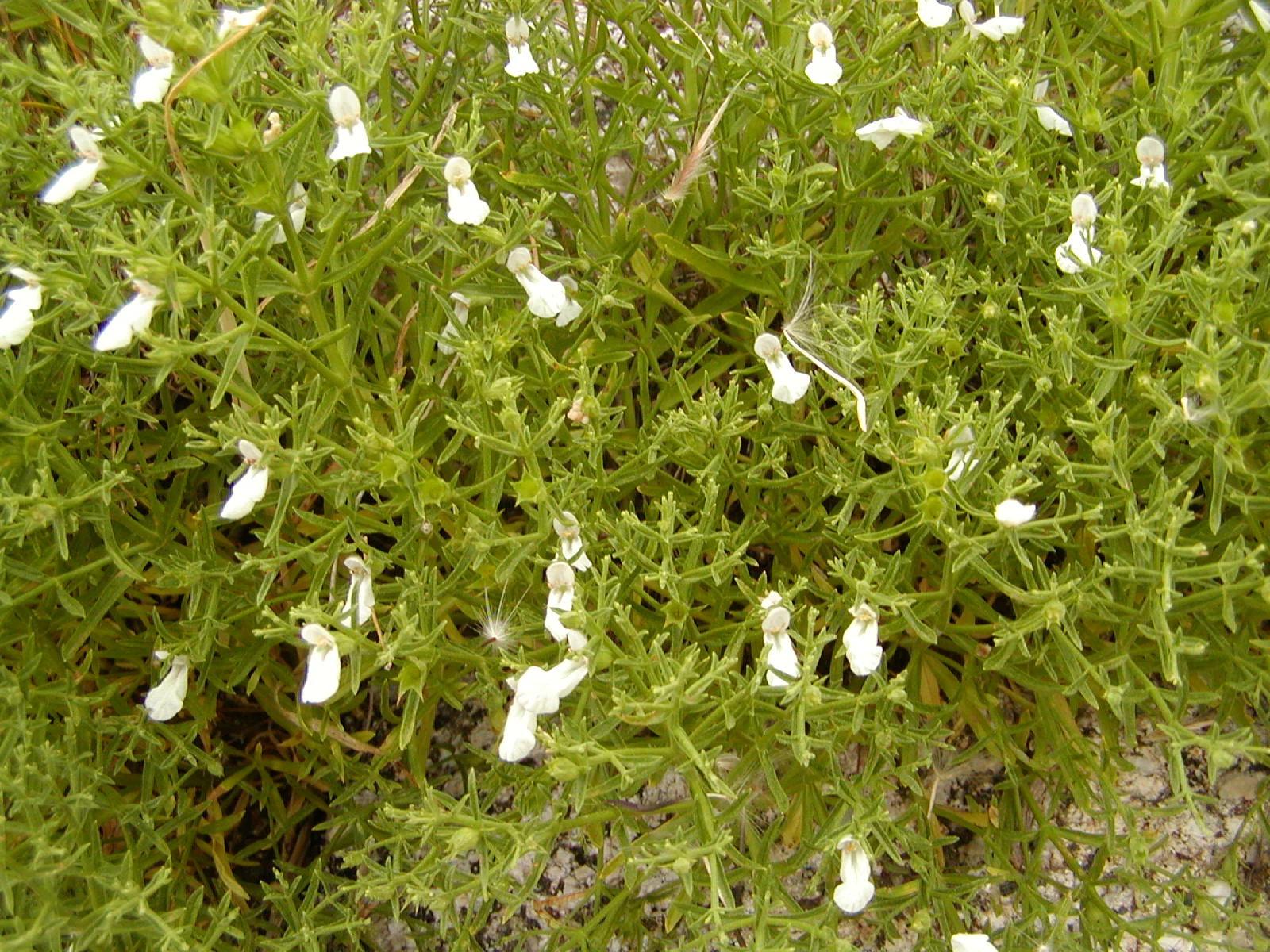
Arcipelago Toscano is especially known for its remarkable concentration of endemic species and its dual terrestrial-marine protection regime. The archipelago harbors plant and animal species found nowhere else in the world, particularly on Montecristo and the other islands. The Corsican seagull (gabbiano corso) serves as the park's symbol, and the islands provide critical habitat for migratory birds including the Yelkouan shearwater. The park's landscape character combines dramatic granite cliffs and coastal cliffs with Mediterranean maquis vegetation, while the marine component protects underwater ecosystems of considerable ecological importance.
Arcipelago Toscano National Park history and protected-area timeline

The Arcipelago Toscano National Park was established in 1996 through national legislation, with significant expansion occurring in 1997 that solidified the park's boundary and protection framework. The creation of the park recognized the exceptional ecological and biogeographic significance of the Tuscan Archipelago, which had previously lacked comprehensive protected area status despite its unique natural values. The park's institutional framework operates under the Ministero dell'Ambiente (Ministry of Environment), with the managing body, Ente Parco Nazionale Arcipelago Toscano, coordinating conservation activities and visitor management across the archipelago's islands. The establishment process acknowledged both the terrestrial biodiversity and the marine environmental importance of the archipelago, leading to the park's designation as both a national park and marine protected area with additional Special Protection Zone (ZPS) status under European environmental directives. The park's creation built upon earlier conservation efforts that had identified the archipelago's significance for endemic species and migratory bird populations.

Arcipelago Toscano National Park landscape and geographic character

The Tuscan Archipelago landscape presents a distinctive Mediterranean island character shaped by granite geology, erosion, and millennia of climatic influence. The islands rise from the sea with dramatic coastal cliffs, particularly along the western and southern shores where steep granite faces drop directly into the surrounding waters. The terrain varies considerably across the archipelago, with Elba being the most mountainous island, crowned by Mount Capanne at 1,019 meters, a granite peak that forms a striking backdrop to the surrounding landscape. The smaller islands display more modest elevations but retain the characteristic rugged appearance with exposed rock, coastal cliffs, and limited coastal plains. The marine environment surrounding the islands contributes fundamentally to the park's character, with clear Mediterranean waters enclosing the archipelago and underwater features that support marine ecosystems. The combination of terrestrial mountain and hill formations, coastal cliffs, and the surrounding sea creates a landscape of considerable scenic diversity within a relatively compact geographic area.

Arcipelago Toscano National Park ecosystems, habitats, and plant life

The nature of Arcipelago Toscano reflects its Mediterranean island setting and the isolation that has driven evolutionary differentiation across the archipelago. The vegetation follows the classic Mediterranean pattern dominated by evergreen sclerophyllous species, with the Mediterranean maquis (macchia mediterranea) representing the most widespread plant community across the islands. This distinctive vegetation type features dense, often impenetrable thickets of evergreen shrubs including strawberry tree (corbezzolo), mastic (lentisco), Phoenician juniper, myrtle, heathers, rosemary, and various cistus species. Where fire or human disturbance has opened the maquis, garigue formations develop with lower, more open shrub communities. Holm oak (leccio) forests persist in limited areas, representing the climax vegetation for the region, while chestnut forests occupy cooler slopes at higher elevations. The islands support remarkable plant endemism, with numerous species exclusive to the Tuscan Archipelago or the broader Sardo-Corsican biogeographic region. These endemic plants have evolved in isolation, producing species found nowhere else on Earth, making the archipelago a plant conservation priority of European significance.

Arcipelago Toscano National Park wildlife and species highlights

The wildlife of Arcipelago Toscano reflects both the Mediterranean context and the isolation that has shaped the archipelago's distinctive fauna. The islands support diverse bird populations, with the Corsican seagull (gabbiano corso) holding particular significance as the park's symbolic species and a breeding bird on several islands. Migratory birds use the archipelago as a vital stopover point in Mediterranean flyways, with species including the Yelkouan shearwater (berte minori) among the notable visitors. The resident bird community includes species adapted to Mediterranean maquis and rocky habitats. Among mammals, the marten (martora) represents a significant predator in the island ecosystems, while wild rabbits provide important prey species. Wild boar are present across several islands, and introduced mouflon populations historically occupied Elba, though the park has undertaken eradication efforts due to their negative impacts on native vegetation and biodiversity. The reptile and amphibian communities include species with Tyrrhenian distributions, such as the Tyrrhenian gecko (geco tirrenico), the Tyrrhenian tree frog (raganella tirrenica), and the Sardinian discoglossus (discoglosso sardo), all representing important biogeographic elements. The invertebrate fauna includes numerous endemic species reflecting the islands' evolutionary isolation.

Arcipelago Toscano National Park conservation status and protection priorities

Arcipelago Toscano National Park holds significant conservation importance at multiple scales, from national to European and global levels. The park's designation as IUCN Category II reflects its primary purpose of protecting natural ecosystems while allowing for compatible human use. The integrated terrestrial and marine protection approach addresses the interconnected nature of island ecosystems, where land and sea form inseparable ecological units. The high concentration of endemic species, particularly plants exclusive to individual islands like Montecristo, elevates the archipelago's conservation significance far beyond its geographic scope. The Special Protection Zone (ZPS) designation provides additional regulatory framework for safeguarding bird species, particularly the breeding colonies of the Corsican seagull and migratory species that depend on the islands. Conservation challenges include managing visitor impact during the peak summer season, controlling invasive species, and addressing the impacts of introduced ungulates on native vegetation. The park's marine protected area status helps conserve underwater habitats and the species dependent on the surrounding seas.

Arcipelago Toscano National Park cultural meaning and human context

The Tuscan Archipelago has been inhabited since antiquity, with the islands playing significant roles in Etruscan, Roman, and subsequent historical periods. Elba in particular has a rich mining history dating to ancient times, with iron extraction shaping both the landscape and the human settlement pattern across the island. The islands have served various purposes throughout history, including religious retreats, penal colonies, and defensive fortifications. Some islands remain privately held or have restricted access due to their historical uses or current conservation management priorities. The traditional agricultural landscape, particularly the terrace cultivation visible on islands like Giglio, reflects centuries of human interaction with the challenging island terrain. Fishing has traditionally supported island communities, creating cultural connections to the surrounding marine environment that the park now helps to frame within a conservation context.

Top sights and standout views in Arcipelago Toscano National Park

The Arcipelago Toscano stands out for its unique combination of island wilderness, endemic biodiversity, and integrated marine-terrestrial protection. Montecristo Island represents a particular highlight, with its strict protection status and exceptional plant endemism making it one of the most botanically significant islands in the Mediterranean. The park provides crucial habitat for the Corsican seagull, whose presence serves as an indicator of healthy Mediterranean island ecosystems. The dramatic topography of Mount Capanne on Elba offers one of the most distinctive mountain landscapes in central Italy, while the smaller islands like Giglio and Giannutri showcase the characteristic Mediterranean coastal scenery of steep cliffs plunging into clear seas. The marine component adds another dimension to the park's conservation value, protecting underwater environments that complement the terrestrial habitats and support marine biodiversity of considerable ecological importance.

Best time to visit Arcipelago Toscano National Park

The park's Mediterranean climate shapes distinct seasonal experiences across the archipelago. Spring and early summer bring optimal conditions for exploring the islands, with mild temperatures, blooming Mediterranean vegetation, and manageable visitor numbers before the peak August season. The spring flowering period showcases the islands' botanical wealth, with endemic species in bloom across the maquis and rocky habitats. Autumn offers pleasant conditions and the advantage of reduced crowds following the summer peak, while the vegetation remains green from the autumn rains. Summer months see the highest visitor concentrations, particularly on the more accessible islands like Elba and Giglio, and the hot Mediterranean temperatures can make strenuous activities challenging. Winter provides a different character, with quieter islands and the opportunity to experience the landscape in its quieter phase, though some services may be limited and ferry access depends on weather conditions.

Park location guide

Geography guide, regional context, and park location map for Arcipelago Toscano National Park

Arcipelago Toscano National Park park geography, regions, and map view in Italy
Understand where Arcipelago Toscano National Park sits in Italy through a broader geographic reading of the surrounding landscape, nearby location context, and its mapped position within the national park landscape.

How Arcipelago Toscano National Park fits into Italy

Italy is a unitary parliamentary republic in Southern and Western Europe, located on the Italian Peninsula with the Alps to the north. It borders France, Switzerland, Austria, Slovenia, Vatican City, and San Marino, and shares maritime boundaries with several Mediterranean countries. The country has approximately 59 million residents and uses the Euro as its currency.

Wider geography shaping Arcipelago Toscano National Park in Italy

Italy occupies a boot-shaped peninsula in southern Europe, bordered by the Alps to the north. It shares land borders with France, Switzerland, Austria, Slovenia, Vatican City, and San Marino. The country includes the Mediterranean islands of Sicily and Sardinia, along with approximately 800 smaller islands.

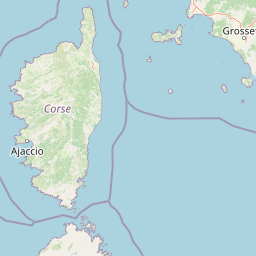
Map view of Arcipelago Toscano National Park

Use this park location map to pinpoint Arcipelago Toscano National Park in Italy, understand its exact geographic position, and read its mapped placement within the surrounding landscape more clearly.

Pigeon | © OpenStreetMap contributors

Location context for Arcipelago Toscano National Park

Province of GrossetoProvince of LivornoTuscany
Park atlas

Explore the Mapped Geography and Protected Landscapes Across Tuscany and the Mediterranean Coast

Discover More National Parks and Protected Areas Near Arcipelago Toscano National Park
Browse additional national parks and marine protected areas situated within or adjacent to the Tuscan region, encompassing diverse coastal and island ecosystems. This comprehensive geographic overview allows for direct comparison of varied conservation landscapes, expanding your protected area exploration beyond Arcipelago Toscano National Park.
National parkLiguria

Cinque Terre National Park: Protected Area Geography and Mapped Landscape

Explore its regional context in Liguria, Italy.

Examine Cinque Terre National Park as a key protected area within the rugged geography of Italy's Liguria region. This dedicated atlas entry provides essential geographic context, detailing the park's mapped boundaries and its significance as a national park. Understand how this protected landscape fits within the broader regional terrain, offering a structured view for geographic discovery and map-based exploration of Italy's protected areas.

Area
22 km²
Established
1999
IUCN
V
Relief
Mountain
National parkForlì-Cesena Province

Foreste Casentinesi, Monte Falterona, Campigna National Park: A Mapped Protected Landscape in Italy

National Park within Forlì-Cesena Province, Emilia-Romagna

Foreste Casentinesi, Monte Falterona, Campigna National Park is an important protected natural area situated in Forlì-Cesena Province, northeastern Italy. As a designated national park, it serves as a key landmark for exploring mapped protected land boundaries and understanding its specific contribution to the regional geography. This page provides an atlas-centric view, highlighting the park's geographic context and its identity as a significant protected landscape for discovery and reference.

Area
368 km²
Established
1993
IUCN
II
Relief
Mountain
Watercolor painting of rolling green hills under a sunset sky with soft color transitions
National parkEmilia-Romagna

Appennino Tosco-Emiliano National Park: Explore Its National Park Boundaries and Geography

Discover the mapped landscape and regional context of this protected area.

Appennino Tosco-Emiliano National Park is a designated national park offering a rich area for geographic exploration. This MoriAtlas entry details the park's protected landscape, providing insights into its mapped boundaries and its contribution to the natural terrain of the Emilia-Romagna region. Understand its significance within the broader atlas of Italian protected areas, focusing on its unique geographic identity and landscape context.

Area
227.92 km²
Established
2001
IUCN
II
Relief
Mountain
National park

Arcipelago di La Maddalena National Park: An Italian National Park Defined by Archipelago Geography

Discover mapped protected boundaries and regional landscape context.

Arcipelago di La Maddalena National Park stands as a vital protected area within Italy, characterized by its distinctive archipelago geography. This national park offers a unique lens through which to explore mapped natural landscapes, understand protected land distribution, and contextualize its regional geographic significance. Dive into the detailed mapping of its protected territories to appreciate the full scope of this significant natural asset for structured atlas discovery.

Area
201.46 km²
Established
1994
IUCN
II
Relief
Lowland
National parkMarche

Monti Sibillini National Park: National Park with Regional Geographic Context in Marche

Explore protected landscape boundaries and terrain.

Monti Sibillini National Park serves as a vital national park within the Marche region, offering a distinct natural landscape for geographic study. This entry provides essential context for understanding the park's mapped protected area status and its integration into the regional geography of central Italy. Delve into the park's specific setting, discovering how its terrain and protected status contribute to the atlas of Italian natural landscapes.

Area
697.22 km²
Established
1993
IUCN
II
Relief
Mountain
Watercolor illustration of a coastal landscape with green hills, shoreline, and blue sea under a pale yellow sky
National parkSardinia

Asinara National Park: National Park Protected Landscape and Geographic Setting

Explore mapped terrain and protected area context within Sardinia.

Asinara National Park stands as a key protected landscape within the Italian national park system, located off the coast of Sardinia. This entry provides detailed geographic context, focusing on its mapped boundaries and the unique natural terrain that defines this island sanctuary. MoriAtlas facilitates a structured discovery of Asinara National Park, enabling users to understand its protected area status and its significant position within the broader regional geography of Sardinia for atlas exploration.

Area
51.7 km²
Established
1997
IUCN
II
Relief
Mixed relief
National park

Gran Sasso and Monti della Laga National Park: Italy's National Park Geographic Context

Mapped protected areas and regional natural landscape details.

Delve into the geography of Gran Sasso and Monti della Laga National Park, a prominent national park in Italy. This resource provides essential context for understanding its protected landscape, mapped boundaries, and integration within the regional geography. Ideal for users seeking detailed atlas-style information on protected areas and their natural terrain, it serves as a foundational point for exploring the park's unique geographic character and landscape significance.

Watercolor illustration of a mountainous landscape featuring a river, rolling hills, and green vegetation
National park

Mercantour National Park: Mapped Alpine Protected Landscape and Regional Geography

Explore France's dramatic Alps, park boundaries, and unique ecotones.

Mercantour National Park stands as a premier protected area within the French Alps, distinguished by its remarkable geographic diversity and ecological significance. This national park encompasses mountainous terrain featuring dramatic peaks, deep glacial valleys, and a unique ecotone where Mediterranean and Alpine ecosystems converge. MoriAtlas facilitates a detailed atlas-style exploration of Mercantour National Park, highlighting its mapped protected boundaries, varied natural landscapes, and its pivotal role in regional geography and conservation efforts.

Area
679 km²
Established
1979
IUCN
II
Visitors
800K annual

Common questions about visiting, size, designation, and location context for Arcipelago Toscano National Park

Arcipelago Toscano National Park FAQs for park facts, access, geography, and protected area context
Find quick answers about Arcipelago Toscano National Park, including protected-area facts, park geography, trail and visitor context, and how the park fits into its surrounding country and regional landscape.
MoriAtlas Explorer

Continue Your Protected Areas Search Across the Global Atlas

Deepen your exploration by continuing the structured search for national parks and protected areas worldwide. Utilize the comprehensive filtering capabilities to compare different conservation landscapes and refine your understanding of global park geography. Discover more about the distribution and characteristics of protected natural areas.

Global natural geography