
Mori Atlas logo
National parkMonti Sibillini National Park

Mapping the national park's geographic boundaries and natural terrain within the Marche atlas.

Monti Sibillini National Park: Italy's Protected Landscape in the Marche Region

(Parco Nazionale dei Monti Sibillini)

Monti Sibillini National Park represents a significant protected area within Italy's Marche region, offering a focal point for geographic discovery and atlas exploration. This page details the park's identity as a national park, its position within the hilly terrain of central Italy, and its contribution to the regional landscape context. Users can begin to understand the park's mapped boundaries and its place in the broader geographical narrative of Marche, fostering an appreciation for its structured natural landscape.

Apennine mountainsNational parkCentral ItalyMarcheUmbriaMountain wilderness

Monti Sibillini National Park

National park

Park overview

Structured park overview, official facts, and landscape profile for Monti Sibillini National Park

Monti Sibillini National Park park facts, protected area profile, and essential visitor context
Review the core facts for Monti Sibillini National Park, including designation, size, terrain, visitor scale, habitats, and operating context in one park-focused overview.

About Monti Sibillini National Park

Monti Sibillini National Park occupies a substantial portion of the Monti Sibillini mountain range in central Italy, a landscape of considerable ecological and scenic significance. The park's territory extends across the boundary between the Marche and Umbria regions, creating a unified protected landscape that encompasses portions of four provinces. This positioning along a regional boundary reflects the geographic reality of the Apennine mountain chain, which has historically defined the cultural and administrative divisions of central Italy. The park was established in 1993 through Italian national legislation aimed at preserving the outstanding natural values of this Apennine region. The protection status reflects the recognition that the Monti Sibillini range represents one of the most significant remaining tracts of Apennine wilderness, with its combination of rugged terrain, diverse habitats, and relatively limited human infrastructure. The park's management framework balances conservation objectives with appropriate public access, acknowledging both the ecological importance of the area and its value as a destination for understanding and experiencing the central Apennine natural heritage.

Quick facts and research context for Monti Sibillini National Park

The park covers 697.22 square kilometers of central Apennine terrain across the Marche and Umbria regions. Established on 6 August 1993, it is managed by the Ente Parco Nazionale dei Monti Sibillini. The nearest town is Visso, which serves as a gateway community for visitors accessing the park. The territory spans four provinces and protects a landscape defined by high mountain ridges, forested slopes, and the ecological character of the Monti Sibillini range. As an IUCN Category II protected area, the park maintains strict conservation objectives while allowing for sustainable visitor engagement with the natural environment.

Park context

Deeper park guide and search-rich context for Monti Sibillini National Park

Monti Sibillini National Park history, landscape, wildlife, and travel context
Explore Monti Sibillini National Park through its history, landscape character, ecosystems, wildlife, conservation priorities, cultural context, and seasonal travel timing in a structured park guide built for atlas discovery and search intent.

Why Monti Sibillini National Park stands out

Monti Sibillini National Park is best known for its dramatic Apennine mountain scenery, characterized by imposing peaks, pristine alpine meadows, and extensive forest coverage. The park protects one of the most significant mountain wilderness areas in central Italy, with elevations ranging through the Apennine zone and supporting habitats typical of high-altitude Apennine environments. The Monti Sibillini range itself is renowned for its distinctive geological character and the traditional pastoral landscapes that have shaped the mountain communities of this part of central Italy. The park provides important habitat protection for species adapted to Apennine conditions and serves as a contiguous protected corridor linking diverse ecosystems across the central Italian mountain backbone.
Monti Sibillini National Park history and protected-area timeline

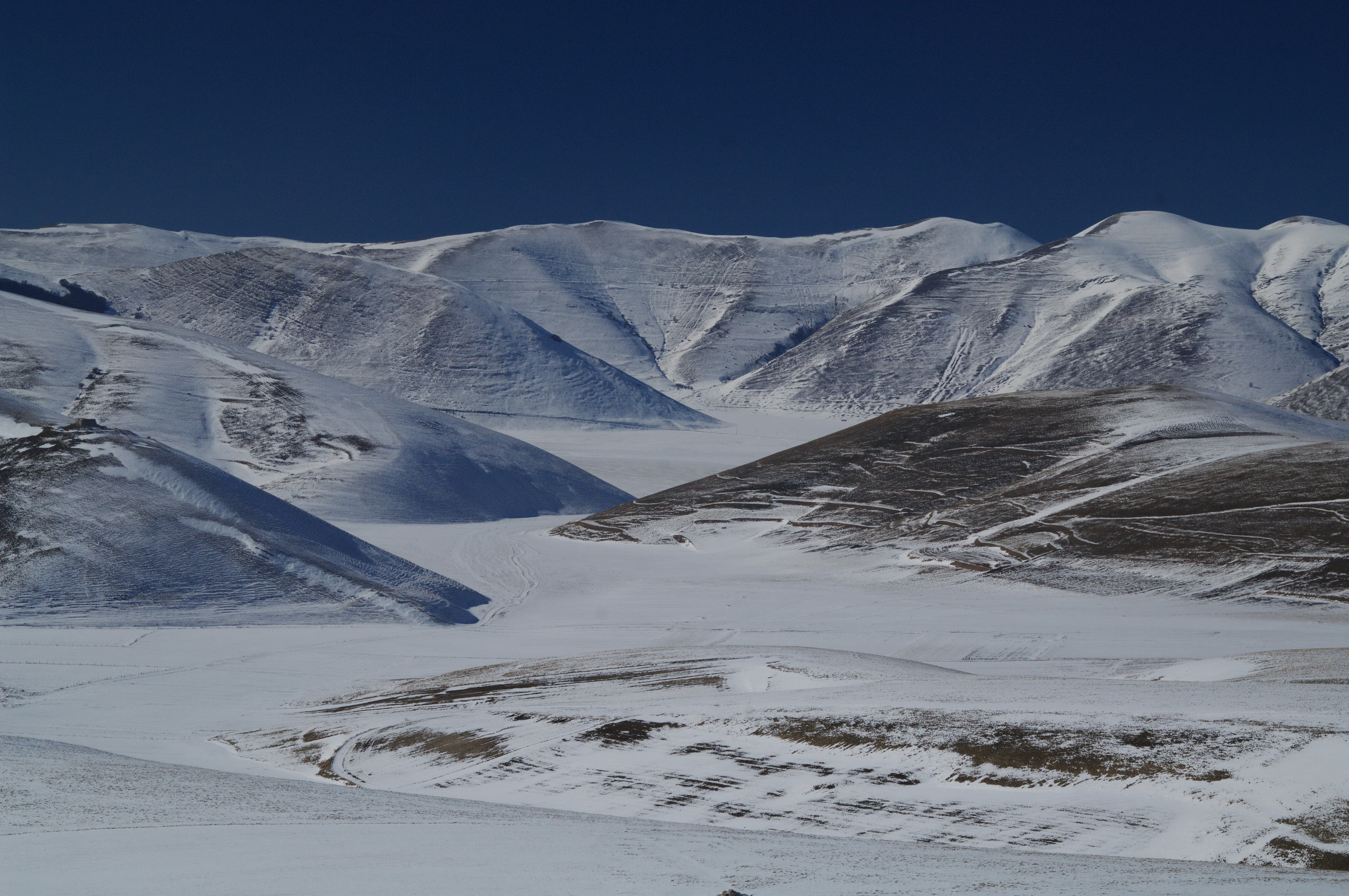
The creation of Monti Sibillini National Park in 1993 represented the culmination of growing recognition throughout the late twentieth century of the need to protect the central Apennine landscape. Prior to national park designation, the Monti Sibillini area had been subject to various regional protections, but the establishment of a national park provided the strongest available conservation framework for this mountain environment. The park's founding followed broader Italian national efforts to establish a comprehensive system of protected areas that would represent the full diversity of the country's natural landscapes. The governing body, Ente Parco Nazionale dei Monti Sibillini, was established to manage the protected area according to Italian national park legislation. The selection of 1993 as the year of establishment places the park within a period when Italian environmental policy was increasingly emphasizing the establishment of effective protected area networks. The park encompasses land that had long been used by local communities for pastoral activities, and the transition to national park status required careful consideration of how traditional land uses would be integrated with conservation objectives.

Monti Sibillini National Park landscape and geographic character

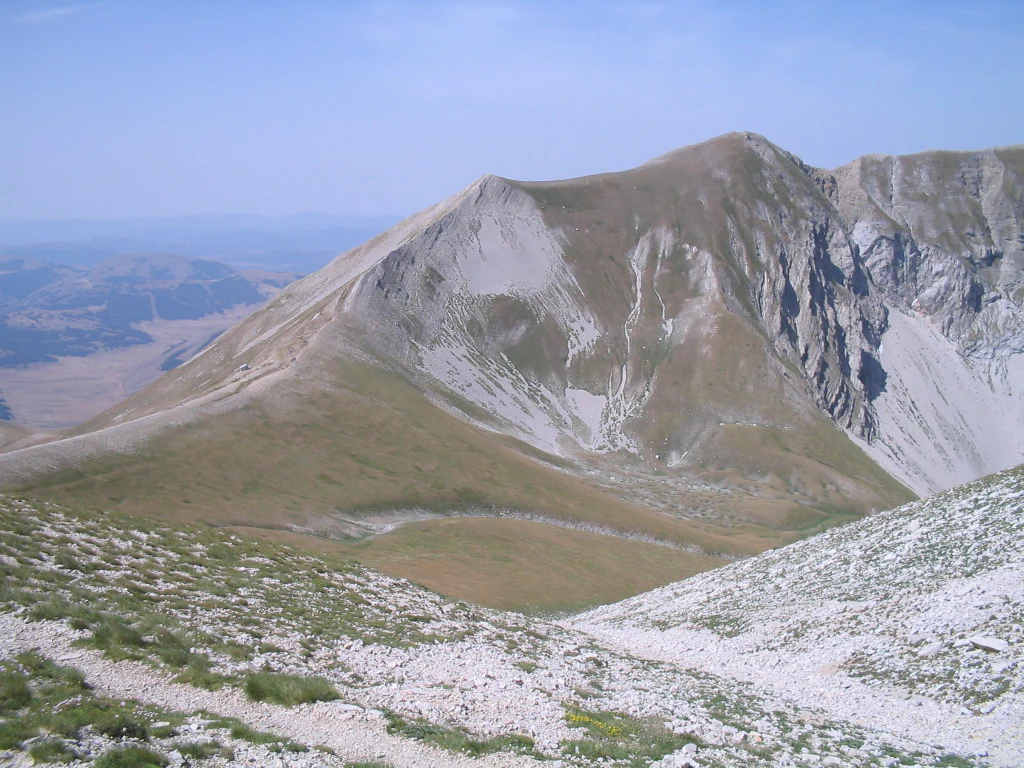
The landscape of Monti Sibillini National Park is defined by the distinctive topography of the Monti Sibillini range, a mountainous terrain that forms part of the central Apennine backbone of Italy. The park protects a landscape of considerable topographic variation, with elevation changes that create diverse environmental conditions across relatively short distances. Steep-sided valleys cut through the mountain mass, while higher areas feature more open terrain including alpine meadows and rocky ridgelines. The forest coverage across the park's lower and middle elevations represents a significant ecological element, with woodland extending across substantial portions of the protected area. The combination of elevation range, varied terrain, and the interaction of different aspect conditions creates a landscape of notable complexity and visual variety. This Apennine landscape differs from both the more northern Alpine environments and the lower Apennine terrain to the south, representing a distinct mountainous character specific to the central Italian mountains.
Monti Sibillini National Park ecosystems, habitats, and plant life

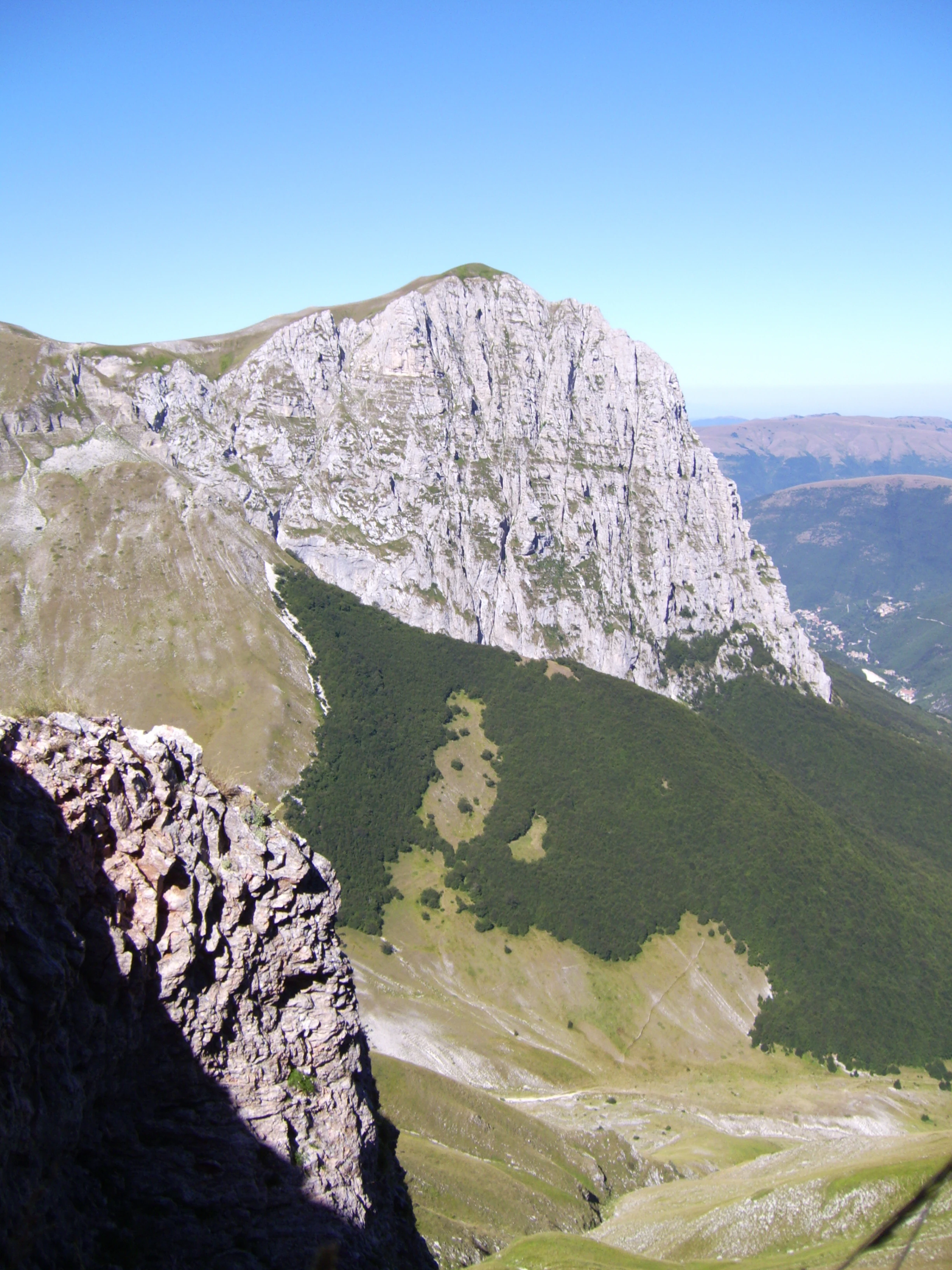
The ecological character of Monti Sibillini National Park reflects its position within the central Apennine biogeographic region, a zone of considerable biodiversity significance on the Italian peninsula. The park's elevation range supports a sequence of distinct habitats, from forested slopes at lower elevations through subalpine zones to alpine conditions on the highest terrain. The forest communities within the park represent Apennine woodland types, including species composition that reflects the central Apennine location and the specific environmental conditions of this mountain range. The park's protected status creates an important conservation refuge for species and communities associated with central Apennine environments, many of which have contracted elsewhere across their historic ranges. The combination of substantial area, varied topography, and the relative intactness of the landscape creates conditions favorable for ecological processes that operate at landscape scales, supporting the park's role as a core protected area within the broader Apennine ecosystem.
Monti Sibillini National Park conservation status and protection priorities

Monti Sibillini National Park serves as a critical conservation area for the central Apennine region, protecting a substantial and relatively intact mountain landscape within Italy's protected area network. The park's designation as an IUCN Category II protected area reflects its primary objective of preserving natural ecosystems while allowing for appropriate visitor use and enjoyment. The protection of this Apennine mountain landscape addresses conservation priorities for habitats and species associated with central Italian mountain environments, many of which have experienced significant range contraction across the broader Apennine region. The park's size, at nearly 700 square kilometers, provides the spatial extent necessary to support viable populations of species requiring large areas of suitable habitat. This conservation significance is enhanced by the park's position within a broader network of protected areas in the central Apennines, creating connectivity that supports ecological processes across larger geographic scales.

Monti Sibillini National Park cultural meaning and human context

The Monti Sibillini landscape has been shaped by centuries of human activity, particularly the pastoral traditions that have defined mountain communities across the Apennine regions of central Italy. The park's territory includes communities whose cultural identity is closely connected to the mountain environment, with traditional practices including transhumant grazing that has influenced both the landscape and the cultural heritage of the region. The name Sibillini itself derives from legendary associations with the figure of the Sibyl, a prophetess from classical and medieval tradition whose caves and domain were placed in these mountains by local folklore. This cultural dimension adds a layer of meaning to the landscape beyond its ecological values, connecting the protected area to the broader cultural heritage of the Marche and Umbria regions. The relationship between human communities and the mountain environment remains relevant to contemporary park management, which must balance conservation objectives with recognition of traditional uses and local community interests.
Top sights and standout views in Monti Sibillini National Park

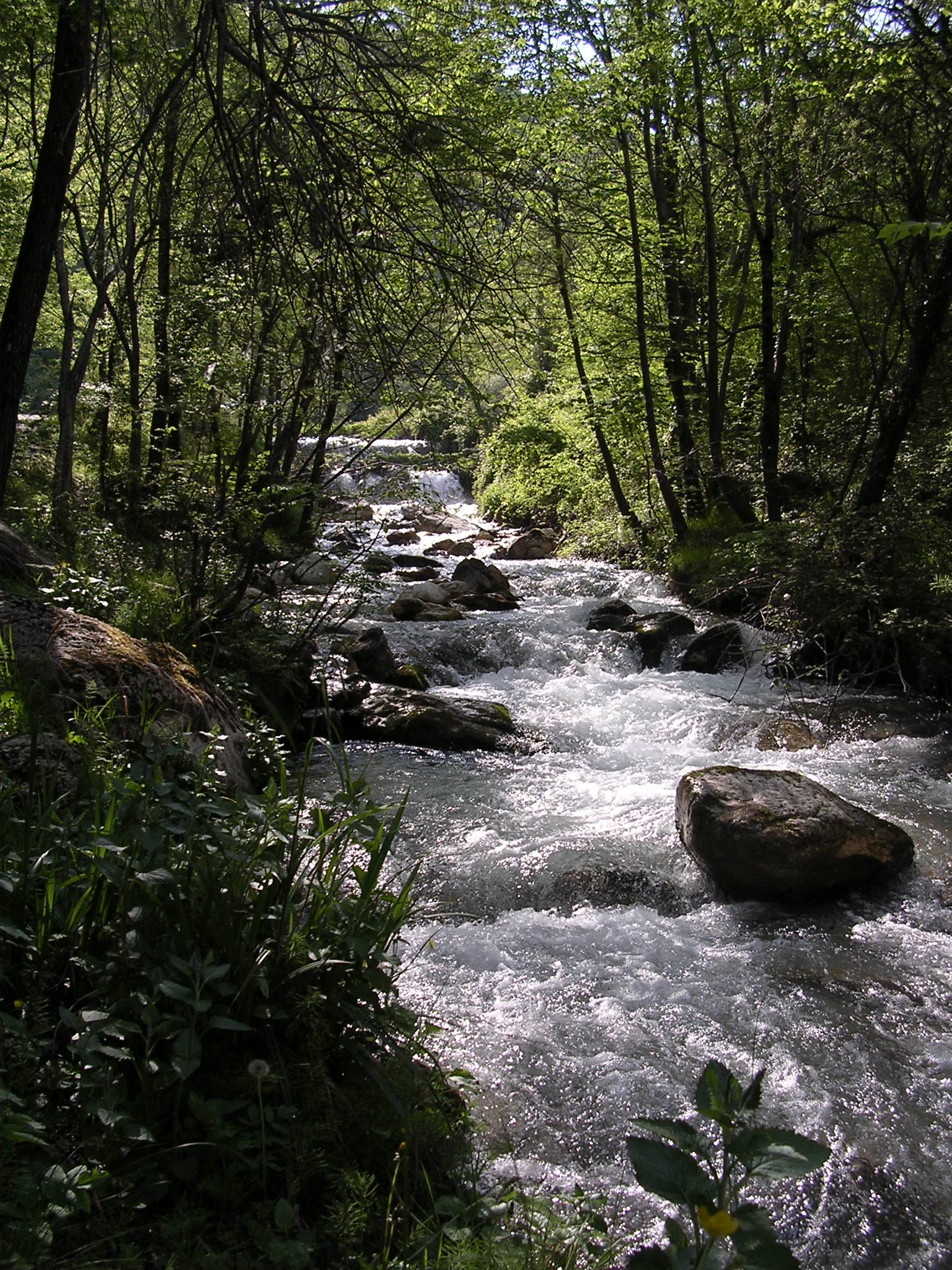
The park protects one of the most significant remaining tracts of Apennine mountain wilderness in central Italy, with its combination of dramatic peaks, extensive forests, and relatively limited development creating a landscape of high natural quality. The Monti Sibillini range provides the defining scenic character of the park, with its distinctive profiles visible across the surrounding lowlands of Marche and Umbria. The ecological significance of the protected area reflects the central Apennine location, supporting species and communities that are characteristic of this biogeographic region. The park's substantial size makes it an important core area within the broader network of protected areas across the central Apennines. The cultural heritage associated with the landscape, including both traditional pastoral practices and the legendary associations of the Sibyl, adds depth to the visitor experience and connects the protected area to the cultural history of the region.
Best time to visit Monti Sibillini National Park

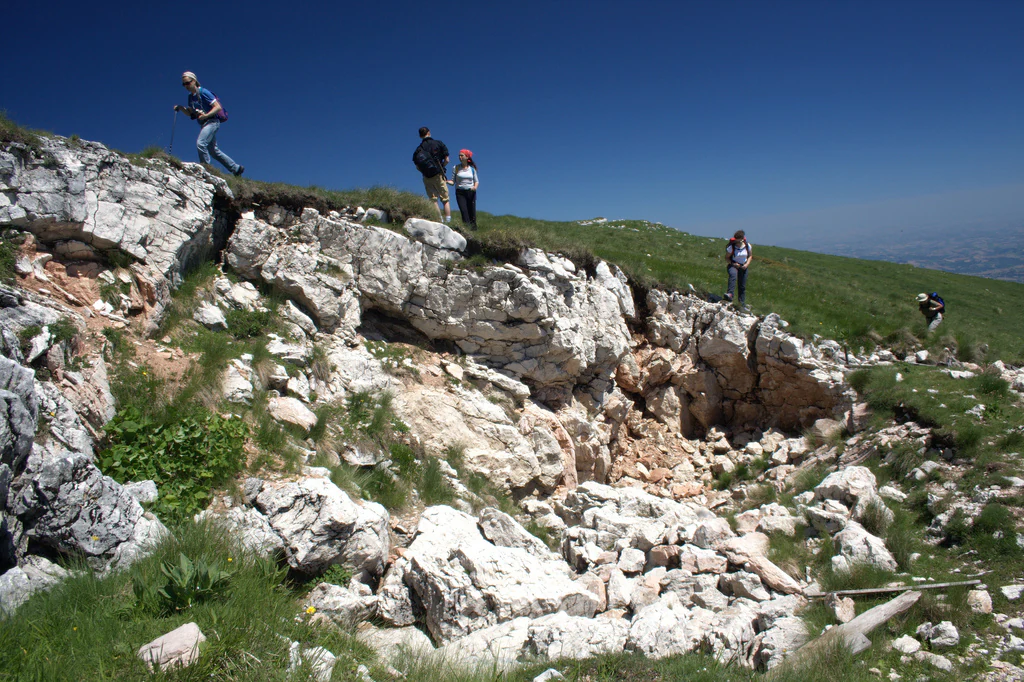
The Apennine mountain environment of Monti Sibillini National Park offers distinct seasonal characteristics that shape the visitor experience throughout the year. Summer months bring the most accessible conditions for exploring the park's higher terrain, with alpine meadows in full flower and conditions suitable for walking and mountain activities. Autumn brings the changing of forest colors across the wooded slopes, creating particularly scenic conditions as the season progresses. Winter transforms the park into an alpine environment with snow cover on higher terrain, offering opportunities for winter sports in appropriate areas. Spring conditions see the gradual emergence of new growth across the park's elevation range, with lower elevations becoming accessible as snow recedes. The timing of visits can be tailored to specific interests, whether seeking the wildflower displays of summer, the autumn colors of the forest, or the winter snow environment.
Park location guide

Geography guide, regional context, and park location map for Monti Sibillini National Park

Monti Sibillini National Park park geography, regions, and map view in Italy
Understand where Monti Sibillini National Park sits in Italy through a broader geographic reading of the surrounding landscape, nearby location context, and its mapped position within the national park landscape.

How Monti Sibillini National Park fits into Italy

Italy is a unitary parliamentary republic in Southern and Western Europe, located on the Italian Peninsula with the Alps to the north. It borders France, Switzerland, Austria, Slovenia, Vatican City, and San Marino, and shares maritime boundaries with several Mediterranean countries. The country has approximately 59 million residents and uses the Euro as its currency.

Wider geography shaping Monti Sibillini National Park in Italy

Italy occupies a boot-shaped peninsula in southern Europe, bordered by the Alps to the north. It shares land borders with France, Switzerland, Austria, Slovenia, Vatican City, and San Marino. The country includes the Mediterranean islands of Sicily and Sardinia, along with approximately 800 smaller islands.

Map view of Monti Sibillini National Park

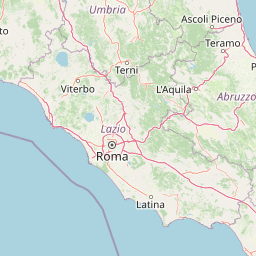
Use this park location map to pinpoint Monti Sibillini National Park in Italy, understand its exact geographic position, and read its mapped placement within the surrounding landscape more clearly.

Pigeon | © OpenStreetMap contributors

Location context for Monti Sibillini National Park

MarcheUmbria
Park atlas

Explore other central Italian Apennine mountain wilderness areas and adjacent protected landscapes for comparative geographic context.

Discover Nearby National Parks and Protected Areas Beyond Monti Sibillini National Park
Explore national parks and protected areas geographically linked to Monti Sibillini National Park, tracing other significant Apennine mountain environments. Gain broader regional context by comparing nearby conservation landscapes and understanding the wider spread of protected terrain within central Italy.
National park

Gran Sasso and Monti della Laga National Park: Italy's National Park Geographic Context

Mapped protected areas and regional natural landscape details.

Delve into the geography of Gran Sasso and Monti della Laga National Park, a prominent national park in Italy. This resource provides essential context for understanding its protected landscape, mapped boundaries, and integration within the regional geography. Ideal for users seeking detailed atlas-style information on protected areas and their natural terrain, it serves as a foundational point for exploring the park's unique geographic character and landscape significance.

Watercolor painting showing mountains, forests, and a body of water in a scenic landscape
National parkAbruzzo

Maiella National Park: Abruzzo's Protected Landscape and Regional Geography

Explore mapped park boundaries and natural terrain.

Delve into the protected landscape of Maiella National Park, situated within the Abruzzo region of southern Italy. This page offers detailed atlas-level insights into its mapped boundaries, allowing for a clear understanding of its geographic setting. Discover how this national park contributes to the regional natural terrain and protected area context, providing a foundation for structured geographic exploration.

Area
628.38 km²
Established
1991
IUCN
II
Relief
Mountain
National park

Abruzzo, Lazio and Molise National Park

Protected landscape in Italy's Apennines.

Explore the mapped boundaries and protected status of Abruzzo, Lazio and Molise National Park. This historic Italian national park offers a detailed look at Apennine mountain geography and landscape.

Established
1923
National parkForlì-Cesena Province

Foreste Casentinesi, Monte Falterona, Campigna National Park: A Mapped Protected Landscape in Italy

National Park within Forlì-Cesena Province, Emilia-Romagna

Foreste Casentinesi, Monte Falterona, Campigna National Park is an important protected natural area situated in Forlì-Cesena Province, northeastern Italy. As a designated national park, it serves as a key landmark for exploring mapped protected land boundaries and understanding its specific contribution to the regional geography. This page provides an atlas-centric view, highlighting the park's geographic context and its identity as a significant protected landscape for discovery and reference.

Area
368 km²
Established
1993
IUCN
II
Relief
Mountain
National parkŠibenik-Knin County

Kornati Islands National Park: Dense Mediterranean Archipelago and Protected Karst Landscape

Explore the mapped geography and unique protected island terrain.

Kornati Islands National Park, located in Šibenik-Knin County, Croatia, is distinguished as the Mediterranean's most densely packed archipelago. This national park protects a vast expanse of karst limestone islands, dramatic sea cliffs, and unique flat rock plateaus, alongside its significant marine environment. MoriAtlas provides detailed geographic context and mapped boundaries, enabling structured exploration of this exceptional protected landscape and its ecological significance within the Adriatic Sea.

Area
320 km²
Established
1980
Relief
Lowland
Climate
Mediterranean
Watercolor painting of coastal landscape with green islands, trees, and calm water under a soft sky
National park

Brijuni Islands National Park: Adriatic Protected Landscape and Historical Atlas

Mapped boundaries, regional geography, and ecological context.

Brijuni Islands National Park is a significant protected area comprising a Croatian archipelago in the northern Adriatic Sea. This national park showcases a unique Mediterranean landscape blending natural habitats with extensive archaeological sites, offering a rich context for atlas-based exploration. Understanding Brijuni Islands National Park contributes to a broader appreciation of regional geography and the mapped distribution of protected lands.

Area
7.5 km²
Established
1983
Relief
Lowland
Climate
Mediterranean
National parkTuscany

Arcipelago Toscano National Park: Protected Islands and Mediterranean Landscape Atlas

Explore Tuscany's unique archipelago geography and protected natural terrain.

Arcipelago Toscano National Park offers a unique perspective on Mediterranean island ecosystems through its comprehensive atlas and mapped landscape context. Covering seven main islands and surrounding marine areas off the coast of Tuscany, this park protects dramatic granite cliffs, endemic flora, and vital habitats for marine and avian life. Understand its geographic scope, protected boundaries, and the distinctive natural terrain that defines this significant Italian conservation landscape.

Area
746.63 km²
Established
1996
IUCN
II
Relief
Mixed relief
National park

Paklenica National Park: Croatia's Iconic Karst Canyon and UNESCO Beech Forests

Explore dramatic protected landscape and regional geography.

Paklenica National Park presents a spectacular protected area defined by its deep karst canyons, with Velika Paklenica and Mala Paklenica carving dramatic vertical walls into the Velebit mountain range. This national park is celebrated for its status as a leading European climbing destination and its ancient beech forests, part of a UNESCO World Heritage site. Exploring Paklenica offers insight into unique geological formations, extensive cave systems, and the rich biodiversity of this significant Croatian landscape.

Area
95 km²
Relief
Mountain
Climate
Mediterranean
Access
Moderate access

Common questions about visiting, size, designation, and location context for Monti Sibillini National Park

Monti Sibillini National Park FAQs for park facts, access, geography, and protected area context
Find quick answers about Monti Sibillini National Park, including protected-area facts, park geography, trail and visitor context, and how the park fits into its surrounding country and regional landscape.
MoriAtlas Explorer

Continue Your Protected Areas Search Across the Global Atlas

Deepen your exploration by continuing the structured search for national parks and protected areas worldwide. Utilize the comprehensive filtering capabilities to compare different conservation landscapes and refine your understanding of global park geography. Discover more about the distribution and characteristics of protected natural areas.

Global natural geography