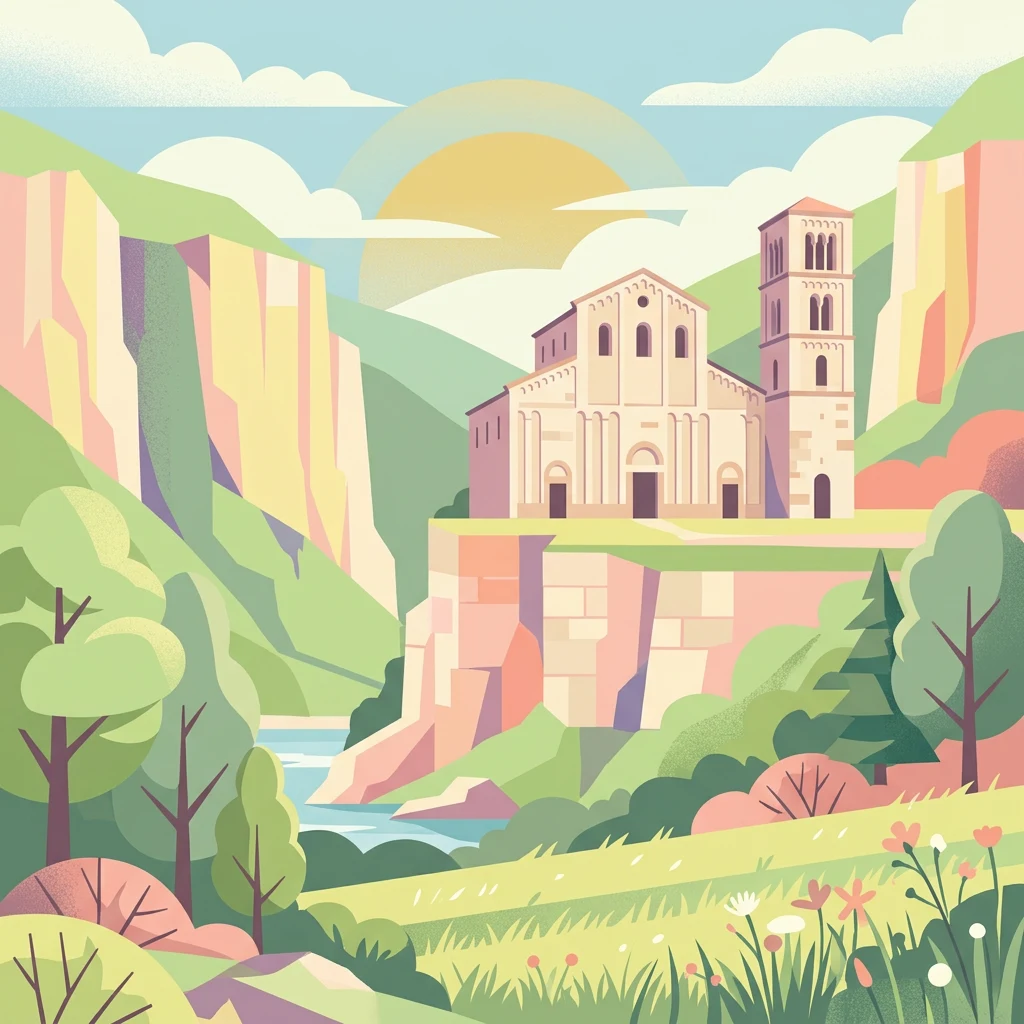

Why Maiella National Park stands out
Maiella National Park is best known for its significant populations of Apennine wildlife, particularly the Italian wolf, which appears on the park's official logo and maintains one of the highest population densities in Italy and globally. The park also protects critical habitat for the Marsican brown bear, a critically endangered subspecies with approximately 20 individuals present, representing one of the largest concentrations in central Italy. The Abruzzo chamois, successfully reintroduced in 1991 after decades of absence, thrives in the high slopes. The geological significance is equally notable, with the Maiella massif representing one of the few locations where a complete carbonate platform margin can be observed in outcrop, drawing international geoscientific research since the late 1990s.
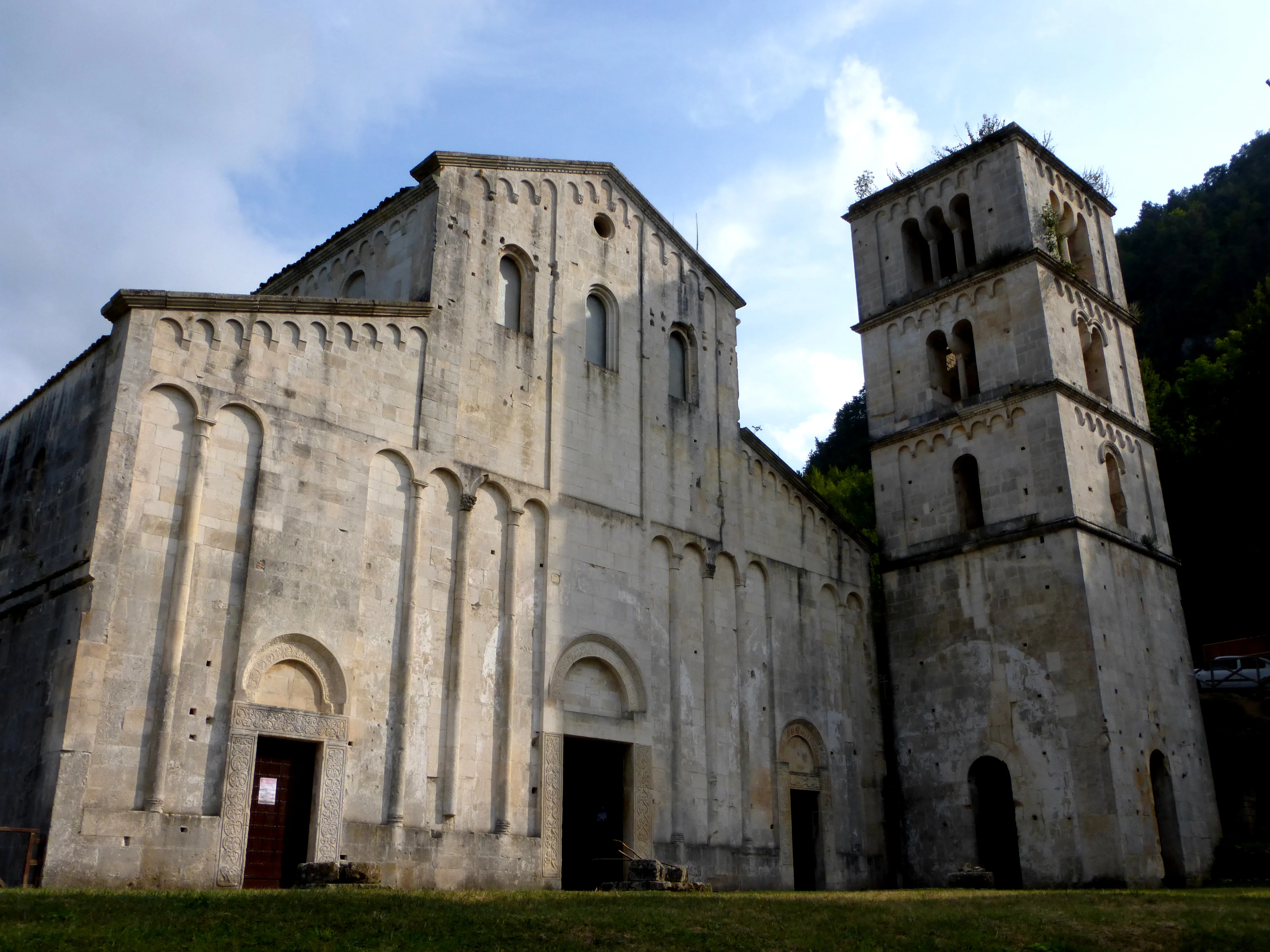
Maiella National Park history and protected-area timeline
Maiella National Park was formally established in 1991 following Italy's framework law on protected areas, which identified the Maiella among areas requiring protection. The managing body, Ente Parco Nazionale della Maiella, was officially constituted through a Presidential Decree on June 5, 1995, with its headquarters in Guardiagrele. The park incorporated seven previously established state nature reserves and absorbed several regional reserves in 1999, including Maiella Orientale, Bosco di Sant'Antonio, and Valle dell'Orta. Geological study of the Maiella mountains has been conducted for over a century and a half, with the area becoming the subject of the international TaskForceMajella research project from 1998 to 2005, focusing on the carbonate sedimentary sequences. Hydrocarbon extraction from natural seepages and shallow wells has occurred along the northern slopes for thousands of years. The park's cultural landscape includes numerous historic towns and villages that have shaped the region's identity across millennia.
Maiella National Park landscape and geographic character
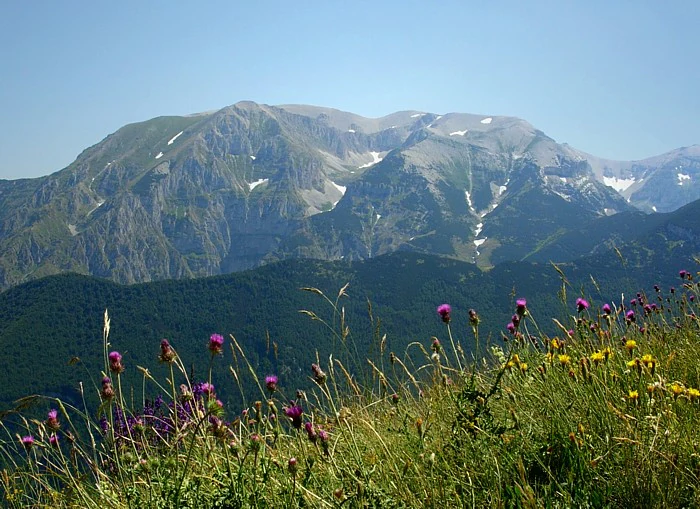
The Maiella massif forms the core of the park's dramatic landscape, characterized by imposing limestone and dolomite formations of Mesozoic and Cenozoic age. The range features vast, gently rolling summit plateaus created by the erosive action of extensive glaciers during the Ice Ages, with the Femmina Morta valley sitting above 2,500 meters. The eastern and northwestern slopes are carved by extremely long and steep valleys. The adjacent Morrone mountain range forms a compact, elongated ridge of calcareous and dolomitic rock that descends sharply toward the Sulmona plain through rugged rocky cliffs. The karst plateaus known as the Altipiani Maggiori d'Abruzzo, locally called the "quarti" (Barone, Grande, Molino, and Santa Chiara), lie at approximately 1,250 meters elevation and connect the southern Maiella to the Pizzi mountains. The Orta River basin separates the Maiella from the Morrone, with the valley forming a dramatic canyon between Bolognano and San Valentino in Abruzzo Citeriore.
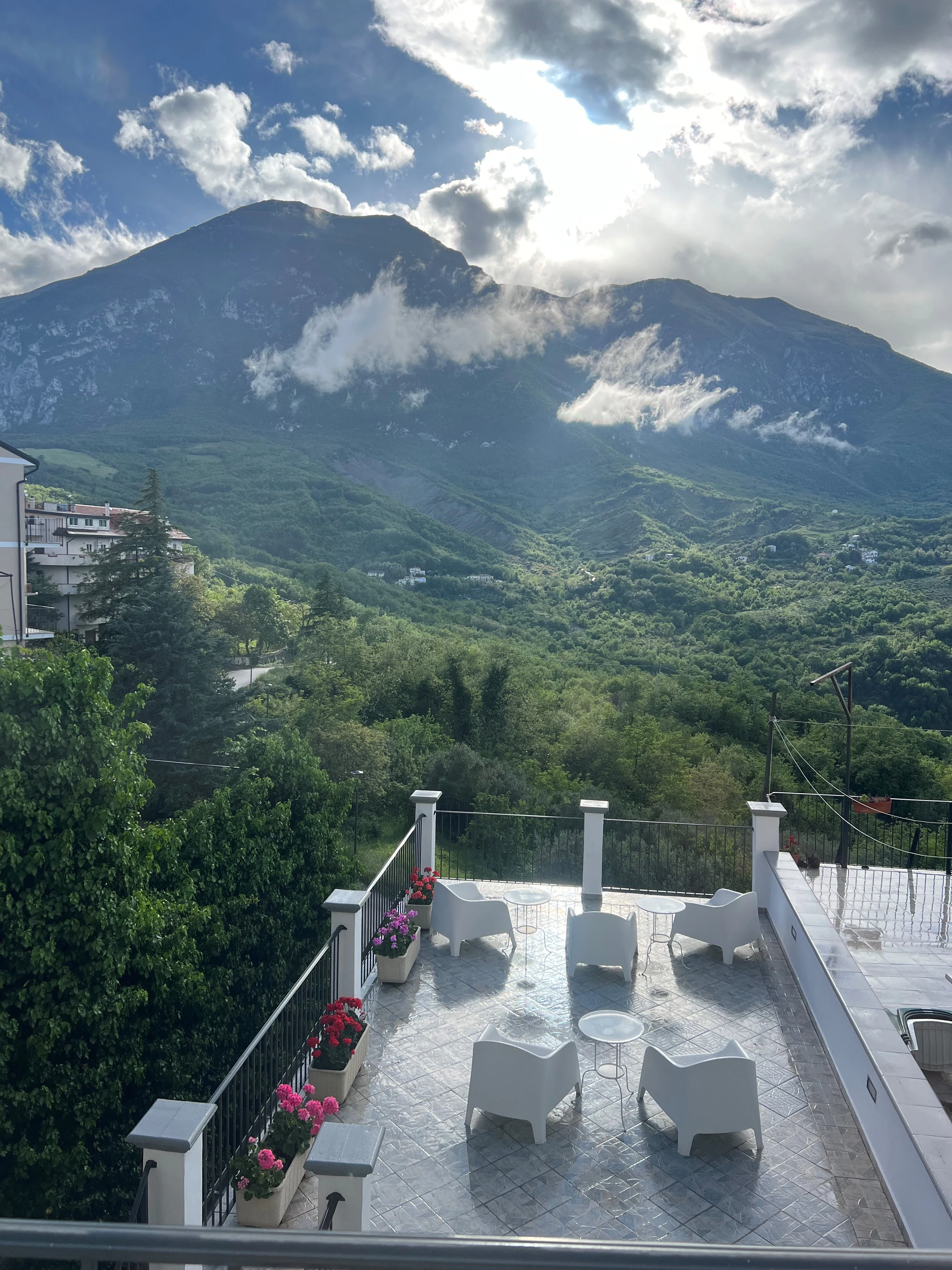
Maiella National Park ecosystems, habitats, and plant life
The botanical richness of Maiella National Park is extraordinary, with over 2,100 plant species recorded, representing approximately one-third of all Italian flora. The park's vegetation follows distinct altitudinal zones, with beech forests (Fagus sylvatica) dominating the mid-mountain slopes, either in pure stands or mixed with silver fir (Abies alba). Oak woodlands of pubescent oak (Quercus pubescens) and Turkey oak (Quercus cerris) occur at lower elevations, while hornbeam-ash formations (Ostrya carpinifolia and Fraxinus ornus) occupy specific habitats. At higher elevations, natural black pine formations and mountain pine (Pinus mugo) communities appear. Notable relict species from warmer-drier periods include yew (Taxus baccata), holly (Ilex aquifolium), and evergreen oak (Quercus ilex) on south-facing rocky walls. The park contains glacial relicts such as white birch (Betula pendula) in specific locations. Endemic species include the Maiella cornflower and the limestone soldanella.
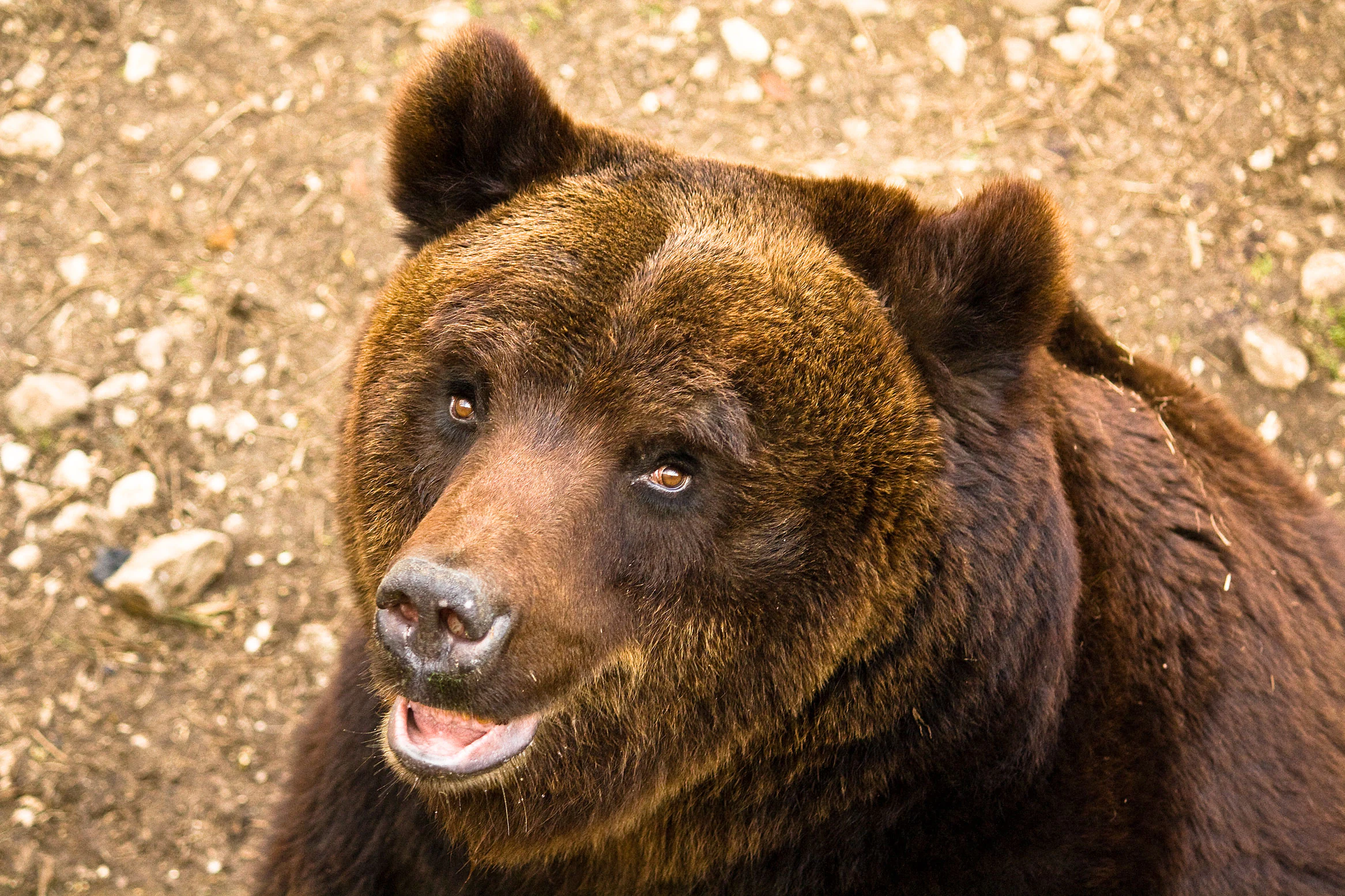
Maiella National Park wildlife and species highlights
Maiella National Park protects exceptional Apennine wildlife populations. The Italian wolf (Canis lupus italicus) represents the park's most emblematic species, with an estimated 100 individuals distributed across eleven packs, and GPS-collared monitoring on 17 individuals. The wolf population density is considered one of the highest in Italy and globally. The Marsican brown bear (Ursus arctos marsicanus) maintains a population of approximately 20 individuals in the park's beech forests, representing one of the largest concentrations in central Italy. The Abruzzo chamois (Rupicapra pyrenaica ornata) was successfully reintroduced in 1991 and now numbers over 1,500 individuals. Golden eagles (Aquila chrysaetos) nest in the park with six breeding pairs. Red deer and roe deer, extinct in the central Apennines after World War II, have been reintroduced and now number approximately 700-800 and unspecified numbers respectively. The park also hosts diverse birdlife including goshawk, buzzard, rock partridge, alpine chough, red-billed chough, peregrine falcon, and sparrow hawk, alongside mammals such as wild boar, Corsican hare, European pine marten, European wildcat, red fox, European badger, and the rare European otter.
Maiella National Park conservation status and protection priorities
Maiella National Park holds significant conservation importance for several reasons. Its designation as a UNESCO Global Geopark in 2021 recognizes the exceptional geological value of the carbonate platform margins and fossil assemblages. The park represents critical habitat for endangered Apennine species, particularly the Marsican brown bear and Italian wolf populations. The successful reintroduction of the Abruzzo chamois demonstrates effective conservation management, with the population now exceeding 1,500 individuals. The high density of wolves, comparable to Yellowstone National Park, indicates successful ecological balance. The park's relative inaccessibility and limited development have preserved extensive wilderness areas. The integration of seven state nature reserves and former regional reserves into the park's management framework provides comprehensive protection across diverse habitats. The geological research conducted through TaskForceMajella has contributed significantly to understanding carbonate sedimentary systems.
Maiella National Park cultural meaning and human context
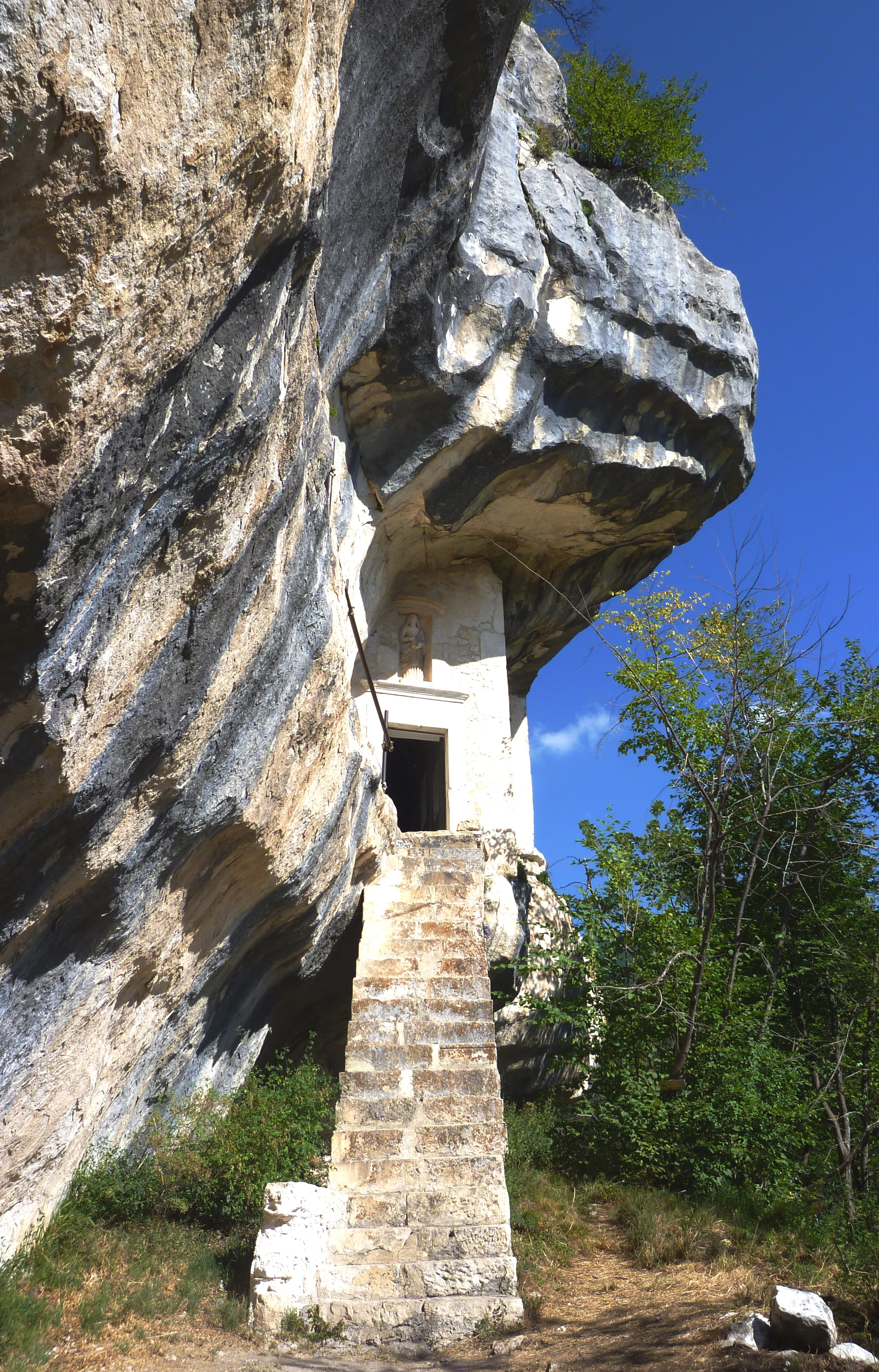
The Maiella region contains a rich tapestry of human history spanning millennia. The park encompasses numerous historic towns including Sulmona, known as the "city of Gothic" architecture and birthplace of Ovid, Guardiagrele of Lombard foundation, and Corfinio, which was Corfinium, the first capital of Italy during the Social War against Rome. The area features medieval borgo settlements, many recognized among the "Borghi più belli d'Italia." Religious heritage is abundant, with abbeys such as San Liberatore a Maiella (11th century), San Martino in Valley (documented since 829), and Santa Maria Arabona (1197). The park contains numerous eremi (hermitages) and cave churches, including those associated with the Celestinian tradition. Traditional crafts include goldsmithing, ceramics, stone carving, and textile production. The region produces notable food products including extra virgin olive oil, wine, pasta from Fara San Martino, confetti from Sulmona, and regional cheeses and cured meats.
Top sights and standout views in Maiella National Park
Maiella National Park offers exceptional hiking through approximately 500 kilometers of trails, with the dramatic limestone peaks and plateaus providing spectacular mountain scenery. The cave system of Grotta del Cavallone ranks among the deepest in Europe accessible to the public. Visitor centers at Lama dei Peligni, Fara San Martino, and Caramanico Terme provide natural history and archaeological exhibitions. The two botanical gardens showcase regional flora including endemic species. The wolf and bear viewing areas allow observation of these iconic Apennine mammals. The network of medieval towns surrounding the park provides cultural exploration opportunities. The geological significance, recognized through UNESCO Geopark status, offers unique scientific interest. The successful wildlife conservation programs, particularly for chamois and wolf populations, demonstrate tangible conservation outcomes.
Best time to visit Maiella National Park
The Maiella mountains offer distinct seasonal experiences. Summer provides the most reliable access to high-altitude trails and the summit plateaus, with warm temperatures in the valleys and cooler conditions above tree line. Autumn often brings clear conditions and the opportunity to observe wolves and other wildlife as they become more active in cooler weather. Winter transforms the landscape with snow cover, and the ski resorts at Passolanciano-Maielletta and other locations offer alpine sports, though some trails become inaccessible. Spring brings melting snow and flowing waterfalls but can also mean wet trail conditions. The shoulder seasons of late spring and early autumn typically offer the best combination of accessible trails, moderate temperatures, and wildlife viewing opportunities. The park's higher elevations experience significant snowfall in winter, making crampons and appropriate equipment necessary for winter mountaineering.