Why Cerro Castillo National Park stands out
Cerro Castillo National Park is best known for its spectacular mountain scenery centered on the towering granite peak of Cerro Castillo, which rises dramatically above surrounding valleys and forests. The park is critically important as a stronghold for the endangered South Andean deer (huemul), serving as a key component of the National Huemul Corridor initiative that connects protected areas across Patagonia. Its location along the Carretera Austral makes it accessible to travelers exploring Chile's southern frontier while maintaining the wild character that defines the region.
Cerro Castillo National Park history and protected-area timeline
The territory now protected within Cerro Castillo National Park was originally designated as a national reserve in 1970, establishing initial legal protections for the area's forests, mountains, and wildlife. For nearly five decades, the reserve functioned as a protected area while supporting sustainable use of natural resources. A significant transformation occurred in 2018 when the protected area was recategorized from national reserve to national park status as part of a landmark agreement between the Chilean government under President Michelle Bachelet and Tompkins Conservation, a prominent conservation organization. This elevation in protection status reflected both the ecological importance of the area and the successful model of public-private conservation collaboration that has emerged in Chilean Patagonia. The redesignation also aligned Cerro Castillo with the broader Route of Parks of Patagonia initiative, a network of protected areas extending through the Patagonian landscape.
Cerro Castillo National Park landscape and geographic character
The physical landscape of Cerro Castillo National Park is defined by the dramatic interplay of mountains, forests, and water systems that characterize southern Chilean Patagonia. Cerro Castillo itself rises as a massive granite mountain with steep faces and intricate ridgelines that capture the imagination of all who see it. The terrain ranges from valley floors where rivers have carved deep channels through glacial deposits to alpine zones where exposed rock and sparse vegetation reflect the harshness of the high-altitude environment. The park sits at a transition zone where the Andes reach their most spectacular development in this region, creating a landscape of profound topographical diversity. Glacial valleys, moraines, and outwash plains tell the story of past ice ages that shaped the terrain, while contemporary rivers continue to modify the landscape. The forest cover varies with elevation and aspect, with dense vegetation in lower valleys giving way to more open shrubland and grassland at higher elevations.
Cerro Castillo National Park ecosystems, habitats, and plant life
The ecological character of Cerro Castillo National Park reflects the intersection of temperate and subpolar environments that defines Patagonian biodiversity. The forests are dominated by southern beech species including lenga (Nothofagus pumilio) and ñirre (Nothofagus antarctica), which form extensive stands across the lower elevations. The evergreen coigüe de Magallanes adds diversity to the forest composition, particularly in more sheltered locations. These forests provide critical habitat for numerous species and form the visible green matrix that clothes the mountain slopes. The park's position at a significant latitude and elevation range creates ecological diversity, with different zones supporting distinct communities of plants and animals. The drainage patterns that split the park between the Aisén River basin in the north and the Ibáñez River basin in the south also reflect different climatic and ecological conditions that influence the distribution of species throughout the protected area.
Cerro Castillo National Park wildlife and species highlights
Cerro Castillo National Park supports a notable community of wildlife, with several species of conservation concern relying on this protected landscape. The South Andean deer, known locally as huemul, represents the park's most significant conservation priority as an endangered species that has lost much of its historical range. Guanacos still roam the open terrain and forests, maintaining the connection to wild camelid heritage of the region. Pumas patrol the landscape as apex predators, preying on deer and other available prey. Smaller mammals include the Molina's hog-nosed skunk and various canine species of the genus Lycalopex, which include the culpeo and other Patagonian foxes. The bird community features prominent species including the Andean condor, whose soaring presence above the mountain peaks represents one of the most iconic sights in the park. Black-chested buzzard-eagles hunt in the mountain environments, while smaller birds such as austral parakeets, thorn-tailed rayaditos, and Magellanic woodpeckers animate the forest layers. The ground-dwelling Magellanic tapaculo and chucao tapaculo add to the diversity of forest birdlife.
Cerro Castillo National Park conservation status and protection priorities
Cerro Castillo National Park plays a crucial role in regional conservation efforts, particularly in the protection of the endangered South Andean deer (huemul). The park forms a key component of the National Huemul Corridor, a collaborative initiative that establishes wildlife corridors connecting protected areas along the Route of Parks of Patagonia. This corridor approach recognizes that effective conservation requires landscape-scale connectivity rather than isolated protected islands. The partnership between Rewilding Chile, CONAF, and international conservation organizations has brought resources and expertise to bear on restoring huemul populations in their historic range. The elevation of the protected area from national reserve to national park in 2018 reflects the growing recognition that this landscape warrants the highest level of protection within Chile's protected area system. The park's inclusion in the Route of Parks of Patagonia connects it to a broader vision for conservation across the Patagonian region.
Cerro Castillo National Park cultural meaning and human context
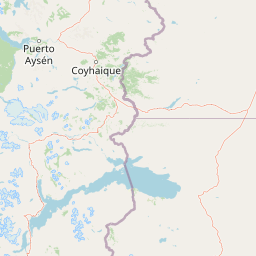
The Aysén Region where Cerro Castillo National Park is located has historically been one of the most sparsely populated areas of Chile, with indigenous peoples including the Tehuelche and other groups having maintained connections to these lands over millennia. The modern landscape bears evidence of more recent human activity including the construction of the Carretera Austral, which opened this remote region to greater access and development. The town of Balmaceda, identified as the nearest city, serves as a gateway community for visitors entering the park. The park's landscape has been shaped by natural processes far more than by human intervention, maintaining a relatively wild character that distinguishes it from more heavily modified landscapes elsewhere in Chile.
Top sights and standout views in Cerro Castillo National Park
The signature experience in Cerro Castillo National Park is the view of Cerro Castillo itself, a mountain of exceptional visual drama whose granite spires rise above the surrounding landscape. The park provides access to trails that approach the mountain from various angles, allowing visitors to appreciate its scale and beauty. The presence of huemul, Chile's national animal and an endangered species, offers wildlife viewing opportunities that draw conservation-minded visitors. The passage of the Carretera Austral through the park provides road-based access that makes this remote landscape reachable without extensive backcountry travel. The connection to broader conservation initiatives, particularly the National Huemul Corridor and the Route of Parks, positions the park as part of a significant continental-scale conservation effort.
Best time to visit Cerro Castillo National Park
The optimal visiting season for Cerro Castillo National Park runs from late spring through early autumn in the Southern Hemisphere, roughly November through March, when temperatures are milder and daylight hours are longest. Summer months offer the most stable weather for trail exploration and mountain viewing, though Patagonian weather can change rapidly in any season. Winter brings snow to higher elevations and more limited access, though the landscape takes on a different character that appeals to some visitors seeking solitude. The shoulder seasons of late spring and early autumn may offer the best combination of reasonable weather and fewer visitors, though visitors should be prepared for variable conditions at any time of year.