
Why Queulat National Park stands out
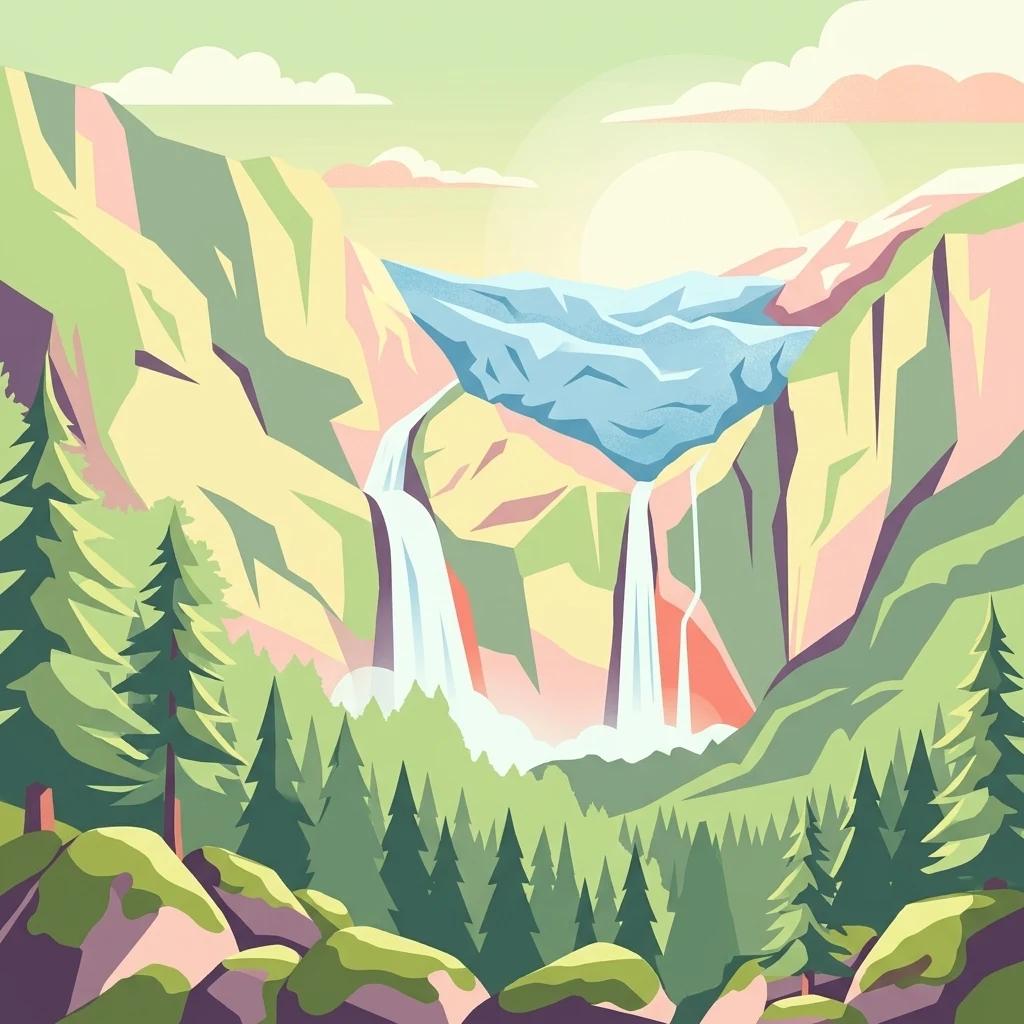
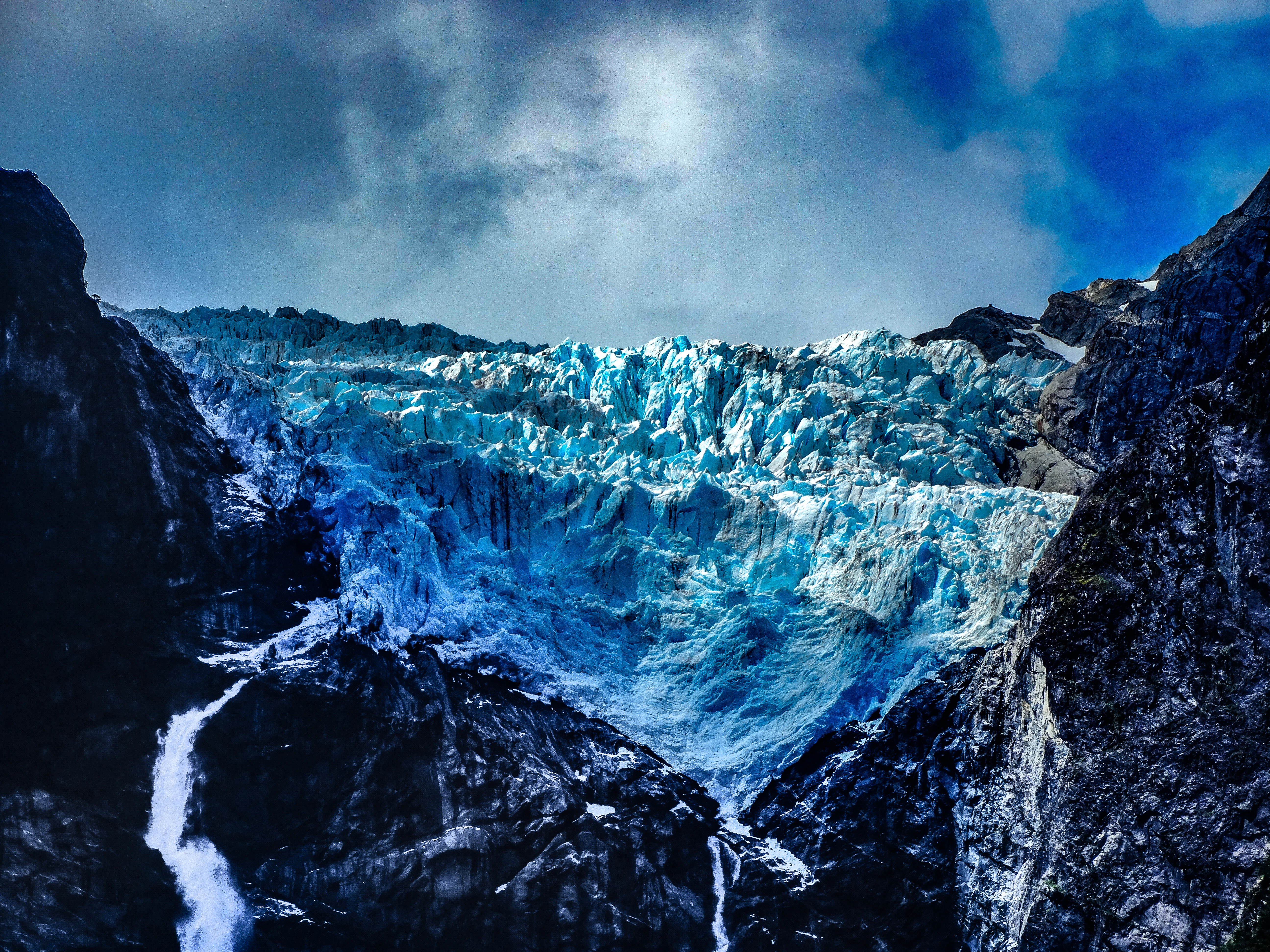
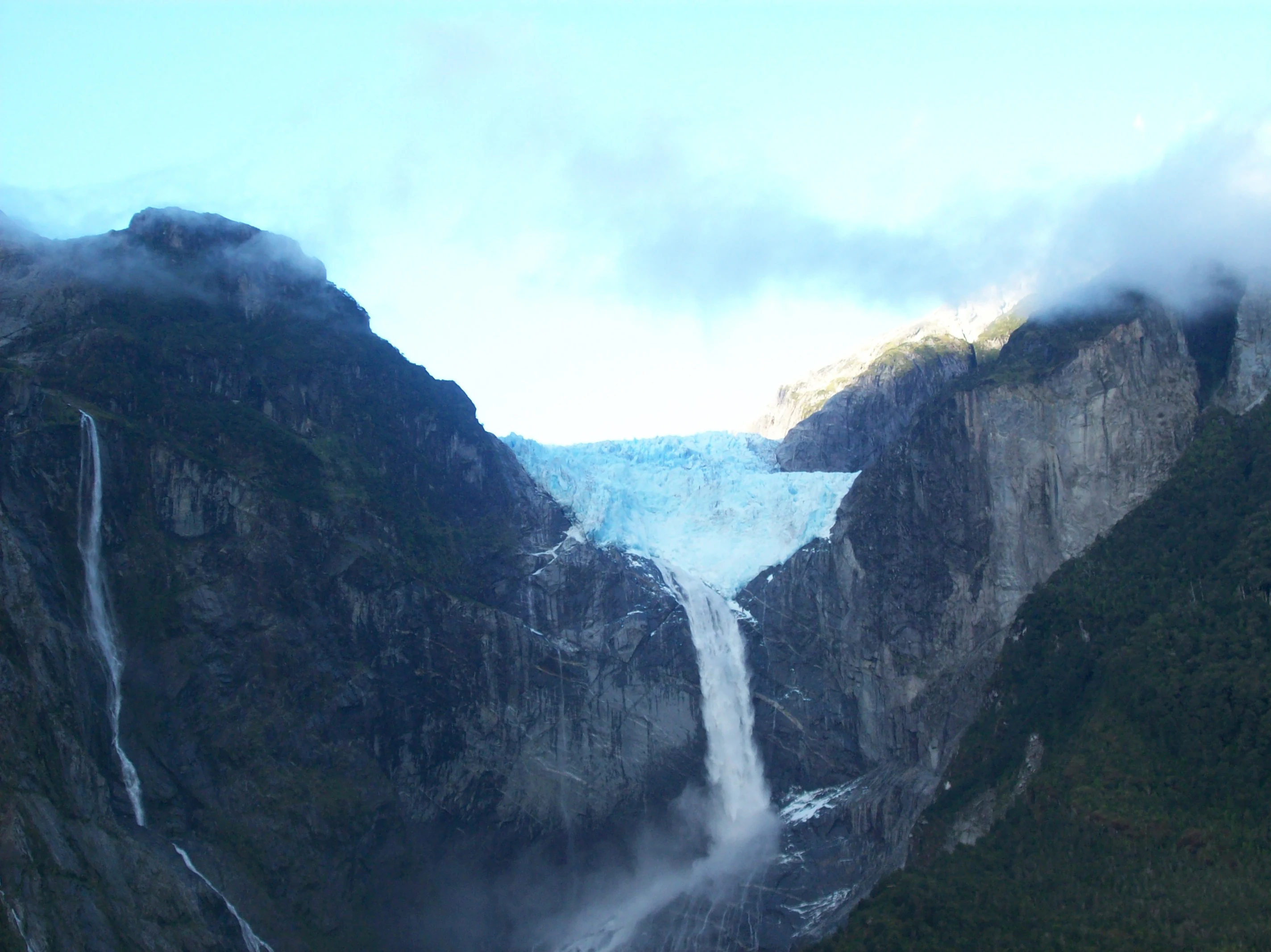
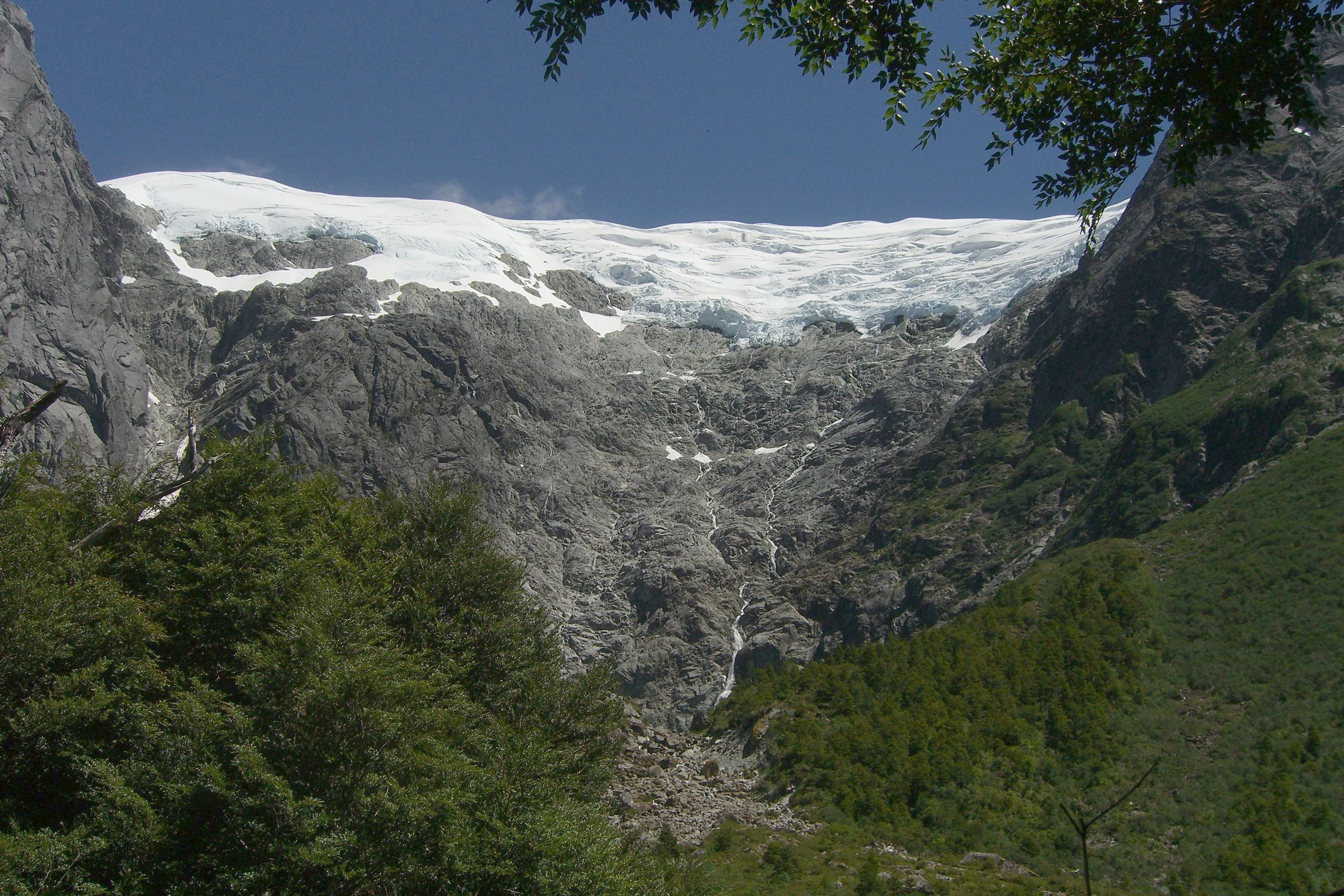
Queulat National Park is best known for its spectacular hanging glacier (Ventisquero Colgante), a massive ice mass that cascades from the mountain and feeds a dramatic waterfall dropping into the Témpanos River. The park's defining character comes from the contrast between steep glacier-capped peaks and the lush Valdivia-type temperate rainforests that cloak the lower slopes. The famous Cuesta Queulat stretch of the Carretera Austral provides visitors with stunning views of this vertical environmental transition, showcasing altitudinal vegetation zones from valley forests to alpine terrain.
Queulat National Park history and protected-area timeline
The region now protected by Queulat National Park has a long history of exploration dating back to 1766, when Jesuit Father José García Alsue ventured into the area searching for the legendary City of the Caesars. This early expedition marks the first documented European contact with the landscapes that would later become protected. The park was officially established in 1983, creating a protected framework for the extraordinary glacial and forest ecosystems of this Patagonian valley. In 1989, the Chilean government further strengthened protection by designating the park as a place of scientific interest for mining purposes through Supreme Decree N°133, adding subsurface protection to the surface conservation measures. The park is administered by the Corporación Nacional Forestal (CONAF), Chile's national forest service, which manages the protected area and facilitates visitor access while maintaining conservation objectives.
Queulat National Park landscape and geographic character
The physical landscape of Queulat National Park presents a textbook example of glacial alpine terrain. The park contains two distinct ice fields, the larger being the Queulat ice cap covering approximately 80 square kilometers at around 1,889 meters elevation, and a second ice field of about 40 square kilometers centered on an unnamed summit. Glaciers extending from these ice caps can reach lengths of up to 12 kilometers. The terrain is characterized by steep-walled valleys carved by ancient glaciers, with the Queulat Hanging Glacier serving as the park's most dramatic glacial feature where ice descends from high cliffs in a spectacular vertical curtain. The landscape includes the Puyuhuapi Channel's northernmost arm called Ventisquero Sound, which borders the main ice cap. Volcanic elements from the Puyuhuapi Volcanic Group add further topographical variation, particularly south of Lake Risopatrón. The park encompasses a complete vertical sequence from sea level at the sound and rivers to peaks exceeding 2,000 meters.
Queulat National Park ecosystems, habitats, and plant life
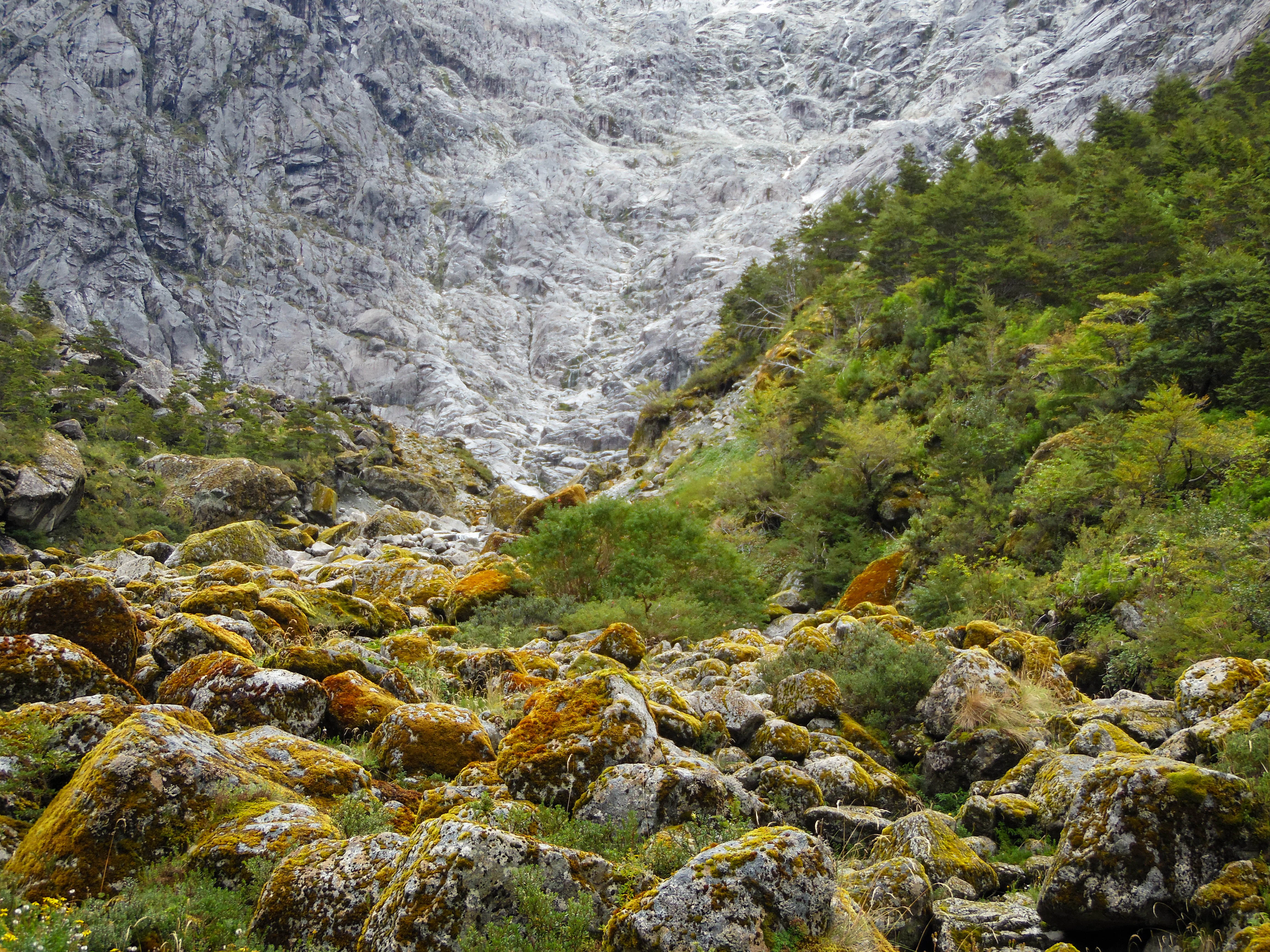
The ecological character of Queulat National Park is defined by the presence of the Chilean-side Valdivia temperate rain forests, one of the world's rarest forest types. These forests thrive in the extraordinary moisture regime, with some areas receiving up to 4,000 millimeters of annual precipitation. The forest composition varies with elevation: lower slopes feature coihue (Nothofagus dombeyi) and tepa (Laureliopsis philippiana) in a dense understory of tepú, quila bamboo, chilco, and the massive-leaved nalca. Higher elevations transition to cold-tolerant species including coigüe de Magallanes (Nothofagus betuloides) and lenga (Nothofagus pumilio), often draped in mosses and lichens. The Carretera Austral corridor provides a natural transect through these vegetation zones, allowing observation of the complete altitudinal sequence from valley-floor rainforests to subalpine forests.

Queulat National Park wildlife and species highlights
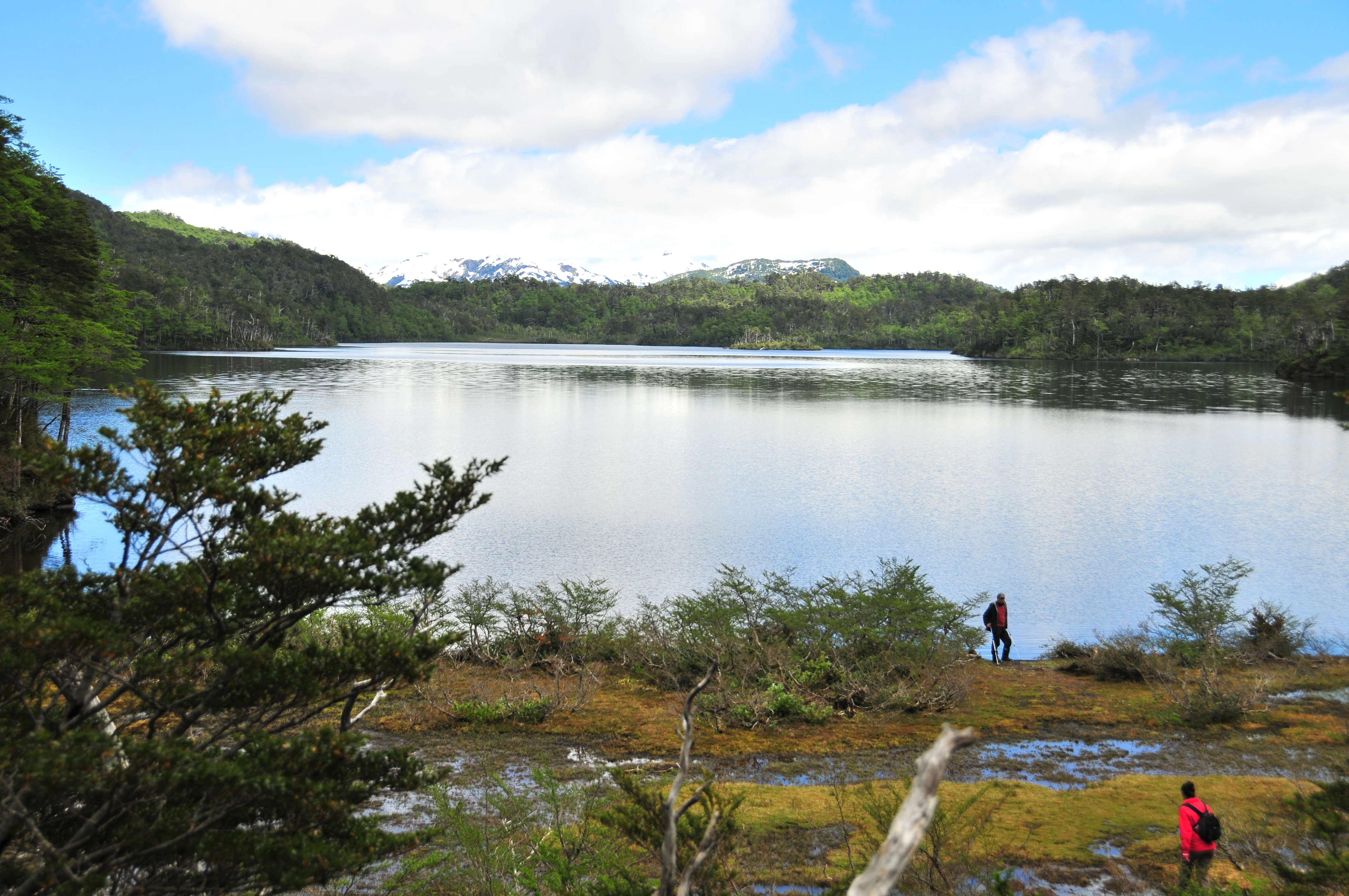
The wildlife population of Queulat National Park reflects the diversity of its habitats, from the Andean forests to the wetlands and waterways. In the southern mountain pass area, notable mammals include the pudú, one of South America's smallest deer species, and the kodkod (guigna), a small wild cat. The bird community is particularly rich, with species including chucao tapaculo, Chilean pigeon, Magellanic woodpecker, black-throated huet-huet, and thorn-tailed rayadito inhabiting the forest zones. The northern wetlands and lake areas support a different assemblage focused on aquatic species, including southern river otter and coypu. Waterfowl concentrations feature Magellan goose, Chiloe wigeon, yellow-billed pintail, red shoveler, flying steamer duck, rosy-billed pochard, and red-gartered coot. Herons including great egret, cocoi heron, and black-crowned night heron hunt along the shores, while torrent ducks inhabit the fast-flowing streams.
Queulat National Park conservation status and protection priorities
Queulat National Park protects some of the most intact temperate rainforest ecosystems in all of Patagonia, representing a conservation priority for Chile and the broader global environment. The park's designation as IUCN Category II reflects its management objective of protecting outstanding natural landscapes while allowing controlled visitor access. Beyond its surface protection, the park received additional legal recognition in 1989 through designation as a place of scientific interest for mining purposes, providing subsurface protection rare among Chilean protected areas. The park forms an important ecological corridor connecting with adjacent Lago Rosselot National Reserve, creating a larger contiguous protected zone that supports viable populations of forest-dependent species. The temperate rainforests here store significant carbon stocks and provide watershed protection for the Cisnes River basin.
Queulat National Park cultural meaning and human context
The name Queulat originates from the Chono language, an extinct language family formerly spoken by the indigenous Chono people of southern Chilean Patagonia. The original name Queolat translates to 'sound of waterfalls,' a reference to the park's abundant water features and the thundering voice of the hanging glacier's meltwater descending the cliffs. This linguistic heritage connects the protected landscape to the indigenous peoples who inhabited this region before European settlement. The park lies within territory traditionally associated with the Chono, who were historically nomadic marine hunters of the Patagonian channels and islands. The modern park administration by CONAF maintains the protected status that preserves both natural values and the cultural memory embedded in this landscape's toponymy.
Top sights and standout views in Queulat National Park
The Ventisquero Colgante (Queulat Hanging Glacier) stands as the park's most iconic feature, a massive glacier dangling from cliffs that feeds a dramatic waterfall dropping into the Témpanos River. The Cuesta Queulat section of the Carretera Austral offers one of the most spectacular driving experiences in all of Patagonia, with hairpin turns providing sweeping views of the glacier and forest landscape. TheEnchanted Forest (Bosque Encantado) trail at Portezuelo Queulat leads visitors through pristine old-growth rainforest. Other notable features include the Cascada del Padre García waterfall exceeding 30 meters in height, the rocky monolith of Piedra del Gato overlooking the Cisnes River, and the Laguna Témpanos with its distinctive green-hued waters.
Best time to visit Queulat National Park
The most favorable season for visiting Queulat National Park runs from late spring through early autumn, roughly November through March in the southern hemisphere, when weather conditions are most stable and daylight hours are longest. Summer months typically offer the best combination of manageable temperatures and reduced precipitation, though Patagonia's weather remains unpredictable and rain can occur in any season. The winter months (June through August) bring heavy snowfall to higher elevations and reduced access to many park areas, though the snow-covered glaciers present their own stark beauty. Visitors should note that much of the Carretera Austral remains unpaved (ripio), and road conditions can change rapidly with weather events, regardless of season.