Mori Atlas logo
National parkHuerquehue National Park

Explore the mapped boundaries and ancient araucaria forests of this national park.

Huerquehue National Park: Protected Landscape and Andean Geography in La Araucanía

Huerquehue National Park represents a significant protected area within the rugged Andean foothills of Chile's La Araucanía Region. This national park encompasses a distinctive landscape characterized by ancient araucaria forests, numerous clear glacial lakes, and mountainous terrain rising to 2,000 meters. Its identity as a protected landscape is deeply intertwined with the Valdivian temperate rainforest ecosystem, offering a unique window into southern Chile's natural geography and park boundaries for atlas-driven exploration.

Temperate RainforestAraucaria ForestsAndean FoothillsGlacial LakesMountain ParksSouthern Chile

Huerquehue National Park

National park

Park overview

Structured park overview, official facts, and landscape profile for Huerquehue National Park

Huerquehue National Park park facts, protected area profile, and essential visitor context
Review the core facts for Huerquehue National Park, including designation, size, terrain, visitor scale, habitats, and operating context in one park-focused overview.

About Huerquehue National Park

Huerquehue National Park protects a significant portion of the Andean-Patagonian forest ecosystem within Chile's La Araucanía Region. The park's location in the foothills of the Andes places it at the intersection of multiple ecological zones, creating a diverse landscape of mountainous terrain, dense forests, and freshwater bodies. The area east of Caburgua Lake features dramatic topography with elevation gains of nearly 1,300 meters, supporting distinct ecological communities from lower-elevation deciduous forests to higher-altitude mixed forests. The park's 20 documented water bodies, including lakes such as Tinquilco, Verde, and numerous smaller lagoons, contribute to its ecological significance and visual appeal. These aquatic features belong to the Toltén River hydrographic basin, with the Renahue Blanco and Quinchol rivers serving as the primary water courses.

Quick facts and research context for Huerquehue National Park

Huerquehue National Park spans 125 square kilometers in the La Araucanía Region of southern Chile, located approximately 145 kilometers southeast of Temuco and 33 kilometers east of Pucón. The park was officially established on June 9, 1967, though its protected origins trace back to 1912 when the area was part of a much larger Benjamín Vicuña Mackenna Park. The name derives from Mapudungun, the language of the local Mapuche people, meaning 'the messenger's place.' The park features an elevation range from 720 to 2,000 meters and experiences a temperate climate with annual rainfall of approximately 2,045 millimeters.

Park context

Deeper park guide and search-rich context for Huerquehue National Park

Huerquehue National Park history, landscape, wildlife, and travel context
Explore Huerquehue National Park through its history, landscape character, ecosystems, wildlife, conservation priorities, cultural context, and seasonal travel timing in a structured park guide built for atlas discovery and search intent.

Why Huerquehue National Park stands out

Huerquehue National Park is best known for its ancient araucaria forests, featuring the iconic monkey puzzle tree (Araucaria araucana), a species currently classified as vulnerable. The park's landscape is distinguished by numerous clear lakes and lagoons, with Tinquilco Lake being among the most prominent. The combination of these ancient conifer forests with the park's glacial lakes creates a distinctive visual identity that sets it apart within Chile's national park system. The area represents one of the finest examples of Andean-Patagonian forest in the Araucanía Mountain range.

Huerquehue National Park history and protected-area timeline

The national park was officially created on June 9, 1967, with the primary purpose of protecting the area's unique forest ecosystems and landscapes. However, the protected status of this territory traces back much further, to 1912 when the Chilean government established the Benjamín Vicuña Mackenna Park, also known as Colico, which originally encompassed an extensive 265,000 hectares. Over time, this larger protected area was subdivided into the various parks and reserves that exist today, with Huerquehue National Park representing a significant remnant of the original protection effort. The park is administered by the Corporación Nacional Forestal (CONAF), Chile's national forest corporation, which manages the protected area's conservation and visitor services.

Huerquehue National Park landscape and geographic character

The park's landscape is characterized by mountainous terrain with steep slopes and deep valleys carved by glacial activity, typical of the Andean foothills in southern Chile. The terrain rises from around 720 meters near the lower lakes to approximately 2,000 meters at the higher elevations, creating diverse microclimates and habitat zones. The landscape features numerous glacial lakes and lagoons scattered throughout the forest, with the most significant being Tinquilco Lake in the lower portion of the park. Smaller bodies of water, including ponds named Los Patos, Huerquehue, Escondida, Seca, Clara, Las Avutardas, Angelina, and Los Cóndores, add to the aquatic character of the area. The ancient araucaria trees dominate the forest canopy, creating a distinctive visual environment with their unusual symmetrical branching patterns and stiff, evergreen leaves.

Huerquehue National Park ecosystems, habitats, and plant life

Huerquehue National Park lies within the Valdivia temperate rainforest ecoregion, specifically within the Andean-Patagonian forest sub-region known as the Araucanía Mountain range. The forest ecosystem here is classified as Andean deciduous forest, with two distinct sub-communities: High-Andean deciduous forests dominated by araucaria, and mixed Andean deciduous forests at lower elevations. The araucaria (Araucaria araucana) represents the most notable botanical feature, an ancient conifer species considered vulnerable due to past logging and habitat fragmentation. The park also contains significant biodiversity in its aquatic environments, with 20 documented water bodies supporting various wetland ecosystems.

Huerquehue National Park wildlife and species highlights

The park protects several notable mammal species, including the kodkod (Leopardus guigna), Chile's smallest wild cat and an endangered species, and the pudú (Pudú puda), recognized as the world's smallest deer and classified as vulnerable. The culpeo or Andean fox (Lycalopex culpaea) roams the park's forests, while the long-clawed mole mouse (Geoxus valdivianus) represents a rare small mammal. The avian community includes the endangered peregrine falcon, vulnerable species such as the Chilean pigeon and Magellanic woodpecker, and the impressive Andean condor. Wetland areas support black-necked swans, and the forests are home to the slender-billed parakeet. The park also protects Darwin's frog, a vulnerable amphibian species known for its unusual breeding behavior.

Huerquehue National Park conservation status and protection priorities

Huerquehue National Park plays a critical role in protecting the remaining stands of ancient araucaria forest in Chile, a species that has been significantly reduced by historical logging and land conversion. The park's inclusion in Chile's national park system provides legal protection for endangered species including the kodkod and pudú, as well as vulnerable bird species. The protected area serves as a buffer against habitat fragmentation in the Andean foothills, connecting with adjacent reserves to form a larger conservation landscape. The park's management by CONAF focuses on maintaining the integrity of the temperate rainforest ecosystem while providing controlled recreational access.

Huerquehue National Park cultural meaning and human context

The park's name derives from Mapudungun, the language of the Mapuche people who have inhabited the La Araucanía Region for centuries. The name 'Huerquehue' translates to 'the messenger's place,' reflecting the historical significance of this territory within Mapuche culture. The broader region maintains strong connections to Mapuche heritage, and the park sits within traditional Mapuche lands. Understanding this cultural context adds depth to the park's identity, connecting the natural landscape to the human history of the region.

Top sights and standout views in Huerquehue National Park

The ancient araucaria forests of Huerquehue National Park represent one of the most distinctive and photographed landscapes in Chile's southern park system. The Three Lakes Hiking Trail offers visitors the opportunity to experience the park's forest and lake environments, while the clear waters of Tinquilco Lake provide a striking focal point for the landscape. The diversity of wildlife, from the endangered kodkod to the vulnerable pudú and the iconic Andean condor, adds ecological significance to the park's visual beauty. The elevation range from 720 to 2,000 meters creates diverse habitats within a relatively compact area, allowing visitors to experience multiple forest types during a single visit.

Best time to visit Huerquehue National Park

The park can be visited year-round, though the experience varies significantly between seasons. Summer months offer warmer temperatures and easier access to higher-elevation trails, making this the most popular time for hiking and camping. The winter months bring cold temperatures and icy conditions at higher elevations due to the park's altitude. The wettest period occurs from May through September, with annual rainfall reaching approximately 2,045 millimeters, creating lush forest conditions but potentially challenging trail conditions. The best general visiting window falls during the Chilean summer (December to March) when trails are most accessible and the araucaria forests are at their most visually striking against clear skies.

Park location guide

Geography guide, regional context, and park location map for Huerquehue National Park

Huerquehue National Park park geography, regions, and map view in Chile
Understand where Huerquehue National Park sits in Chile through a broader geographic reading of the surrounding landscape, nearby location context, and its mapped position within the national park landscape.

How Huerquehue National Park fits into Chile

Chile is a presidential republic in western South America, extending as a narrow strip along the western edge of the continent between the Andes Mountains and the Pacific Ocean. It is the southernmost country in the world and the closest to Antarctica. The country is bordered by Peru, Bolivia, and Argentina, and administers several Pacific islands including Easter Island. Chile is a major copper producer and has a population of approximately 19.6 million.

Wider geography shaping Huerquehue National Park in Chile

Chile occupies a narrow strip of land along the western edge of South America, extending approximately 4,300 km north to south but only about 350 km east to west at its widest point. The country is sandwiched between the Andes Mountains to the east and the Pacific Ocean to the west. It shares borders with Peru to the north, Bolivia to the northeast, and Argentina to the east. Southern Chile borders the Drake Passage. Chile also administers several Pacific islands including Juan Fernández Islands, Isla Salas y Gómez, Desventuradas Islands, and Easter Island, plus the Chilean Antarctic Territory.

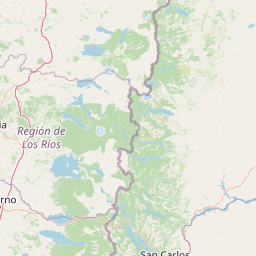
Map view of Huerquehue National Park

Use this park location map to pinpoint Huerquehue National Park in Chile, understand its exact geographic position, and read its mapped placement within the surrounding landscape more clearly.

Pigeon | © OpenStreetMap contributors

Location context for Huerquehue National Park

La Araucanía Region
Park atlas

Explore mapped geography and connected protected areas across Chile's La Araucanía Region and surrounding Andean foothills.

Discover Other National Parks and Protected Areas Near Huerquehue National Park, Chile
Browse other national parks and protected areas in the region surrounding Huerquehue National Park, showcasing similar Andean foothills, ancient araucaria forests, and glacial lake environments of southern Chile. Compare the geographic spread of these protected landscapes, trace shared ecosystems, and understand their conservation significance for deeper atlas-style park discovery.
National parkNeuquén Province

Lanín National Park: Volcanic Landscapes and Ancient Forests in Neuquén Province

Explore the protected area's mapped terrain and glacial lakes.

Lanín National Park offers a deep dive into the dramatic geography of Argentine Patagonia, centered around the prominent Lanín volcano. This national park preserves ancient araucaria forests, diverse ecosystems, and breathtaking glacial lakes like Huechulafquen and Lácar. Its extensive protected landscape provides critical habitat and opportunities to explore unique Andean terrain through map-driven discovery.

Area
3,790 km²
Established
1937
IUCN
II
National parkLos Lagos Region

Puyehue National Park: Mapped Boundaries and Volcanic Landscape in Los Lagos Region

Explore Chile's dramatic Andean protected area.

Puyehue National Park is a key protected area in the Los Lagos Region of Chile, recognized for its distinctive volcanic landscapes and geothermal features. This detail page offers an atlas-centric view, highlighting the park's mapped boundaries, the terrain shaped by volcanoes like Puyehue, and its ancient temperate rainforest ecosystems. Understand its geographic context within the Andes and its significance as a protected national park.

Area
1,070 km²
Established
1941
IUCN
II
Visitors
133K annual
National parkNeuquén Province

Los Arrayanes National Park: Neuquén Province's Protected Arrayán Forest Atlas

Explore the ancient arrayán forest and mapped terrain.

Los Arrayanes National Park, nestled in Neuquén Province, is celebrated for its exceptional arrayán forest, one of the world's most concentrated stands of Luma apiculata. This protected area showcases a unique landscape where ancient, gnarled trees with striking cinnamon bark thrive on the Quetrihué Peninsula, overlooking Nahuel Huapi Lake. Its protected status ensures the preservation of this botanical marvel, offering a distinct geographical and ecological profile within the Patagonian region.

Area
17.53 km²
Established
1971
IUCN
II
National parkLa Araucanía Region

Nahuelbuta National Park: Ancient Araucaria Forests and Protected Highland Geography

Discover its mapped boundaries atop the Cordillera de Nahuelbuta.

Nahuelbuta National Park is a significant national park in Chile's La Araucanía Region, celebrated for its ancient monkey puzzle tree forests atop the Cordillera de Nahuelbuta. This protected area showcases a unique highland landscape with rugged terrain and exposed rocky outcrops, preserving species more typical of Andean and Patagonian environments. Understanding its mapped geography and protected landscape identity is key to appreciating its ecological importance and distinct position within South America's natural atlas.

Area
68 km²
Established
1939
IUCN
II
National parkLos Ríos Region

Alerce Costero National Park: Explore Protected Landscapes and Ancient Forests in Los Ríos Region

Discover mapped terrain and unique Valdivian ecosystem geography.

Alerce Costero National Park stands as a significant protected landscape in Chile's Los Ríos Region, celebrated for its ancient Fitzroya trees and as a sanctuary for the Valdivian temperate rainforest. The park's protected boundaries encompass rugged terrain within the Cordillera Pelada, offering insights into unique watershed geography and the resilience of an ancient forest ecosystem. Its diverse landscape, a mosaic of old-growth woods and natural clearings, provides essential habitat and a remarkable geographic context for atlas exploration.

Area
139.75 km²
Established
2010
IUCN
III
National parkArgentina

Los Alerces National Park: Ancient Alerce Forests and Glacial Terrain in Argentina

Discover the park's protected landscape and regional geography.

Los Alerces National Park in Argentina is a globally significant protected area, celebrated for its ancient alerce forests, some of the longest-living trees on Earth. This national park showcases a dramatic landscape shaped by glaciers, featuring a series of interconnected lakes and rugged Andean terrain. Explore the unique ecosystem and mapped geography of this UNESCO World Heritage site to understand its profound natural and conservation value.

Area
2,599 km²
Established
1937
IUCN
II
National parkAysén del General Carlos Ibáñez del Campo Region

Queulat National Park: Patagonian Andes Glacier and Rainforest Discovery

Mapped protected area in Aysén del General Carlos Ibáñez del Campo Region.

Queulat National Park is a vast protected wilderness in southern Chile, renowned for its dramatic glacial alpine terrain and lush temperate rainforests. The park's geography is defined by steep glacial valleys, ice fields, and the iconic Queulat Hanging Glacier cascading from sheer cliffs. Discover the mapped boundaries of this significant Patagonian national park, offering unparalleled insight into its unique ecosystems and dramatic landscapes shaped by ice and forest.

Area
1,541 km²
Established
1983
IUCN
II
Relief
Mountain
National parkRío Negro Province

Islote Lobos National Park: Coastal Archipelago National Park in Río Negro Province

Mapping the dynamic intertidal zones and unique Patagonian marine geography.

Islote Lobos National Park is a notable national park on the Atlantic coast of Río Negro Province, Argentina. This protected area preserves a distinctive landscape of six rocky promontories emerging from San Matías Gulf, creating unique island ecosystems. The park's coastal and marine environments, characterized by significant tidal fluctuations and important habitats for marine fauna, are vital to the Patagonian natural heritage. Its mapped geography offers critical insights into regional conservation efforts.

Area
19.079 km²
Established
2020
IUCN
II

Common questions about visiting, size, designation, and location context for Huerquehue National Park

Huerquehue National Park FAQs for park facts, access, geography, and protected area context
Find quick answers about Huerquehue National Park, including protected-area facts, park geography, trail and visitor context, and how the park fits into its surrounding country and regional landscape.
MoriAtlas Explorer

Continue Your Protected Areas Search Across the Global Atlas

Deepen your exploration by continuing the structured search for national parks and protected areas worldwide. Utilize the comprehensive filtering capabilities to compare different conservation landscapes and refine your understanding of global park geography. Discover more about the distribution and characteristics of protected natural areas.

Global natural geography