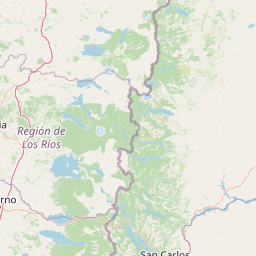
Why Lanín National Park stands out
Lanín National Park is best known for the dramatic Lanín volcano, a conical stratovolcano that dominates the skyline and is considered a sacred symbol by the local Mapuche people. The park is also renowned for its old-growth araucaria forests, also called monkey puzzle trees, which represent some of the northernmost populations of this ancient conifer species. The network of glacial lakes, particularly Huechulafquen and Lácar, provides exceptional scenic beauty and supports populations of salmon and trout that attract sport fishermen. The combination of volcanic landscapes, Patagonian forests, and lake-filled terrain creates a distinctive Andean landscape that is both scientifically significant and visually spectacular.
Lanín National Park history and protected-area timeline
Lanín National Park was established in 1937, placing it among the pioneering protected areas of Argentina. Its creation reflected the growing appreciation in the early twentieth century for the scientific and scenic value of Patagonia's natural landscapes. The park was created during a period when Argentina was developing a system of national parks to protect representative examples of the country's diverse ecosystems. The choice of the Lanín area was influenced by the dramatic volcanic landscape, the unique forests, and the region's appeal as a destination for outdoor recreation. The park's establishment also coincided with the growth of San Martín de los Andes as a destination town, and the two have developed together over the decades. The protected area has maintained its core boundaries and protections since establishment, though management practices have evolved to address changing conservation priorities and visitor expectations.
Lanín National Park landscape and geographic character
The landscape of Lanín National Park is dominated by the imposing Lanín volcano, a massive stratovolcano that rises to 3,776 meters above sea level. The volcano's slopes descend through distinct ecological zones, from forested lower slopes to alpine grasslands and eventually to bare rock and permanent snow fields near the summit. The lower elevations feature rolling terrain covered in dense temperate forests, while the lake districts contain flat valley floors filled with glacial lakes formed by past ice-age activity. Lake Huechulafquen, Lake Aluminé, and Lake Lácar are the most significant of these glacial lakes, each sitting in steep-sided valleys carved by ancient glaciers. The terrain surrounding the lakes features moraines, outwash plains, and the characteristic U-shaped valleys typical of glacial landscapes. Rivers and streams flow from the mountains and lakes, creating a well-watered landscape that supports the dense forest cover.
Lanín National Park ecosystems, habitats, and plant life
The nature of Lanín National Park is defined by its position in the transition zone between the Temperate and Cold temperate climates of Patagonia. The park's forests are dominated by the lenga beech, a deciduous southern beech that forms extensive pure stands or mixes with other species. The araucaria, also known as the monkey puzzle tree, is perhaps the most botanically significant species in the park, representing one of the few places where this ancient conifer grows in Argentina. These araucaria forests are considered some of the finest examples of this species anywhere in its range. The understory of the forests contains a diverse shrub layer, and the park's high precipitation supports dense vegetation throughout. At higher elevations, the forest gives way to alpine grasslands and rocky terrain adapted to the harsher conditions above the treeline. The climate is characterized by moist conditions, with mean annual precipitation around 1,800 mm in most areas and exceeding 4,000 mm in some locations, creating the humid conditions that support these lush forests.
Lanín National Park wildlife and species highlights
The wildlife of Lanín National Park shares strong similarities with the neighboring Nahuel Huapi National Park, reflecting the connected nature of Patagonian ecosystems. The forest environments provide habitat for a variety of bird species, including several types of waterfowl that inhabit the lakes and rivers. The rivers and lakes support populations of salmon and trout, which were introduced to Patagonian waters and now provide the basis for sport fishing activities. The forested areas are home to various mammal species typical of the Patagonian forest, though the source material does not provide detailed species lists. The combination of forest, lake, and mountain habitats creates a mosaic of environments that supports a diverse community of wildlife, though the park is not specifically noted for any single flagship species in the available source material.
Lanín National Park conservation status and protection priorities
Lanín National Park plays an important role in the conservation of Patagonian ecosystems, particularly the araucaria forests that represent a significant portion of this species' global range. The park protects forests containing species found nowhere else in Argentina, making it a priority area for preserving genetic diversity and ecosystem representativeness. As a Category II protected area under the IUCN classification system, the park aims to protect natural ecosystems while allowing for sustainable recreation and scientific research. The volcanic landscapes and glacial lakes are preserved not only for their scenic value but also for the ecological processes they represent and the habitats they provide. The park forms part of a larger conservation network along the Andes that helps maintain connectivity between protected areas and preserves broader ecosystem functions.
Lanín National Park cultural meaning and human context
The cultural context of Lanín National Park is enriched by the presence of the Mapuche people, the indigenous communities of Patagonia who consider the Lanín volcano to be a sacred site. The mountain holds spiritual significance in Mapuche cosmology, representing a connection between the physical and spiritual worlds. While the park itself was established under Argentine national park system management, the surrounding region maintains connections to traditional Mapuche land use and cultural practices. The town of San Martín de los Andes, serving as the gateway to the park, was founded in the late nineteenth century and has developed as a hub for both summer and winter tourism in the region.
Top sights and standout views in Lanín National Park
The most prominent highlight of Lanín National Park is the Lanín volcano itself, a spectacular stratovolcano that dominates the landscape and offers dramatic views throughout the park. The araucaria forests represent a unique botanical treasure, with these ancient conifers creating otherworldly landscapes beneath their canopy. The three major lakes, Huechulafquen, Aluminé, and Lácar, each offer distinct scenic experiences and recreational opportunities, with fishing being particularly popular. The network of rivers and streams flowing through the park provides additional attractions and supports the rich forest ecosystems. The park's proximity to San Martín de los Andes and the Chapelco ski area makes it accessible for visitors seeking both summer hiking and winter sports.
Best time to visit Lanín National Park
The best time to visit Lanín National Park depends on the type of experience sought. The summer months from December to February offer warm temperatures reaching around 20°C and provide the most stable conditions for hiking and exploring the forests and lakes. The winter months bring cold temperatures averaging around 4°C and transform the landscape into a snowy wonderland, with ski opportunities available at nearby Chapelco. The primary precipitation season runs from May to August, when the park receives the bulk of its annual rainfall, creating lush green conditions but also requiring preparation for wet weather. Snow can fall anytime from May through October, affecting higher elevation trails and adding to the dramatic mountain scenery. The shoulder seasons of spring and autumn offer different experiences, with spring bringing new growth to the forests and autumn displaying the colorful foliage of the lenga beech.