
Mori Atlas logo
National parkDoi Luang National Park

Discover mountainous terrain, critical watersheds, and mapped forest ecosystems in Northern Thailand.

Doi Luang National Park: A Vast Protected Landscape in Thailand's Phi Pan Nam Range

Doi Luang National Park represents one of Northern Thailand's largest protected areas, spanning significant mountainous terrain within the Phi Pan Nam Range. This national park protects essential headwater regions for major river systems, characterized by steep ridgelines and dramatic rock formations. Explore the geographic scope and mapped landscape of Doi Luang National Park, understanding its role as a vital natural conservation corridor and its contribution to regional geography.

Northern ThailandMountain parksPhi Pan Nam RangeNational parksWaterfall destinationsForest conservation

Doi Luang National Park

National park

Park overview

Structured park overview, official facts, and landscape profile for Doi Luang National Park

Doi Luang National Park park facts, protected area profile, and essential visitor context
Review the core facts for Doi Luang National Park, including designation, size, terrain, visitor scale, habitats, and operating context in one park-focused overview.

About Doi Luang National Park

Doi Luang National Park stands as one of Northern Thailand's premier protected wilderness areas, covering a vast expanse of approximately 1,169 square kilometers across the mountainous terrain of three provinces. The park occupies the northwestern reaches of the Phi Pan Nam Range, a distinctive mountain chain running roughly northwest to southeast through the upper reaches of northern Thailand. This geographic positioning places the park at a critical ecological junction between Thailand's highland forest ecosystems and the broader continental forest zones of mainland Southeast Asia.

The park's establishment in 1990 represented a significant consolidation of protection efforts, merging four previously separate protected areas into a unified conservation landscape. This consolidation recognized the ecological connectivity of the mountain chain and the importance of maintaining large, contiguous habitat areas for wildlife populations. The park's boundaries encompass diverse elevational zones, from valley floors where rivers originate to ridges exceeding 1,400 meters, creating opportunities for varied ecological communities within a single protected landscape.

The park's terrain presents a characteristically rugged mountainous profile, with steep slopes, narrow valleys, and exposed rock formations creating visual drama throughout the landscape. Waterfalls represent a significant scenic resource, with several named falls including Pu Kaeng, Cham Pa Thong, and Wang Kaew providing attractive destinations for visitors. These water features also play important ecological roles in the park's hydrological systems, connecting upstream watershed areas with downstream river systems that serve communities throughout the region.

Quick facts and research context for Doi Luang National Park

Doi Luang National Park covers 1,169 square kilometers in Northern Thailand's Phi Pan Nam Range, spanning three provinces: Chiang Rai, Lampang, and Phayao. The park was established on April 16, 1990, by combining four earlier protected areas. The highest peak within the park itself reaches 1,426 meters at Doi Luang in Mae Chai District, though a higher peak of the same name (1,694 meters) lies further south in the same mountain chain. The park's mountainous terrain contains the headwaters of both the Wang River and the Lao River, making it ecologically significant for downstream water resources. In 2019, the park welcomed approximately 41,000 visitors.

Park context

Deeper park guide and search-rich context for Doi Luang National Park

Doi Luang National Park history, landscape, wildlife, and travel context
Explore Doi Luang National Park through its history, landscape character, ecosystems, wildlife, conservation priorities, cultural context, and seasonal travel timing in a structured park guide built for atlas discovery and search intent.

Why Doi Luang National Park stands out

Doi Luang National Park is best known for its extensive mountainous wilderness in Northern Thailand, characterized by dramatic ridgelines, rugged rock formations, and pristine forest ecosystems within the Phi Pan Nam Range. The park's notable waterfalls, particularly Pu Kaeng waterfall, represent significant scenic attractions within this rugged terrain. The protected area provides habitat for several threatened large mammal species including Asian black bears, sun bears, and Indochinese leopards, making it important for regional biodiversity conservation. The park also protects critical watershed areas that feed major river systems serving downstream agricultural and community needs.

Doi Luang National Park history and protected-area timeline

Doi Luang National Park was officially established on April 16, 1990, representing a consolidation of four previously designated protected areas within the Phi Pan Nam mountain range. This administrative merging reflected a growing understanding in Thai conservation management that large, interconnected protected landscapes provide superior ecological outcomes compared to smaller, fragmented reserves. The formation of the park aligned with Thailand's broader strategy during this period of strengthening national park coverage in ecologically significant mountain regions.

Prior to national park designation, the area had been subject to various forms of protected area status, though precise documentation of these earlier designations is limited in available sources. The Phi Pan Nam Range had long been recognized as an important forest area, with its watershed functions and biodiversity values providing rationale for incremental expansion of protection over time. The park's creation occurred during a period of active national park development in Thailand, as the country sought to establish representative protected area networks covering major ecosystem types.

The governance of the park falls under the Department of National Parks, Wildlife and Plant Conservation, the national agency responsible for Thailand's protected area system. This institutional framework provides management capacity for conservation activities, visitor services, and boundary enforcement within the park. The park's multi-province character has required coordination across Chiang Rai, Lampang, and Phayao Provincial authorities, reflecting the complex administrative landscape of managing extensive protected areas in Thailand.

Doi Luang National Park landscape and geographic character

Doi Luang National Park occupies a dramatic landscape within the Phi Pan Nam Range, one of the prominent mountain systems of Northern Thailand. The range runs northwest to southeast through the upper northern region, and the park encompasses portions of its northwestern extent where the terrain attains some of its most rugged character. The park's mountainous terrain features steep ridgelines, deep valleys, and exposed rock formations that create a distinctive scenic character typical of northern Thai highland landscapes.

The park contains several distinct peaks, with Doi Luang in Mae Chai District reaching approximately 1,426 meters above sea level. Notably, a higher peak sharing the same name, Doi Luang of the Phi Pan Nam Range at 1,694 meters, lies approximately 30 kilometers further south within the same mountain chain but falls outside the park's boundaries. This distinction is important for understanding the park's specific topographic character, which while mountainous, does not include the range's highest summit.

The hydrological significance of the park is substantial, as it contains the source regions for both the Wang River and the Lao River. These river systems originate in the highland areas and flow outward to serve extensive downstream regions, making the park's watershed function of considerable importance for regional water resources. The combination of steep terrain, forest cover, and headwater location creates a landscape with significant influence on water quality and flow patterns in surrounding lowland areas.

Doi Luang National Park ecosystems, habitats, and plant life

The forests of Doi Luang National Park represent important examples of Northern Thailand's montane and evergreen forest ecosystems. The park's vegetation includes several notable tree species: Mesua ferrea, a species valued for its durable wood; Hopea odorata, known locally for its aromatic properties; Toona ciliata, a large deciduous tree common in Asian forests; Lagerstroemia tomentosa, an ornamental species with distinctive bark; and Irvingia malayana, a tropical forest tree of the region. These species compose forest communities that vary with elevation and aspect, creating a mosaic of habitat types across the park's mountainous terrain.

The ecological significance of the park extends beyond its forest composition to include its role as a protected area within Thailand's northern highland region. The Phi Pan Nam Range serves as a biogeographic corridor connecting forest ecosystems across regional scales, and protection of this landscape contributes to maintaining connectivity for wildlife populations moving through the mountainous terrain. The park's elevation range supports diverse ecological zones, from valley-bottom communities to montane forest types on higher slopes.

Doi Luang National Park wildlife and species highlights

Doi Luang National Park supports populations of several significant mammal species, reflecting the ecological importance of the Phi Pan Nam Range as a habitat corridor. The Asian black bear and sun bear both occur within the park, representing two of Thailand's larger terrestrial mammals that require extensive forest habitats. The Indochinese leopard, a subspecies of leopard adapted to forested Asian landscapes, also inhabits the park, though like other large carnivores, populations are likely sparse and concentrated in areas with minimal disturbance.

Smaller mammals recorded from the park include muntjac, a common deer species throughout Southeast Asian forests, and bamboo rat, a rodent species associated with dense vegetation. Tree shrews, small mammals with primitive characteristics, also occur in the park's forest environments. Among birds, the blue-winged siva and red-billed blue magpie are noted as notable species within the park's avifauna. These bird species contribute to the park's biodiversity value, though comprehensive inventories of the park's full bird community are not detailed in available sources.

Doi Luang National Park conservation status and protection priorities

Doi Luang National Park contributes to Thailand's protected area network as an IUCN Category II designation, the national park category indicating areas protected for ecosystem conservation and recreation. The park's large area and location within a significant mountain range make it relevant to regional conservation planning, particularly for maintaining connectivity across the forested landscapes of Northern Thailand. The protection of headwater areas for the Wang River and Lao River adds watershed conservation to the park's value, as these water resources support downstream agricultural communities and ecosystems.

The presence of large mammals including bears and leopards indicates the park retains relatively intact habitat conditions, as these species require extensive territories and prefer areas with limited human disturbance. However, pressures from surrounding land uses and development in the broader region present ongoing challenges for maintaining park integrity. Management by the Department of National Parks, Wildlife and Plant Conservation provides institutional capacity for conservation activities, though the multi-province extent of the park creates coordination complexity.

Doi Luang National Park cultural meaning and human context

Doi Luang National Park lies within a region of Northern Thailand with rich cultural heritage, though the available source material focuses primarily on the park's natural features rather than detailed cultural history. The park's three-province extent encompasses areas inhabited by ethnic communities whose traditional relationships with the mountainous landscape predate formal protected area designation. Mountain agriculture, including rotational cultivation and hillside rice farming, has characterized human use of these highlands for generations.

The park's establishment required negotiation between conservation objectives and pre-existing land use patterns, a common challenge in Thailand's highland protected areas. The Phi Pan Nam Range has been subject to various development pressures over recent decades, including infrastructure expansion and agricultural conversion in lower elevations. Understanding the park's cultural context would benefit from additional sources beyond the primary Wikipedia entry, as the available material provides limited detail on human dimensions of this landscape.

Top sights and standout views in Doi Luang National Park

Doi Luang National Park offers visitors access to Northern Thailand's mountainous wilderness with opportunities for forest exploration, wildlife observation, and scenic waterfall viewing. The park's 1,169 square kilometer extent makes it one of the larger protected areas in the region, providing substantial backcountry recreation opportunities. Notable features include the Pu Kaeng waterfall area, which serves as a primary visitor destination, and the network of mountain trails crossing varied terrain. The park's ecological significance is tied to its forest ecosystems, watershed function, and habitat for large mammals including bears and leopards, though wildlife viewing opportunities require patience and appropriate timing. The park's position spanning three provinces makes it accessible from multiple gateway communities, though visitor infrastructure remains modest compared to more developed Thai national parks.

Best time to visit Doi Luang National Park

The optimal period for visiting Doi Luang National Park corresponds to Thailand's cool dry season, typically from November through February, when temperatures are moderate and rainfall is minimal. This season offers the most comfortable conditions for hiking and outdoor activities within the park's mountainous terrain. The hot season from March through May brings higher temperatures that may make extended outdoor activities less pleasant, particularly at midday. The rainy season from June through October brings increased precipitation that can affect trail conditions and access, though the landscape is often at its most lush during this period.
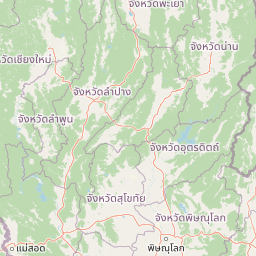

Park location guide

Geography guide, regional context, and park location map for Doi Luang National Park

Doi Luang National Park park geography, regions, and map view in Thailand
Understand where Doi Luang National Park sits in Thailand through a broader geographic reading of the surrounding landscape, nearby location context, and its mapped position within the national park landscape.

How Doi Luang National Park fits into Thailand

Thailand is a Southeast Asian nation formerly called Siam, located in mainland Southeast Asia. It operates as a unitary parliamentary constitutional monarchy under King Vajiralongkorn. The country borders Myanmar, Laos, Cambodia, and Malaysia, with maritime boundaries involving Vietnam, Indonesia, and India. Thailand has a population of nearly 66 million and covers approximately 513,120 km². Historically, the Sukhothai Kingdom marks the beginning of Thai history, followed by the powerful Ayutthaya Kingdom.

Wider geography shaping Doi Luang National Park in Thailand

Thailand occupies mainland Southeast Asia with borders to Myanmar (west/northwest), Laos (east/northeast), Cambodia (southeast), and Malaysia (south). The country has coastline along the Gulf of Thailand to the southeast and the Andaman Sea to the southwest. The territory covers approximately 513,120 km².

Map view of Doi Luang National Park

Use this park location map to pinpoint Doi Luang National Park in Thailand, understand its exact geographic position, and read its mapped placement within the surrounding landscape more clearly.

Pigeon | © OpenStreetMap contributors

Location context for Doi Luang National Park

Chiang Rai ProvinceLampang ProvincePhayao Province
Park atlas

Map the geographic context of similar protected areas near Doi Luang National Park.

Explore National Parks and Protected Areas Near Doi Luang National Park in Northern Thailand
Explore additional national parks and protected areas near Doi Luang National Park, browsing the diverse mountainous terrain and forest ecosystems across Northern Thailand. Compare these protected landscapes to understand regional conservation efforts, watershed protection, and their geographic spread.
National parkPhrae Province

Mae Yom National Park: Protected Mountain Forest and Yom River Geography

Discover its mapped boundaries and natural teak ecosystems.

Mae Yom National Park represents a significant protected landscape in Phrae Province, Thailand, characterized by its mountainous terrain and the prominent Yom River. This national park is particularly noteworthy for its naturally growing teak forests, offering a unique glimpse into indigenous timber ecosystems within a conservation area. The park's geography features steep ridges, tributary streams feeding the main river, and distinct landscapes like the Kaeng Sua Ten rapids, providing a rich atlas context for northern Thailand's protected areas and natural terrain.

Area
455 km²
Established
1986
IUCN
II
National parkChiang Mai Province

Doi Wiang Pha National Park: Protected Mountainous Terrain and Watershed Dynamics in Northern Thailand

Explore the geography of this vital national park's peaks and valleys.

Doi Wiang Pha National Park stands as a significant national park in Chiang Mai Province, renowned for its dramatic mountainous terrain and its crucial function as a watershed. The park's complex system of ridges and valleys, along with its central peak, Doi Wiang Pha, defines its rugged landscape. Its waters feed into the Fang and Mae Lao river systems, highlighting its ecological importance for regional agriculture and communities. Understanding Doi Wiang Pha National Park through its mapped geography reveals a key protected area within northern Thailand's atlas of natural landscapes.

Area
343.37 km²
IUCN
II
Visitors
939 annual
Relief
Mountain
National parkMae Hong Son Province

Huai Nam Dang National Park: Northern Thailand's Mountainous Protected Landscape

Explore mapped terrain and protected area boundaries in Mae Hong Son Province.

Huai Nam Dang National Park offers a detailed look into Thailand's mountainous north, featuring rugged terrain characterized by steep slopes and deep valleys. This protected area, a key national park within Mae Hong Son Province, provides a valuable case study for understanding regional geography and landscape context. Its elevation ranges from low-lying valleys to the Doi Chang summit, contributing to its significance as a watershed and natural wilderness.

Area
1,252 km²
Established
1995
IUCN
II
National parkLamphun Province

Doi Khun Tan National Park: Protected Mountain Landscape and Forest Terrain in Lamphun Province

Explore its mapped geography and the Khun Tan Tunnel.

Doi Khun Tan National Park is a protected mountain region in northern Thailand, recognized for its varied terrain and ecological significance. The park's geography includes steep slopes supporting distinct forest types, from lowland deciduous woodlands to upland evergreen forests, all contained within its clearly mapped boundaries. A prominent feature is the historic Khun Tan Tunnel, Thailand's longest railroad tunnel, highlighting the park's unique combination of natural landscapes and historical infrastructure. This national park offers a rich opportunity for atlas exploration of its protected area identity and regional geographic context within Lamphun Province.

Area
255 km²
Established
1975
IUCN
II
Visitors
12.7K annual
National parkChom Thong District

Doi Inthanon National Park: Thailand's Highest National Park and Montane Landscape Explorer

Mapped geography and protected land context in Chom Thong District.

Doi Inthanon National Park, the crown jewel of Thailand's northern highlands, represents an unparalleled opportunity for geographic discovery. As the nation's highest mountain national park, it showcases exceptional vertical zonation of ecosystems, from tropical deciduous forests to rare cloud forests and sphagnum peat bogs. This protected landscape in Chom Thong District is vital for watershed protection and offers critical insights into Thailand's montane biodiversity, making its mapped boundaries and terrain essential for atlas-based exploration.

Area
482 km²
Established
1972
IUCN
II
National parkChiang Mai Province

Op Luang National Park: Dramatic River Canyon and Prehistoric Heritage in Chiang Mai Province

Explore protected landscape boundaries and natural terrain.

Op Luang National Park offers a unique glimpse into Thailand's protected areas, highlighted by its defining feature: the striking Op Luang Canyon. This national park in Chiang Mai Province preserves a dramatic mountain landscape carved by the Mae Chaem River, complemented by impressive waterfalls like Mae Tia and Mae Chon, and intriguing cave systems. The presence of ancient rock paintings adds a layer of prehistoric heritage, making it a significant site for geographic and cultural discovery within northern Thailand's conservation network.

Area
553 km²
Established
1991
IUCN
II
National parkMae Hong Son Province

Salawin National Park: Mapped Boundaries and Protected Landscape Geography

Discover its national park status and regional context.

Delve into the geographic specifics of Salawin National Park, a designated national park situated in Mae Hong Son Province, Thailand. This park's mapped boundaries and protected landscape identity are key to understanding its role within the broader regional geography. Explore its natural terrain and discover its atlas significance as a conservation area, offering valuable context for geographic study.

Area
721 km²
Established
1994
IUCN
II
National parkPhitsanulok Province

Namtok Chat Trakan National Park: Protected Mountain Forests and River Headwaters in Phitsanulok Province

Discover mapped geography and unique protected landscape features.

Namtok Chat Trakan National Park protects over 543 square kilometers of mountainous dipterocarp forest within Phitsanulok Province, Thailand. Established in 1987, it is recognized for its role as a vital watershed area, safeguarding the headwaters of the Khwae Noi River system. The park's rugged terrain, dense forests, and prominent waterfalls, including the multi-tiered Chat Trakan cascade, provide a distinct geographic identity. Explore the mapped boundaries and natural landscape of this significant protected area.

Area
543 km²
Established
1987
IUCN
II

Common questions about visiting, size, designation, and location context for Doi Luang National Park

Doi Luang National Park FAQs for park facts, access, geography, and protected area context
Find quick answers about Doi Luang National Park, including protected-area facts, park geography, trail and visitor context, and how the park fits into its surrounding country and regional landscape.
MoriAtlas Explorer

Continue Your Protected Areas Search Across the Global Atlas

Deepen your exploration by continuing the structured search for national parks and protected areas worldwide. Utilize the comprehensive filtering capabilities to compare different conservation landscapes and refine your understanding of global park geography. Discover more about the distribution and characteristics of protected natural areas.

Global natural geography