

Mori Atlas logo
National parkMae Yom National Park

Discover the mapped boundaries of this mountain forest national park and its natural teak ecosystems.

Mae Yom National Park: Protected Landscape and River Geography in Phrae Province

(Mae Yom National Park (อุทยานแห่งชาติแม่ยม))

Mae Yom National Park stands as a critical protected area within Phrae Province, Thailand, safeguarding extensive mountain forests and a vital river ecosystem. This national park preserves naturally growing teak forests, a rarity in protected areas, set within rugged terrain that descends from steep mountain ridges to the central Yom River valley. Its landscape offers a unique atlas-view of northern Thailand's geography, highlighting forest conservation and rich natural terrain, making it a significant destination for understanding regional protected lands.

national parkprotected areateak forestmountain forestPhi Pan Nam Rangeriver ecosystem

Mae Yom National Park

National park

Park overview

Structured park overview, official facts, and landscape profile for Mae Yom National Park

Mae Yom National Park park facts, protected area profile, and essential visitor context
Review the core facts for Mae Yom National Park, including designation, size, terrain, visitor scale, habitats, and operating context in one park-focused overview.

About Mae Yom National Park

Mae Yom National Park occupies a significant ecological and geographic position in northern Thailand, protecting portions of the Phi Pan Nam Range that separate the Chao Phraya River basin from the Mekong watershed. The park's landscape is defined by parallel mountain ridges running north to south, with the Yom River carving a central valley that has long served as a corridor for both wildlife and human settlement. The name Mae Yom refers to the Yom River, which originates from headwater streams in the surrounding peaks and flows through the heart of the protected area before continuing southward through agricultural lowlands. The park's establishment followed a proposal by the Royal Forestry Department in 1984, initially proposed as Mae Phung National Park before being renamed to reflect the park's relationship with the Yom River system. Beyond its ecological value, the park provides watershed protection for communities downstream and serves as a repository of northern Thailand's forest heritage.

Quick facts and research context for Mae Yom National Park

Mae Yom National Park covers 455 square kilometers in northern Thailand's Phi Pan Nam Range, straddling Phrae and Lampang provinces. The Yom River bisects the park, originating from mountain peaks that include Doi Luang, Doi Yaang, Doi Khun Huai Pae, and Doi Ton. The park was officially designated in 1986, originally proposed under the name Mae Phung National Park. Elevations range from approximately 157 meters in the southern plains to over 1,000 meters in the higher mountain zones. The forest types include moist evergreen forest, hill evergreen forest, mixed deciduous forest, and valuable teak woodland. The park recorded approximately 6,738 visitors in 2019.

Park context

Deeper park guide and search-rich context for Mae Yom National Park

Mae Yom National Park history, landscape, wildlife, and travel context
Explore Mae Yom National Park through its history, landscape character, ecosystems, wildlife, conservation priorities, cultural context, and seasonal travel timing in a structured park guide built for atlas discovery and search intent.

Why Mae Yom National Park stands out

Mae Yom National Park is best known for its naturally growing teak forests, a distinctive feature among Thai protected areas where teak occurs without plantation cultivation. The park protects a significant section of the Yom River valley within the Phi Pan Nam Range, preserving both the river ecosystem and the surrounding mountainous terrain. The Kaeng Sua Ten rapids, a roughly four-kilometer-long natural rocky formation in the Yom River, serves as a notable geological attraction with a rock feature resembling a tiger's paw that gives the site its name. The park also gained attention due to the controversial Kaeng Suea Ten Dam proposal, which would have flooded substantial forest areas near the park's southern boundary.
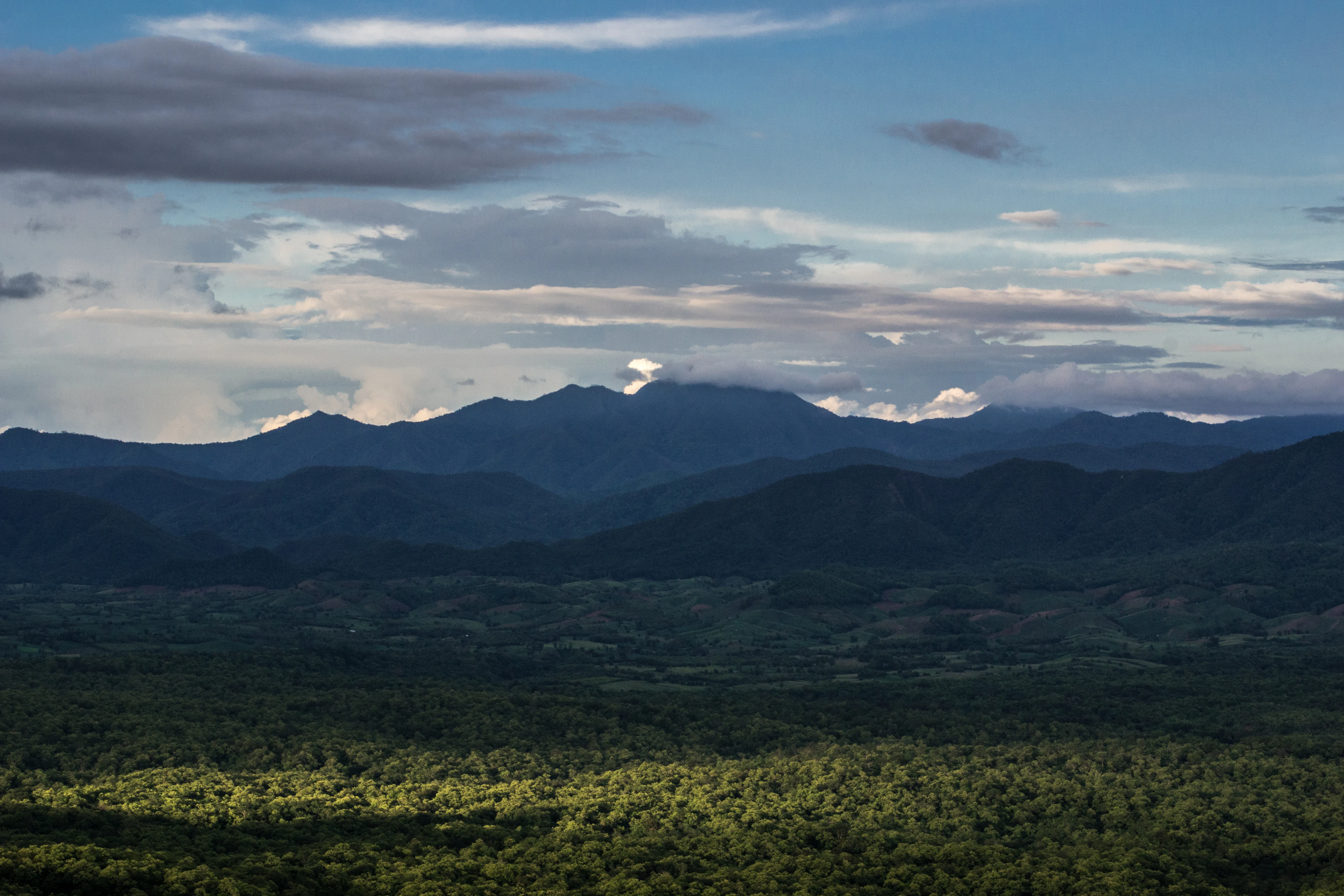
Mae Yom National Park viewpoint
View of a natural heritage site in Thailand

Mae Yom National Park history and protected-area timeline

The formal establishment of Mae Yom National Park followed a process that began in the early 1980s. The Royal Forestry Department proposed the area for national park status on January 23, 1984, initially designating it as Mae Phung National Park after the Mae Phung River tributary area. The proposal was reviewed by the National Parks Committee, which recommended approval for the area encompassing portions of the Mae Phung, Mae Pa, and Mae Song forest reserves in Phrae Province and the left bank of the Mae Ngao River forest reserve in Lampang Province. The designation was officially changed to Mae Yom National Park to better reflect the park's geographic identity centered on the Yom River. On March 1, 1986, the park was formally established as Thailand's 51st national park, creating protected status for the mountain forests and river systems that had long served as a resource for local communities while facing increasing pressure from development interests. The park's history has been shaped by ongoing conservation debates, particularly regarding the proposed Kaeng Suea Ten Dam that would have altered the Yom River flow and inundated significant forest areas near the park boundary.

Mae Yom National Park landscape and geographic character

The terrain of Mae Yom National Park consists of steep mountainous ridges on both the eastern and western sides of the Yom River valley. The highest peaks include Doi Luang, Doi Yaang, Doi Khun Huai Pae, and Doi Ton, which serve as the headwaters for numerous tributary streams that descend through the park to join the main river channel. The river flows through the central portion of the park, flanked by slopes that rise sharply on either side before giving way to more gently undulating terrain toward the southern boundary. The park includes both highland zones exceeding 1,000 meters and lower elevation areas around 157 to 180 meters above sea level. The underlying geology consists of sedimentary rocks including layered stone and shale, while soils are predominantly laterite and sandy loam formations that support the forest ecosystems. The Kaeng Sua Ten rapids represent a particularly distinctive landscape feature, where rocky formations create a natural island and rapids section in the Yom River visible from the Kaeng Sua Ten viewpoint.

Mae Yom National Park ecosystems, habitats, and plant life

The forest ecosystems within Mae Yom National Park represent a composite of several distinct vegetation types that reflect the park's elevation range and moisture patterns. Moist evergreen forest occupies areas with consistent moisture availability, while hill evergreen forest covers higher elevation zones with cooler temperatures. Mixed deciduous forest occurs on slopes that experience seasonal variation, and the park is distinguished by its naturally regenerated teak forests, a rare occurrence in Thai protected areas where teak typically requires plantation cultivation. The park's location in the Phi Pan Nam Range positions it within a transition zone between northern Thailand's moist forest systems and the drier forests characteristic of more leeward areas. The Yom River and its tributaries create riparian corridors that support distinct wetland and aquatic ecosystems, while the surrounding slopes provide habitat for forest-dwelling species.

Mae Yom National Park wildlife and species highlights

Mae Yom National Park supports populations of several notable large mammal species that inhabit the forest and mountain terrain. Asian elephants move through the park's forested areas, utilizing both the valley floors and higher elevation zones. Barking deer, also known as munjac, are present in the forest understory, along with wild boar that forage across diverse habitat zones. The Sumatran Serow, a goat-antelope species found in steep rocky terrain, occupies the higher elevation cliffs and ridges. Asiatic black bears utilize the forest canopy and den sites in hollow trees within the park's interior. Smaller mammals including hares are also recorded within the park boundaries. The river systems provide aquatic habitat and drinking sources for these species, while the forest structure offers both food resources and protective cover.

Mae Yom National Park conservation status and protection priorities

Mae Yom National Park represents an important conservation area within Thailand's protected area network, preserving a substantial block of mountain forest in the Phi Pan Nam Range that might otherwise face agricultural expansion or development pressure. The park's protection of the Yom River watershed carries significance beyond the park boundaries, as the river provides water resources for downstream communities and agricultural areas. The presence of naturally occurring teak forests distinguishes this park from many other Thai protected areas where such forests have been replaced by plantation species, making it a living example of indigenous forest composition. The park has faced conservation challenges from proposed development projects, most notably the Kaeng Suea Ten Dam that would have altered river flows and flooded forest areas near the park's southern edge, generating debate between development interests and conservation advocates.

Mae Yom National Park cultural meaning and human context

The landscape of Mae Yom National Park has been shaped by centuries of human interaction with the forest and river systems. The Yom River valley has historically served as a route for movement between northern Thailand's mountain communities and the more populated lowland areas. Local communities have utilized forest resources including timber, non-timber forest products, and water from the river system. The park's establishment formal protected status over areas that had been managed under varying degrees of traditional use. The name Kaeng Sua Ten, meaning Tiger Paw Rapids, reflects the cultural significance of wildlife in the region's identity, with local knowledge associating the landscape with animal figures and natural features.

Top sights and standout views in Mae Yom National Park

Mae Yom National Park offers visitors access to the distinctive Kaeng Sua Ten rapids where the Yom River flows over rocky formations creating a natural scenic attraction. The Kaeng Sua Ten viewpoint provides panoramic views of the river and surrounding mountains. The park's naturally growing teak forests represent a rare example of indigenous timber stands within a protected area. Dong Sak Ngam and Lom Dong are additional attractions within the park offering forest and landscape experiences. Accommodations and a visitor center provide facilities for those exploring the park, while the network of trails allows access to various points of interest throughout the mountain terrain.

Best time to visit Mae Yom National Park

The optimal period for visiting Mae Yom National Park falls during the cool dry season from November through February, when temperatures are comfortable and rainfall is minimal, making trail exploration and viewpoint visits more accessible. The hot season from March to May brings higher temperatures that can make midday hiking challenging, though early morning excursions remain feasible. The rainy season from June through October brings increased precipitation that can affect trail conditions and accessibility, though the forest during this period displays enhanced greenery and waterfall flow. Visitors seeking to observe wildlife may find early morning and evening hours most productive, as many species are more active during cooler parts of the day.

Park location guide

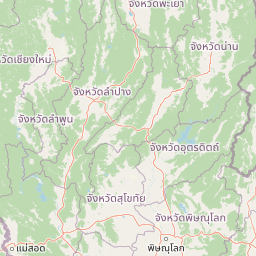
Geography guide, regional context, and park location map for Mae Yom National Park

Mae Yom National Park park geography, regions, and map view in Thailand
Understand where Mae Yom National Park sits in Thailand through a broader geographic reading of the surrounding landscape, nearby location context, and its mapped position within the national park landscape.

How Mae Yom National Park fits into Thailand

Thailand is a Southeast Asian nation formerly called Siam, located in mainland Southeast Asia. It operates as a unitary parliamentary constitutional monarchy under King Vajiralongkorn. The country borders Myanmar, Laos, Cambodia, and Malaysia, with maritime boundaries involving Vietnam, Indonesia, and India. Thailand has a population of nearly 66 million and covers approximately 513,120 km². Historically, the Sukhothai Kingdom marks the beginning of Thai history, followed by the powerful Ayutthaya Kingdom.

Wider geography shaping Mae Yom National Park in Thailand

Thailand occupies mainland Southeast Asia with borders to Myanmar (west/northwest), Laos (east/northeast), Cambodia (southeast), and Malaysia (south). The country has coastline along the Gulf of Thailand to the southeast and the Andaman Sea to the southwest. The territory covers approximately 513,120 km².

Map view of Mae Yom National Park

Use this park location map to pinpoint Mae Yom National Park in Thailand, understand its exact geographic position, and read its mapped placement within the surrounding landscape more clearly.

Pigeon | © OpenStreetMap contributors

Location context for Mae Yom National Park

Phrae Province

Explore the rugged mountain terrain, natural teak forests, and Yom River vistas of this unique Thai protected area through imagery.

Mae Yom National Park Photos: Visualizing Thailand's Teak Forest Landscapes and River Scenery
Browse a visual collection of Mae Yom National Park to understand its distinct environment, from steep mountain ridges to the vital Yom River valley. These images provide essential insight into the park's rare indigenous teak forests, geological features like Kaeng Sua Ten rapids, and diverse protected habitats.

Mae Yom National Park viewpoint

Park atlas

Map the regional spread of mountain forests, river ecosystems, and diverse conservation landscapes surrounding Mae Yom National Park.

Explore Other National Parks and Protected Landscapes around Mae Yom National Park
Discover additional national parks and protected areas found in the geographic region near Mae Yom National Park, encompassing diverse mountain forests and river ecosystems. Compare these protected landscapes to understand regional conservation efforts, trace varied terrain types, and assess the broader spread of natural heritage across northern Thailand.
National parkThailand

Doi Luang National Park: Northern Thailand's Extensive Mountain Protected Area

Mapped terrain, forest ecosystems, and watershed significance.

Doi Luang National Park is a substantial protected landscape situated in the Phi Pan Nam Range of Northern Thailand, covering extensive mountainous territory. The park's geographic importance is highlighted by its role in protecting critical headwater ecosystems for both the Wang and Lao Rivers, featuring rugged ridgelines and significant natural terrain. Discover the mapped boundaries and conservation value of this expansive national park, integral to Thailand's regional geography and ecological health.

Area
1,169 km²
Established
1990
IUCN
II
National parkLamphun Province

Doi Khun Tan National Park: Protected Mountain Landscape and Forest Terrain in Lamphun Province

Explore its mapped geography and the Khun Tan Tunnel.

Doi Khun Tan National Park is a protected mountain region in northern Thailand, recognized for its varied terrain and ecological significance. The park's geography includes steep slopes supporting distinct forest types, from lowland deciduous woodlands to upland evergreen forests, all contained within its clearly mapped boundaries. A prominent feature is the historic Khun Tan Tunnel, Thailand's longest railroad tunnel, highlighting the park's unique combination of natural landscapes and historical infrastructure. This national park offers a rich opportunity for atlas exploration of its protected area identity and regional geographic context within Lamphun Province.

Area
255 km²
Established
1975
IUCN
II
Visitors
12.7K annual
National parkChiang Mai Province

Doi Wiang Pha National Park: Protected Mountainous Terrain and Watershed Dynamics in Northern Thailand

Explore the geography of this vital national park's peaks and valleys.

Doi Wiang Pha National Park stands as a significant national park in Chiang Mai Province, renowned for its dramatic mountainous terrain and its crucial function as a watershed. The park's complex system of ridges and valleys, along with its central peak, Doi Wiang Pha, defines its rugged landscape. Its waters feed into the Fang and Mae Lao river systems, highlighting its ecological importance for regional agriculture and communities. Understanding Doi Wiang Pha National Park through its mapped geography reveals a key protected area within northern Thailand's atlas of natural landscapes.

Area
343.37 km²
IUCN
II
Visitors
939 annual
Relief
Mountain
National parkMae Hong Son Province

Huai Nam Dang National Park: Northern Thailand's Mountainous Protected Landscape

Explore mapped terrain and protected area boundaries in Mae Hong Son Province.

Huai Nam Dang National Park offers a detailed look into Thailand's mountainous north, featuring rugged terrain characterized by steep slopes and deep valleys. This protected area, a key national park within Mae Hong Son Province, provides a valuable case study for understanding regional geography and landscape context. Its elevation ranges from low-lying valleys to the Doi Chang summit, contributing to its significance as a watershed and natural wilderness.

Area
1,252 km²
Established
1995
IUCN
II
National parkChom Thong District

Doi Inthanon National Park: Thailand's Highest National Park and Montane Landscape Explorer

Mapped geography and protected land context in Chom Thong District.

Doi Inthanon National Park, the crown jewel of Thailand's northern highlands, represents an unparalleled opportunity for geographic discovery. As the nation's highest mountain national park, it showcases exceptional vertical zonation of ecosystems, from tropical deciduous forests to rare cloud forests and sphagnum peat bogs. This protected landscape in Chom Thong District is vital for watershed protection and offers critical insights into Thailand's montane biodiversity, making its mapped boundaries and terrain essential for atlas-based exploration.

Area
482 km²
Established
1972
IUCN
II
National parkChiang Mai Province

Op Luang National Park: Dramatic River Canyon and Prehistoric Heritage in Chiang Mai Province

Explore protected landscape boundaries and natural terrain.

Op Luang National Park offers a unique glimpse into Thailand's protected areas, highlighted by its defining feature: the striking Op Luang Canyon. This national park in Chiang Mai Province preserves a dramatic mountain landscape carved by the Mae Chaem River, complemented by impressive waterfalls like Mae Tia and Mae Chon, and intriguing cave systems. The presence of ancient rock paintings adds a layer of prehistoric heritage, making it a significant site for geographic and cultural discovery within northern Thailand's conservation network.

Area
553 km²
Established
1991
IUCN
II
National parkPhitsanulok Province

Namtok Chat Trakan National Park: Protected Mountain Forests and River Headwaters in Phitsanulok Province

Discover mapped geography and unique protected landscape features.

Namtok Chat Trakan National Park protects over 543 square kilometers of mountainous dipterocarp forest within Phitsanulok Province, Thailand. Established in 1987, it is recognized for its role as a vital watershed area, safeguarding the headwaters of the Khwae Noi River system. The park's rugged terrain, dense forests, and prominent waterfalls, including the multi-tiered Chat Trakan cascade, provide a distinct geographic identity. Explore the mapped boundaries and natural landscape of this significant protected area.

Area
543 km²
Established
1987
IUCN
II
National parkThailand

Phu Hin Rong Kla National Park: A Protected Mountain Landscape in Northern Thailand

Explore rock formations, waterfalls, and unique historical terrain.

Phu Hin Rong Kla National Park, situated in northern Thailand, is a significant national park known for its dramatic mountainous terrain, including impressive fractured rock formations and numerous multi-tiered waterfalls. This protected area also holds historical importance, having served as a former communist insurgent stronghold. Its rugged landscape is defined by steep ridges, deep valleys, and diverse forest ecosystems, making it a compelling destination for understanding Thailand's natural and historical geography within a mapped context.

Area
307 km²
Established
1984
IUCN
II

Common questions about visiting, size, designation, and location context for Mae Yom National Park

Mae Yom National Park FAQs for park facts, access, geography, and protected area context
Find quick answers about Mae Yom National Park, including protected-area facts, park geography, trail and visitor context, and how the park fits into its surrounding country and regional landscape.
MoriAtlas Explorer

Continue Your Protected Areas Search Across the Global Atlas

Deepen your exploration by continuing the structured search for national parks and protected areas worldwide. Utilize the comprehensive filtering capabilities to compare different conservation landscapes and refine your understanding of global park geography. Discover more about the distribution and characteristics of protected natural areas.

Global natural geography