


Mori Atlas logo
National parkKeoladeo National Park

Discover the mapped landscape and geographic context of this vital bird sanctuary near Bharatpur.

Keoladeo National Park: A Premier Protected Wetland for Avian Life in India

Keoladeo National Park, situated in India, stands as a crucial protected national park celebrated for its extraordinary wetland ecosystem and immense biodiversity. This 29-square-kilometer reserve serves as a critical habitat at the ecological transition between arid and fertile plains, attracting thousands of migratory and resident birds annually. Its carefully managed wetland system, a testament to decades of conservation effort, offers a unique glimpse into a vibrant landscape shaped by both natural processes and human intervention, making it an essential destination for understanding regional geography and protected area significance.

wetland conservationbird sanctuarymigratory birdsUNESCO World Heritage SiteRamsar siteRajasthan wildlife

Keoladeo National Park

National park

Park overview

Structured park overview, official facts, and landscape profile for Keoladeo National Park

Keoladeo National Park park facts, protected area profile, and essential visitor context
Review the core facts for Keoladeo National Park, including designation, size, terrain, visitor scale, habitats, and operating context in one park-focused overview.

About Keoladeo National Park

Keoladeo National Park occupies a distinctive ecological niche in northwestern India, where the semi-arid landscape of Rajasthan gives way to the more verdant environments of the Indo-Gangetic plain. The park's human-made wetland system, developed initially as a shooting reserve in the late 19th century and later transformed into a conservation area, represents one of the most successful examples of habitat creation and management for waterfowl in South Asia. The reserve's name derives from the nearby Keoladeo temple and the local term Ghana meaning dense forest, reflecting both the area's religious associations and its historical vegetation cover. The wetland ecosystem is maintained through a network of mounds, dykes, and water control structures that allow managers to manipulate water levels and create optimal conditions for different bird species and vegetation types. The park's location at the crossroads of major migratory flyways has made it a crucial waystation for birds travelling between their breeding grounds in Central and South Asia and their wintering destinations on the Indian subcontinent. Beyond its ornithological significance, the reserve provides important ecosystem services including flood protection for nearby Bharatpur settlements and grazing opportunities for local communities.

Quick facts and research context for Keoladeo National Park

Keoladeo National Park covers approximately 2,873 hectares in southeastern Rajasthan, situated about 2 kilometres southeast of Bharatpur and 55 kilometres west of Agra. The reserve is characterized by a mosaic of dry grasslands, woodlands, swamps, and seasonal wetlands, with roughly one-third of the area being wetland habitat. The park supports extraordinary biodiversity, with over 370 bird species, at least 20 fish species, 70 reptile and amphibian species, and 50 mammalian species recorded within its boundaries. It is one of the few places in India where the critically endangered Siberian crane historically wintered, with the last confirmed sightings occurring in the winter of 2001-02. The park was established as a national park on March 10, 1982, following its earlier designation as a bird sanctuary in 1956 and protected sanctuary status in 1971.

Park context

Deeper park guide and search-rich context for Keoladeo National Park

Keoladeo National Park history, landscape, wildlife, and travel context
Explore Keoladeo National Park through its history, landscape character, ecosystems, wildlife, conservation priorities, cultural context, and seasonal travel timing in a structured park guide built for atlas discovery and search intent.

Why Keoladeo National Park stands out

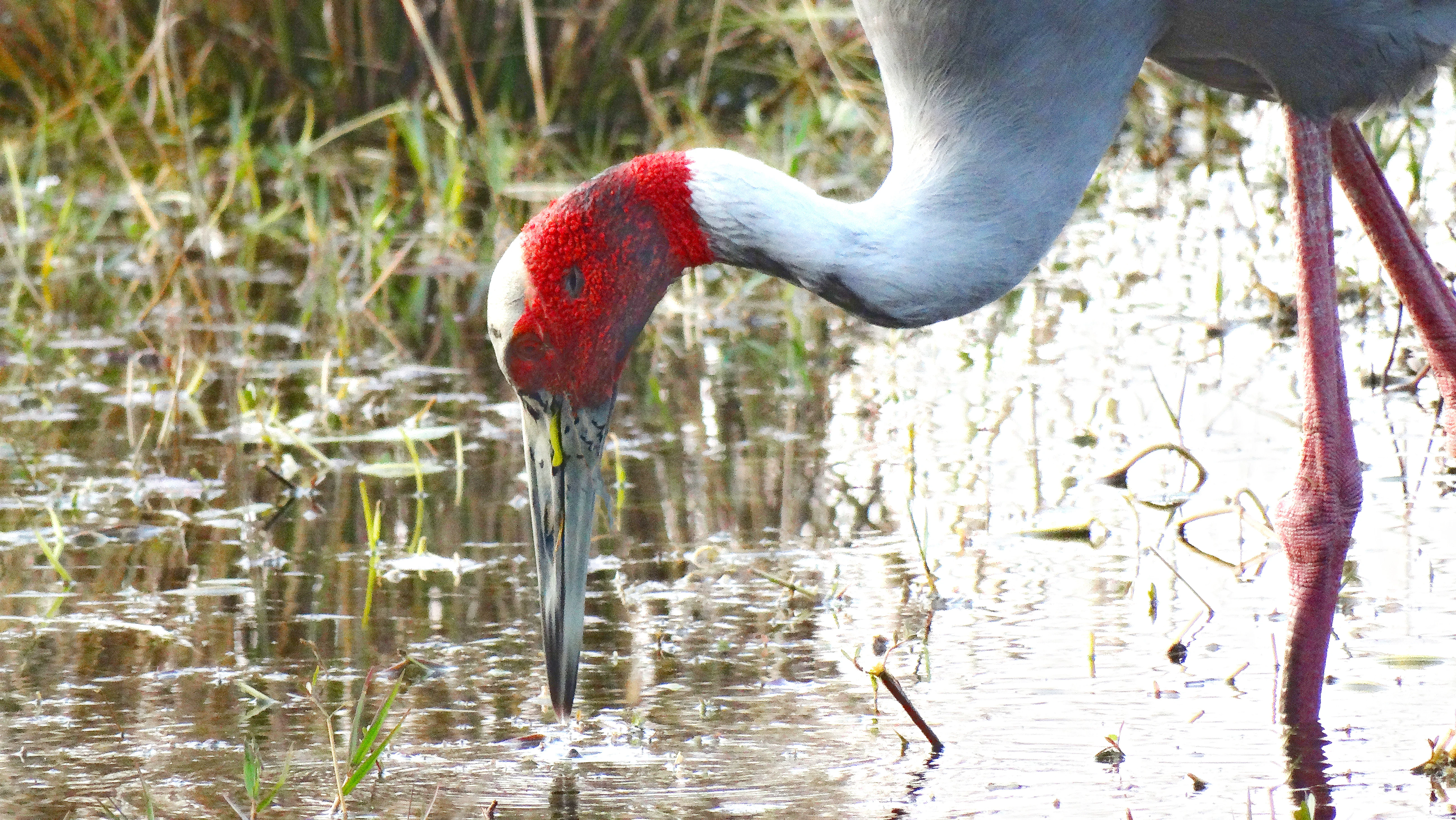
Keoladeo National Park is best known as one of the world's most important bird sanctuary destinations, particularly during the winter months when thousands of migratory birds arrive from across Eurasia. The park's fame stems from its exceptional concentration of waterfowl, including species such as the bar-headed goose, painted stork, demoiselle crane, sarus crane, greater flamingo, spot-billed pelican, and great white pelican. The wetland system serves as a critical staging ground for migratory waterfowl arriving on the Indian subcontinent before dispersing to various regions, and also functions as a departure point for birds heading to breeding grounds in the western Palearctic. The park's reputation as a birdwatching paradise, combined with its unique position at the desert-tropical interface, makes it a singular destination for observing both resident and migratory avian species in close proximity.
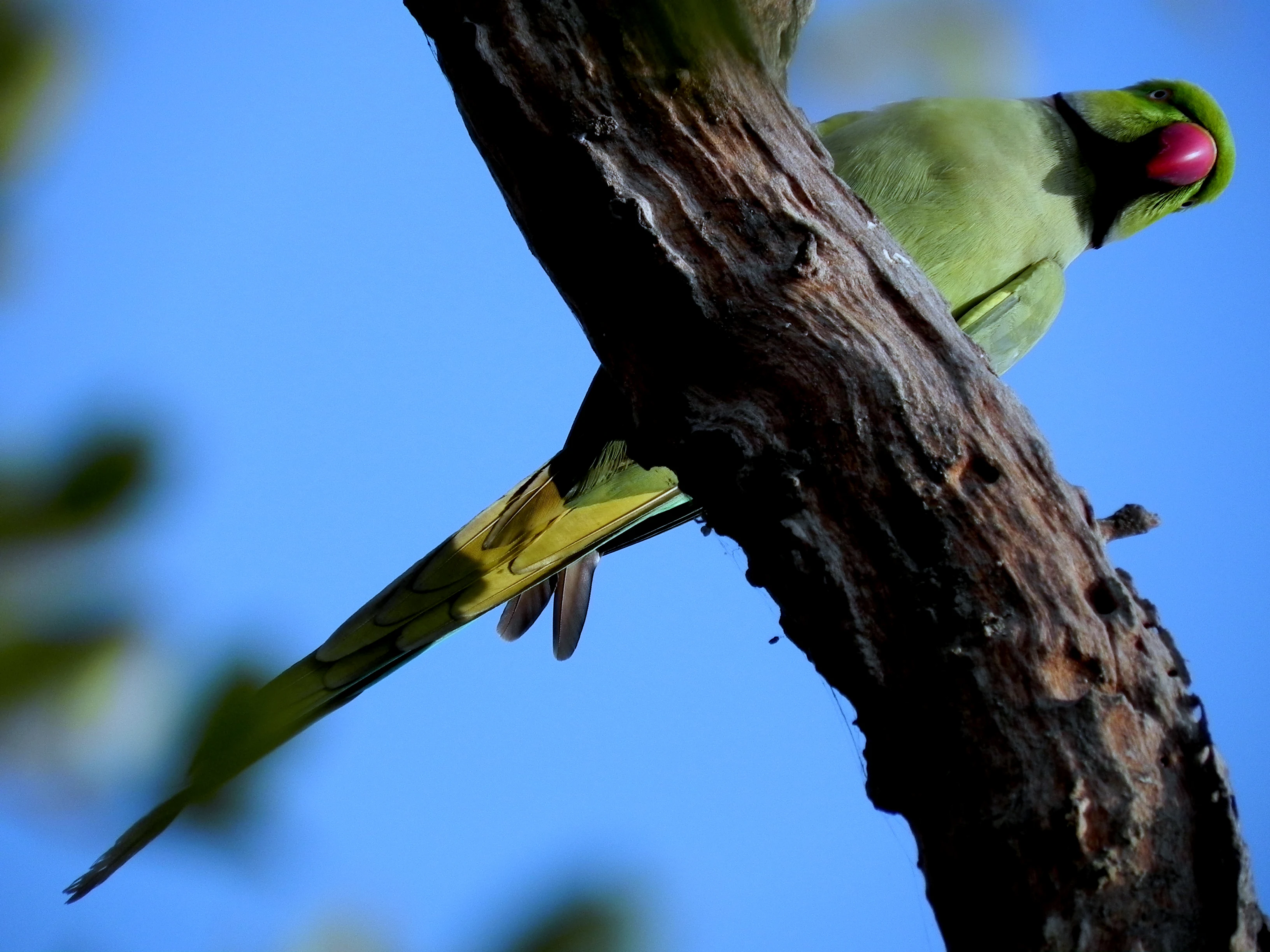
Keoladeo National Park history and protected-area timeline

The conservation history of Keoladeo National Park traces back to 1899 when the area was established as a private duck shooting reserve by the administrator of Bharatpur State. The reserve remained under the control of the Maharaja of Bharatpur from the 1850s onward, serving as an exclusive hunting ground for royal festivities. The transformation from a hunting preserve to a protected sanctuary began in earnest in the 1950s, largely due to the efforts of Dr. Salim Ali, the famed Indian ornithologist who recognized the exceptional birdlife value of the wetland and campaigned for its protection. Under his advocacy, the area was declared the Bharatpur Bird Sanctuary in 1956, marking a pivotal shift from exploitation to conservation. In 1971, the sanctuary received formal protected status, and on March 10, 1982, it was officially established as Keoladeo National Park. The park achieved international recognition when it was inscribed as a UNESCO World Heritage Site in 1985 under criterion iv, which at the time recognized its importance as a wetland of international importance for migratory waterfowl. Following criteria updates in 2005, the park now falls under criterion x, which emphasizes the site should contain the most important natural habitats for in-situ conservation of biological diversity, including those containing threatened species of outstanding universal value.

Keoladeo National Park landscape and geographic character

The physical landscape of Keoladeo National Park presents a diverse mosaic of habitats that reflect its position at the ecological transition between desert and tropical environments. Approximately one-third of the park consists of wetland areas featuring shallow depressions, man-made dykes, and varying depths of standing water that support emergent and submerged aquatic vegetation. The remaining upland areas contain grasslands characterized by tall grass species interspersed with scattered trees and shrubs, while similar habitats with shorter grasses such as Cynodon dactylon and Dichanthium annulatum exist in other sections. Scattered pockets of woodland dominated by thickets of large Kadam trees (Neolamarckia cadamba) add further diversity to the terrain. The wetland system forms part of the Indo-Gangetic Great Plains, a vast alluvial plain that has been shaped by millennia of river deposition and seasonal flooding. Water availability within the park depends largely on rainfall and artificial water management, as only certain depressions retain water throughout the year. The alternate wetting and drying cycles help maintain the freshwater swamp ecology that provides ideal conditions for waterfowl and resident water birds.
Keoladeo National Park ecosystems, habitats, and plant life

The ecological character of Keoladeo National Park is defined by its wetland-centered ecosystem that supports extraordinary biodiversity despite the surrounding semi-arid environment. The park's flora includes 379 documented species of flowering plants, of which 96 are classified as wetland species. The aquatic vegetation provides invaluable food sources for amphibians, fish, and birds, forming the base of a complex food web. Woody plants such as piloo (Salvadora oleoides and Salvadora persica) represent virtually the only species capable of thriving in areas of saline soil within the park. The ecosystem supports a remarkable diversity of life, with at least 20 fish species, over 70 reptile and amphibian species, approximately 50 mammalian species, more than 60 Lepidopteran species, and over 1,000 invertebrate species documented within the boundaries. The wetland's ecological functionality depends on careful water management, including arrangements to pump water from deep tube wells to maintain small depressions during drought years, preserving seeds, spores, and aquatic organisms essential to the ecosystem's survival.
Keoladeo National Park wildlife and species highlights

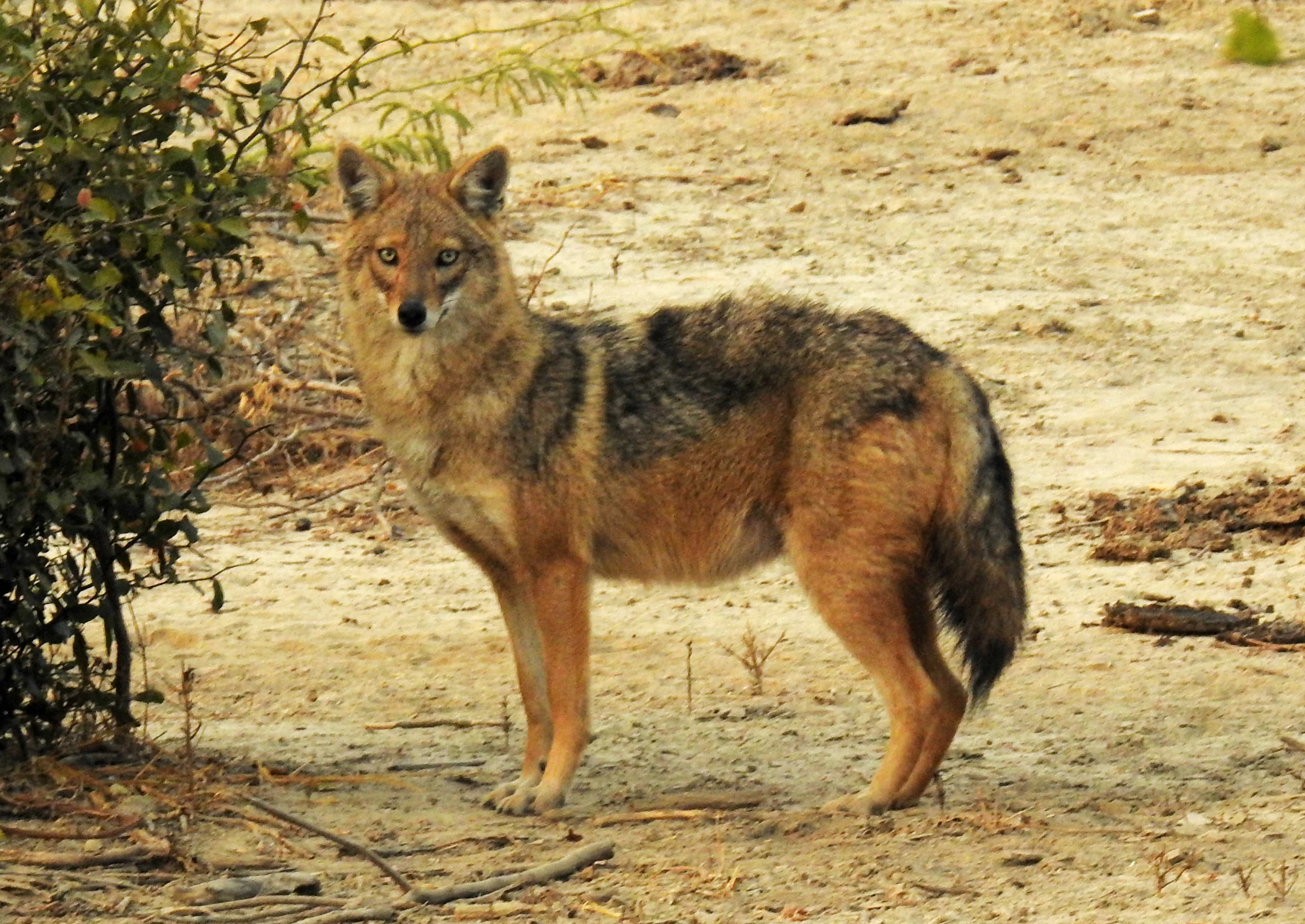
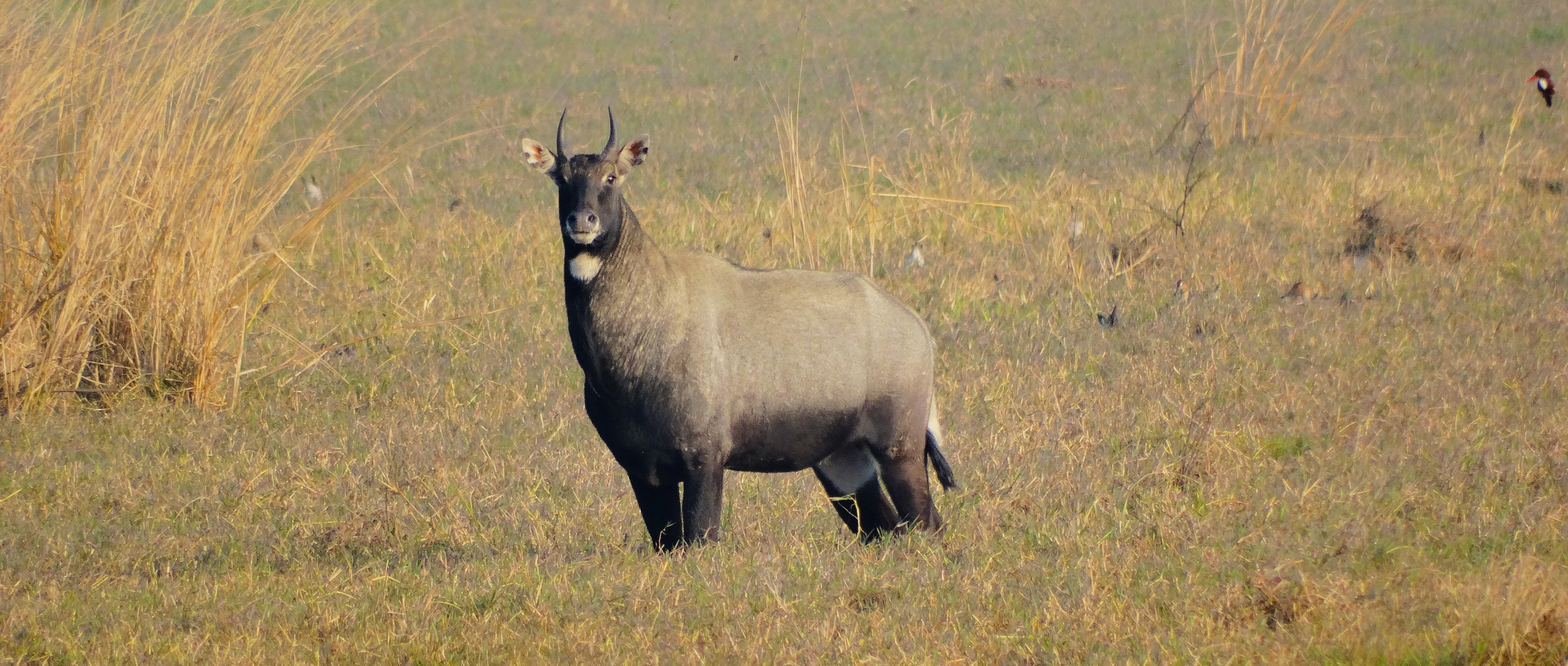
The wildlife of Keoladeo National Park is exceptional in both diversity and concentration, with the park serving as one of India's most important habitats for avian populations. More than 370 bird species have been recorded in the park, making it a destination of global significance for ornithologists and birdwatchers. The wetland hosts impressive congregations of waterfowl including gadwall, shoveler, common teal, cotton teal, tufted duck, knob-billed duck, and bar-headed goose. Large waterbirds such as the little cormorant, great cormorant, Indian shag, painted stork, white spoonbill, Asian open-billed stork, and Oriental ibis are commonly observed. Greater flamingos, spot-billed pelicans, and great white pelicans add to the spectacle, while the demoiselles crane and sarus crane represent the park's crane species. The critically endangered Siberian crane historically wintered here, though the last confirmed sightings occurred in 2001-02. Beyond birds, the park supports 27 mammalian species including nilgai, chital deer, sambar, blackbuck, and wild boar, along with smaller carnivores such as jungle cat, leopard cat, fishing cat, golden jackal, and striped hyena. The reptile and amphibian populations include seven turtle species, five lizard species, thirteen snake species, and seven amphibian species.
Keoladeo National Park conservation status and protection priorities

Keoladeo National Park holds significant conservation importance at both national and international levels, recognized through its dual designation as a UNESCO World Heritage Site and a Ramsar Wetland. The park's inscription as a World Heritage Site in 1985, subsequently reclassified under criterion x in 2005, acknowledges its role as one of the most important natural habitats for in-situ conservation of biological diversity, particularly for threatened species of outstanding universal value. The Ramsar designation in 1981 further elevates the park's status as a wetland of international importance. Conservation challenges have included water scarcity, particularly during severe droughts such as those experienced in 2007, which negatively impacted the ecosystem and reduced migratory bird arrivals. Management issues involve controlling invasive species such as mesquite (Prosopis juliflora) and addressing conflicts between wildlife conservation and local community needs, including grazing rights and resource access. Efforts to protect the park have included international collaborations focused on crane conservation, with projects involving the Governments of India and Russia, the International Crane Foundation, and the Wild Bird Society of Japan.

Keoladeo National Park cultural meaning and human context

The cultural context of Keoladeo National Park is intertwined with the history of Bharatpur and the broader region of Rajasthan. The park's name derives from the Keoladeo temple dedicated to Lord Shiva, adding a religious dimension to the area's identity. The local name Ghana, meaning dense forest, reflects the historical vegetation that characterized the landscape before extensive modification. The area's development as a duck shooting reserve in 1899 occurred during the period of British colonial influence and the rule of the Maharaja of Bharatpur, representing a particular historical approach to land use and wildlife management that was common among princely states. The subsequent transformation of the reserve into a protected sanctuary was significantly influenced by the advocacy of Salim Ali, whose work helped establish the conservation paradigm that characterizes the park today. The reserve also provides ecosystem services to local communities, including protection from flash floods and grazing pastures for cattle and livestock, creating ongoing relationships between human populations and the protected area.
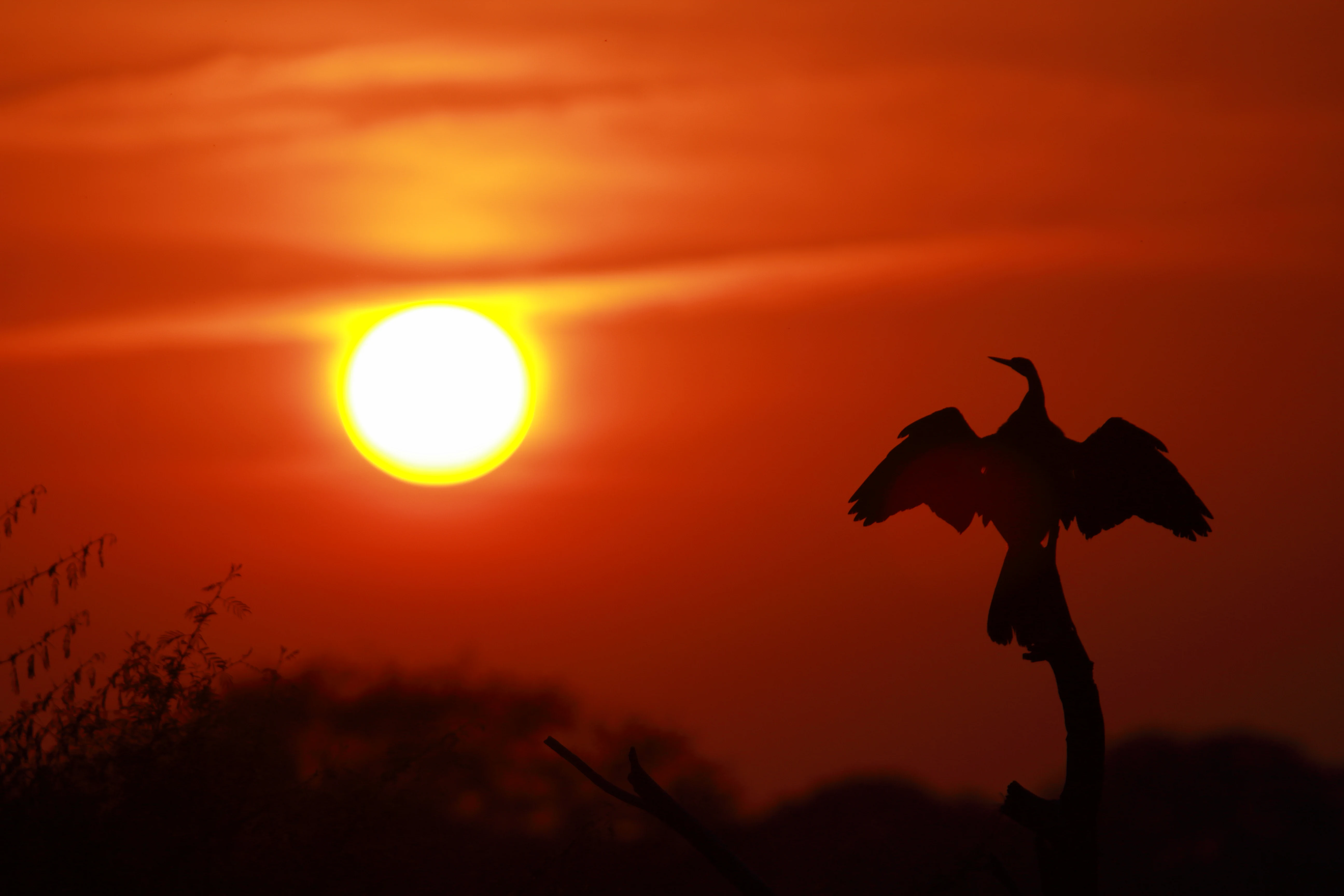
Top sights and standout views in Keoladeo National Park

Keoladeo National Park stands out as one of the world's premier birdwatching destinations, offering the opportunity to observe more than 370 bird species in a compact and accessible wetland setting. The park's extraordinary concentrations of migratory waterfowl, particularly during the winter months from October to March, create spectacular wildlife viewing opportunities. The presence of both resident nesting birds and transient species from across Eurasia provides remarkable diversity throughout the year. The park's unique position at the desert-tropics interface supports ecological communities found nowhere else in India, with the wetland providing crucial habitat at a critical juncture in the Central Asian flyway. The successful conservation story of transforming a royal hunting ground into a protected national park demonstrates the potential for positive environmental change when scientific understanding and advocacy align with policy action.
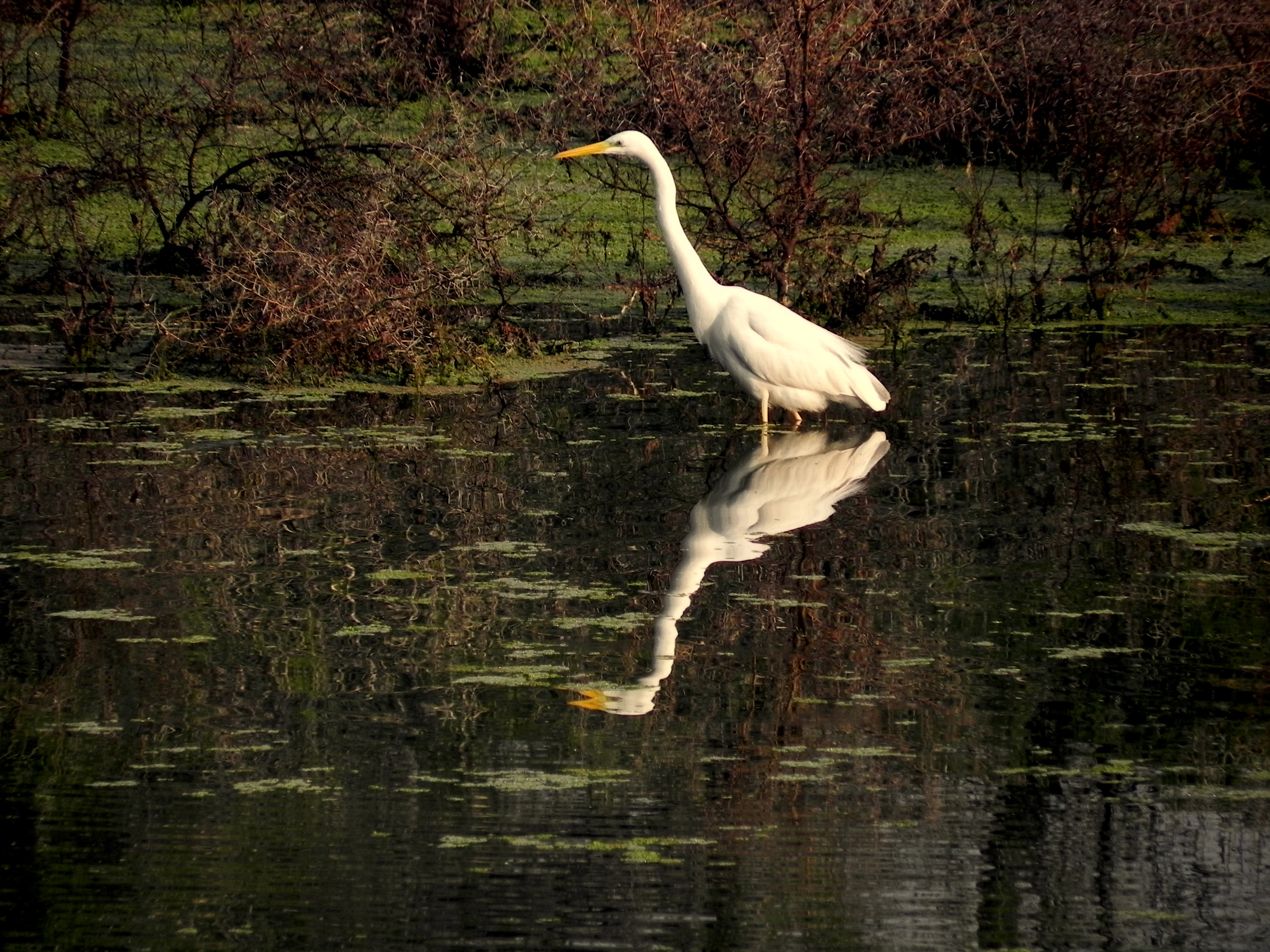
Best time to visit Keoladeo National Park

The optimal time to visit Keoladeo National Park is during the winter season from October to March, when the park hosts the greatest diversity and abundance of migratory birds. This period corresponds with the arrival of waterfowl escaping harsh winters in Eurasia, creating optimal conditions for birdwatching and wildlife observation. November and December are particularly rewarding months for viewing cranes, including the demoiselles crane and sarus crane, as well as large flocks of waterfowl such as bar-headed geese and various duck species. The summer months from April to June bring extreme heat, with temperatures regularly exceeding 40°C, and many bird species become less active during the hottest parts of the day. The monsoon season from July to September brings relief from the heat but also creates challenging conditions for visitors, with the park receiving most of its annual rainfall during this period. The park remains open to visitors throughout the year, though the experience differs substantially between seasons, with winter offering the most productive and comfortable conditions for exploration.

Park location guide

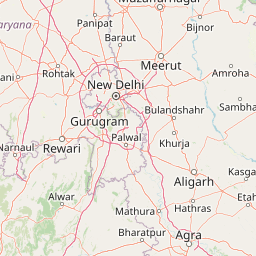
Geography guide, regional context, and park location map for Keoladeo National Park

Keoladeo National Park park geography, regions, and map view in India
Understand where Keoladeo National Park sits in India through a broader geographic reading of the surrounding landscape, nearby location context, and its mapped position within the national park landscape.

How Keoladeo National Park fits into India

India is a South Asian country bordered by the Indian Ocean, Arabian Sea, and Bay of Bengal. It shares land borders with Pakistan, China, Nepal, Bhutan, Bangladesh, and Myanmar. The country has a population of over 1.4 billion people and operates as a federal parliamentary republic with its capital in New Delhi.

Wider geography shaping Keoladeo National Park in India

India occupies the Indian subcontinent in South Asia, bordered by the Arabian Sea to the southwest, the Bay of Bengal to the southeast, and the Indian Ocean to the south. It shares land borders with Pakistan to the west, China, Nepal, and Bhutan to the north, and Bangladesh and Myanmar to the east. The territory also includes the Andaman and Nicobar Islands in the Indian Ocean.

Map view of Keoladeo National Park

Use this park location map to pinpoint Keoladeo National Park in India, understand its exact geographic position, and read its mapped placement within the surrounding landscape more clearly.

Pigeon | © OpenStreetMap contributors

Location context for Keoladeo National Park

Rajasthan
Park atlas

Compare regional park geography and trace protected landscapes across India's diverse ecosystems

Explore Nearby National Parks and Protected Areas Beyond Keoladeo National Park
Explore other national parks and protected areas geographically relevant to Keoladeo National Park, tracing diverse conservation landscapes across India's regional context. Broaden your understanding of India's protected areas by comparing adjacent regions, mapped terrain, and ecological transitions, offering an atlas-style view of subcontinent park geography.
National parkRajasthan

Ranthambore National Park: Protected Area Atlas and Dry Deciduous Landscape Exploration

Discover its unique terrain and mapped boundaries.

Dive into the protected landscape of Ranthambore National Park, a nationally significant protected area in Rajasthan, India. This page offers detailed insights into its dry deciduous forest ecosystem, characterized by rocky hills, open grasslands, and vital lakes. Explore the park's mapped boundaries and understand its position within the regional geography, providing an atlas-centric view of its terrain and conservation importance.

Area
1,334 km²
Established
1980
IUCN
II
National parkMadhya Pradesh

Kuno National Park: Madhya Pradesh National Park Atlas and Protected Landscape

Explore its diverse dry deciduous forests and savannah terrain.

Kuno National Park is a protected area in Madhya Pradesh, India, renowned for its dry deciduous forest and savannah grassland ecosystems. This national park, bisected by the Kuno River, offers a significant landscape for understanding regional geography and conservation efforts within India. Its varied terrain provides essential habitat and contributes to the broader atlas of protected lands, making it a key destination for geographic discovery.

Area
748.76 km²
Established
2018
IUCN
II
National parkRajasthan

Mukundara Hills National Park: Rajasthan's Protected Landscape for Tigers and Diverse Habitats

Explore its dry deciduous forests, rocky hills, and riverine ecosystems.

Mukundara Hills National Park is a significant national park and tiger conservation landscape situated in eastern Rajasthan, India. This protected area features a varied terrain encompassing rocky hills, dry deciduous forests, and crucial grassland patches, all intersected by major rivers like the Chambal. Its ecological importance lies in providing vital habitat for Bengal tigers and a mosaic of landscapes that support a wide array of wildlife. Understanding its mapped boundaries and geographic context reveals its critical role in regional conservation efforts and provides a rich atlas-level view of protected lands in western India.

Area
759.99 km²
Established
2004
IUCN
II
National parkUttarakhand

Rajaji National Park: Uttarakhand National Park and Tiger Reserve Landscape

Sivalik Hills geography and protected area context

Rajaji National Park is a vital protected landscape situated in the Uttarakhand region of India, recognized as both a national park and a tiger reserve. Its territory spans across the Sivalik Hills, offering a diverse terrain characterized by deciduous forests and riparian ecosystems. The park's location along the Ganga river significantly influences its ecology, providing a unique geographic context for its protected status and wildlife significance.

Area
820.5 km²
Established
1983
IUCN
II
National parkLakhimpur Kheri district

Dudhwa National Park: Terai Grasslands and Alluvial Plain Geography within Lakhimpur Kheri

Discover the mapped protected landscape of this vital Indian national park.

Dudhwa National Park in Lakhimpur Kheri district stands as a crucial example of the Terai grassland ecosystem, characterized by its expansive alluvial plains and marshy habitats. This page provides an atlas-style exploration of its protected landscape, detailing the unique terrain and geographic context essential for understanding its conservation significance.

Area
614 km²
Established
1977
IUCN
II
Visitors
26K annual
National parkHaryana

Kalesar National Park: Exploring Haryana's Unique Sal Forest Protected Landscape

Discover mapped terrain and regional geography within the Shivalik foothills.

Kalesar National Park, located in the Shivalik foothills of Haryana, is a crucial protected area renowned for its natural sal forest, a rare ecological feature in the state. Spanning approximately 53 square kilometers, the park's diverse terrain offers insights into regional geography and conservation, serving as a vital habitat for leopards and a corridor for wild elephants. Its mapped boundaries encompass a unique landscape that contrasts sharply with surrounding agricultural lands, making it a significant point of study for protected-area enthusiasts.

Area
53 km²
Established
2003
IUCN
IV
National parkBardiya District

Bardiya National Park: Nepal's Expansive Terai Protected Landscape and Atlas

Mapped geography, tiger habitat, and rhino conservation in Bardiya District.

Bardiya National Park represents a significant protected area within Nepal's Terai lowlands, providing an exceptional resource for geographic discovery. Its diverse terrain, including vast grasslands and dense forests bisected by major river systems like the Karnali and Babai, creates unique ecosystems. As the largest national park in Nepal, it is instrumental in mapping wildlife corridors and understanding regional landscape dynamics, particularly for endangered species such as Bengal tigers and Indian rhinoceroses. This park offers a profound glimpse into the mapped natural heritage of the Bardiya District.

Area
968 km²
Established
1988
IUCN
II
National parkUttarakhand

Nanda Devi National Park: High-Altitude Protected Landscape and Himalayan Geography

Explore mapped glacial basins and alpine terrain in Uttarakhand.

Nanda Devi National Park is a prime example of a high-altitude protected area, nestled in the Garhwal Himalayas of Uttarakhand, India. Established in 1982, this national park protects a vast glacial sanctuary, renowned for its dramatic peaks, including Nanda Devi, India's second-highest mountain. The park's landscape is defined by rugged terrain, extensive glaciers like the Uttari Rishi and Dakshini Rishi, and a striking ring of mountains over 6,000 meters, providing critical context for understanding protected land geography and Himalayan atlas exploration.

Area
630.33 km²
Established
1982
IUCN
II

Common questions about visiting, size, designation, and location context for Keoladeo National Park

Keoladeo National Park FAQs for park facts, access, geography, and protected area context
Find quick answers about Keoladeo National Park, including protected-area facts, park geography, trail and visitor context, and how the park fits into its surrounding country and regional landscape.
MoriAtlas Explorer

Continue Your Protected Areas Search Across the Global Atlas

Deepen your exploration by continuing the structured search for national parks and protected areas worldwide. Utilize the comprehensive filtering capabilities to compare different conservation landscapes and refine your understanding of global park geography. Discover more about the distribution and characteristics of protected natural areas.

Global natural geography