Why Khangai Nuruu National Park stands out
Khangai Nuruu National Park is best known for its exceptional ecological diversity, encompassing multiple habitat types including steppe, riparian forests, larch taiga, and alpine meadows within a single protected area. The park protects critical habitat for endangered raptors including Pallas's fish eagle and the Saker's Falcon, earning recognition as an Important Bird Area from BirdLife International. The transition between two distinct ecoregions within the park, from the Khangai Mountains alpine meadow in the west to the Selenge-Orkhon forest steppe along the Orkhon River in the east, creates a unique mosaic of ecosystems that supports notable biodiversity.
Khangai Nuruu National Park history and protected-area timeline
Khangai Nuruu National Park was established in 1996 as part of Mongolia's expanding national park system during the country's transition period following the end of the socialist era. The creation of the park reflected Mongolia's commitment to conserving its unique mountain and steppe ecosystems, particularly in the ecologically diverse Khangai Mountains region. The Ministry of Environment and Green Development of Mongolia serves as the governing body responsible for park management and conservation efforts. Since establishment, the park has been recognized for its biodiversity value, particularly through its designation as an Important Bird Area by BirdLife International, highlighting the global significance of the raptor populations it protects.
Khangai Nuruu National Park landscape and geographic character
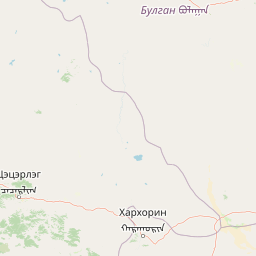
The landscape of Khangai Nuruu National Park is defined by the rolling, rounded terrain characteristic of the Khangai Mountains, with bare rock exposed at the highest elevations while lower slopes support productive vegetation. The park's western sector features the Tuin River flowing southward through mountainous terrain, while the eastern half follows the upper Orkhon River valley, a watercourse of significant historical and ecological importance in Mongolia. The valley floors are relatively flat, supporting steppe vegetation communities, while the surrounding slopes transition through forested zones to alpine meadows at the highest elevations. Within the south-central portion of the park lies the Khuisiin Naiman Nuur, or Eight Lakes, Nature Reserve, adding further ecological and landscape diversity to the protected area.
Khangai Nuruu National Park ecosystems, habitats, and plant life
The nature of Khangai Nuruu National Park is distinguished by its remarkable habitat diversity, encompassing four distinct ecosystem types within a single protected area. The relatively flat valley floors support steppe vegetation communities, while rivers and streams are bordered by riparian forests that provide critical habitat corridors. The higher slopes feature extensive larch taiga forests, along with pine and mixed forest communities, creating a forested zone that transitions to alpine meadows at the highest elevations around 2,700 metres. This vertical zonation, combined with the park's position spanning two major ecoregions, creates exceptional ecological complexity. The western portion of the park falls within the Khangai Mountains alpine meadow ecoregion, while the eastern sector along the Orkhon River is part of the Selenge-Orkhon forest steppe ecoregion, each supporting distinct assemblages of plant and animal species.
Khangai Nuruu National Park wildlife and species highlights
Khangai Nuruu National Park supports significant wildlife populations, with particular importance attached to its endangered raptor species. The park provides critical habitat for Pallas's fish eagle, a species listed as endangered, which inhabits the riparian zones and wetland areas along the Orkhon River and other watercourses within the park. The Saker's Falcon, another endangered raptor species, is found throughout the steppe and forest-steppe habitats of the protected area. The combination of steppe, forest, and riparian habitats supports a diverse bird community, leading to the park's designation as an Important Bird Area by BirdLife International. The riparian forests along the rivers provide important nesting and foraging habitat for these apex predators, while the surrounding steppe and meadows support additional wildlife assemblages.
Khangai Nuruu National Park conservation status and protection priorities
Khangai Nuruu National Park holds IUCN Category II protection status, recognizing its significance as a national park that protects natural ecosystems of outstanding value. The park's conservation importance is amplified by its role in protecting habitat for globally endangered species, including Pallas's fish eagle and the Saker's Falcon, both of which face significant population pressures across their ranges. The designation as an Important Bird Area by BirdLife International acknowledges the park's critical role in global bird conservation, particularly for raptor species. The park's management under Mongolia's Ministry of Environment and Green Development aims to balance conservation of these significant ecosystems while maintaining the ecological processes that support the region's biodiversity.
Khangai Nuruu National Park cultural meaning and human context
The Khangai Nuruu National Park region holds deep historical significance within Mongolian cultural heritage. The eastern portion of the park follows the Orkhon River valley, an area of tremendous historical importance that was home to the Mongol Empire's capital at Kharkhorin. The Orkhon River valley is considered one of the cradles of Mongolian civilization, with archaeological evidence of human habitation spanning millennia. The park's landscape has been shaped by the traditional pastoralist cultures that have moved through these mountains and valleys for generations, creating the cultural and ecological context that defines this region of central Mongolia.
Top sights and standout views in Khangai Nuruu National Park
Khangai Nuruu National Park offers visitors the opportunity to experience one of Mongolia's most ecologically diverse protected areas, with its unique combination of alpine meadows, larch taiga forests, riparian woodlands, and steppe environments. The park's position spanning the transition between the Khangai Mountains alpine meadow and Selenge-Orkhon forest steppe ecoregions creates remarkable ecological diversity within a single protected landscape. The presence of endangered raptors including Pallas's fish eagle and the Saker's Falcon provides exceptional wildlife observation opportunities, particularly along the Orkhon River corridor. The Eight Lakes area in the south-central sector adds further attraction to this mountain wilderness.
Best time to visit Khangai Nuruu National Park
The best time to visit Khangai Nuruu National Park is during the summer months of June through August, when temperatures are mild and the alpine meadows are in bloom. This period offers the most accessible conditions for exploration of the park's diverse habitats, with the steppe and forest areas at their most productive. The cold semi-arid climate means that winter conditions are severe, with significant snowfall and cold temperatures limiting access. Summer visits allow for observation of the park's wildlife in active periods, though visitors should be prepared for the variable mountain weather conditions that characterize this region of central Mongolia.