
Why Pribaikalsky National Park stands out
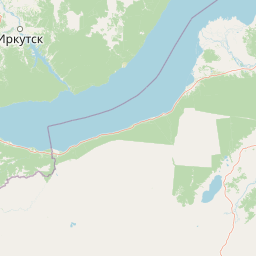
Pribaikalsky is best known for protecting the extraordinary biodiversity of Lake Baikal, the world's deepest and oldest freshwater lake, which contains approximately 20% of the planet's unfrozen surface freshwater. The park's Olkhon Island holds deep spiritual significance for the Buryat people and features the sacred Shaman Rock formation. The combination of ancient taiga forests, endemic species, dramatic island landscapes, and the lake's remarkable clear waters makes this one of Russia's most ecologically significant protected areas. The Great Baikal Trail traverses the park's western coastline, offering visitors access to some of the most scenic vistas in Siberia.
Pribaikalsky National Park history and protected-area timeline
The lands comprising Pribaikalsky National Park have been inhabited since ancient times, with archaeological evidence concentrated along the lakeshore where human settlement traces extend back through millennia. The indigenous Buryat people have maintained a continuous presence on Olkhon Island, where approximately 1,500 Buryat residents continue traditional ways of life connected to the land and spiritual practices centered on the island's sacred sites. Pribaikalsky National Park was established in 1986 alongside the Baikal-Lensky Nature Reserve, both placed under the unified management of FGBU Zapovednoe Baikal. This administrative arrangement reflects the integrated approach to protecting the broader Baikal region, where multiple protected areas work collectively to safeguard the lake's exceptional ecosystem. Within the park's boundaries, small settlements such as Bolshie Koty illustrate the long human presence in this landscape, demonstrating how communities have coexisted with the natural environment throughout the region's history.
Pribaikalsky National Park landscape and geographic character
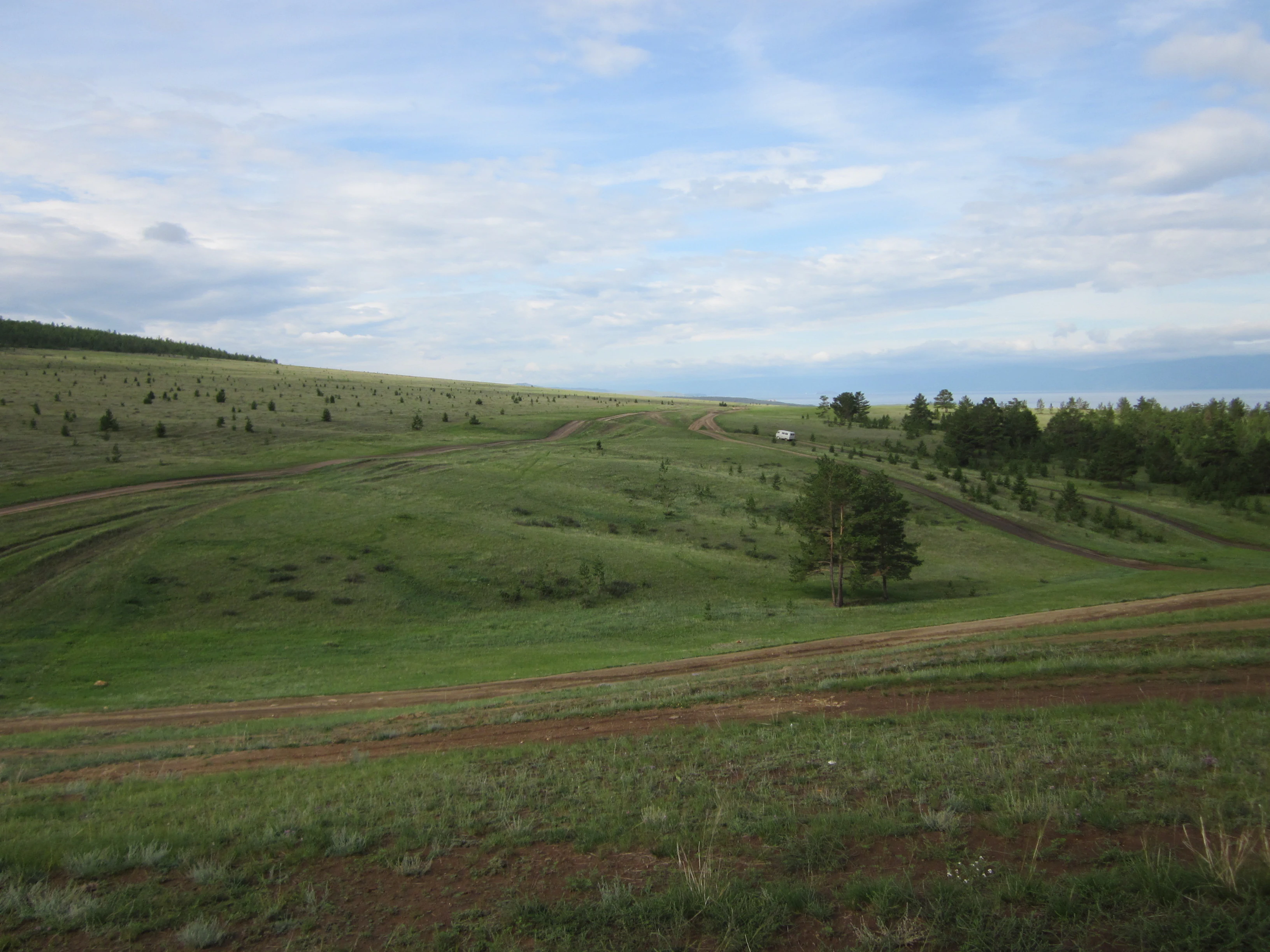
The topography of Pribaikalsky National Park presents a striking combination of mountain terrain, coastal cliffs, and island landscapes. The Primorsky Range rises steeply from the lake's western shore, with elevations reaching 1,100 meters in the southern portions of the park and climbing to 1,500 meters in the north. These mountains feature a uniform distribution of small, mountainous rivers, each typically under 10 kilometers in length, which drain rainfall and snowmelt westward into Lake Baikal. The park's offshore islands include Olkhon, the world's fourth-largest lake-bound island, stretching 71 kilometers in length and 21 kilometers across with a total area of 730 square kilometers. Despite its size, Olkhon Island receives relatively little precipitation, averaging only 10 inches annually, resulting in limited surface water and just one lake on the island. The landscape also includes the Angara River corridor, the only outflow from Lake Baikal, which carries water westward through the park toward the Yenisei River system. Steppe and karst lakes punctuate the terrain in certain areas, adding ecological variety to the predominantly forested landscape.
Pribaikalsky National Park ecosystems, habitats, and plant life
Pribaikalsky National Park occupies a critical position within the East Siberian taiga, representing the high end of precipitation for this vast ecoregion that spans most of central Siberia. The park's forests display distinct zonation according to elevation and moisture gradients: steppe pine and larch dominate the lower slopes facing the lake, while Siberian pine and fir occupy the wetter ridgelines above. Valley bottoms support mixed forests of spruce, larch, alder, aspen, and birch, creating a layered landscape of ecological complexity. The biodiversity figures for the park and its surroundings are extraordinary, with 1,385 species and subspecies of vascular plants documented, alongside 339 moss species, 676 lichens, and 655 fungi. Of these, 557 species are endemic to the Baikal region, reflecting the long evolutionary isolation of this freshwater system and the diverse microhabitats created by the mountainous terrain. The lake itself belongs to the Lake Baikal freshwater ecoregion, characterized by oxygen-saturated waters that remain clear to great depths and low calcium content.
Pribaikalsky National Park wildlife and species highlights
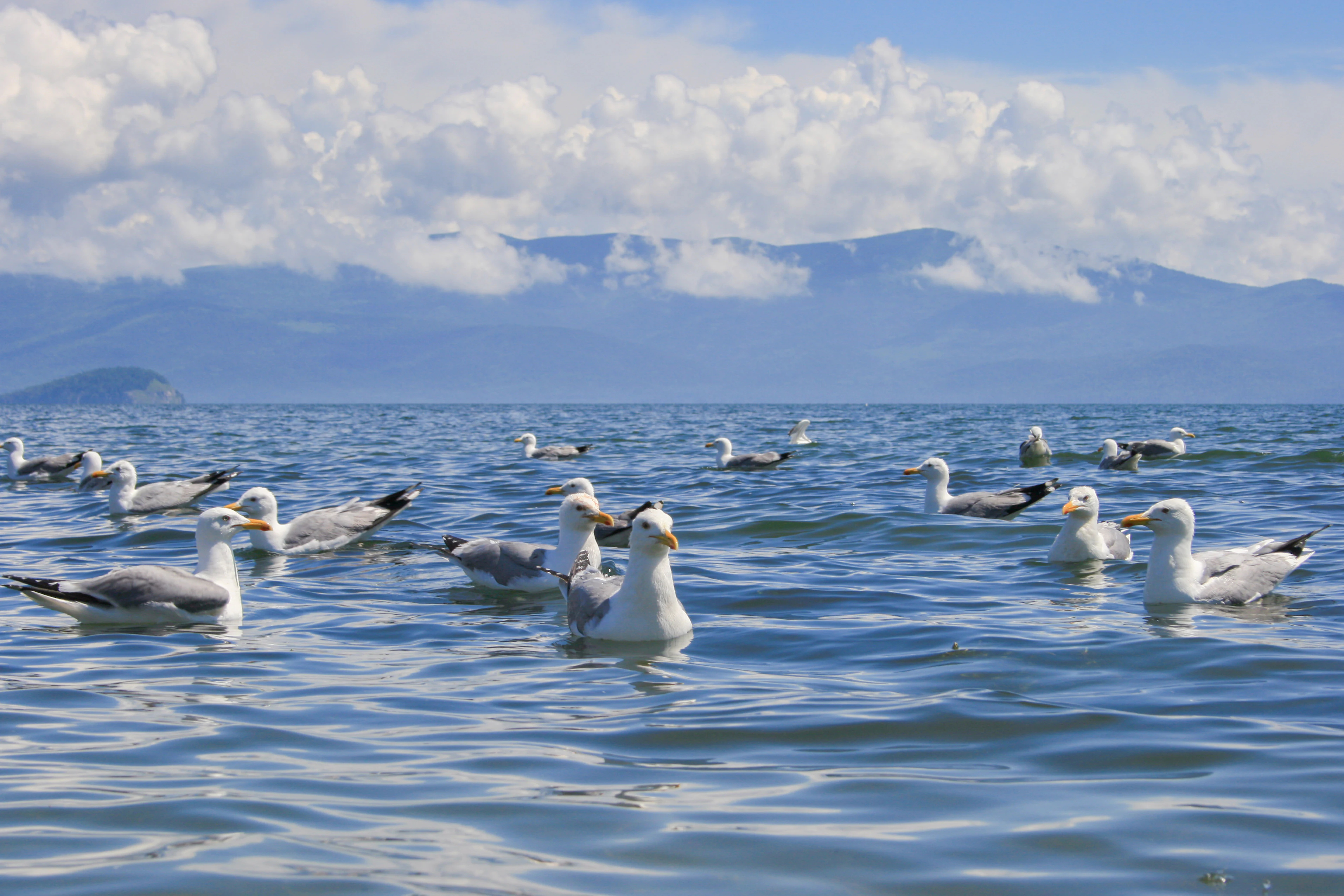
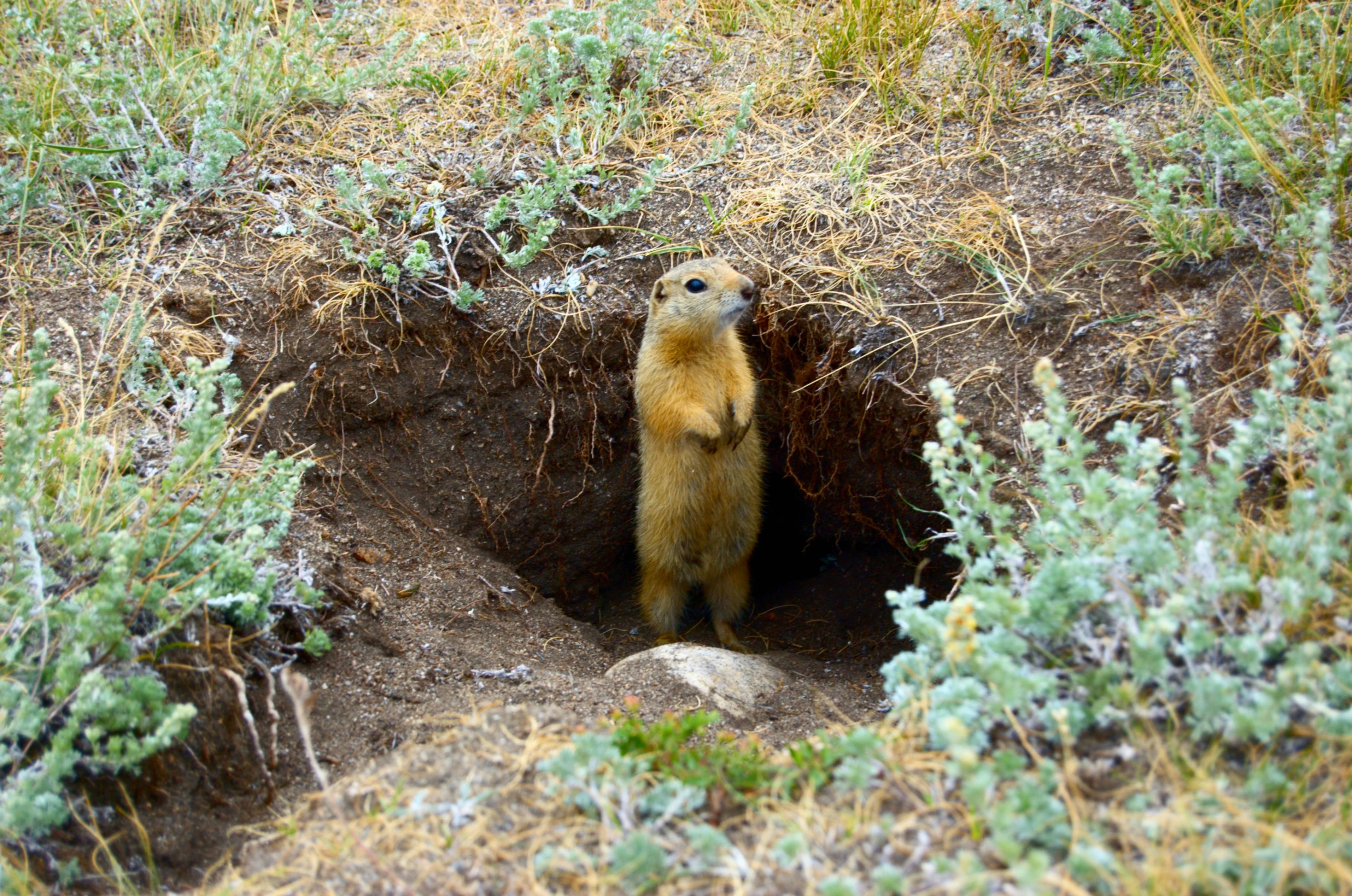
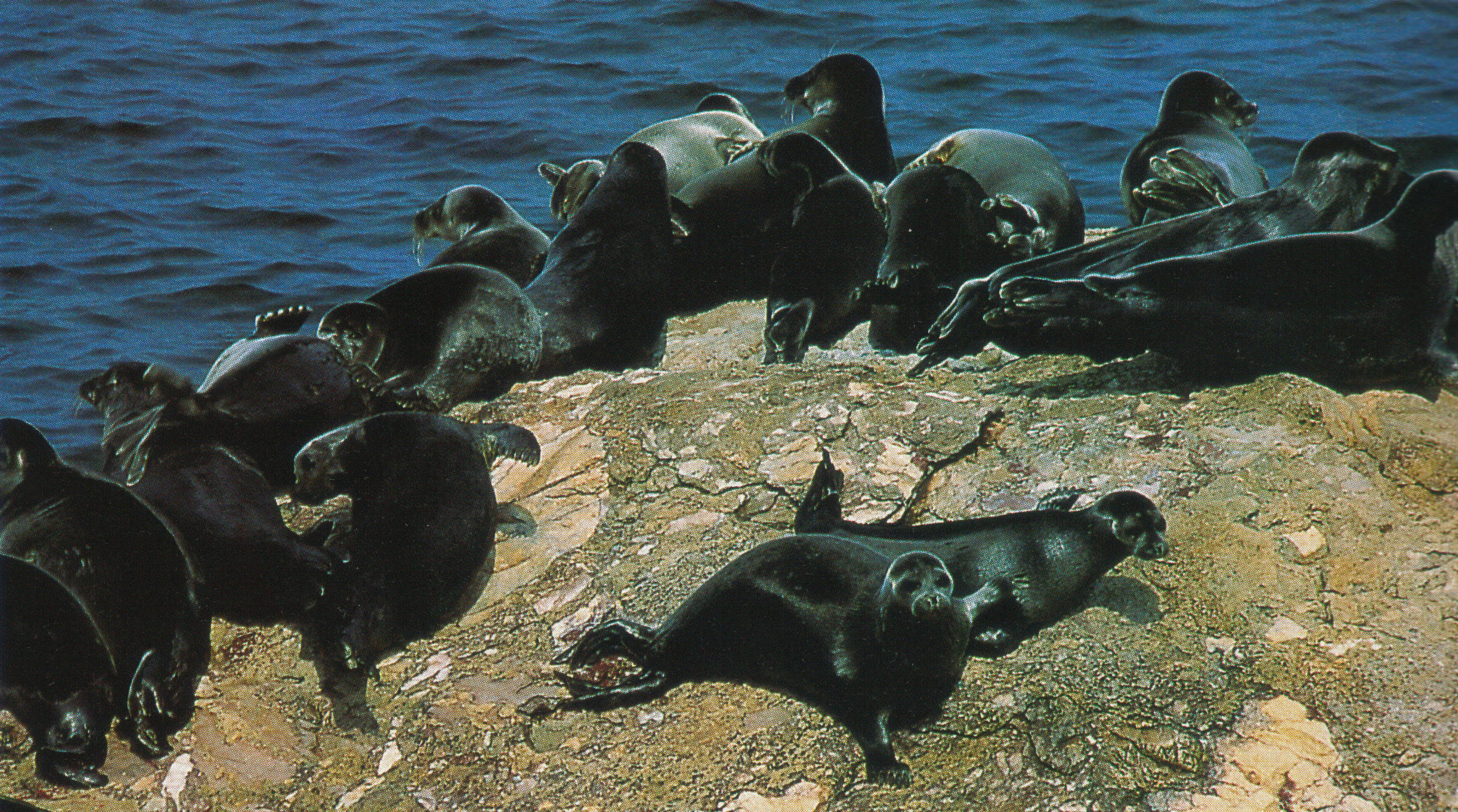
The animal life of Pribaikalsky National Park matches the botanical diversity in richness and endemism, with over 2,500 species recorded within the park's boundaries and many found nowhere else on Earth. Terrestrial vertebrates number 220 species, with ungulates including Caspian deer, Siberian roe deer, and moose representing the characteristic large mammals of the Siberian taiga. Carnivores such as sables, Siberian weasels, and ermines patrol the forest understory, while steppe sections in the park's southern reaches support species more typical of open grasslands, including steppe polecats, long-tailed sousliks, meadow larks, and black kites. Rocky outcrops and islands provide nesting habitat for rock doves and Siberian swifts. The lake itself harbors the Baikal seal, the world's only freshwater seal species and a remarkable example of marine mammal adaptation to an inland water body. The surrounding waters support diverse fish populations and seasonal concentrations of waterfowl, with Mongolian herring gulls among the visible avian residents.
Pribaikalsky National Park conservation status and protection priorities
As a core component of the UNESCO World Heritage Site recognizing Lake Baikal, Pribaikalsky National Park carries international responsibility for preserving one of Earth's most significant natural areas. The park's conservation significance stems from multiple factors: the lake's extraordinary biodiversity and endemism with thousands of species found nowhere else, the ancient and relatively untouched state of the Baikal ecosystem, and the role the protected area plays in maintaining water quality for the region's freshwater supply. Managing over 400,000 annual visitors while maintaining ecological integrity represents a core challenge, requiring careful balancing of recreational access with habitat protection. The park operates year-round, with winter months offering unique opportunities to experience the frozen lake's ice formations through skiing, skating, and snowmobile trails along the Great Baikal Trail. The integrated management approach linking Pribaikalsky with other Baikal-region protected areas under FGBU Zapovednoe Baikal reflects the understanding that comprehensive conservation requires landscape-scale coordination.
Pribaikalsky National Park cultural meaning and human context
The cultural dimension of Pribaikalsky centers on Olkhon Island, where the Buryat people have maintained a continuous presence for generations and where spiritual traditions remain connected to the landscape. Approximately 1,500 Buryat residents live on the island, practicing traditional customs and maintaining sacred sites that reflect the deep historical relationship between indigenous communities and this particular place. Shaman Rock, a prominent formation rising from the waters near Olkhon's shore, represents one of the most significant spiritual landmarks in the region, drawing practitioners and visitors interested in the traditional belief systems of Siberia's Turkic and Mongolian peoples. The presence of archaeological sites concentrated along the lake shore attests to even older human occupation of the region, with evidence of human activity extending back through centuries of continuous cultural presence in this landscape.
Top sights and standout views in Pribaikalsky National Park
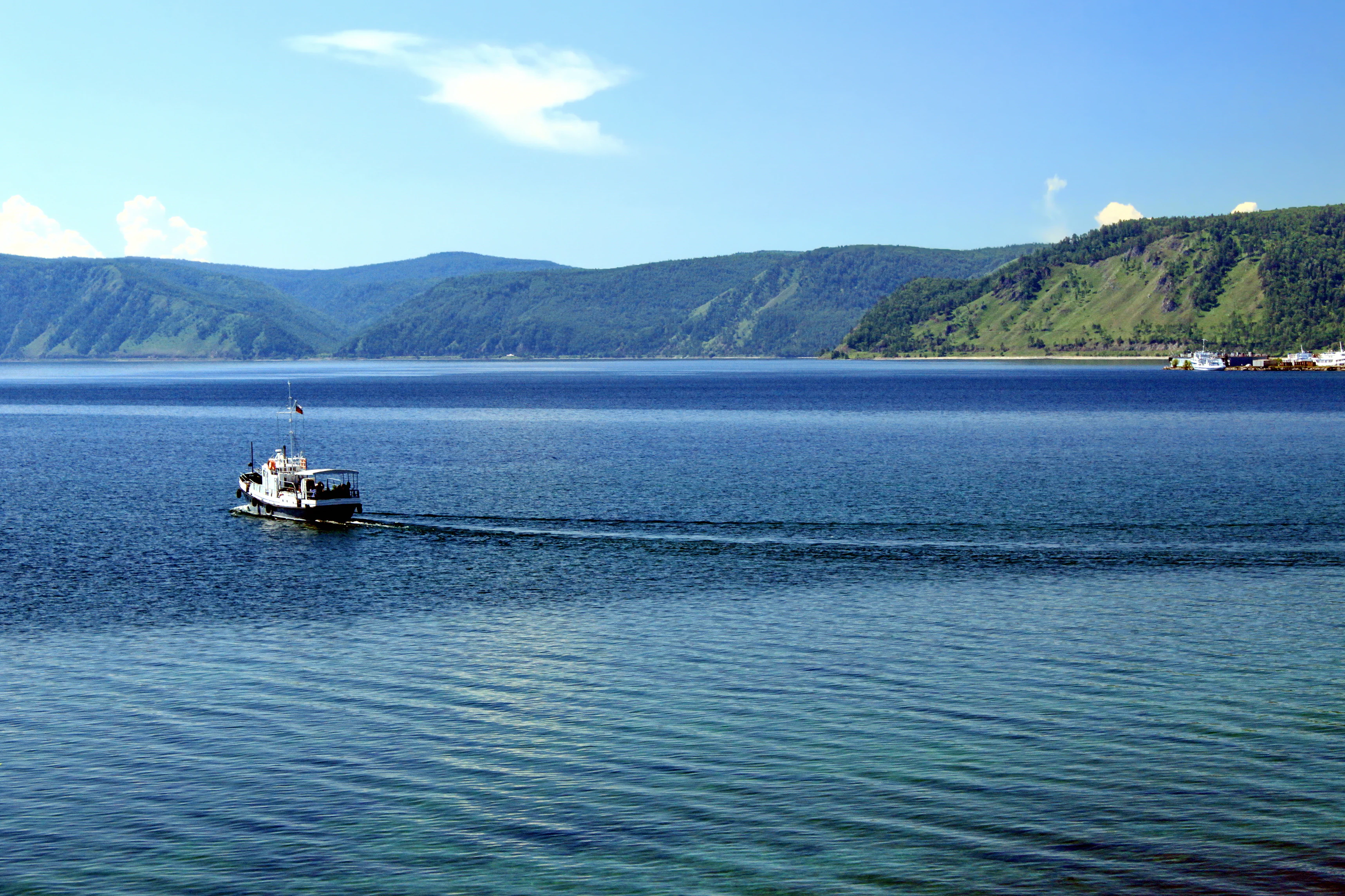
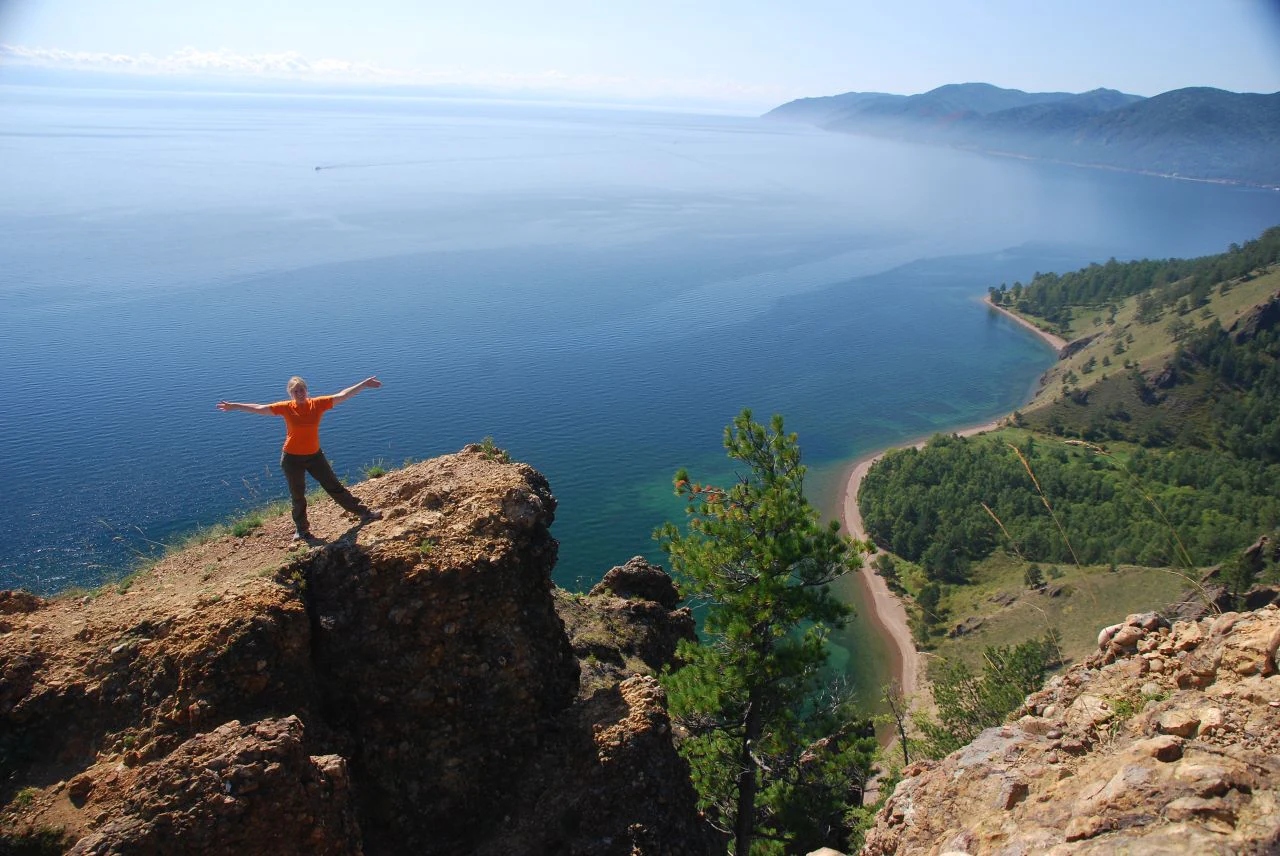
Pribaikalsky National Park offers visitors access to some of Siberia's most spectacular natural scenery, from the dramatic cliff faces along the lake's western shore to the forested interior of Olkhon Island. The Great Baikal Trail provides the primary hiking corridor through the park, following the coastline to connect settlements and scenic viewpoints. Listvyanka, positioned at the point where the Angara River exits Lake Baikal, serves as the main visitor hub with facilities, accommodations, and access to the park's interpretive resources. Winter transforms the park into a dramatically different experience, with the frozen lake surface allowing travel across ice to reach otherwise inaccessible areas. The contrast between the rugged mountain backcountry and the serene, crystal-clear waters of the world's deepest lake creates an experience distinct among Earth's protected landscapes.
Best time to visit Pribaikalsky National Park
Pribaikalsky National Park welcomes visitors year-round, with each season offering distinctly different experiences of the Baikal region. Summer months bring warm conditions ideal for hiking, wildlife observation, and boat travel to Olkhon Island, though this period also coincides with the highest visitor numbers. Autumn transforms the landscape with brilliant foliage colors across the taiga forests, creating exceptional photographic conditions. Winter, despite the extreme cold, draws visitors seeking the unique experience of walking on Lake Baikal's frozen surface, viewing the ice formations known as ice hummocks, and traveling via snowmobile or ski along winter trails. The frozen lake typically forms solid ice from January through May, creating a winter landscape unlike any other freshwater environment. Spring brings the dramatic breakup of winter ice and the renewal of wildlife activity throughout the park, though this transitional period sees fewer visitors than the peak summer season.