Mori Atlas logo
National parkChikoy National Park

Discover the mapped landscape and protected boundaries of a unique taiga-steppe transition zone.

Chikoy National Park: Protected National Park within Zabaykalsky Krai's Highland Geography

Chikoy National Park, established in 2014, safeguards the vital upper reaches of the Chikoy River within Russia's Zabaykalsky Krai. This protected national park lies within the Khentei-Daur Highlands, representing a crucial ecological transition where Siberian taiga meets Mongolian steppe. As a key component of the Lake Baikal ecoregion, Chikoy National Park offers rich geographic context through its mountainous terrain, river basin, and the prominent Bystrinsky Golets peak, making it a significant destination for structured atlas exploration.

Siberian protected areaDaurian forest steppeLake Baikal ecoregionKhentei-Daur HighlandsMountain parksRiver basin protection

Chikoy National Park

National park

Park overview

Structured park overview, official facts, and landscape profile for Chikoy National Park

Chikoy National Park park facts, protected area profile, and essential visitor context
Review the core facts for Chikoy National Park, including designation, size, terrain, visitor scale, habitats, and operating context in one park-focused overview.

About Chikoy National Park

Chikoy National Park was officially established in 2014 as a Category II protected area under the IUCN classification system. The park is situated in the mountainous border region where south-central Siberia meets Mongolia, placing it within the Khentei-Daur Highlands. The primary conservation purpose centers on preserving the unique natural complexes found in the upper reaches of the Chikoy River, which ultimately flows into Lake Baikal. The park's location at approximately 49°46′N 110°18′E positions it on the southeastern edge of the Lake Baikal ecoregion, a region of significant ecological importance. While the park's management encourages controlled tourism and sport fishing activities to provide sustainable visitor engagement, it maintains strict prohibitions against hunting and road construction to protect the area's ecological integrity. The park is administered by Russia's Ministry of Natural Resources and Environment.

Quick facts and research context for Chikoy National Park

Chikoy National Park covers 666,468 hectares in the transition zone between the Siberian taiga and Mongolian steppe ecosystems. The park lies in the Khentei-Daur Highlands at the upper reaches of the Chikoy River, with Bystrinsky Golets marking the highest point of the surrounding Chikokon Range. Established in 2014, the park is managed by Russia's Ministry of Natural Resources and Environment and forms part of the broader Lake Baikal ecoregion.

Park context

Deeper park guide and search-rich context for Chikoy National Park

Chikoy National Park history, landscape, wildlife, and travel context
Explore Chikoy National Park through its history, landscape character, ecosystems, wildlife, conservation priorities, cultural context, and seasonal travel timing in a structured park guide built for atlas discovery and search intent.

Why Chikoy National Park stands out

Chikoy National Park is distinguished by its location in the Khentei-Daur Highlands and its protection of the upper Chikoy River basin within the Lake Baikal ecoregion. The park encompasses Bystrinsky Golets, a natural monument and the highest peak of the Chikokon Range, serving as a defining geographic feature. The park also represents the transitional ecological zone where Siberian taiga gives way to Mongolian steppe, creating a diverse landscape of pine forests, mountain terrain, steppe, and alpine meadows.
Chikoy National Park history and protected-area timeline

Chikoy National Park was created in 2014 as a relatively recent addition to Russia's network of protected areas. The establishment of the park reflected a growing emphasis on preserving the unique natural complexes found in the upper reaches of the Chikoy River basin. The decision to designate this area as a national park came as part of broader conservation efforts in the Lake Baikal ecoregion, recognizing the ecological significance of the Khentei-Daur Highlands and the need to protect the transitional landscape where Siberian and Mongolian ecosystems meet. The park's creation explicitly prohibited hunting and road construction within its boundaries, reflecting a conservation-first approach to managing this sensitive highland environment.

Chikoy National Park landscape and geographic character

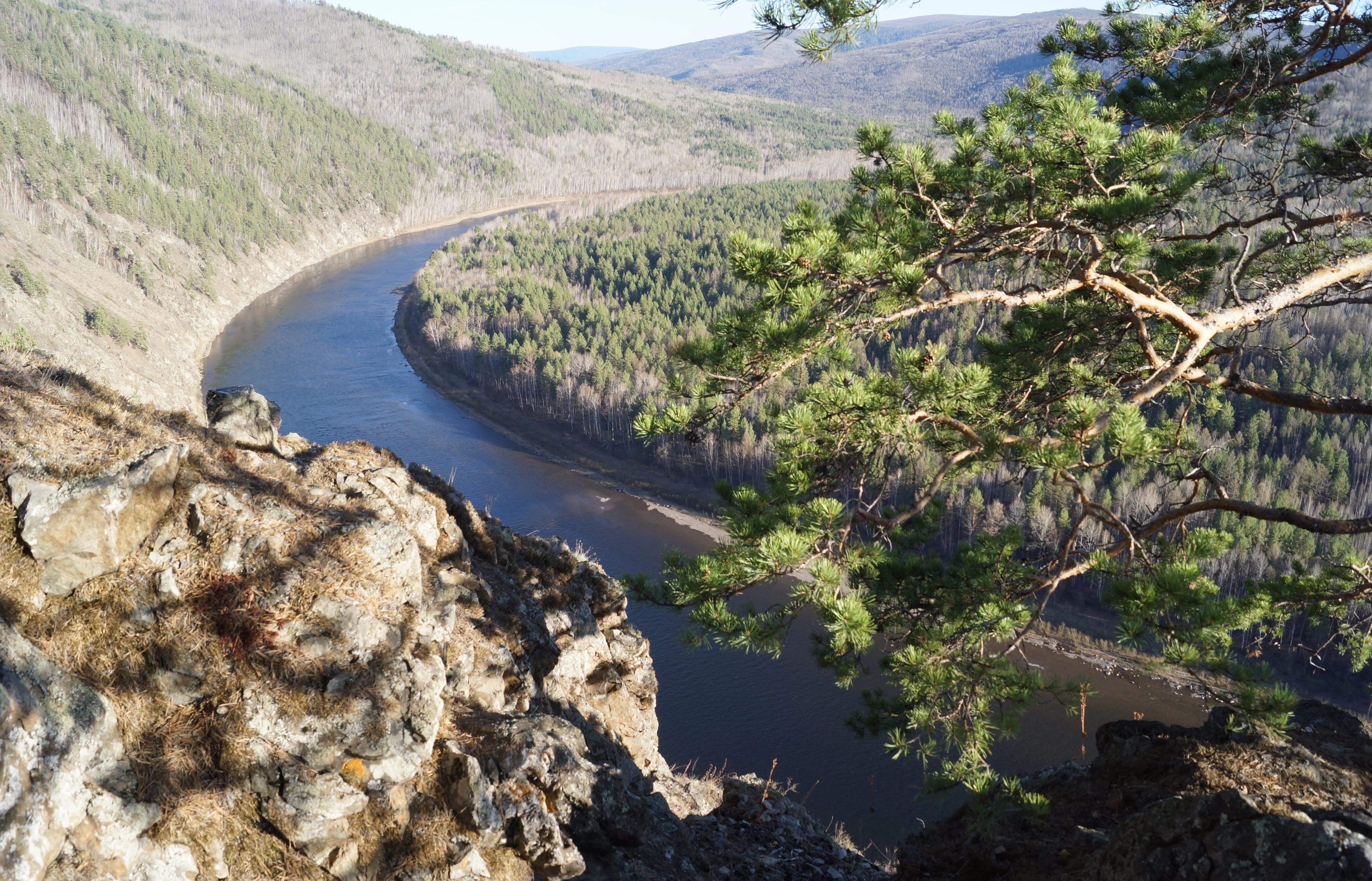
The landscape of Chikoy National Park is defined by its position within the Khentei-Daur Highlands, a mountainous region characterized by rugged terrain and significant elevation variation. The park encompasses the upper reaches of the Chikoy River as it flows through the Baikal Basin, with the river serving as a central hydrological feature. Bystrinsky Golets, a natural monument mountain, rises as the highest point within both the Chikokon Range and the broader highlands, providing a prominent geographic landmark within the park. The terrain combines mountain ridges, valley systems, and the river corridor, creating a varied topography typical of highland areas. The park's landscape reflects the transitional nature of the region, where mountain environments meet the more open terrain of the surrounding steppe.

Chikoy National Park ecosystems, habitats, and plant life

Chikoy National Park occupies a distinctive position within the Daurian forest steppe ecoregion, representing the ecological transition between the Siberian taiga to the north and the Mongolian steppe to the south. This positioning creates a mosaic of habitats within the park's boundaries, including pine forests, mountain terrain, steppe grasslands, and alpine meadows. The diversity of vegetation communities reflects the interplay between northern and southern ecological influences, as well as the altitudinal variation present in the highland landscape. The park's ecosystems form part of the broader Lake Baikal ecoregion, connecting this protected area to one of the world's most significant freshwater systems and its surrounding terrestrial environments.

Chikoy National Park wildlife and species highlights

The wildlife of Chikoy National Park reflects the transitional ecological character of the Daurian forest steppe ecoregion. The park's position at the meeting point of Siberian taiga and Mongolian steppe environments supports species adapted to both forest and grassland habitats. The diverse habitats created by pine forests, mountain terrain, steppe, and alpine meadows provide conditions for varied wildlife communities. While the source material provides general context about the ecoregional setting rather than specific species details, the park's protected status helps maintain the ecological connections that support wildlife populations in this boundary zone between northern and southern Asian ecosystems.

Chikoy National Park conservation status and protection priorities

Chikoy National Park serves an important conservation function within the Lake Baikal ecoregion, protecting the unique natural complexes of the upper Chikoy River basin. The park's establishment in 2014 reflected recognition of the ecological significance of the Khentei-Daur Highlands and the need to preserve this transitional landscape. As part of the Daurian forest steppe ecoregion, the park helps maintain connections between Siberian and Mongolian ecosystems. The park's management approach, which prohibits hunting and road construction while encouraging sustainable tourism and sport fishing, reflects a conservation framework that prioritizes ecological integrity while allowing limited human engagement with the environment.

Chikoy National Park cultural meaning and human context

Chikoy National Park is situated in the Krasnochikoysky District of Zabaykalsky Krai, also known as Trans-Baikal region, in southeastern Siberia. This area has historical connections to the broader cultural landscape of the Siberian-Mongolian border region. The park's location at the transition between Siberian and Mongolian environments places it within a region of historical interaction between different cultural traditions. While the source material focuses on the park's ecological and geographic attributes, the protected area exists within a landscape that has been shaped by longer-term human presence in this remote corner of Russia.

Top sights and standout views in Chikoy National Park

Chikoy National Park protects the upper Chikoy River within the Lake Baikal ecoregion, preserving highland ecosystems where Siberian taiga transitions to Mongolian steppe. The park encompasses the Khentei-Daur Highlands and features Bystrinsky Golets, the highest peak of the Chikokon Range. Established in 2014, it represents a recent addition to Russia's protected areas network with a conservation mandate focused on preserving unique natural complexes while prohibiting hunting and road construction. The park's 666,468-hectare territory supports diverse habitats including pine forests, mountain terrain, steppe, and alpine meadows.

Best time to visit Chikoy National Park

Chikoy National Park experiences a subarctic climate characterized by mild summers and cold winters. The summer months, when temperatures rise above 10°C for approximately one to three months, offer the most favorable conditions for visiting the park. Summer visitors can experience the highland landscapes during the relatively warm season when trails and outdoor activities are most accessible. Winter visits would encounter the harsh subarctic conditions typical of this region in southeastern Siberia, with significantly more challenging environmental conditions.

Park location guide

Geography guide, regional context, and park location map for Chikoy National Park

Chikoy National Park park geography, regions, and map view in Russia
Understand where Chikoy National Park sits in Russia through a broader geographic reading of the surrounding landscape, nearby location context, and its mapped position within the national park landscape.

How Chikoy National Park fits into Russia

Russia is a transcontinental nation spanning eleven time zones, bordered by fourteen countries. It is the world's largest country by area, covering 17,098,246 km². Moscow is the capital and largest city, while Saint Petersburg is the second-largest and a major cultural centre.

Wider geography shaping Chikoy National Park in Russia

Russia spans Eastern Europe and North Asia, covering 17,098,246 km². It shares land borders with fourteen countries, more than any other nation, and spans eleven time zones. The landscape includes vast plains, mountain ranges such as the Urals and Caucasus, and extensive coastlines along the Arctic Ocean, Pacific Ocean, Baltic Sea, Black Sea, and Caspian Sea.

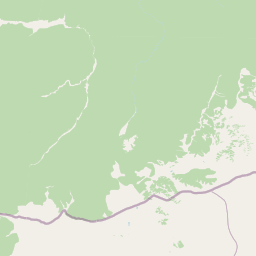
Map view of Chikoy National Park

Use this park location map to pinpoint Chikoy National Park in Russia, understand its exact geographic position, and read its mapped placement within the surrounding landscape more clearly.

Pigeon | © OpenStreetMap contributors

Location context for Chikoy National Park

Zabaykalsky Krai
Park atlas

Browse the Geographic Spread of Protected Areas in Zabaykalsky Krai and the Broader Siberian Frontier

Discover Other National Parks Near Chikoy National Park, Russia, and Explore Regional Protected Landscapes
Continue exploring national parks and other protected areas across the Trans-Baikal region, mapping the diverse geography and conservation landscapes surrounding Chikoy National Park. Trace the spread of taiga-steppe transition zones and mountain-river ecosystems, gaining broader geographic context for protected-area comparison within Zabaykalsky Krai.
Watercolor illustration depicting layered mountains, green hills, and forested areas with purple and pink tones
National parkZabaykalsky Krai

Alkhanay National Park

Sacred Mountain & Forest Steppe

Alkhanay National Park in Russia protects a landscape where Siberian taiga meets Mongolian steppe. Explore its sacred Mount Alkhanai, diverse terrain, and protected natural features within a unique geographic setting.

Area
1,382 km²
Established
1999
IUCN
II
Watercolor illustration showing a lake, green vegetation, and mountains under a light sky
National parkIrkutsk Oblast

Pribaikalsky National Park: A Protected Siberian Landscape on Lake Baikal's Shores

Explore mapped boundaries and regional geography.

Pribaikalsky National Park is a key protected area in Irkutsk Oblast, critical for conserving the biodiversity and unique topography of Lake Baikal. This national park encompasses dramatic mountain terrain, coastal landscapes, and the significant Olkhon Island, offering a detailed geographic study for atlas exploration. Discover the mapped extent of this important natural reserve and its role in preserving one of Earth's most exceptional freshwater ecosystems and its surrounding Siberian environment.

Area
4,173 km²
Established
1986
IUCN
II
Visitors
400K annual
National parkBuryatia

Zaybaykalsky National Park: National Park Atlas and Protected Landscape Explorer

Buryatia's Protected Area and Geographic Context

Uncover the geographic identity of Zaybaykalsky National Park, a designated national park within the Republic of Buryatia. This platform facilitates a structured exploration of its protected landscape, emphasizing its mapped boundaries and its place within the regional geography of Siberia. Understand the park's significance through a dedicated atlas lens, focusing on its inherent natural terrain and protected status, aiding in detailed geographic discovery.

Area
2,690 km²
Established
1986
IUCN
II
Relief
Mountain
National parkBuryatia

Tunkinsky National Park National Park: Protected Landscape and Geographic Context in Buryatia

Discover mapped park boundaries and regional terrain.

Delve into Tunkinsky National Park, a significant protected national park situated in the Buryatia region of Russia. This detail page provides a geographic overview, highlighting the park's mapped boundaries and its place within the surrounding natural landscape. Understand its designation as a protected area, offering a focused entry point for atlas-based discovery of its specific terrain and regional importance.

Area
11,837 km²
IUCN
II
Relief
Mountain
Climate
Boreal
National parkZabaykalsky Krai

Kodar National Park: Protected National Park with Zabaykalsky Krai Geographic Context

Atlas exploration of mapped boundaries and regional landscape.

Delve into the protected landscape of Kodar National Park, a significant national park located in Zabaykalsky Krai, Russia. This resource provides detailed insights into its geographic setting, offering users a clear view of its mapped boundaries and its position within the regional atlas. Understand the protected-area nature of Kodar National Park and its contribution to the mapped natural landscapes of its geographical vicinity.

Area
4,917 km²
Established
2016
IUCN
II
Relief
Mountain
Watercolor painting of green trees, rolling hills, a pink and yellow sunset sky, and a single tree on the right
National parkKrasnoyarsk Krai

Shushensky Bor National Park: Mapped Geography of a Siberian Protected Forest

Explore the protected landscape and regional context of Krasnoyarsk Krai.

Shushensky Bor National Park serves as a critical protected area within the vast geography of Krasnoyarsk Krai, Russia, offering detailed insights into Siberia's ecological transition zones. This national park meticulously maps the shift from the Minusinsk basin forest-steppe to the dramatic mountain taiga of the Western Sayan range. Users can explore its varied terrain, from gentler northern steppe-influenced lands to the rugged slopes of the Borus Massive, all within a defined protected landscape. The proximity to the Sayano-Shushenskoye Reservoir further defines its unique geographic setting, providing context for its conservation importance and natural beauty.

Area
392 km²
Established
1995
IUCN
II
Relief
Mountain
National parkKrasnoyarsk Krai

Krasnoyarsk Pillars National Park: Geographic Atlas and Protected Landscape Exploration

Discover mapped terrain and regional park context in Siberia.

This detailed entry for Krasnoyarsk Pillars National Park offers an in-depth look at its identity as a protected landscape within Krasnoyarsk Krai. It provides structured geographic information, focusing on mapped boundaries and the park's position within the vast Siberian terrain. Users can leverage this data for atlas exploration, gaining a clear understanding of the park's physical dimensions and its role in the regional geography of Russia. Explore the unique landscape character and mapped context of this significant national park.

Area
471.54 km²
Established
2019
IUCN
II
Visitors
200K annual
National parkAmur Oblast

Tokinsko-Stanovoy National Park: Protected Landscape Geography and Atlas Context

National Park in Amur Oblast, Russia

Delve into the specifics of Tokinsko-Stanovoy National Park, a designated national park within Amur Oblast. This entry provides essential context on its protected landscape characteristics and its place in the regional geography. Understand the park's mapped boundaries and discover its natural terrain as part of a larger atlas-driven exploration of protected areas in the Russian Far East.

Area
2,430 km²
Established
2019
IUCN
II

Common questions about visiting, size, designation, and location context for Chikoy National Park

Chikoy National Park FAQs for park facts, access, geography, and protected area context
Find quick answers about Chikoy National Park, including protected-area facts, park geography, trail and visitor context, and how the park fits into its surrounding country and regional landscape.
MoriAtlas Explorer

Continue Your Protected Areas Search Across the Global Atlas

Deepen your exploration by continuing the structured search for national parks and protected areas worldwide. Utilize the comprehensive filtering capabilities to compare different conservation landscapes and refine your understanding of global park geography. Discover more about the distribution and characteristics of protected natural areas.

Global natural geography