Why Korup National Park stands out
Korup National Park is best known for its exceptional primate populations, including the drill, Preuss's red colobus, red-eared guenon, and Nigeria chimpanzee. The park is also celebrated as one of Africa's premier birdwatching destinations and supports remarkable reptile, amphibian, and butterfly diversity. Its status as one of the continent's oldest and richest tropical forests in terms of both floral and faunal diversity, combined with its accessibility for visitors, distinguishes it among Cameroon's protected areas. The park's scientific legacy is notable, with researchers conducting biological studies there for over three decades, generating extensive knowledge about rainforest ecosystems.
Korup National Park history and protected-area timeline
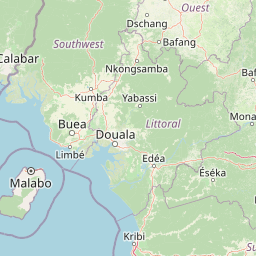
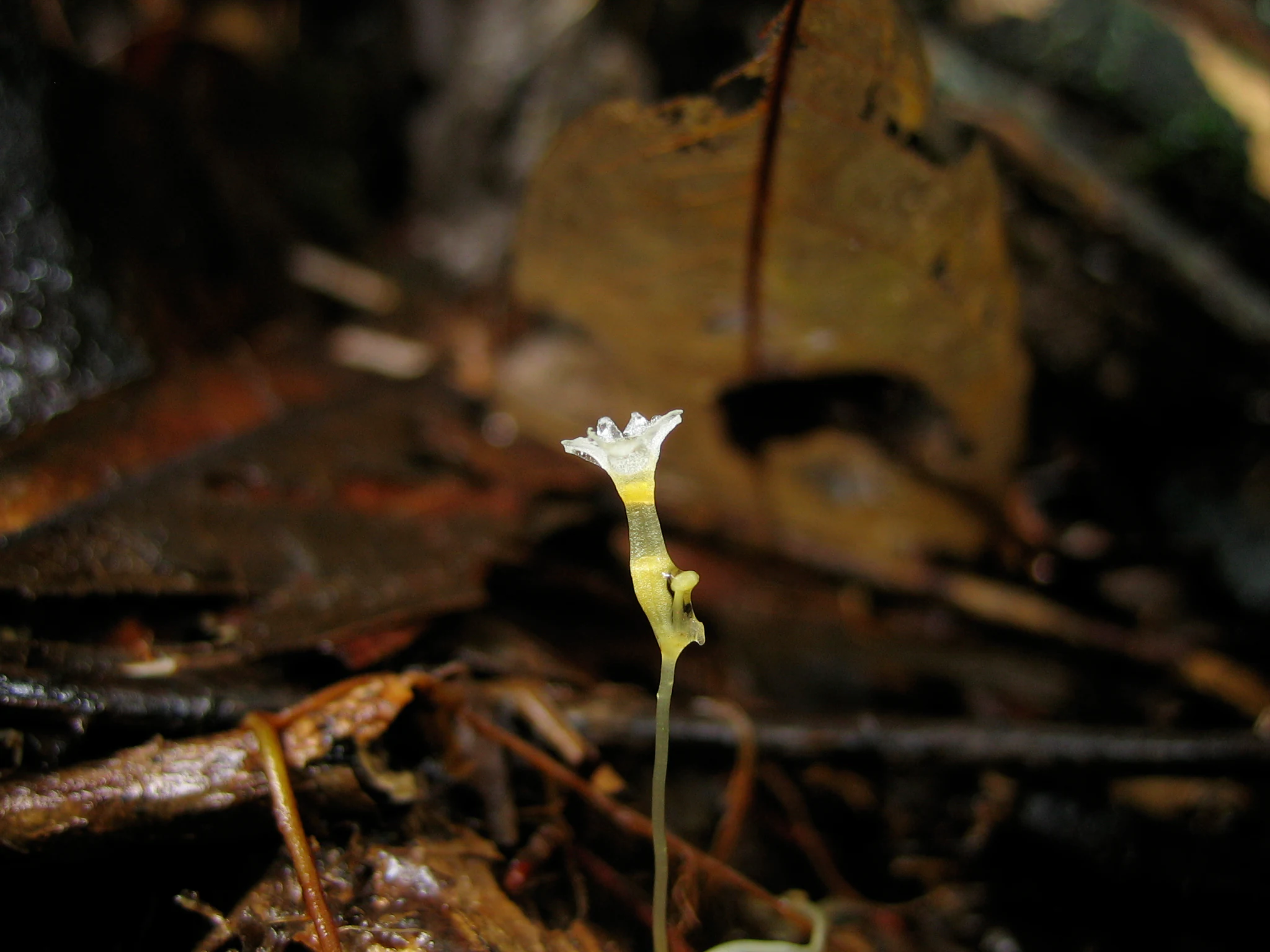
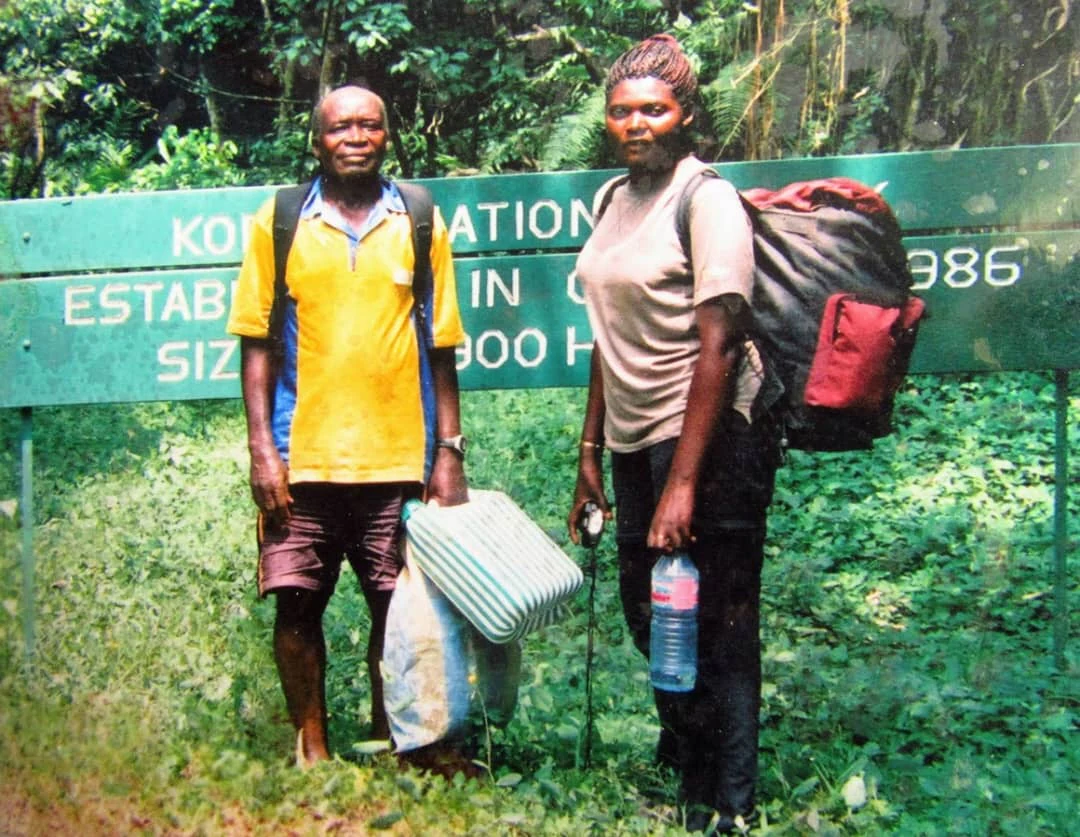
The conservation history of Korup National Park traces back to October 1937, when the Korup forest was established as a native administration forest reserve by Order No. 25. The concept of creating a national park emerged in the early 1970s when researchers Steve Gartlan and Thomas Struhsaker, who were studying forest primates in southwest Cameroon, proposed to the Cameroonian government that Korup be declared a national park alongside the Douala-Edéa reserve. Although the government did not immediately act on this proposal, the idea gained momentum through subsequent events. In 1977, Gartlan met documentary filmmaker Phil Agland, who spent five years producing a film about the Korup forest. The award-winning film Korup: An African Rainforest, broadcast on British television in November 1982, brought international attention to the forest's ecology and catalyzed conservation support. This visibility led to the first British Government contribution of 440,000 pounds through the Overseas Development Administration to rainforest conservation in Cameroon. In October 1986, Presidential Decree No. 86/1283 formally established Korup as a national park, simultaneously extending the forest reserve boundaries eastward to include the villages of Ekundu Kundu, Ikenge, and Bareka Batanga, creating the current 1,260 square kilometer protected area. Prince Charles of Wales inaugurated the park later that year. The Korup Project, an internationally funded integrated conservation and development initiative, began in 1987 and supported the new park along with surrounding forest reserves. After the project ended in 2003, leaving management with limited resources, the park became one of three focus areas of the Program of Sustainable Management of Natural Resources in Southwest Province in 2006, a bilateral cooperation between Cameroon and Germany that restored anti-poaching efforts.
Korup National Park landscape and geographic character
The landscape of Korup National Park features a gradual transition from low-lying southern terrain to increasingly rugged and hilly terrain as elevation rises northward. The southern section begins at approximately 50 meters above sea level and rises steadily through increasingly rugged terrain to reach the park's highest point at Mount Yuhan at 1,079 meters, near the former site of the relocated village of Ikondokondo. The northern portion of the park is characterized by low rolling hills with gentle slopes, with approximately 82 percent of the total park area falling between 120 and 850 meters elevation. The underlying geology consists of coarse-grained, sandy, well-drained soils that are acidic and low in nutrients, with low organic matter content that makes them unfavorable for agriculture. This soil characteristic has actually contributed to the park's preservation by limiting commercial farming and plantation development, leaving much of the forest in primary condition. A dense network of streams drains the Korup region into three major river systems: the Korup and Akpassang Rivers, the Ndian River, and the Bake-Munaya River. Many smaller streams become seasonally dry during the peak dry season from December to February.
Korup National Park ecosystems, habitats, and plant life
The ecological character of Korup National Park is defined by its ancient Biafran coastal forest ecosystem, classified by botanist Henri Letouzey as dominated by trees from the Caesalpinioideae subfamily of Leguminosae. The forest represents a remnant of the Cross River-Mayombe Refugium, one of Africa's key biodiversity refugia that persisted through Pleistocene climatic fluctuations. With over 1,100 tree, shrub, herb, and liana species documented to date and approximately 30 percent endemism, Korup ranks among the most floristically rich lowland forests in Africa. Plant ecological processes exhibit strong seasonality, with flowering typically occurring between January and July, peaking from March through May, followed by a fruiting season that varies considerably between years and often occurs in mast events at intervals of more than a year. The vegetation structure features large emergent trees reaching up to 50 meters in height, a predominantly continuous but uneven canopy at 15 to 25 meters, a dense understory of lianas and small trees dominated by Rubiaceae species, and a sparse herbaceous layer including representatives from the Acanthaceae, Araceae, Commelinaceae, Poaceae, Marantaceae, and Zingiberaceae families.
Korup National Park wildlife and species highlights
Korup National Park is reputedly one of the richest lowland African forests for faunal diversity, particularly for birds, reptiles, amphibians, and butterflies. The mammalian fauna includes 161 species across 33 families, with the primate community particularly notable for its diversity and conservation significance. The park supports 14 primate species, including both diurnal and nocturnal forms, making it exceptional for primate viewing. Key species include the drill, Preuss's red colobus, red-eared guenon, and the Nigeria chimpanzee. Preuss's red colobus, specifically, has become a flagship species for conservation in the region. The birdlife is exceptionally diverse, supporting the park's reputation as a premier birdwatching destination. The reptile and amphibian communities are equally rich, contributing to the park's overall biodiversity significance. Butterflies add to the invertebrate diversity, completing a faunal profile that makes Korup one of the most important protected areas for tropical forest biodiversity in Africa.
Korup National Park conservation status and protection priorities
Korup National Park holds significant conservation importance as one of Africa's oldest and richest tropical forests, protecting a substantial portion of the Cross River-Mayombe Refugium ecosystem. The park's high endemism rate of approximately 30 percent among plant species underscores its global significance for biodiversity conservation. The protected area serves as a critical corridor for wildlife movement between Cameroon and Nigeria, sharing its western boundary with the Cross River National Park's Oban Division. The park's status as a Category II protected area under the IUCN classification reflects its primary objective of ecosystem conservation and protection. Management focuses on law enforcement against illegal hunting, promotion of sustainable land use practices within local communities, and development of low-impact tourism that provides economic benefits to surrounding populations. The 2002 five-year management plan established conservation of biodiversity and ecological integrity as the overarching goal. Conservation challenges include managing human-wildlife conflict with communities living within and around the park, addressing poaching pressures, and maintaining financial sustainability for protection activities. The Korup Rainforest Conservation Society, a local NGO, actively supports conservation efforts through environmental education, research support, and community engagement.
Korup National Park cultural meaning and human context
Korup National Park exists within a landscape of human settlement that includes both communities within the protected area and villages in the surrounding peripheral zone. Five villages are located inside the park: Erat with approximately 447 residents, Esukutan with 202, Ikenge with 179, Bareka-Batanga with 52, and Bera with 26, totaling approximately 900 people as of 1999. An additional 23 villages lie within three kilometers of the park boundary, creating a peripheral zone with a combined population of approximately 2,700 people. The main livelihood activities in these communities include subsistence and cash-crop farming, particularly oil palms and cocoa, along with fishing, hunting, and local trading. The park's establishment required balancing conservation objectives with the presence of these communities, and management strategies incorporate sustainable development and benefit-sharing with local populations. The area is part of the traditional territory of the Ejagham peoples, and the park management works to involve local communities in conservation planning and implementation.
Top sights and standout views in Korup National Park
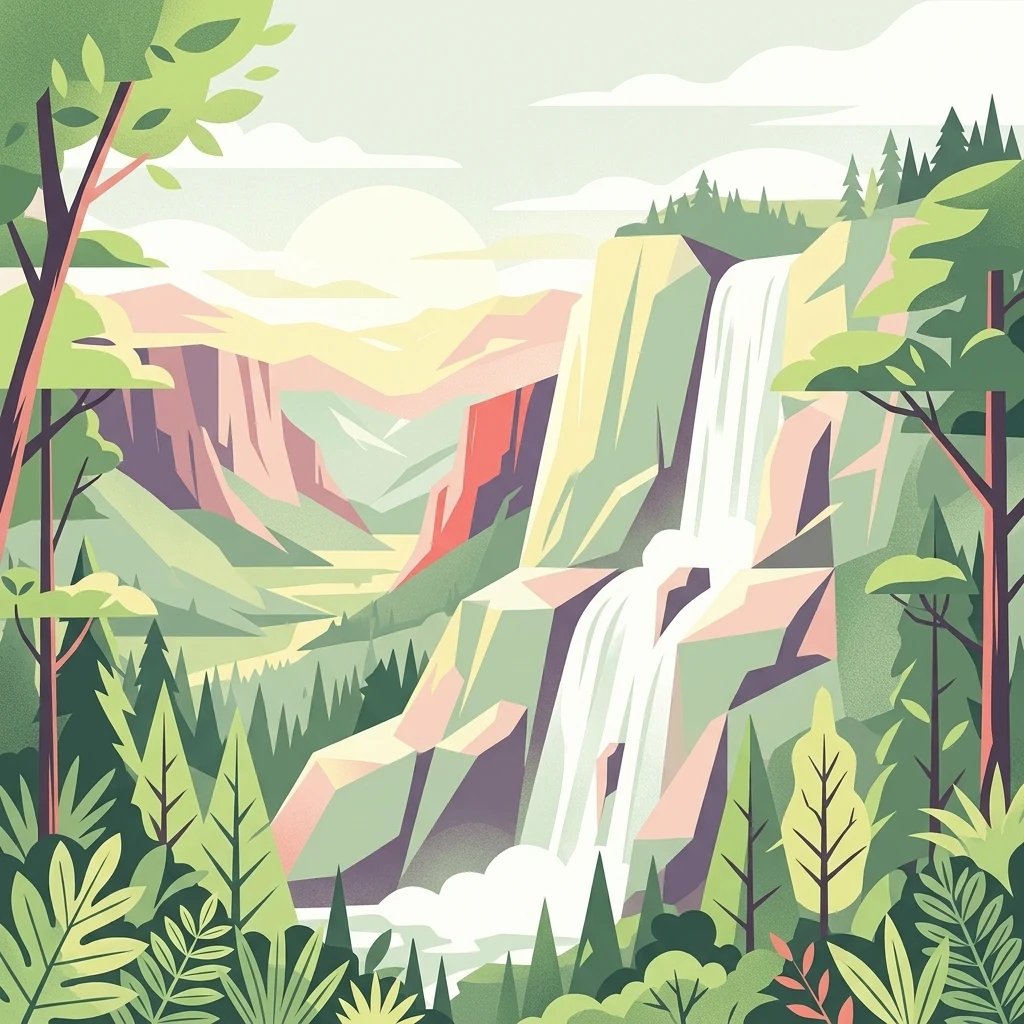
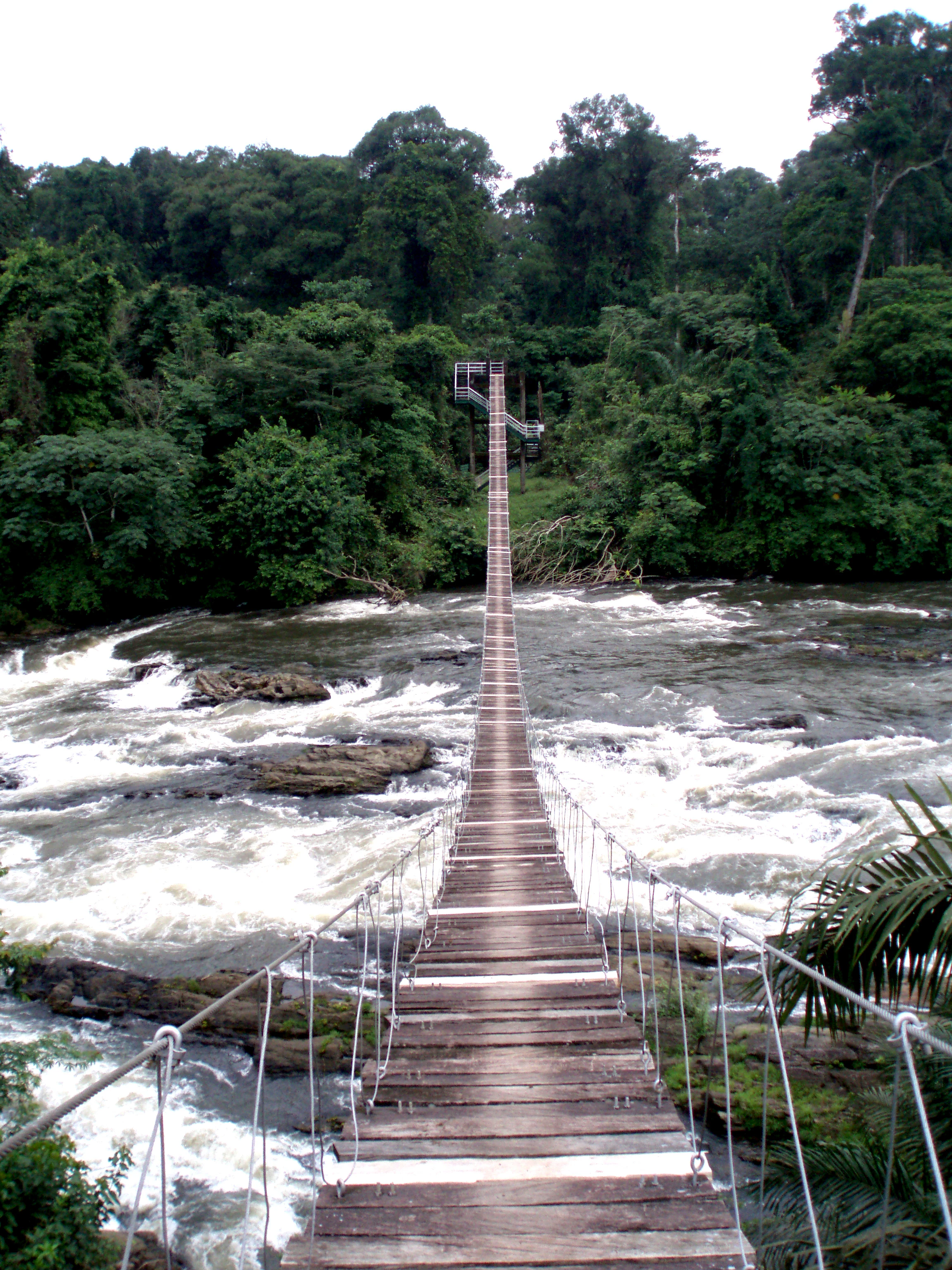
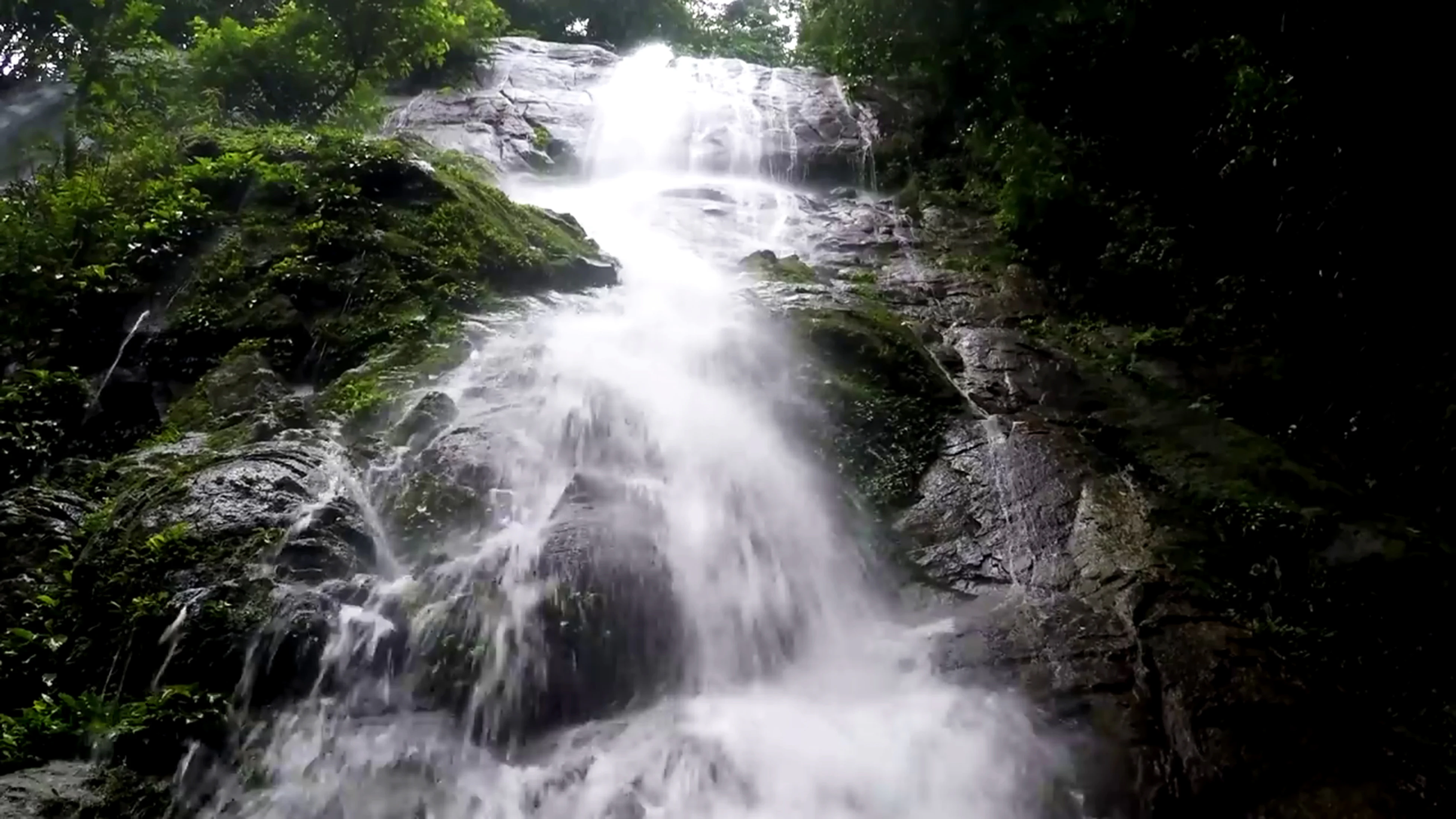
Korup National Park stands out as Cameroon's most accessible rainforest protected area, offering visitors the opportunity to explore one of Africa's oldest and richest tropical forests with basic but functional infrastructure. The park's primate populations, including the drill, Preuss's red colobus, red-eared guenon, and Nigeria chimpanzee, represent exceptional viewing opportunities for wildlife enthusiasts. The Mana bridge entrance, built by international volunteers on an Operation Raleigh expedition in 1989, serves as the gateway to the park and marks the point reached by Prince Charles during his 1986 inauguration visit. Three camp sites with basic facilities allow for multi-day exploration of the trail network. The park's scientific legacy, with over three decades of continuous research, has generated extensive knowledge about tropical rainforest ecosystems. The presence of Mount Yuhan at 1,079 meters provides an achievable summit goal for hikers, while the network of streams and waterfalls throughout the park adds scenic value to the trekking experience.
Best time to visit Korup National Park
The optimal time to visit Korup National Park depends on visitor priorities, with distinct advantages to both dry and rainy seasons. The dry season from December to February offers easier trail conditions and clearer visibility for wildlife viewing, though some streams may be seasonally dry. This period typically sees lower rainfall, with monthly totals below 100 millimeters, making it generally more comfortable for hiking and camping. The extended rainy season from May to October delivers the forest's full atmospheric character, with heavy rainfall creating lush, verdant conditions and full flow in streams and waterfalls. August typically experiences the heaviest rainfall, sometimes exceeding 10,000 millimeters in a single month. The transition periods of March through May and November offer moderate conditions but correspond with peak flowering and fruiting seasons respectively, which can enhance wildlife activity and botanical interest. Visitors should note that the northern sections of the park receive considerably less rainfall at 2,500-3,000 millimeters annually compared to over 5,000 millimeters in the southeast, which may influence route planning.