Why Pico Basilé National Park stands out
Pico Basilé National Park is best known for its exceptional primate populations and avifauna. The park shelters five primate species including Preuss's monkey, red-eared guenon, black colobus, western red colobus, and drill, all of which face conservation threats from poaching. The avifauna is particularly notable, with the park supporting significant populations of species such as Cameroon olive-pigeons, Bioko speirops, Cameroon sunbirds, and several other endemic and restricted-range bird species. The park's defining feature is Pico Basilé itself, the volcanic peak that dominates the island's landscape and represents Equatorial Guinea's highest point. The combination of highland volcanic terrain, diverse forest habitats, and significant biodiversity makes this park a key conservation area in Central Africa.
Pico Basilé National Park history and protected-area timeline
Pico Basilé National Park was officially established in the year 2000, creating a formal protected status for the montane forests surrounding Equatorial Guinea's highest mountain. In 2007, the government of Equatorial Guinea took significant regulatory action by prohibiting the hunting of diverse species within the park and wider territory, recognizing the pressure that poaching posed to wildlife populations. International conservation organizations have expressed concern regarding the enforcement and compliance with this hunting prohibition. In response, the government has been working to promote sustainable hunting practices within the park framework, with the dual goal of protecting wildlife populations while supporting the economic development of local rural communities that depend on natural resources. This approach reflects a recognition that effective conservation must consider the livelihoods of people living in and around protected areas.
Pico Basilé National Park landscape and geographic character
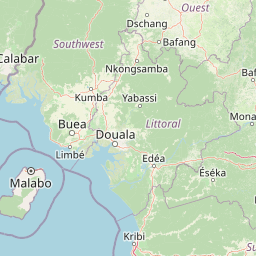
The landscape of Pico Basilé National Park is defined by the volcanic origins of Bioko Island and the prominent peak that gives the park its name. Pico Basilé rises dramatically to 3,011 meters, making it the highest mountain in Equatorial Guinea and one of the prominent peaks in the Gulf of Guinea region. The park's terrain encompasses steep mountain slopes, forested ridges, and elevational gradients that support diverse vegetation communities. The volcanic geology provides fertile soils and creates varied topography including cliffs, valleys, and ridgelines characteristic of montane island landscapes. The park's location on an island in the Atlantic Ocean adds a coastal and marine dimension to its setting, though the protected area itself focuses on the terrestrial highland environments.
Pico Basilé National Park ecosystems, habitats, and plant life
The ecological character of Pico Basilé National Park centers on its diverse vegetation zones that change with elevation, creating a spectrum of habitats from lowland tropical forests through montane forest to higher elevation communities. The island's isolation in the Gulf of Guinea has fostered endemism, with several species restricted to Bioko's montane environments. The park's designation as an Important Bird Area by BirdLife International recognizes its significance for avian biodiversity, supporting populations of numerous bird species that depend on the forest habitats. The diverse landscapes and vegetation within the park provide the foundation for the rich primate communities that represent one of the park's most notable ecological features.
Pico Basilé National Park wildlife and species highlights
Pico Basilé National Park supports remarkable primate diversity, hosting five monkey species that represent some of Africa's most threatened primates. Preuss's monkey, red-eared guenon, black colobus, western red colobus, and drill all occur within the park boundaries, each occupying different ecological niches within the forest environment. Ogilby's duiker represents an additional mammalian species of conservation interest. The park's avifauna is exceptionally diverse, with BirdLife International documenting significant populations of twelve bird species that meet Important Bird Area criteria: Cameroon olive-pigeon, green longtail, white-tailed warbler, mountain saw-wing, western mountain greenbul, Cameroon olive greenbul, black-capped woodland-warbler, Bioko speirops, Cameroon sunbird, Ursula's sunbird, and Shelley's oliveback. Many of these species are associated with montane forest habitats and represent both the ecological importance and conservation vulnerability of the park's wildlife communities.
Pico Basilé National Park conservation status and protection priorities
The conservation significance of Pico Basilé National Park derives from its role as a protected area for threatened primate populations and its designation as an Important Bird Area supporting significant bird populations. The park's primate community faces considerable pressure from poaching, which represents the primary threat to species survival. The 2007 hunting prohibition by the Equatorial Guinean government acknowledged this threat and sought to provide legal protection, though enforcement remains challenging. Conservation efforts increasingly emphasize sustainable approaches that balance wildlife protection with the needs of local communities. The park's establishment in 2000 reflected a formal commitment to biodiversity conservation, and its IUCN Category II status provides international recognition of its protected area value. The combination of endemic species, threatened populations, and diverse habitats makes the park a key conservation priority in Central Africa.
Pico Basilé National Park cultural meaning and human context
The park exists within the context of Bioko Island, which has been inhabited by human communities for centuries. The local populations have traditional relationships with the island's natural resources, and sustainable hunting initiatives have been developed to support community livelihoods while promoting conservation. However, the source material provides limited detail on specific cultural heritage or indigenous context within the park boundaries, so this field is not well-supported by available information.
Top sights and standout views in Pico Basilé National Park
The defining highlights of Pico Basilé National Park include its status as the conservation area protecting Equatorial Guinea's highest mountain and the associated montane ecosystems. The park's primate populations represent a major conservation asset, with five species including several that are threatened by poaching pressures. The avian diversity is equally notable, with the park supporting significant populations of species such as Bioko speirops, Cameroon sunbirds, and other restricted-range birds that depend on the island's forest habitats. The dramatic volcanic landscape centered on Pico Basilé provides both scenic value and ecological significance, while the park's Important Bird Area designation underscores its international conservation importance.
Best time to visit Pico Basilé National Park
The source material does not provide sufficient information to offer specific seasonal guidance for visiting Pico Basilé National Park. As a tropical island protected area, the park likely experiences typical Central African climate patterns with wet and dry seasons, but detailed visitor guidance regarding optimal travel times would require information not available in the source material.