Why Loango National Park stands out
Loango National Park is best known for its extraordinary combination of coastal and terrestrial ecosystems, particularly the phenomenon of hippopotamuses entering the ocean and swimming, which earned the area the nickname "land of surfing hippos." The park's over 100 kilometers of uninhabited Atlantic coastline host the world's second-largest concentration of whales and dolphins after South Africa, including humpback and killer whales. It is also notable as one of the few African parks where large mammals like elephants and gorillas regularly traverse beach environments. The protected lagoon system and mangrove forests provide critical habitat for marine and bird species.
Loango National Park history and protected-area timeline
The foundation for Loango National Park was laid in 1956 when the first faunal reserves were established in the Loango area, recognizing the region's ecological importance even in those early years of post-colonial African conservation. The park as it exists today was officially established in 2002 as part of a landmark conservation initiative by the Gabonese government under President Omar Bongo Ondimba. This creation coincided with the establishment of 13 other national parks, collectively protecting approximately 10% of Gabon's entire landmass and representing one of the most ambitious national park systems established anywhere in the world in a single initiative. The timing reflected Gabon's emerging role as a central African conservation leader, with the country possessing vast tracts of intact tropical forest and diverse ecosystems. Management of the park falls to the National Agency for National Parks, the governmental body responsible for overseeing Gabon's protected area network.
Loango National Park landscape and geographic character
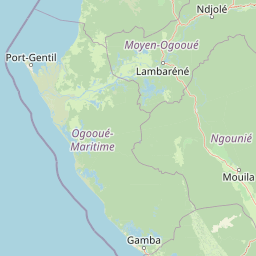
The physical landscape of Loango National Park is defined by its coastal position and the interaction between marine, lagoon, and terrestrial environments. The park's Atlantic coastline stretches for over 100 kilometers of essentially uninhabited beaches, where the rhythmic crash of waves creates a dramatic backdrop against which wildlife movements are observed. Behind the beaches, extensive mangrove forests create a tangled green transition between ocean and land, with the park protecting significant portions of the lagoon systems including Iguéla Lagoon between Nkomi and Ndogo Lagoons. The interior landscape transitions from these coastal zones into savanna plains and dense tropical forest, creating a heterogeneous terrain that supports varied ecological communities. This diversity of landforms, from flat coastal plains to more elevated forest areas, contributes to the park's visual and ecological variety.
Loango National Park ecosystems, habitats, and plant life
The ecological character of Loango National Park is distinguished by the remarkable diversity of habitats contained within its boundaries and the species assemblages they support. The coastal lagoon system represents a critical ecological zone, providing sheltered breeding and feeding areas for marine species while also serving as important habitat for waterfowl and wading birds. The mangrove forests function as nurseries for fish and crustaceans while also stabilizing coastlines and filtering sediments from freshwater flows. The savanna and forest interiors support populations of large mammals whose movements between habitat types create dynamic ecological interactions. The marine environment adjacent to the park supports extraordinary biodiversity, with the coastal waters hosting what is now recognized as the world's second-most significant concentration of whales and dolphins.
Loango National Park wildlife and species highlights
Loango National Park supports an impressive array of wildlife species across its diverse habitats, with the park's large mammals being particularly notable. African elephants traverse the savanna and forest edges, often moving down to the beaches where they can be observed against the Atlantic backdrop. Buffalo herds inhabit the savanna areas, while hippopotamuses occupy the lagoon and river systems, with the park's hippos being especially famous for their unusual behavior of entering the ocean. Western lowland gorillas are present in the forest interior, while leopards maintain territories across multiple habitat types. The marine environment offshore hosts substantial populations of humpback whales and killer whales, with the waters representing a critical marine mammal habitat. Birdlife is diverse, with numerous species exploiting the various habitat zones from coastal beaches to inland forests.
Loango National Park conservation status and protection priorities
Loango National Park represents a significant conservation achievement for Gabon and for Central African biodiversity protection more broadly. The park's establishment in 2002 reflected Gabon's commitment to maintaining its ecological heritage, with the country recognizing that intact ecosystems provide essential services and economic opportunities. The protection of the Iguéla Lagoon system is particularly significant given that this represents the only significant western African lagoon protected within a national park context. Conservation partners including the Wildlife Conservation Society work with park management on research, educational programs, and adaptive management. The "Tourism pays for Conservation" principle has guided development of high-end environmental tourism infrastructure that provides economic incentives for protection while minimizing ecological impacts.
Loango National Park cultural meaning and human context
The human context of Loango National Park is characterized by the relative absence of permanent settlements within the park boundaries, with most villages located on the opposite bank of the Ngove Lagoon. Traditional communities in the surrounding area maintain connections to the land through livelihoods including fishing and agriculture, using slash-and-burn techniques for cultivation of crops such as manioc, peanuts, and mustard greens. Fishing communities employ diverse techniques including nets, lines, and traps to harvest fish and shrimp from coastal and lagoon waters. While some residents have migrated to urban centers for employment in oil and timber industries, many traditional villages continue dependent on natural resources for daily needs. This human presence around the park provides context for understanding the conservation challenges and opportunities in the region.
Top sights and standout views in Loango National Park
Loango National Park offers a rare combination of wildlife experiences unavailable elsewhere in Africa, most famously the opportunity to observe hippopotamuses swimming in the ocean along a wild beach coastline. The park's whale and dolphin watching opportunities rank among the best in Africa, with humpback and killer whales regularly visible from the shore. Elephant and buffalo viewing against the backdrop of the Atlantic Ocean creates a distinctive safari experience. The lagoon system provides paddling and boating opportunities through mangrove channels. The park's relative remoteness and limited infrastructure contribute to a wilderness character that distinguishes it from more accessible African parks.
Best time to visit Loango National Park
The optimal period to visit Loango National Park corresponds with Gabon's dry season, typically from June through September, when wildlife viewing conditions are most favorable and the landscape is more accessible. During this period, animals concentrate around remaining water sources, making savanna sightings more predictable. Whale and dolphin activity along the coast is particularly notable during these months as humpback whales migrate through the region. The wet season from October to May brings higher rainfall and greener landscapes but can make some areas more difficult to access. The park's beach and lagoon environments can be enjoyed year-round, though sea conditions and weather patterns vary seasonally.