Why Ivindo National Park stands out
Ivindo National Park is renowned for the spectacular Kongou Falls and Mingouli waterfalls along the Ivindo River, described as the wonders of Ivindo, which constitute one of Central Africa's most dramatic natural spectacles. The park also contains Langoué Baï, a renowned forest clearing that provides exceptional wildlife viewing opportunities and serves as one of the most significant bai ecosystems in Central Africa. The park protects one of the last relatively intact populations of forest elephants in the region, alongside significant populations of western lowland gorillas and common chimpanzees. The diverse freshwater ecosystems, particularly around the waterfalls, support unique aquatic flora including at least seven species of Podostemaceae riverweeds, with each waterfall pool potentially containing distinct plant communities.
Ivindo National Park history and protected-area timeline
Ivindo National Park was officially announced in August 2002 by President Omar Bongo at the Earth Summit in Johannesburg, forming part of a groundbreaking expansion of Gabon's national park system that created 13 terrestrial protected areas across the country. Prior to the park's formal creation, the Wildlife Conservation Society began studying and protecting the southern region around Langoué Baï starting in 2001, establishing an early conservation presence in the area. In 2004, the WCS constructed a purpose-built research camp approximately three kilometers from Langoué Bai, providing accommodation and facilities for researchers studying bai ecology and maintaining a protective presence against poaching activities. The Institut de Recherche en Écologie Tropicale, a tropical research institute under Gabon's national scientific research authority, operates within the northern portion of the park approximately 12 kilometers from Makokou. The park's global recognition came in 2021 when UNESCO inscribed Ivindo as a World Heritage Site based on natural criteria (ix) and (x), recognizing both the outstanding biodiversity and the relatively intact nature of its tropical forest ecosystem.
Ivindo National Park landscape and geographic character
The physical geography of Ivindo National Park features a dramatic combination of mountainous terrain, river valleys, and dense forest cover. The park's highest points include Mount Kingué reaching 749 meters above sea level and Mount Ngouadi at 870 meters, providing significant topographic variation across the protected area. The Ivindo River, the central geographic feature, flows through the park as the principal tributary to the Ogooué River, Gabon's largest waterway. The river's course creates the spectacular Kongou and Mingouli waterfalls that rank among Central Africa's most impressive aquatic features. The landscape includes the Ipassa Plateau, an area known for seasonal severe thunderstorm activity that can occasionally generate localized tornadoes, a meteorological phenomenon that has influenced forest structure and created areas with secondary forest characteristics. The terrain supports diverse habitats from riverine corridors to slopes and plateaus, all covered by the continuous tropical forest that defines the Central African landscape.
Ivindo National Park ecosystems, habitats, and plant life
The ecological character of Ivindo National Park is defined by its extensive old-growth forests spanning both Atlantic coastal forest of Lower Guinea and semi-deciduous forest typical of the central Congo Basin. The park's nearly 300,000 hectares of continuous forest cover represents one of the most intact tropical forest ecosystems in the region. The southern portions contain geographically unique populations of Caesalpinioideae, commonly known as the peacock flower subfamily, which support exceptional butterfly diversity. The numerous streams and waterfalls within the park have driven the diversification of freshwater species, with at least seven species of Podostemaceae riverweeds documented and each waterfall pool potentially harboring unique aquatic plant communities. The Didji River system provides critical habitat for the endangered slender-snouted crocodile, while 13 threatened fish species depend on the park's aquatic environments. The climate features average rainfall of 1,672 millimeters annually with distinct wet seasons from September to December and February to May, supporting the lush forest ecosystem.
Ivindo National Park wildlife and species highlights
Ivindo National Park supports an exceptional array of mammalian species characteristic of intact Central African forest ecosystems. The park contains significant populations of western lowland gorillas and common chimpanzees, two of Africa's most iconic primate species. Forest elephants, among the last relatively intact populations in Central Africa, regularly traverse the park's forest and visit the Langoué Baï clearing. Other notable mammals include African forest buffalo, red river hog, sitatunga, and the elusive African golden cat. The bird diversity is equally remarkable, with over 430 species recorded within the park boundaries. Particularly significant are the endangered grey-necked rockfowl and grey parrot, species of high conservation concern that find essential habitat within Ivindo's forests. The aquatic environments support at least 13 threatened fish species and provide critical habitat for the endangered slender-snouted crocodile. The Langoué Baï forest clearing offers exceptional opportunities to observe wildlife congregating at these natural clearings, a phenomenon that makes the park particularly valuable for wildlife research and viewing.
Ivindo National Park conservation status and protection priorities
Ivindo National Park represents a critical component of Gabon's conservation strategy and global biodiversity protection efforts. The park's designation as a UNESCO World Heritage Site in 2021 recognizes its outstanding universal value as one of the last relatively intact tropical forest ecosystems in Central Africa. The park's inclusion of the Ipassa Makokou Biosphere Reserve and the protection of Langoué Baï, one of Central Africa's five most important forest clearings, demonstrates its multifaceted conservation significance. Long-term research and protection efforts by the Wildlife Conservation Society since 2001 have provided important ecological insights and anti-poaching presence, particularly in the southern regions around Langoué Bai. The presence of significant populations of forest elephants, western lowland gorillas, and other threatened species places Ivindo at the forefront of great ape conservation. The park's diverse freshwater ecosystems and unique aquatic flora require ongoing protection to maintain the ecological processes that support the remarkable biodiversity found within its boundaries.
Ivindo National Park cultural meaning and human context
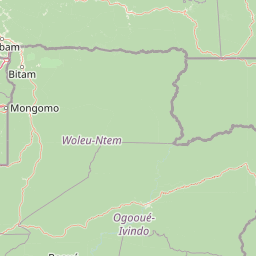
Ivindo National Park is situated in a region with rich indigenous heritage, though the park's primary designation focuses on biodiversity conservation rather than explicit cultural landscape protection. The park straddles two provinces, Ogooué-Ivindo and Ogooué-Lolo, in east-central Gabon, an area historically inhabited by various Bantu-speaking communities whose traditional relationship with the forest and river systems has shaped the landscape over generations. The park's establishment in 2002 represented part of a broader national initiative to balance conservation with sustainable development, with the nearby city of Makokou serving as a regional center for research and park management activities. The Ipassa Makokou Biosphere Reserve within the park boundaries reflects an integrated approach to conservation that considers both ecological and human dimensions of the landscape. Research institutions operating within the park, including the Institut de Recherche en Écologie Tropicale near Makokou and the WCS Langoué Research Station, contribute to scientific understanding while maintaining connections to local communities and traditional ecological knowledge.
Top sights and standout views in Ivindo National Park
The spectacular Kongou and Mingouli waterfalls on the Ivindo River represent the park's most dramatic natural features and are widely celebrated as the wonders of Ivindo. Langoué Baï provides exceptional wildlife viewing opportunities at one of Central Africa's five most important forest clearings, where visitors may observe forest elephants, gorillas, and other species. The park protects one of the last relatively intact populations of forest elephants in Central Africa, a species facing severe pressure across its range. Over 430 bird species have been recorded, including the endangered grey-necked rockfowl and grey parrot. The unique Podostemaceae riverweed communities in waterfall pools represent specialized aquatic ecosystems found nowhere else in such concentration. The 2021 UNESCO World Heritage inscription acknowledges the park's global significance for biodiversity conservation.
Best time to visit Ivindo National Park
The optimal time to visit Ivindo National Park coincides with the drier periods when wildlife viewing opportunities are most favorable. The primary dry season from June to August typically offers easier access to trail systems and clearer visibility at forest clearings like Langoué Baï. However, visitors should be prepared for the park's equatorial climate, which maintains relatively warm temperatures throughout the year averaging around 24 degrees Celsius. The wet seasons from September to December and February to May bring higher rainfall, which can affect trail conditions and access but also enhance the dramatic waterfall flows that define the park's character. The periods immediately following rainfall can offer exceptional wildlife activity as animals become more active in the refreshed environment. Whatever the season, visitors should be prepared for the humid tropical conditions and the remote nature of this wilderness area.